Golden rain tree
Koelreuteria paniculata. Family Sapindaceae. Tree.
Also called Goldenrain tree, Pride of India, Varnish tree.
A deciduous tree with a rounded, spreading crown, yellow summer flowers and papery seed capsules that resemble small lanterns. Gardeners grow it for light shade, seasonal colour and its tolerance of heat, urban conditions and drought once established.
At a glance
- Sun
- Full sun; flowering is best in a warm, open position.
- Water
- Water regularly while establishing; established trees tolerate dry spells but should be watered during prolonged drought.
- Soil
- Well-drained soil, including sandy, loamy, clay or chalky soil; tolerates alkaline conditions and relatively poor soil, but not persistent waterlogging.
- Height
- 30-40 ft (9-12 m)
- Spread
- 25-40 ft (7.5-12 m)
- Flowers
- Early to midsummer, with upright, branching clusters of small yellow flowers; flowering may be lighter in cool summers.
- Foliage
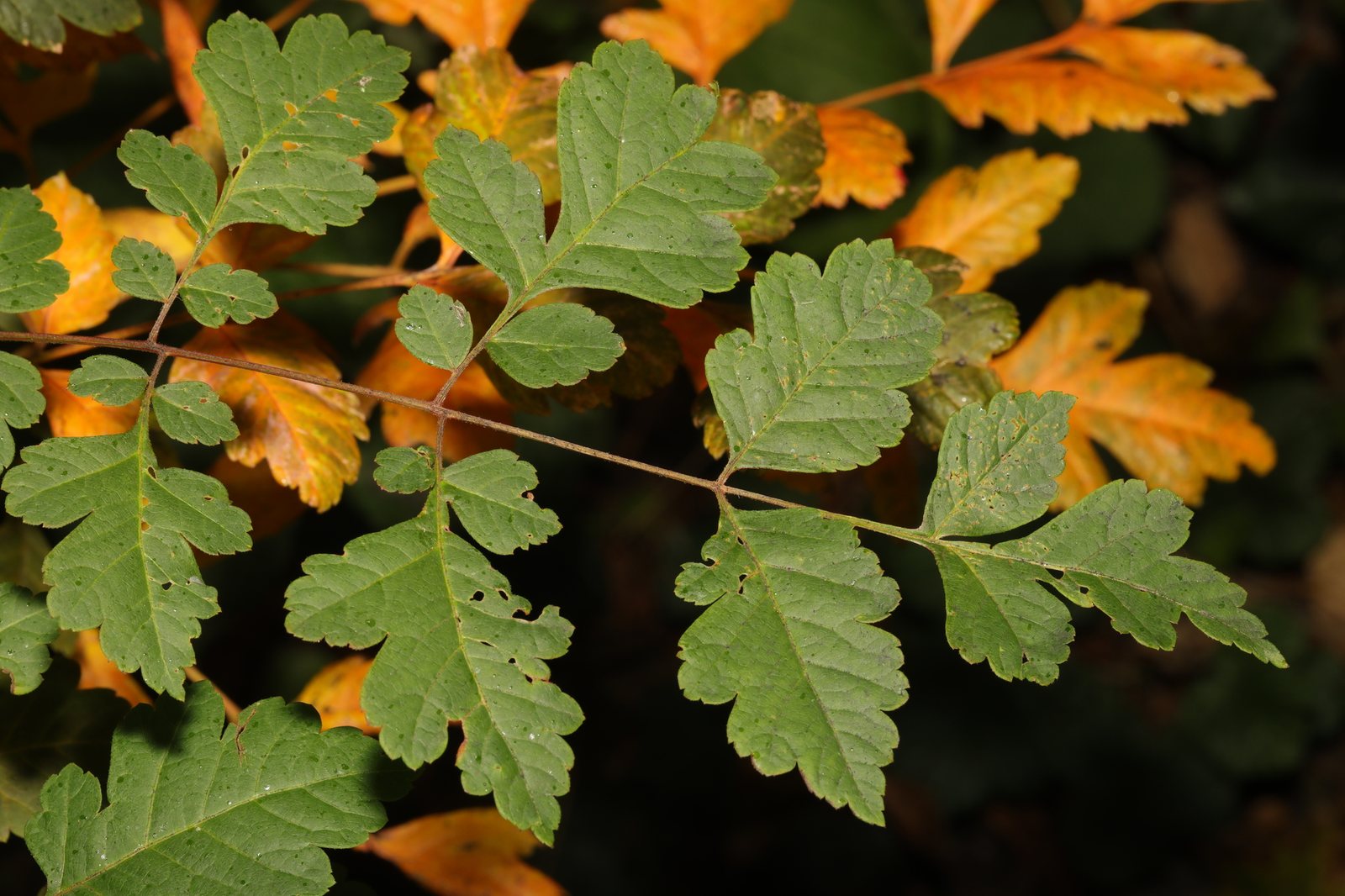
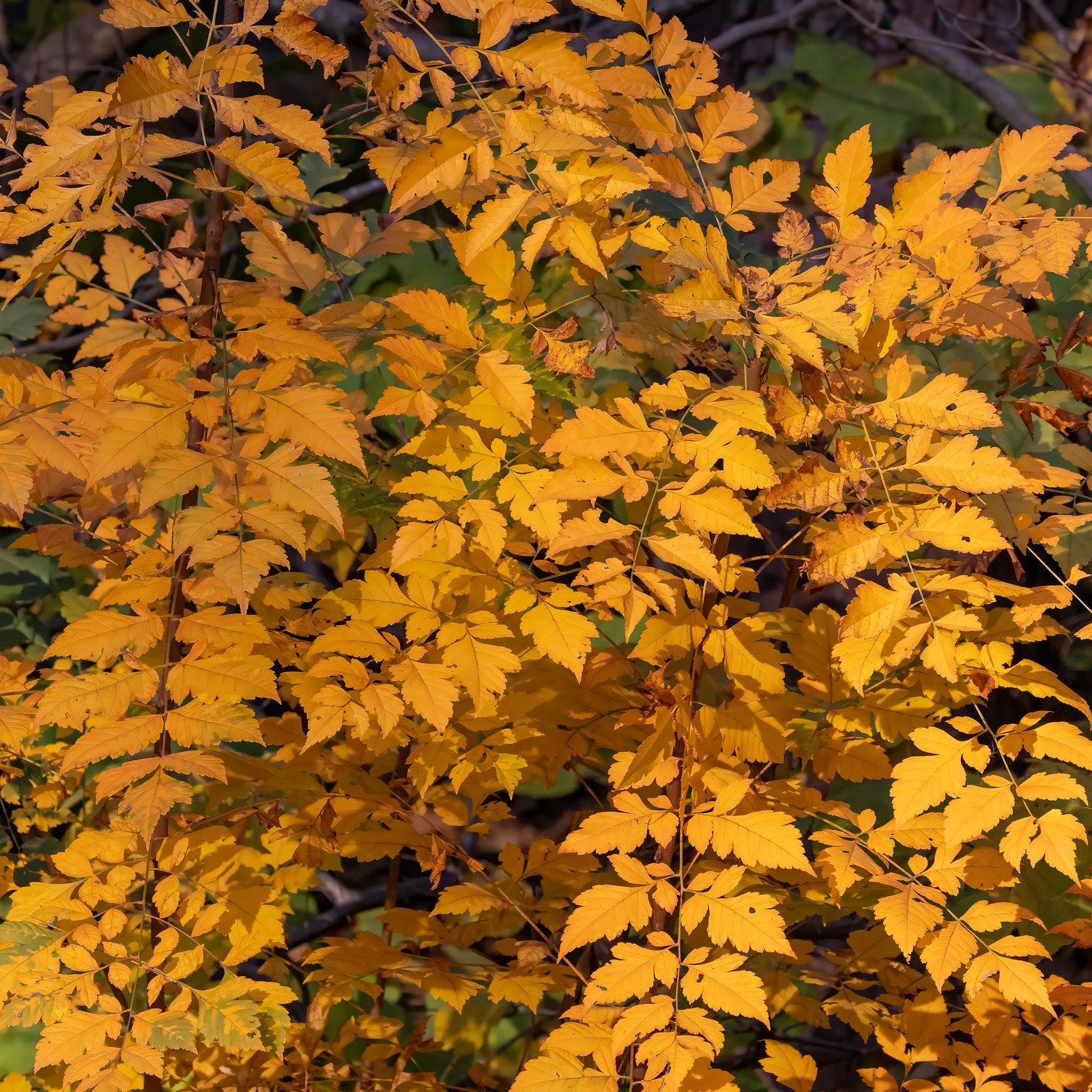
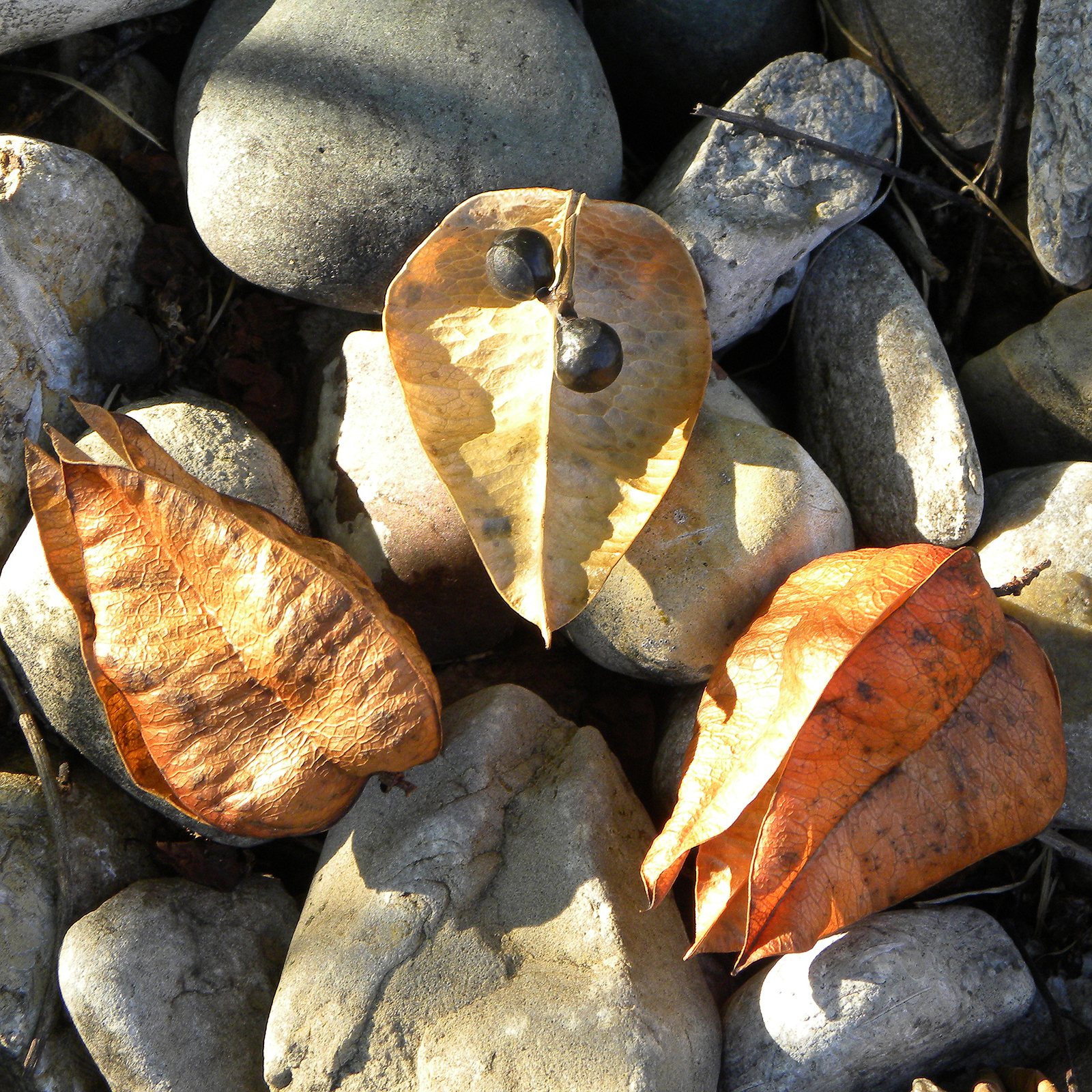
- Divided leaves with irregularly toothed leaflets; young growth is often bronze, becoming green in summer and usually yellow in autumn. Inflated green seed capsules turn buff or brown and may persist into winter.
- Growth
- Moderate, sometimes faster when young in warm conditions.
- Care needed
- Medium
The year at a glance
- Pollinators
- Drought tolerant
- Heat tolerant
- Wildlife
- Low allergen
| J | F | M | A | M | J | J | A | S | O | N | D | |
|---|---|---|---|---|---|---|---|---|---|---|---|---|
| Flowers | ||||||||||||
| Fruit | ||||||||||||
| Plant |
Northern hemisphere months. In Australia, shift them by six.
- Difficulty
- Easy
- Toughness
- Very tough
Will it suit your garden?
Pick your zone, country, light and whether you have pets.
Full sun is 6 or more hours of direct sun a day, part shade 3 to 6 hours, shade under 3.
How it grows
Planting day
7 ft (2 m)
After 1 year
8 ft (2.5 m)
After 2 years
10 ft (3.1 m)
After 3 years
12 ft (3.6 m)
After 5 years
15 ft (4.7 m)
About 16 years to full size.
From a typical nursery size, at an average rate for this kind of plant. A rule of thumb, not a forecast.
Good to know
- Cats and dogs
- Safe
- Invasive in
- the US
- Growth rate
- Fast
Care
Jobs through the year
- WaterApr–May, Sep–Oct, every 21 days
- Water established trees only if soil is dry; young trees need more frequent deep watering for two seasons.
- WaterJun–Aug, every 14 days
- Deep-water established trees during prolonged drought; omit watering when rainfall is adequate.
- MulchMar–Apr
- Maintain 5–8 cm of organic mulch over the root zone, clear of the trunk.
- PruneFeb
- Lightly prune dead or crossing branches while dormant; train young trees without topping.
- ProtectSep–Nov
- Collect seed capsules before seeds disperse where self-seeding is unwanted.
- Water deeply during dry weather for the first two growing seasons, wetting the root ball and surrounding soil.
- Apply a 2-3 in (5-8 cm) layer of mulch over the root area, keeping it clear of the trunk.
- Avoid routine feeding on reasonable garden soil; excess nitrogen encourages leafy growth rather than flowers.
- Stake only if the root ball moves in wind, and remove supports once the tree is securely rooted.
- Pull unwanted seedlings while small and collect fallen capsules where self-seeding is a concern.
Pruning. Prune in late winter while dormant, removing dead, damaged or crossing branches. Train young trees to a sound framework with well-spaced branches; avoid topping and large cuts on mature trees.
Through the year
- Late winter
- Inspect the branch framework and carry out light structural pruning while the tree is dormant.
- Spring
- Plant container-grown trees once the soil is workable, water thoroughly and mulch.
- Late spring
- Check ties and stakes, and pull seedlings before their roots become woody.
- Summer
- Water young trees deeply during dry spells; enjoy the yellow flower clusters.
- Autumn
- Collect fallen seed capsules if you need to limit self-seeding.
- Late autumn
- Plant dormant trees in mild regions where the soil drains freely; delay planting until spring in very cold areas.
In the garden
- Use as a specimen in a medium or large lawn, allowing room for the broad crown.
- Place beside a terrace to provide light summer shade, keeping flower and seed litter away from drains.
- Combine with ornamental grasses and drought-tolerant perennials for a sunny, relatively dry planting.
- Use against dark evergreen planting to make the yellow flowers and pale seed capsules stand out.
Garden styles it suits: Urban city garden, Traditional, Chinese scholar garden, Mediterranean, Autumn colour and Low-maintenance.
Plant it with: Lavender, Catmint, Russian sage, Autumn stonecrop and Feather reed grass.
Wildlife: Flowers provide pollen and nectar for bees and other insects. The crown offers shelter and potential nesting sites for birds, but this Asian species is not a substitute for locally native habitat trees.
Problems to watch for
- Unwanted seedlings: remove promptly, collect capsules before seeds disperse, and avoid planting where the species is locally invasive.
- Weak branch unions or storm damage: establish well-spaced branches while young and have large damaged limbs assessed by a qualified arborist.
- Verticillium wilt: sudden branch wilt or dieback may occur; obtain a diagnosis, remove dead wood and avoid replanting susceptible trees in affected soil.
- Root decline in wet soil: improve drainage before planting or choose another site; do not keep the root zone constantly saturated.
Safety
Seeds are reported to be mildly poisonous to people and may cause stomach upset if eaten. The species is generally listed as non-toxic to cats, dogs and horses, although eating plant material can still cause digestive upset. Do not confuse it with laburnum, or golden chain tree, which is seriously poisonous.
Where it spreads. Listed as invasive in Virginia and capable of naturalising and spreading by seed elsewhere in the eastern and southeastern United States. Check local invasive-plant guidance before planting, particularly in warm regions near natural habitats.
Easily confused with
Golden chain tree (Laburnum anagyroides)
Has leaves with three leaflets and long, hanging chains of yellow spring flowers, followed by narrow pea-like pods. Golden rain tree has many leaflets, upright summer flower clusters and inflated papery capsules.
Chinese flame tree (Koelreuteria bipinnata)
Usually has twice-divided leaves with numerous finely toothed leaflets, later summer flowers and conspicuously pink or reddish young capsules.
Flamegold (Koelreuteria elegans)
A warmer-climate relative with large, usually twice-divided leaves and showy pink capsules; it is much less cold-hardy and may retain foliage in mild climates.
The name
Koelreuteria honours the botanist Joseph Gottlieb Kölreuter, paniculata refers to its branched flower clusters, and golden rain describes the falling yellow petals.
Propagation. Grow from seed after scarifying the hard seed coat and providing a period of cold, moist stratification. Seedlings vary; named selections are usually propagated by grafting.
Checked against open data
- Accepted botanical name
- Koelreuteria paniculata
- In the US and Canada
- Introduced in the lower 48 states.
- Native range
- China North-Central, China South-Central, China Southeast, Korea and Manchuria.
- Measured
- Soil pH 4.5 to 8. Average height 1186 cm.
Sources: GBIF (CC BY 4.0), USDA PLANTS and Trefle (CC BY 4.0). The care and design notes are LandscapeGPT's own.
See it in your own yard.
Upload a photo of your yard and see it redesigned with plants that suit your climate, each checked against your zone.