Golden raspberry 'Fall Gold'
Rubus idaeus 'Fall Gold'. Family Rosaceae. Shrub.
Also called Yellow raspberry 'Fall Gold', Rubus idaeus 'Fall Gold'.
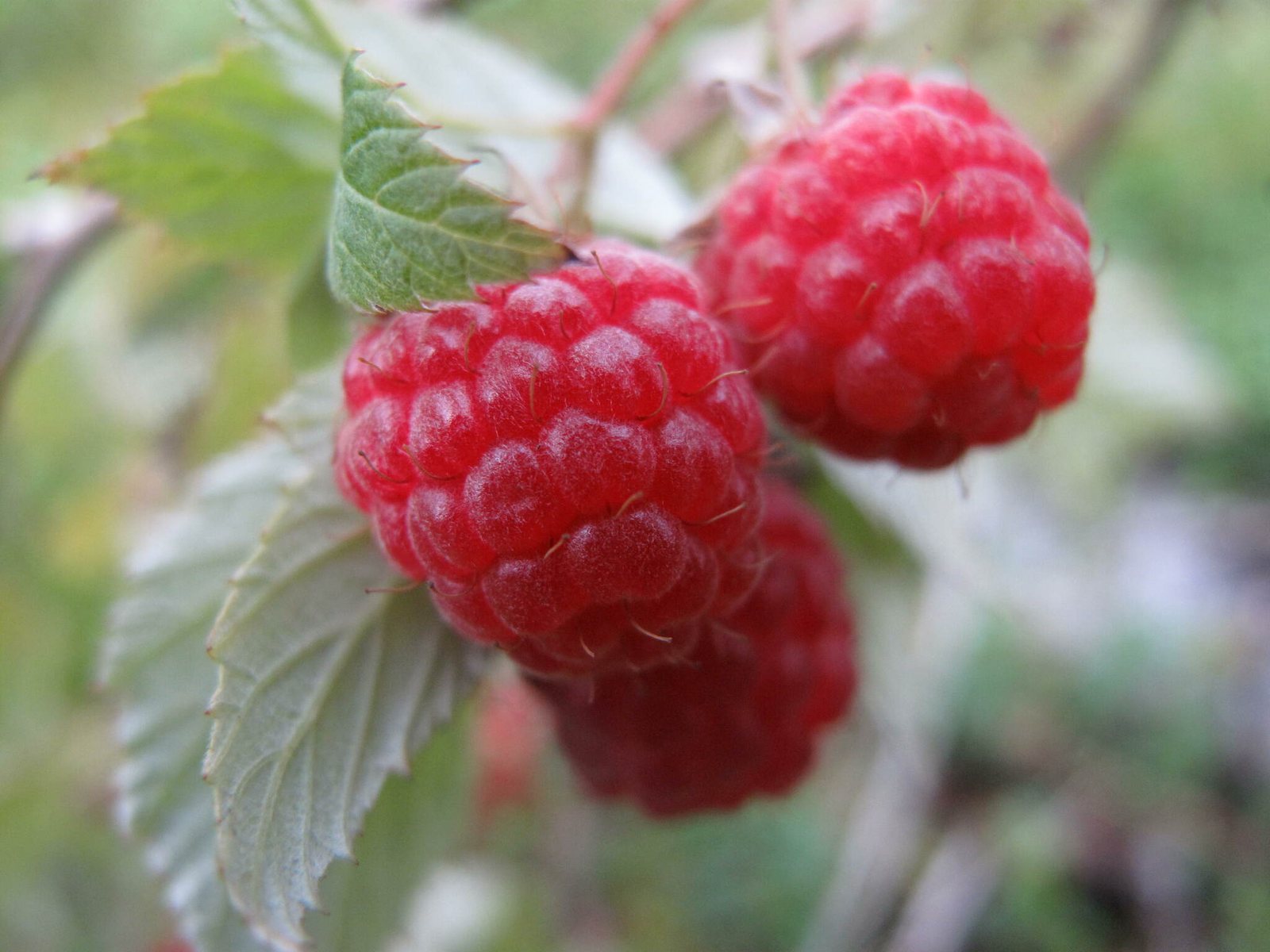
'Fall Gold' is a deciduous raspberry with soft, sweet, pale yellow to golden fruit. It bears an autumn crop on the current year's canes and can also produce a smaller summer crop on retained canes the following year. Grow it for fresh eating in a sunny fruit bed where its spreading suckers can be managed.
At a glance
- Sun
- Full sun is best; tolerates light partial shade, usually with a smaller crop. In hot climates, some afternoon shade helps protect fruit.
- Water
- Keep the root zone evenly moist, especially during flowering and fruit development. Aim for about 1-1.5 in (2.5-4 cm) of water weekly, including rain, without waterlogging.
- Soil
- Fertile, moisture-retentive but well-drained soil, preferably slightly acidic, around pH 5.5-6.5. Avoid wet clay and sites where water collects.
- Height
- 4-6 ft (1.2-1.8 m)
- Spread
- 2-3 ft (0.6-0.9 m) per clump initially; suckers can spread well beyond this
- Flowers
- Small white flowers in summer on new canes; retained second-year canes flower earlier, in spring to early summer.
- Foliage
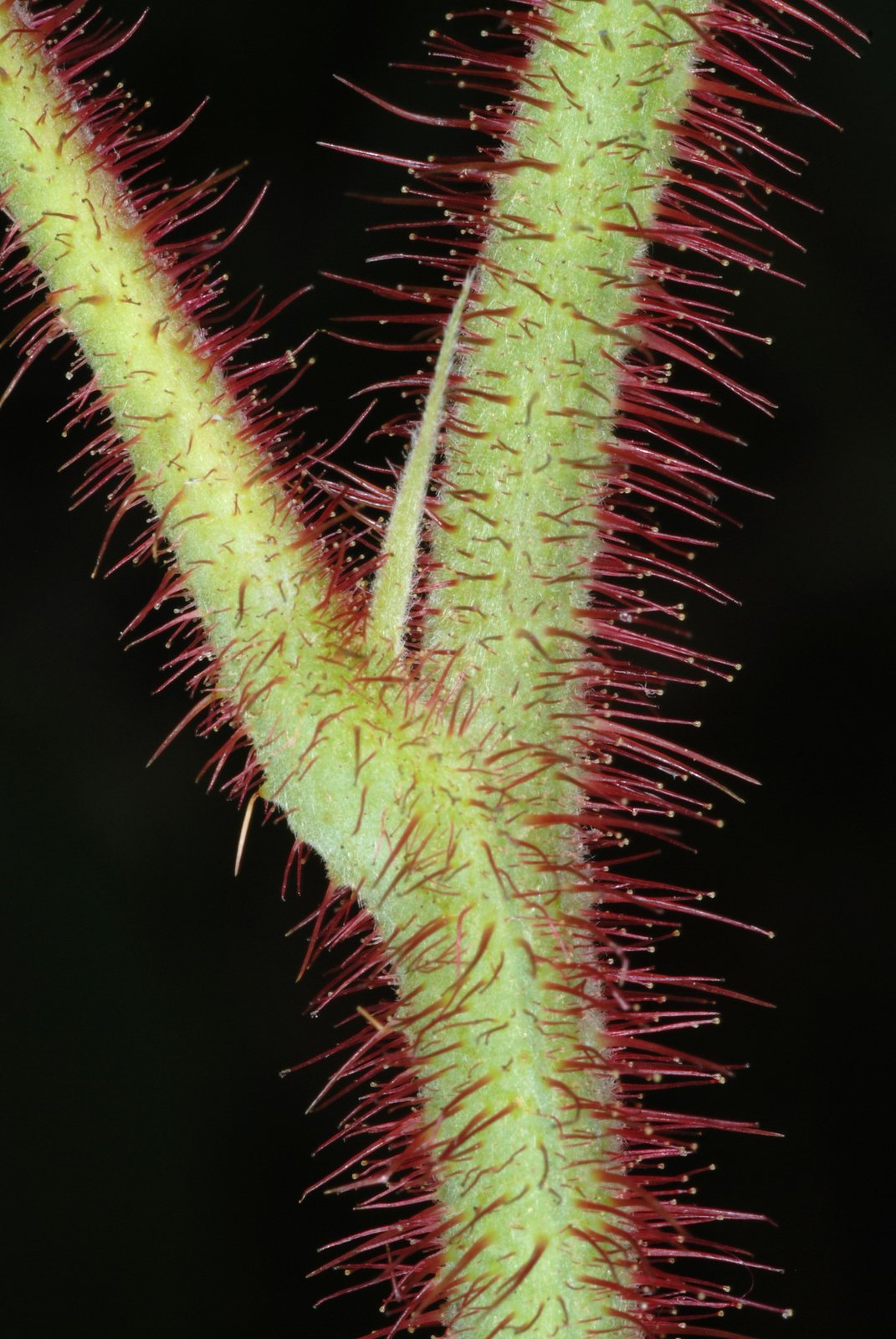
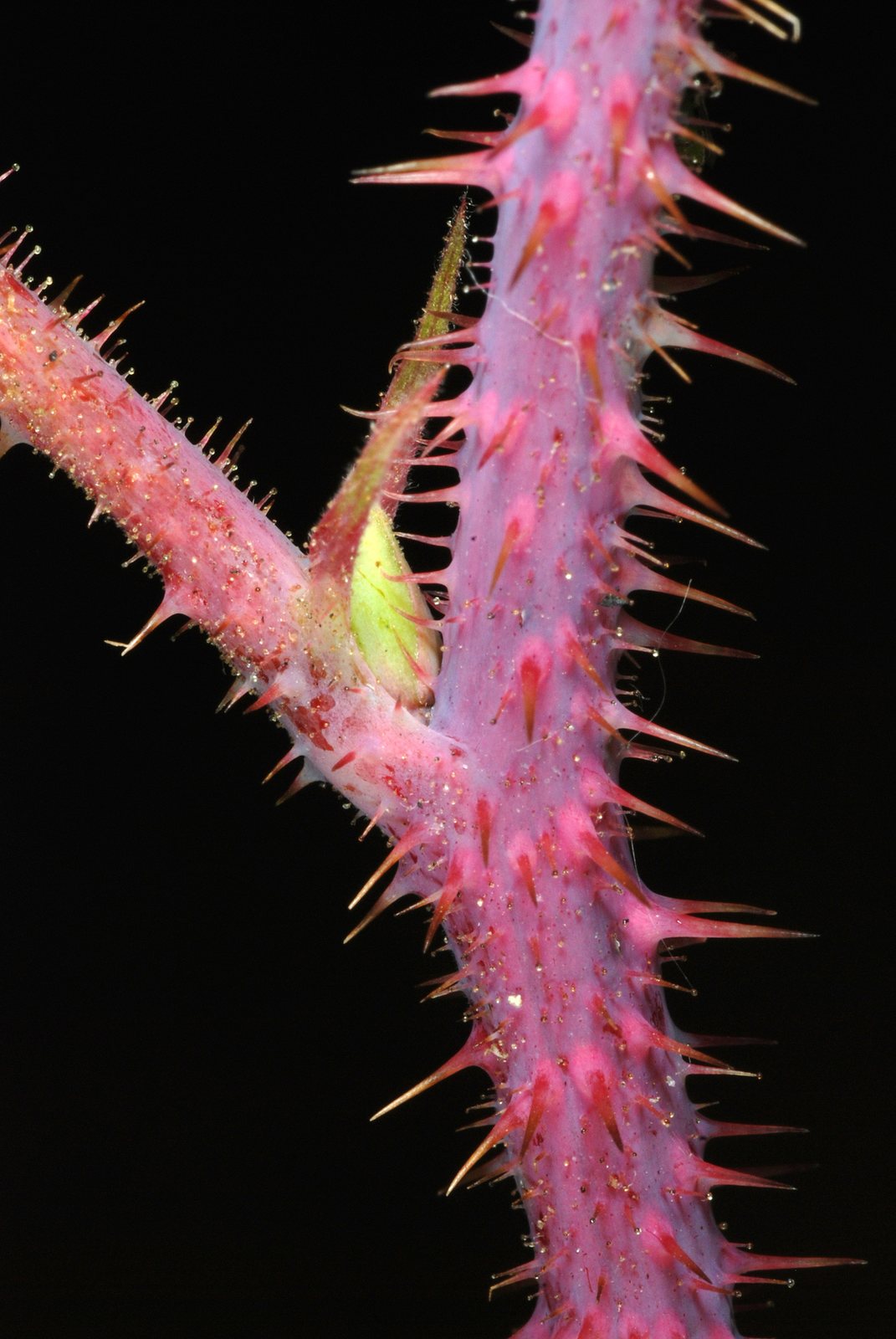
- Green, toothed, compound leaves with pale undersides, carried on upright, prickly canes.
- Growth
- Fast; new canes grow and can fruit in one season.
- Care needed
- Medium
The year at a glance
- Pollinators
- Cold hardy
- Wildlife
- Low allergen
- Edible
| J | F | M | A | M | J | J | A | S | O | N | D | |
|---|---|---|---|---|---|---|---|---|---|---|---|---|
| Flowers | ||||||||||||
| Fruit | ||||||||||||
| Plant |
Northern hemisphere months. In Australia, shift them by six.
- Difficulty
- Moderate
- Toughness
- Fairly tough
Will it suit your garden?
Pick your zone, country, light and whether you have pets.
Full sun is 6 or more hours of direct sun a day, part shade 3 to 6 hours, shade under 3.
How it grows
Planting day
1.6 ft (0.5 m)
After 1 year
2.7 ft (0.81 m)
After 2 years
4 ft (1.1 m)
After 3 years
5 ft (1.4 m)
After 5 years
5 ft (1.5 m)
full size
About 3 years to full size.
From a typical nursery size, at an average rate for this kind of plant. A rule of thumb, not a forecast.
Good to know
- Cats and dogs
- Safe
- Native to
- the US, Canada and the UK
- In the garden
- Spreads vigorously: plan to contain it.
- Growth rate
- Fast
Care
Jobs through the year
- WaterApr–May, Oct, every 7 days
- Water established plants if rain is insufficient; keep young plants consistently moist.
- WaterJun–Sep, every 7 days
- Supply 2.5–4 cm weekly including rain, watering at soil level; split applications in hot weather.
- FeedMar
- Apply compost and a modest balanced fertilizer; avoid excessive nitrogen.
- MulchMar
- Apply 5–8 cm of organic mulch, keeping cane bases clear.
- PruneFeb–Mar
- For autumn fruit only, cut all canes to ground level; for two crops, remove only previously fruited tips.
- PruneMay–Jun
- Thin crowded shoots, remove unwanted suckers and tie new canes to supports.
- PruneJul
- If retaining canes for two crops, remove those that have finished their summer harvest.
- ProtectJun–Oct
- Protect ripening fruit with taut wildlife-safe mesh; use insect mesh only after pollination.
- HarvestJun–Oct
- Pick soft golden berries that release easily; June–July fruit requires retained second-year canes.
- Water at soil level during dry spells, keeping the soil moist but not saturated.
- Apply compost and a modest amount of balanced fertiliser in early spring; avoid excessive nitrogen.
- Mulch with 2-3 in (5-8 cm) of composted organic matter, keeping it clear of cane bases.
- Support canes between wires or against a sturdy trellis to keep fruit accessible and off the ground.
- Remove suckers outside the bed and thin crowded growth to improve airflow.
Pruning. For one main autumn crop, cut every cane to ground level in late winter before new growth starts. For two crops, remove only the fruited tips in winter, retain the lower cane sections for summer fruit, then cut those canes to the ground after their summer harvest.
Harvest
Pick berries in late summer and autumn when they are pale gold, soft and release easily from the central plug; retained canes can also provide an early-summer crop. Check every few days and eat or refrigerate promptly, as the fruit bruises easily. A few berries may form in the planting year, with the first substantial crop usually in the second growing season.
Through the year
- Late winter
- Prune for either one autumn crop or a summer-and-autumn harvest; remove dead and damaged canes.
- Early spring
- Plant dormant stock when soil is workable, then apply compost, fertiliser and mulch.
- Late spring
- Thin crowded shoots, remove unwanted suckers and guide new canes into their supports.
- Summer
- Water consistently as flowers and fruit develop; harvest retained second-year canes if using the two-crop system.
- Late summer to autumn
- Pick ripe golden berries frequently and remove damaged or mouldy fruit.
- Late autumn
- Clear fallen fruit and diseased debris, and check that supports are secure.
In the garden
- Train in straight rows on wires in a kitchen garden for easy picking and pruning.
- Use along a sunny boundary as a productive screen, leaving access to both sides.
- Pair with red raspberries in an edible garden for contrasting fruit colours.
- Plant in a dedicated bed beside a potager, keeping its suckers out of neighbouring crops.
Garden styles it suits: Potager (kitchen garden), Cottage garden, Edible landscape, Homestead, Family-friendly and Backyard orchard.
Plant it with: Chives, Thyme, Calendula, Sweet alyssum and Nasturtium.
Wildlife: Flowers provide nectar and pollen for bees and other insects. Birds and small mammals eat the fruit; dense canes can provide shelter.
Problems to watch for
- Grey mould: berries rot in damp, crowded conditions; thin canes, water at soil level and remove affected fruit promptly.
- Root rot: plants decline in waterlogged soil; improve drainage or use a raised bed, and replace badly affected plants with healthy stock.
- Spotted wing drosophila: larvae can spoil ripening berries where this pest occurs; pick frequently, remove overripe fruit and use fine insect mesh after pollination if needed.
- Bird damage: protect ripening fruit with a securely enclosed frame and taut, wildlife-safe mesh that cannot entangle birds.
Safety
Not known to be toxic to people, cats, dogs or horses. The ripe fruit is edible; prickly canes can scratch skin, mouths and eyes.
Where it spreads. Spreads vigorously by underground suckers and can escape its allotted bed in gardens in the United States, United Kingdom, Canada and Australia. This spreading habit does not by itself mean the cultivar is officially listed as invasive; remove unwanted suckers promptly.
Easily confused with
Red raspberry (Rubus idaeus)
Leaves and canes can look essentially identical. Typical red raspberries ripen red, whereas 'Fall Gold' ripens pale yellow to gold; foliage alone cannot confirm the cultivar.
Yellow raspberry 'Anne' (Rubus idaeus 'Anne')
'Anne' is another autumn-fruiting yellow raspberry, usually with larger, firmer fruit. The two cannot be identified reliably from leaves alone, so a trustworthy label is the best guide.
The name
Rubus is the Latin name for bramble, idaeus refers to Mount Ida, and 'Fall Gold' describes the colour and main harvest season of its fruit.
Propagation. Lift healthy rooted suckers while dormant and replant at their original depth, or take root cuttings in winter. Use disease-free stock; seed-grown plants will not reliably match 'Fall Gold'.
Checked against open data
- Accepted botanical name
- Rubus idaeus
- In the US and Canada
- Native in Alaska, Canada, the lower 48 states and St. Pierre and Miquelon. Introduced in Alaska, Canada and the lower 48 states.
- Native range
- Alaska, Albania, Altay, Amur, Arizona, Austria, Baltic States, Belarus, Belgium, British Columbia, Bulgaria and Buryatiya.
- Measured
- Soil pH 5 to 7.5. Average height 94 cm.
Sources: GBIF (CC BY 4.0), USDA PLANTS and Trefle (CC BY 4.0). The care and design notes are LandscapeGPT's own.
See it in your own yard.
Upload a photo of your yard and see it redesigned with plants that suit your climate, each checked against your zone.