Goldmound spirea
Spiraea japonica 'Goldmound'. Family Rosaceae. Shrub.
Also called Gold Mound Japanese spirea, Goldmound Japanese spiraea.
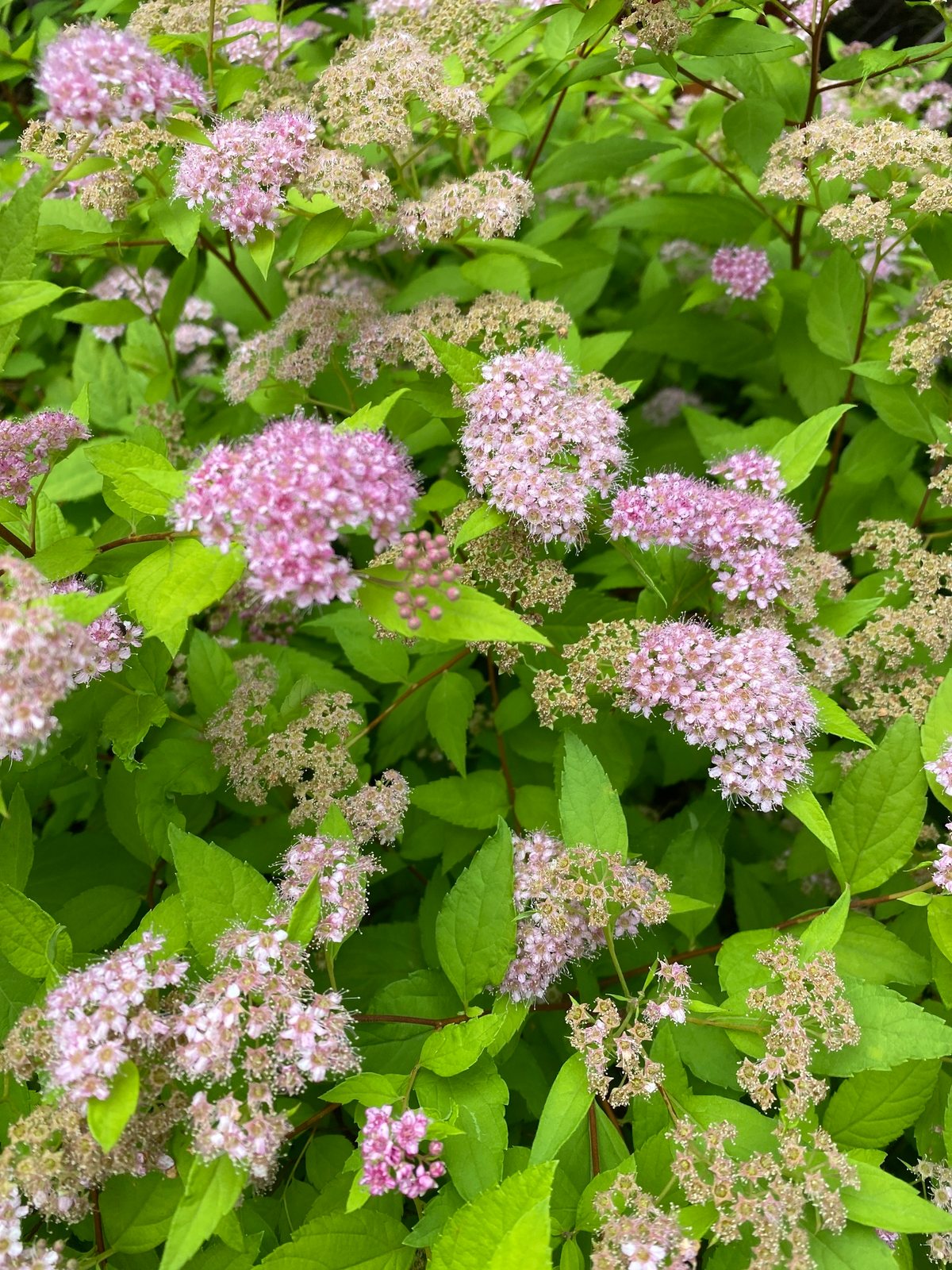
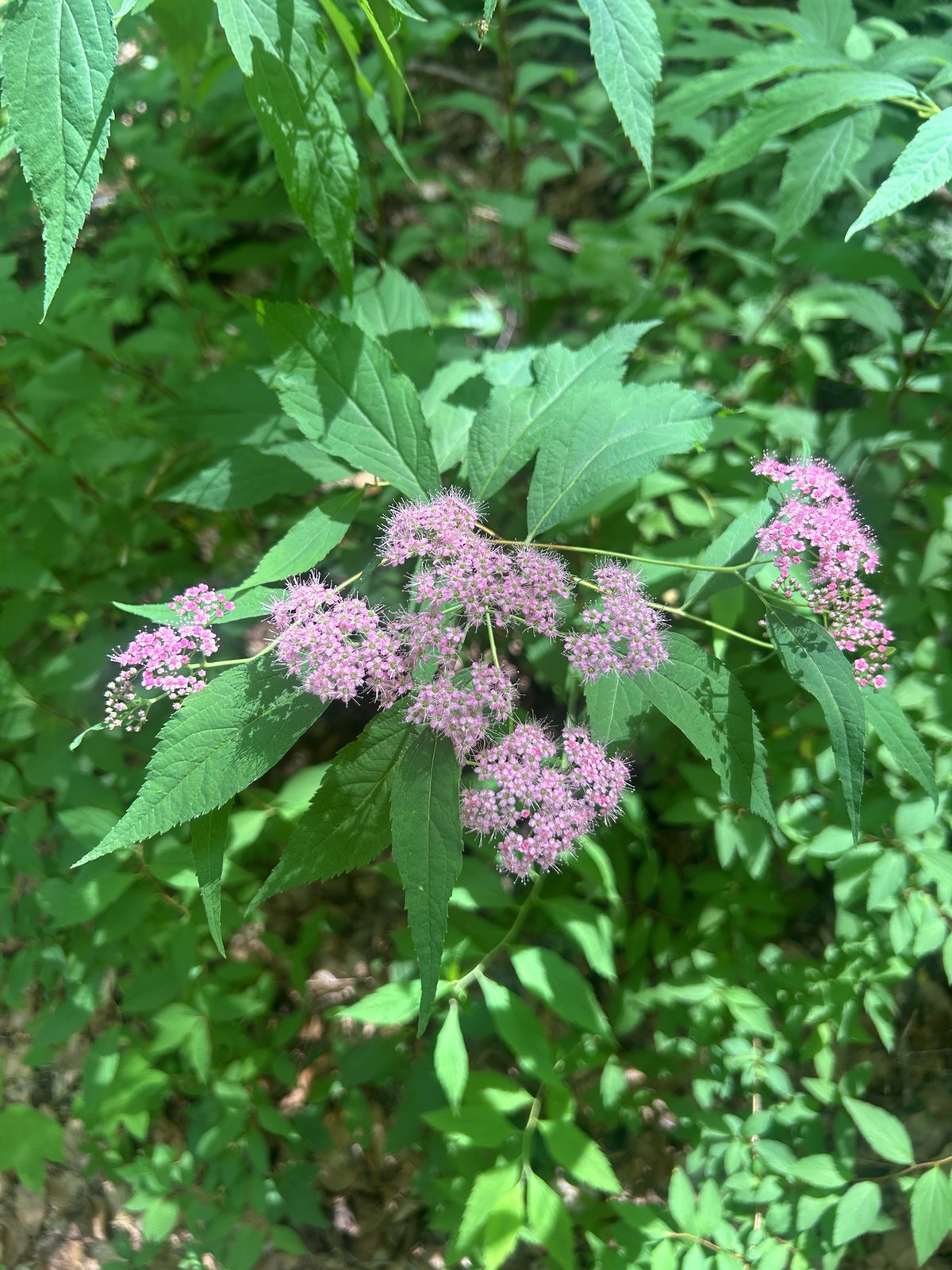
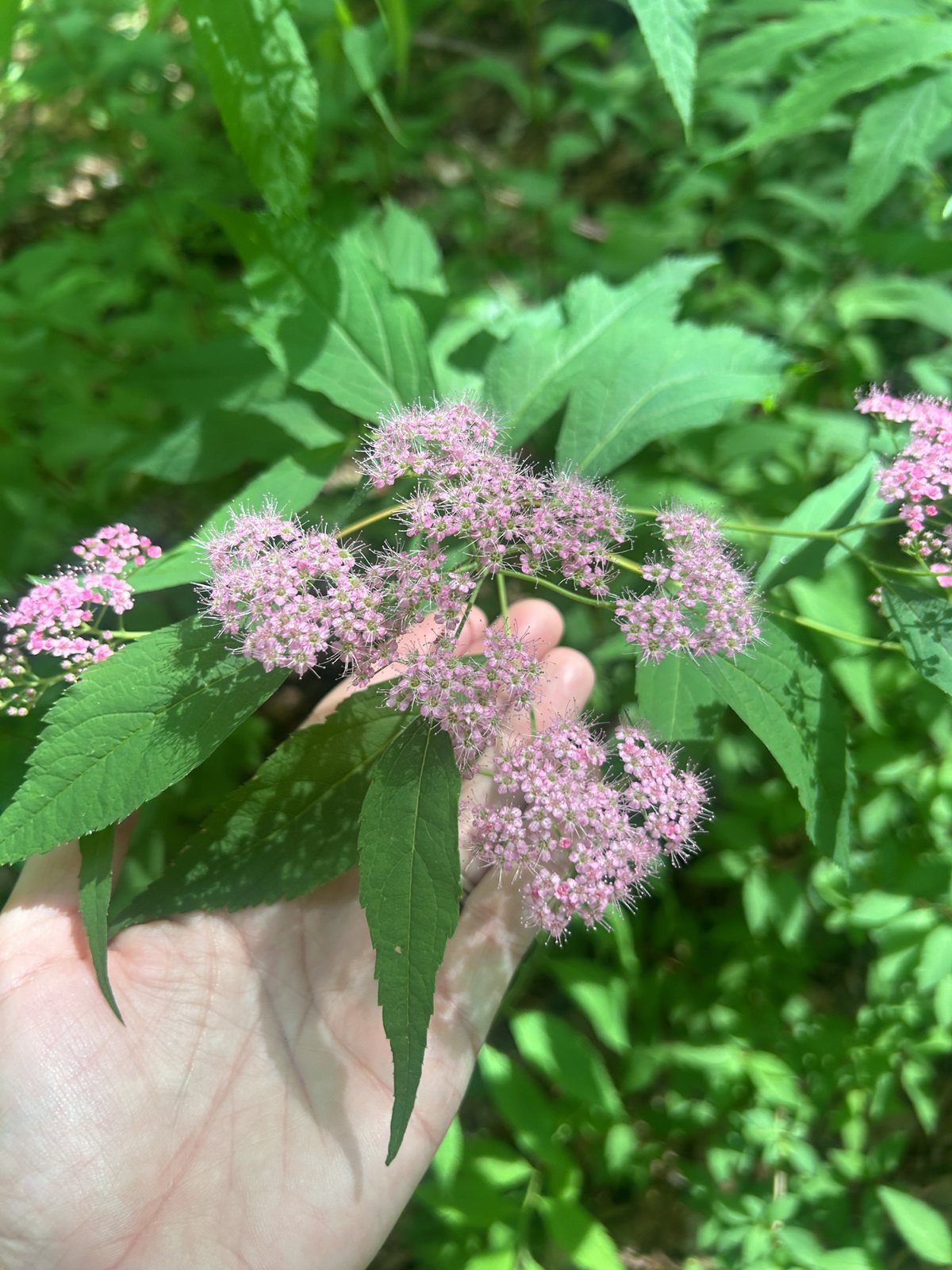
Goldmound spirea is a compact, deciduous shrub grown for its bright yellow leaves, rounded shape and clusters of pink summer flowers. It makes a useful low border or small hedge, but Japanese spirea is invasive in parts of North America, so check local guidance before planting.
At a glance
- Sun
- Full sun to light partial shade; the foliage is brightest and flowering strongest with at least six hours of sun. Light afternoon shade can help prevent leaf scorch in hot climates.
- Water
- Moderate; water regularly while establishing, then during prolonged dry spells. Avoid persistently wet ground.
- Soil
- Average, well-drained soil; tolerates clay if drainage is adequate and grows in mildly acidic to mildly alkaline conditions.
- Height
- 2-3 ft (0.6-0.9 m)
- Spread
- 3-4 ft (0.9-1.2 m)
- Flowers
- Small pink flowers in flat-topped clusters from late spring into summer; light repeat flowering may follow deadheading.
- Foliage
- Small, toothed leaves emerge yellow to bronze-yellow, remain golden in good light and become greener in shade. Autumn colour may include orange and red.
- Growth
- Moderate
- Care needed
- Low
The year at a glance
- Pollinators
- Deer resistant
- Drought tolerant
- Cold hardy
- Low allergen
| J | F | M | A | M | J | J | A | S | O | N | D | |
|---|---|---|---|---|---|---|---|---|---|---|---|---|
| Flowers | ||||||||||||
| Plant |
Northern hemisphere months. In Australia, shift them by six.
- Difficulty
- Easy
- Toughness
- Very tough
Will it suit your garden?
Pick your zone, country, light and whether you have pets.
Full sun is 6 or more hours of direct sun a day, part shade 3 to 6 hours, shade under 3.
How it grows
Planting day
1.6 ft (0.5 m)
After 1 year
1.8 ft (0.55 m)
After 2 years
2 ft (0.6 m)
After 3 years
2.1 ft (0.65 m)
After 5 years
2.5 ft (0.75 m)
full size
About 5 years to full size.
From a typical nursery size, at an average rate for this kind of plant. A rule of thumb, not a forecast.
Good to know
- Cats and dogs
- Safe
- Invasive in
- the US
- In the garden
- Spreads vigorously: plan to contain it.
- Growth rate
- Moderate
Care
Jobs through the year
- WaterApr–May, Sep–Oct, every 14 days
- Water established ground shrubs only during prolonged dry spells; water new shrubs more frequently.
- WaterJun–Aug, every 7 days
- Water established ground shrubs deeply during extended drought; skip when soil remains moist.
- MulchMar–Apr
- Top-dress with compost and maintain 5–8 cm of organic mulch away from stem bases.
- PruneFeb–Mar
- Remove dead stems and shorten growth by one-third; rejuvenate overgrown shrubs to 15–30 cm.
- DeadheadJun–Sep, every 14 days
- Remove faded flower clusters before seeds mature, especially near natural areas.
- Water deeply during the first growing season whenever the upper soil begins to dry.
- Apply 2-3 in (5-8 cm) of organic mulch, keeping it clear of the stem bases.
- Top-dress with compost in spring; avoid heavy feeding, which encourages soft growth.
- Remove spent flower clusters before seeds mature, particularly near natural areas.
- Allow room for its mature width rather than repeatedly shearing it into a tight ball.
Pruning. In late winter or early spring, remove dead or damaged stems and shorten the remaining growth by about one-third; flowers form on new growth. Rejuvenate an overgrown shrub by cutting stems back to 6-12 in (15-30 cm) above ground in early spring.
Through the year
- Late winter
- Remove dead stems and prune before new growth starts.
- Spring
- Plant while conditions are cool, water thoroughly and apply mulch.
- Late spring
- Check young shoots for aphids and rinse small colonies off with water.
- Summer
- Water during extended dry weather and remove faded flowers before seed develops.
- Autumn
- Remove unwanted seedlings and plant new shrubs where the soil remains workable.
- Early winter
- Check that mulch is not piled against the stems and that water drains away from the roots.
In the garden
- Repeat along a sunny path as a loose, low hedge, allowing space for branches to spread.
- Plant in small groups in mixed borders to contrast with dark green or purple foliage.
- Pair with blue or violet flowers for a clear contrast against the yellow leaves.
- Use at the front of a shrub border, with taller flowering shrubs behind it.
Garden styles it suits: Traditional, Cottage garden, English country, Formal, Low-maintenance and Small-space.
Plant it with: Catmint, Hardy geranium, Daylily, Purple coneflower, Salvia and Weigela.
Wildlife: Flowers attract bees and other small pollinating insects. In areas where Japanese spirea is invasive, choose a locally appropriate native shrub instead to avoid displacement of native vegetation.
Problems to watch for
- Aphids can curl young leaves; wash them off with a firm spray of water and preserve ladybirds and other predators.
- Powdery mildew may coat leaves in crowded, poorly ventilated sites; thin congested growth and improve spacing.
- Brown leaf edges can follow drought or intense reflected heat; water deeply and mulch, and consider light afternoon shade in hot regions.
- Sparse flowering and green rather than yellow foliage usually indicate too much shade; move the shrub to a sunnier position during dormancy.
Safety
Not known to be toxic to people, cats, dogs or horses; no part is recognized as poisonous. It is not a food plant, and eating substantial amounts may cause digestive upset.
Where it spreads. Japanese spirea is invasive in parts of the eastern United States, particularly the Mid-Atlantic, Appalachians and Southeast, and is also reported invasive in parts of the Midwest. It can spread by seed into woodland edges, stream corridors and disturbed ground. 'Goldmound' should not be assumed sterile; check local invasive-plant guidance before buying or planting.
Easily confused with
Goldflame spirea (Spiraea japonica 'Goldflame')
New leaves are usually more strongly bronze-red or orange before turning yellow-green; Goldmound generally has a more consistently yellow appearance.
Golden Princess spirea (Spiraea japonica 'Golden Princess')
Another compact, yellow-leaved shrub with pink flowers; appearance overlaps substantially, so a reliable nursery label is the best way to distinguish them.
Gold Mound duranta (Duranta erecta 'Gold Mound')
A frost-tender shrub commonly grown in warm climates, with opposite leaves rather than spirea's alternate leaves; it does not produce spirea's flat-topped pink flower clusters.
The name
Spiraea comes from the Greek word for a wreath, japonica means Japanese, and 'Goldmound' describes the shrub's golden foliage and mounded habit.
Propagation. Take softwood cuttings in late spring or early summer, or root a low branch by layering. Seedlings will not reliably retain the cultivar's foliage colour and compact habit.
Checked against open data
- Accepted botanical name
- Spiraea japonica
- In the US and Canada
- Introduced in Canada and the lower 48 states.
- Native range
- China North-Central, China South-Central, China Southeast, Japan, Myanmar, Taiwan and Tibet.
- Measured
- Average height 138 cm.
Sources: GBIF (CC BY 4.0), USDA PLANTS and Trefle (CC BY 4.0). The care and design notes are LandscapeGPT's own.
See it in your own yard.
Upload a photo of your yard and see it redesigned with plants that suit your climate, each checked against your zone.