Great camas
Camassia leichtlinii. Family Asparagaceae. Bulb.
Also called Large camas, Leichtlin's camas.
Great camas is a bulbous perennial from western North America, grown for tall spikes of star-shaped flowers above grassy leaves. It suits seasonally moist borders and meadow-style planting, flowering after many spring bulbs and dying back in summer.
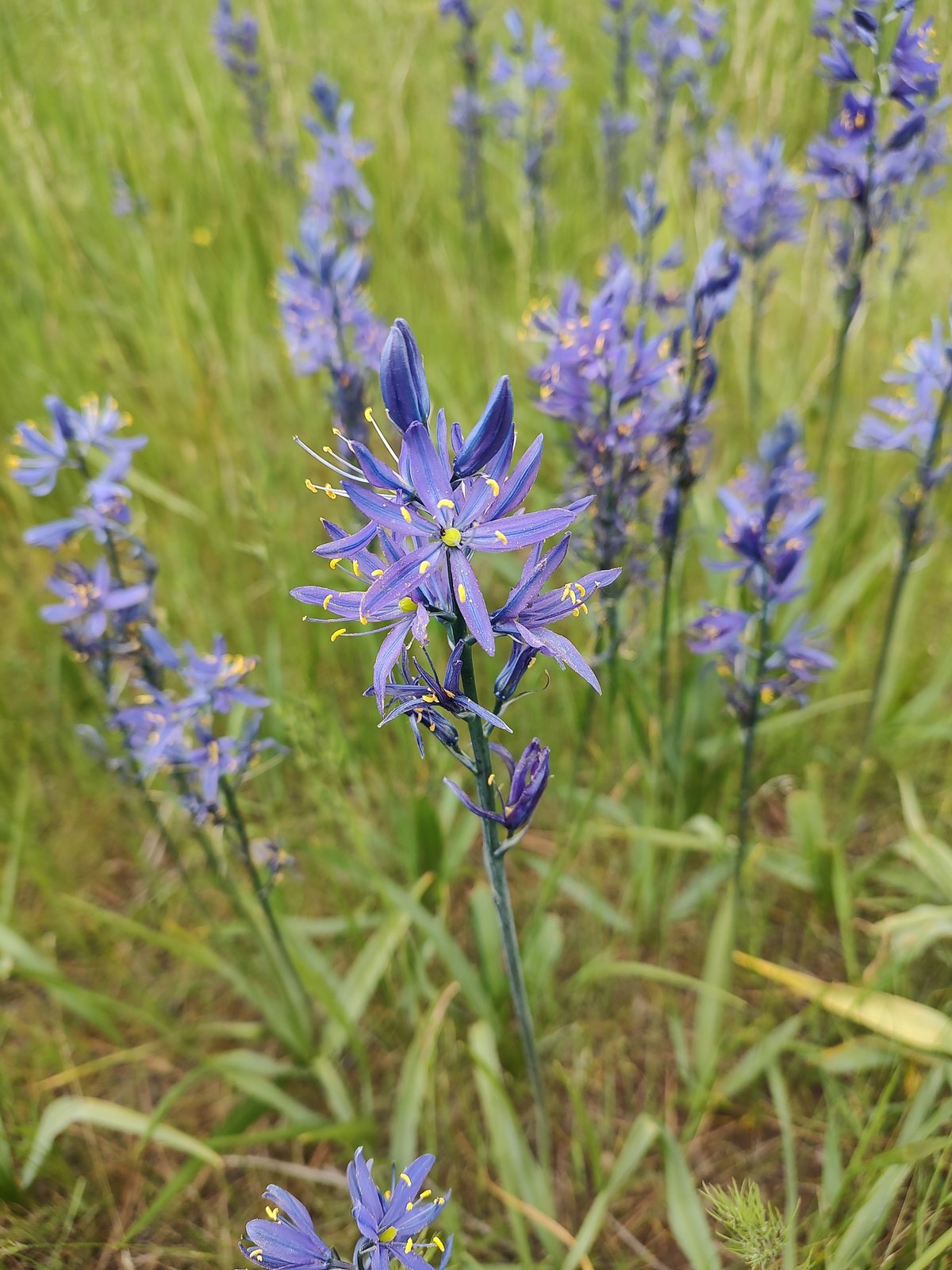
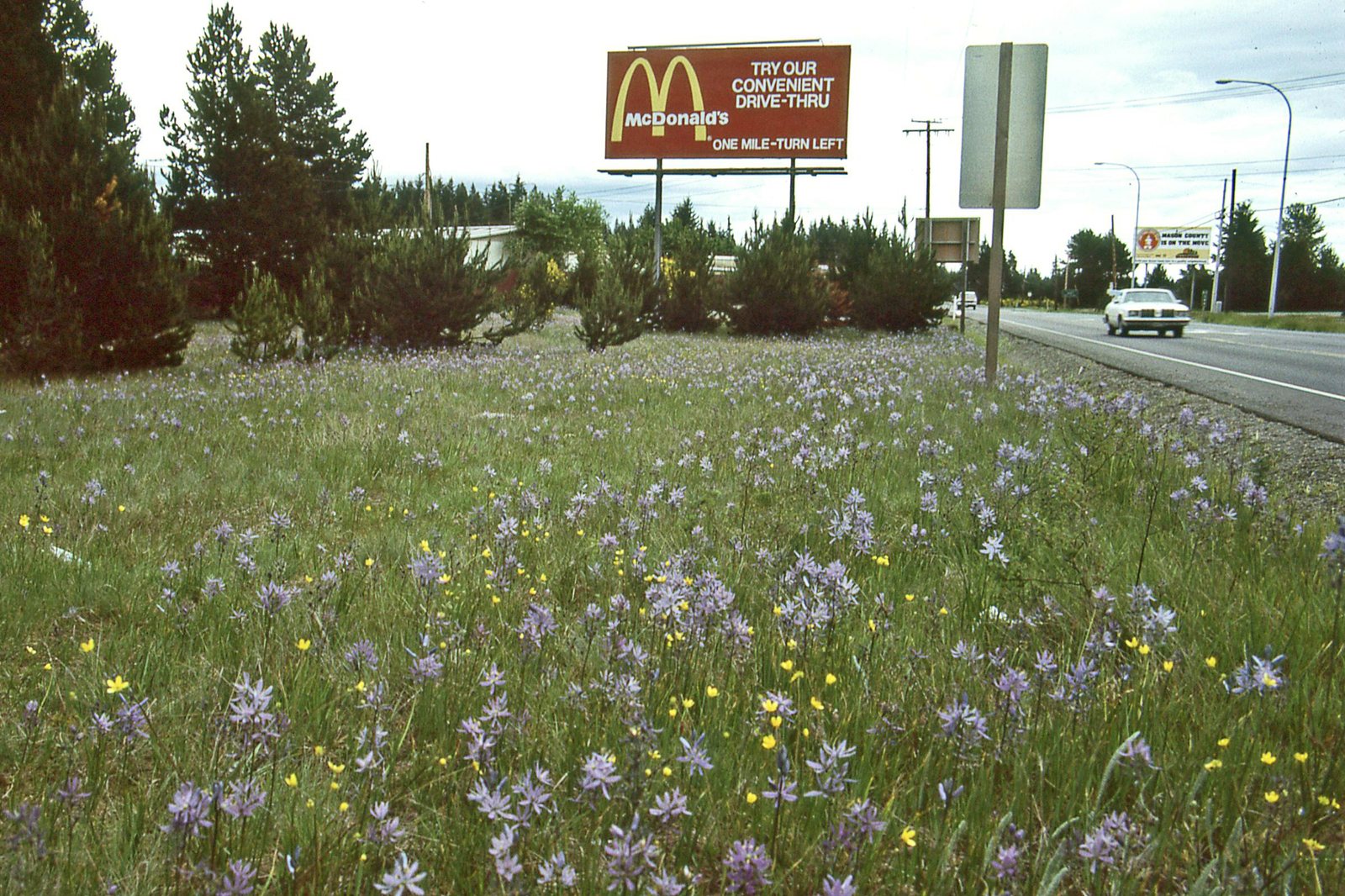
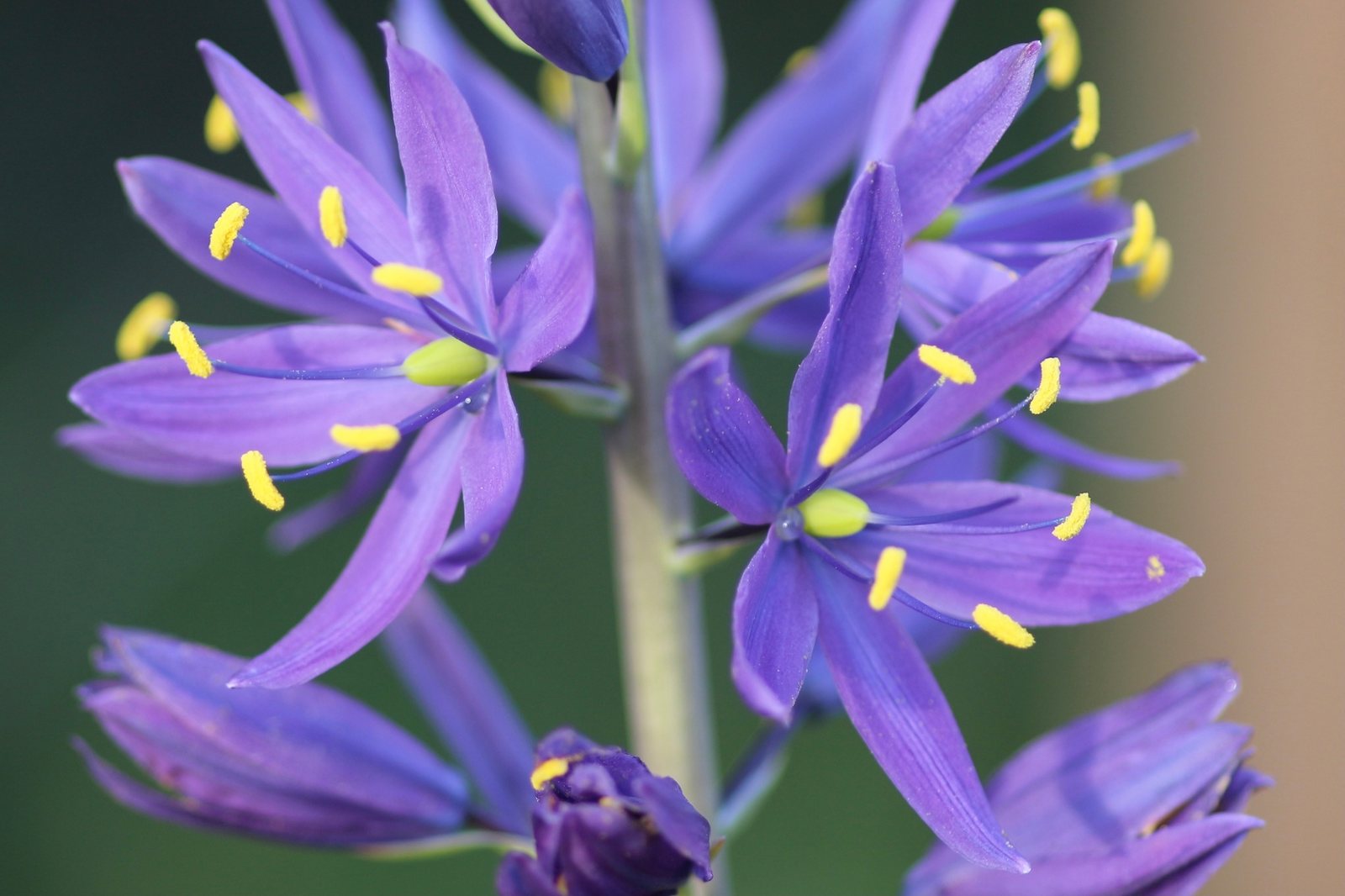
At a glance
- Sun
- Full sun or light partial shade; flowering is usually strongest in sun.
- Water
- Keep the soil moist during spring growth and flowering. Once the leaves die back, reduce watering; avoid prolonged waterlogging.
- Soil
- Humus-rich soil that holds spring moisture but drains freely enough to prevent stagnant conditions. Tolerates clay better than many bulbs, provided it is not permanently waterlogged.
- Height
- 3-4 ft (0.9-1.2 m)
- Spread
- 1-1.5 ft (0.3-0.45 m) per established clump
- Flowers
- Late spring to early summer; blue to violet-blue, with cream or white forms also available. Flowers open progressively up upright spikes.
- Foliage
- Long, narrow, arching green leaves emerge in spring, then yellow and disappear after flowering.
- Growth
- Moderate; bulbs gradually form larger clumps over several years.
- Care needed
- Low
The year at a glance
- Pollinators
- Deer resistant
- Low allergen
| J | F | M | A | M | J | J | A | S | O | N | D | |
|---|---|---|---|---|---|---|---|---|---|---|---|---|
| Flowers | ||||||||||||
| Fruit | ||||||||||||
| Plant |
Northern hemisphere months. In Australia, shift them by six.
- Difficulty
- Easy
- Toughness
- Very tough
Will it suit your garden?
Pick your zone, country, light and whether you have pets.
Full sun is 6 or more hours of direct sun a day, part shade 3 to 6 hours, shade under 3.
How it grows
Planting day
0.5 ft (0.15 m)
After 1 year
3 ft (1.1 m)
full size
About 1 years to full size.
From a typical nursery size, at an average rate for this kind of plant. A rule of thumb, not a forecast.
Good to know
- Cats and dogs
- Mildly toxic: may upset a stomach
- Native to
- the US and Canada
- Growth rate
- Moderate
Care
Jobs through the year
- WaterMar–Apr, every 14 days
- Water established clumps during dry spells to maintain moist, well-drained spring soil.
- WaterMay–Jun, every 7 days
- Water during dry weather while growing and flowering; stop routine watering as leaves die back.
- MulchMar
- Apply a thin compost dressing around emerging shoots; avoid heavy nitrogen feeding.
- ProtectMar–Apr, every 7 days
- Inspect young shoots for slugs and snails and remove pests.
- ProtectApr–May
- Add discreet supports before flowering if stems are exposed to wind or prone to leaning.
- DeadheadJun
- Cut off faded flower spikes, or retain a few for visible seed heads.
- PruneJul
- Remove leaves only once they have completely yellowed and withered.
- DivideJul–Sep
- Divide crowded clumps after foliage dies back and replant bulbs promptly.
- Plant bulbs in autumn, about 4-6 in (10-15 cm) deep and 6-8 in (15-20 cm) apart.
- Water during dry spring weather while leaves and flower stems are growing.
- Apply a thin layer of compost in early spring; avoid heavy nitrogen feeding.
- Leave foliage intact until it has yellowed completely.
- Use discreet supports if flower stems lean in exposed sites or rich soil.
- Divide crowded clumps after the leaves die back, replanting the bulbs promptly.
Pruning. Cut off spent flower spikes unless you want seed. Remove leaves only after they have turned yellow and withered, usually in summer.
Through the year
- Autumn
- Plant bulbs in groups in moisture-retentive soil, avoiding sites with standing water.
- Early spring
- Top-dress with compost and check emerging shoots for slug and snail damage.
- Spring
- Water during dry spells and add discreet supports where stems are exposed to wind.
- Late spring to early summer
- Remove faded flower spikes, or leave a few to develop seed.
- Summer
- Let foliage die back naturally; divide congested clumps once the leaves have withered.
- Late summer
- Keep dormant planting areas free of persistent standing water and avoid unnecessary irrigation.
In the garden
- Plant in loose drifts through meadow grass, delaying mowing until the leaves have died back.
- Thread groups through perennial borders, where later-growing plants hide the fading foliage.
- Use beside a pond or rain garden on moist upper margins, not in permanently submerged soil.
- Combine with alliums and late tulips for contrasting flower shapes in late spring.
- Plant near deciduous trees where spring light reaches the ground and the soil retains moisture.
Garden styles it suits: Cottage garden, Native meadow, New perennial (prairie), Wildlife garden, Blues and silvers and Pacific Northwest woodland.
Plant it with: Siberian iris, Avens, Hardy geraniums, Lady's mantle, Ornamental alliums and Tufted hair grass.
Wildlife: Flowers provide pollen and nectar for bees and other visiting insects. Meadow plantings can also provide shelter for small invertebrates if mowing is delayed.
Problems to watch for
- Slugs and snails can damage young shoots: inspect at dusk, remove pests and use wildlife-conscious controls where necessary.
- Bulb rot in stagnant, waterlogged soil: improve drainage or move bulbs to a site that is moist in spring but not permanently saturated.
- Poor flowering from shade, crowding or early leaf removal: provide more light, divide congested clumps and let leaves yellow naturally.
- Flopping flower stems in exposed positions or overfed soil: avoid excessive fertiliser and add unobtrusive supports before flowering.
Safety
Not known to be toxic to cats, dogs, horses or people. The bulbs have a traditional food use after prolonged cooking, but raw or inadequately cooked bulbs can cause digestive upset. Do not eat garden bulbs: highly poisonous death camas can be mistaken for camas, especially when neither is flowering.
Easily confused with
Common camas (Camassia quamash)
Usually shorter, though sizes overlap. Great camas typically has more regularly symmetrical flowers, and its fading flower segments twist together over the developing seed capsule.
Meadow death camas (Toxicoscordion venenosum)
Has cream to greenish-white flowers with conspicuous yellow-green glands near the bases of the flower segments. Leaves and bulbs can resemble camas closely;
Spanish bluebell (Hyacinthoides hispanica)
Has hanging, bell-shaped flowers rather than the open, star-shaped flowers of great camas.
The name
The species name leichtlinii honours the German horticulturist Max Leichtlin.
Propagation. Separate offsets from established clumps after the foliage dies back and replant promptly. Seed can be sown fresh in pots outdoors, but seedlings usually take several years to flower and named forms may not come true.
Checked against open data
- Accepted botanical name
- Camassia leichtlinii
- In the US and Canada
- Native in Canada and the lower 48 states.
- Native range
- British Columbia, California, Oregon and Washington.
Sources: GBIF (CC BY 4.0), USDA PLANTS and Trefle (CC BY 4.0). The care and design notes are LandscapeGPT's own.
See it in your own yard.
Upload a photo of your yard and see it redesigned with plants that suit your climate, each checked against your zone.