Green Giant arborvitae
Thuja 'Green Giant'. Family Cupressaceae. Tree.
Also called Green Giant thuja, Thuja 'Green Giant', Thuja standishii × Thuja plicata 'Green Giant'.
This fast-growing evergreen is a hybrid between Japanese and western red cedar, with a dense, broadly pyramidal shape. Gardeners grow it for tall privacy screens, windbreaks and a year-round green backdrop, but it needs considerably more space than a small hedge.
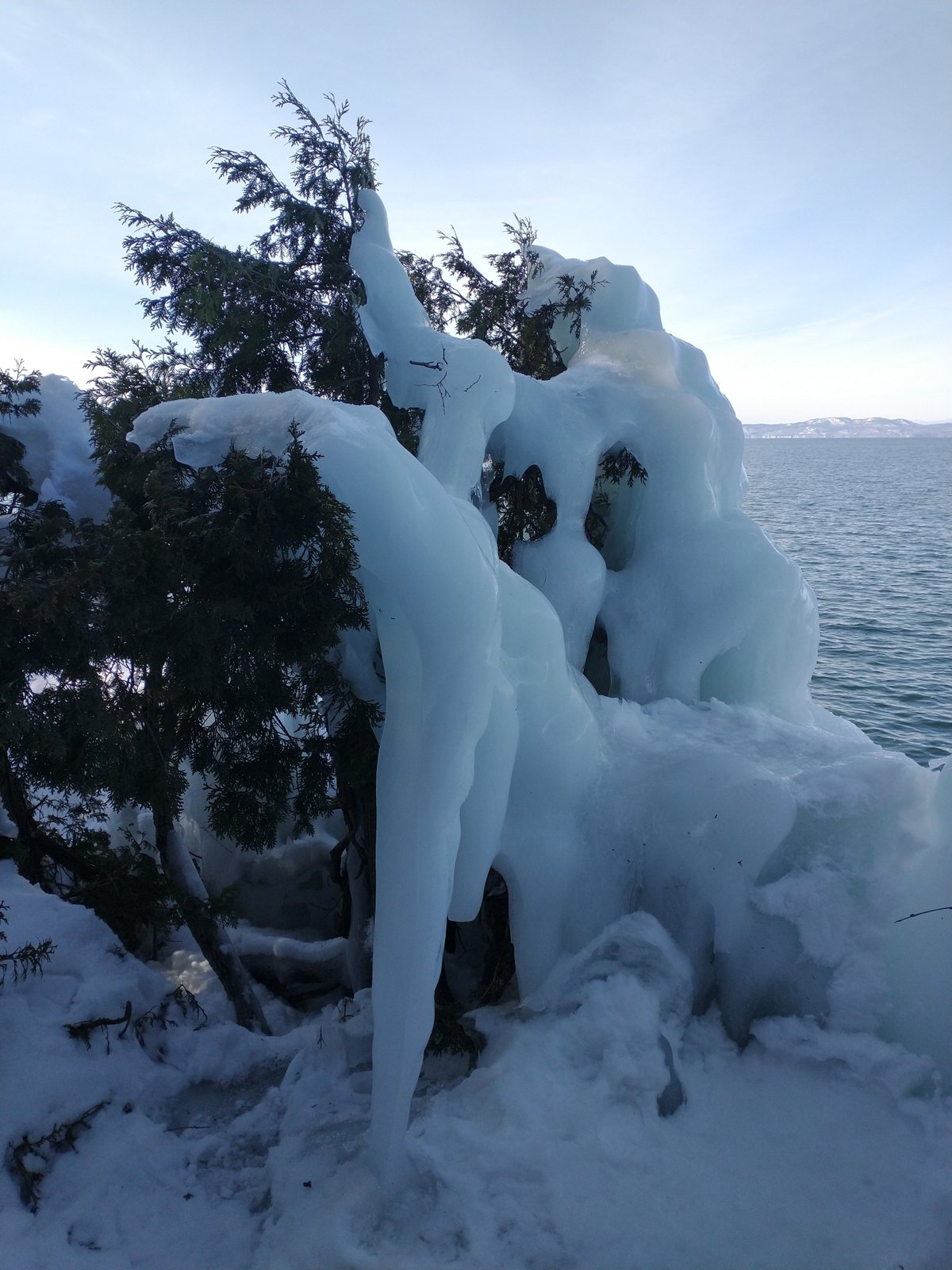
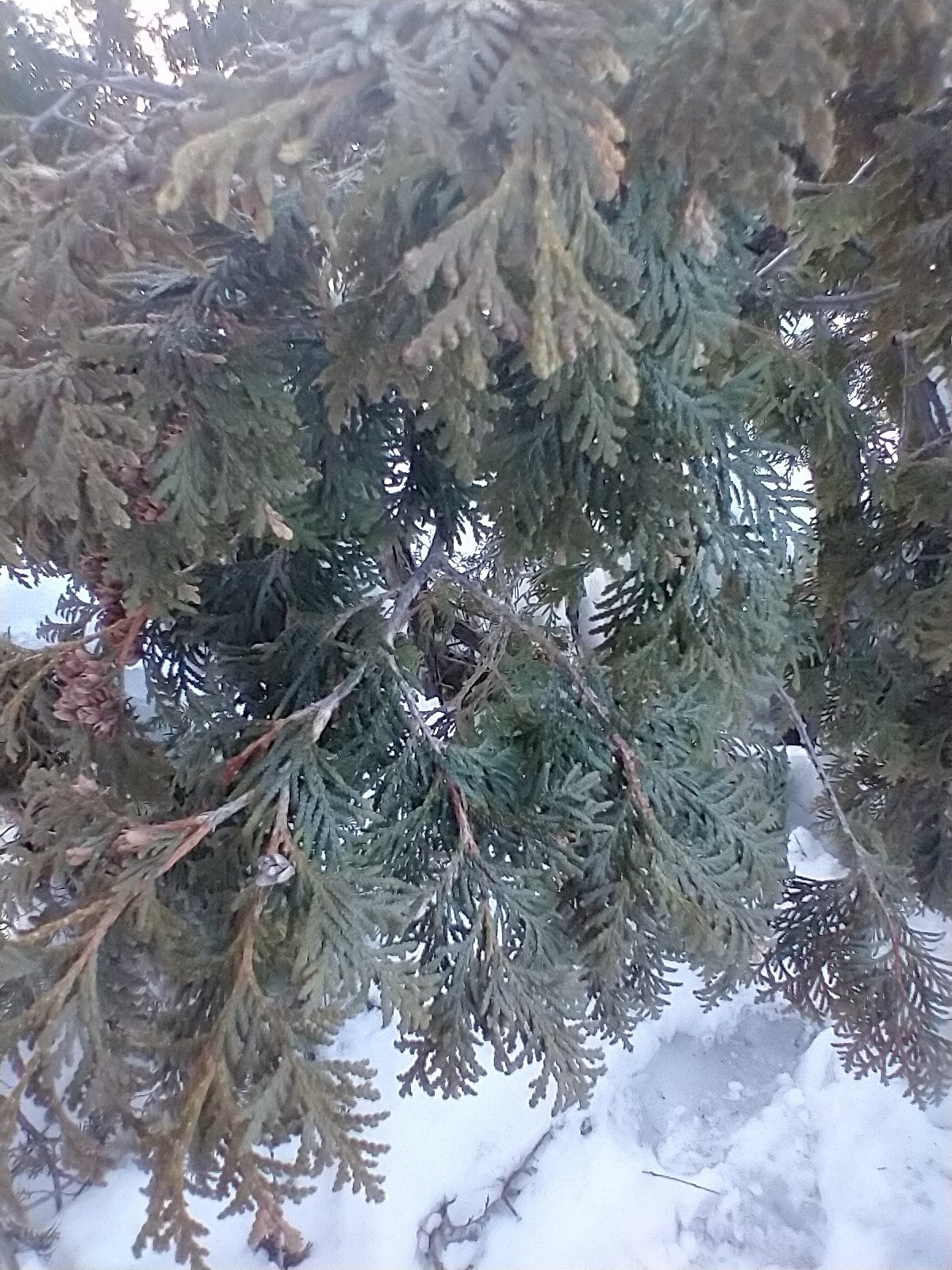
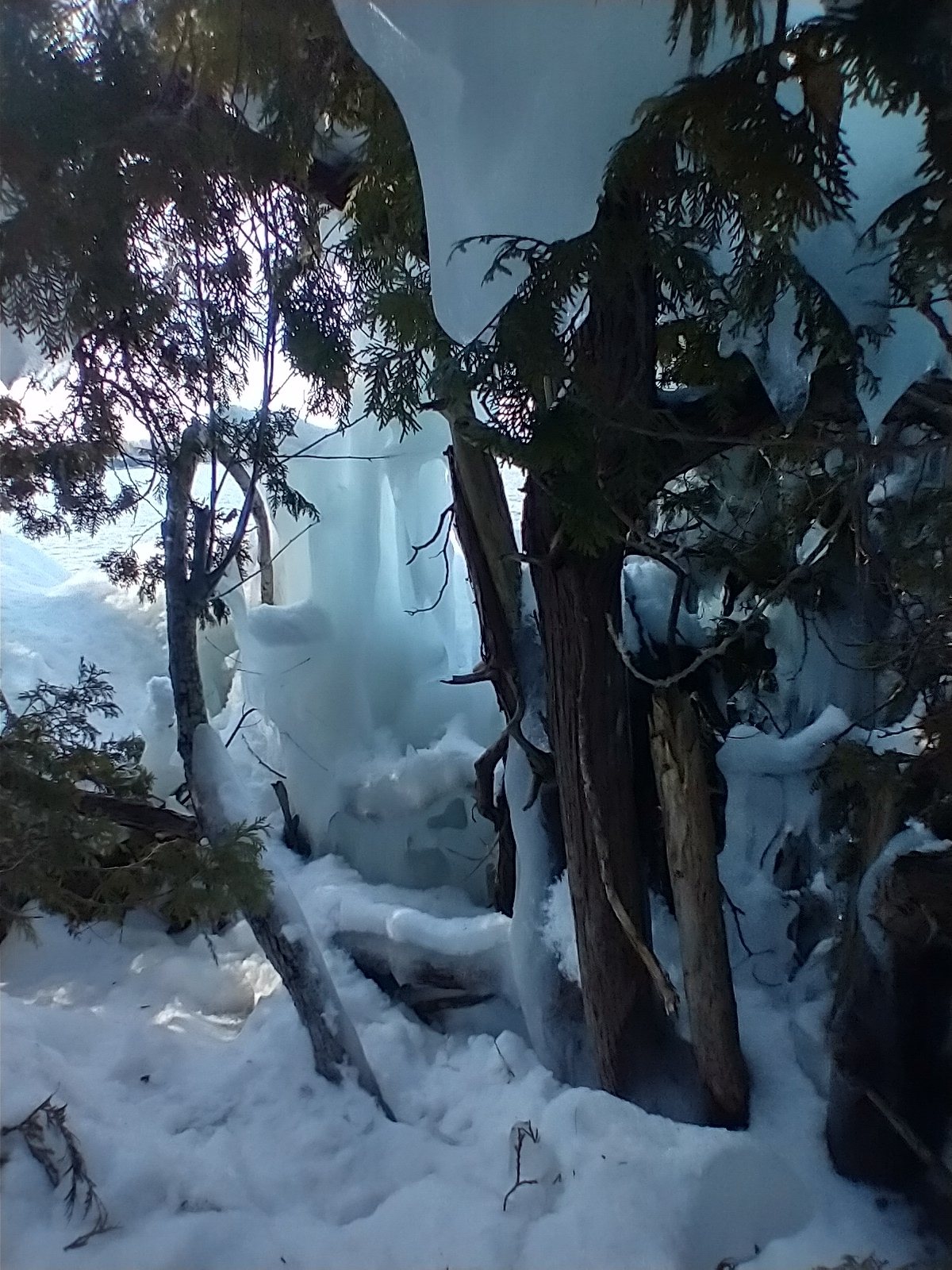
At a glance
- Sun
- Full sun to partial shade; growth is densest with at least six hours of direct sun.
- Water
- Keep the root zone evenly moist while establishing. Established trees tolerate brief dry spells, but need deep watering during prolonged drought, especially in hot or windy sites.
- Soil
- Moist, well-drained loam, clay or sandy soil; tolerates a broad pH range. Avoid persistently waterlogged ground and very dry, shallow soil.
- Height
- 40-60 ft (12-18 m)
- Spread
- 12-20 ft (3.7-6 m)
- Foliage
- Evergreen. Glossy green, scale-like leaves in flattened sprays, with a cedar-like scent when crushed; usually holds its green colour well through winter.
- Growth
- Fast; young, established trees may add 2-3 ft (0.6-0.9 m) a year in favourable conditions.
- Care needed
- Low
The year at a glance
- Deer resistant
- Wildlife
| J | F | M | A | M | J | J | A | S | O | N | D | |
|---|---|---|---|---|---|---|---|---|---|---|---|---|
| Plant |
Northern hemisphere months. In Australia, shift them by six.
- Difficulty
- Easy
- Toughness
- Very tough
Will it suit your garden?
Pick your zone, country, light and whether you have pets.
Full sun is 6 or more hours of direct sun a day, part shade 3 to 6 hours, shade under 3.
How it grows
Planting day
7 ft (2 m)
After 1 year
10 ft (3 m)
After 2 years
13 ft (4 m)
After 3 years
16 ft (5 m)
After 5 years
23 ft (7 m)
About 13 years to full size.
From a typical nursery size, at an average rate for this kind of plant. A rule of thumb, not a forecast.
Good to know
- Cats and dogs
- Toxic
- Growth rate
- Fast
Care
Jobs through the year
- WaterApr–May, Sep–Nov, every 14 days
- Water established trees deeply only if soil is dry and unfrozen; check young root balls more often.
- WaterJun–Aug, every 7 days
- Check established trees and water deeply during prolonged drought; young trees need more frequent watering.
- MulchMar–Apr
- Maintain 5–8 cm of organic mulch over the roots, keeping the trunk clear.
- FeedApr
- Feed only if growth is weak or a soil test identifies a deficiency.
- PruneMar
- Remove dead or broken branches after winter.
- PruneMay–Jun
- Trim green shoots only if maintaining a screen; keep the base wider and never cut into bare brown wood.
- ProtectNov–Dec
- Shelter newly planted trees from drying winter winds on exposed sites.
- Plant with the root flare at soil level and water the whole root ball thoroughly.
- Water deeply whenever the root ball begins to dry during the first two growing seasons; check beneath the surface rather than watering by a fixed schedule.
- Spread 2-3 in (5-8 cm) of organic mulch over the root zone, keeping it clear of the trunk.
- Feed in spring only if growth is weak or a soil test indicates a deficiency; avoid heavy nitrogen feeding.
- For an informal screen, space trees about 8-12 ft (2.4-3.7 m) apart and allow room for their eventual width.
- Stake only if the root ball moves in wind, using flexible ties and removing supports after establishment.
Pruning. Leave unpruned for its natural shape, or lightly trim green shoots in late spring or early summer to maintain a screen. Do not cut into bare brown wood, which usually does not regrow, or repeatedly top a tree that is too large for its site.
Through the year
- Early spring
- Check for winter damage and remove dead or broken branches.
- Spring
- Plant where winters are severe; water thoroughly and mulch the root zone.
- Late spring
- Lightly trim a managed screen, keeping its base wider than its top.
- Summer
- Check soil moisture during dry weather and inspect browning foliage for mites or bagworms.
- Autumn
- Plant in mild climates while soil remains warm; some shedding of older inner foliage is normal.
- Late autumn
- Water before the ground freezes if autumn has been dry, and check that mulch is not touching the trunk.
In the garden
- Create a tall, informal boundary screen where there is room for the trees to broaden naturally.
- Plant a staggered row as a windbreak, allowing enough space for air circulation and mature growth.
- Use as a dark evergreen backdrop to flowering shrubs, hydrangeas and herbaceous borders.
- Frame a long drive or broad garden axis with widely spaced trees for a formal, repeated structure.
Garden styles it suits: Formal, Traditional, Grand estate, Green on green, Winter interest and Pacific Northwest woodland.
Plant it with: Panicle hydrangea, Japanese spirea, Purple coneflower, Switchgrass, Hosta and Christmas fern.
Wildlife: Dense branches provide shelter and potential nesting cover for birds. It is often less attractive to deer than eastern arborvitae, but hungry deer can still browse it.
Problems to watch for
- Bagworms, particularly in North America: remove and destroy hanging bags before eggs hatch; treat young feeding larvae with an appropriately labelled product if necessary.
- Spider mites: inspect stippled or bronzing foliage, rinse small trees with a firm water spray and avoid drought stress; use a labelled treatment if an infestation persists.
- Root rot in waterlogged soil: improve drainage before planting and avoid frequent watering of already wet ground; badly affected trees may need replacing.
- Drought scorch or winter drying: water deeply during dry periods, maintain mulch and protect newly planted trees from exposed, drying winds.
Safety
Cultivar-specific poisoning information is limited. Treat the foliage, twigs and especially concentrated leaf oils as potentially toxic to people, cats, dogs and horses if eaten. Ingestion may cause digestive upset; concentrated oils or substantial quantities may cause more serious poisoning. Sap or foliage can also irritate sensitive skin. Seek medical or veterinary advice after significant ingestion.
Easily confused with
Emerald Green arborvitae (Thuja occidentalis 'Smaragd')
Much narrower, slower-growing and usually smaller, with a tight columnar outline rather than Green Giant's broad pyramid.
Western red cedar (Thuja plicata)
One of Green Giant's parents and difficult to distinguish when young; mature trees can become much larger and often have more conspicuously drooping branch tips.
Leyland cypress (Cupressus × leylandii)
Usually has finer, less distinctly flattened foliage sprays and round, woody cones; Green Giant has small, elongated cones.
The name
Arborvitae means 'tree of life' in Latin, while 'Green Giant' refers to this cultivar's vigorous growth and large evergreen form.
Propagation. Root semi-ripe cuttings in late summer under humid conditions in a free-draining medium. Cuttings preserve the cultivar; seedlings, if produced, will not reliably resemble 'Green Giant'.
Checked against open data
- Accepted botanical name
- Thuja
Sources: GBIF (CC BY 4.0). The care and design notes are LandscapeGPT's own.
See it in your own yard.
Upload a photo of your yard and see it redesigned with plants that suit your climate, each checked against your zone.