Griselinia
Griselinia littoralis. Family Griseliniaceae. Shrub.
Also called New Zealand broadleaf, Broadleaf, Kāpuka.
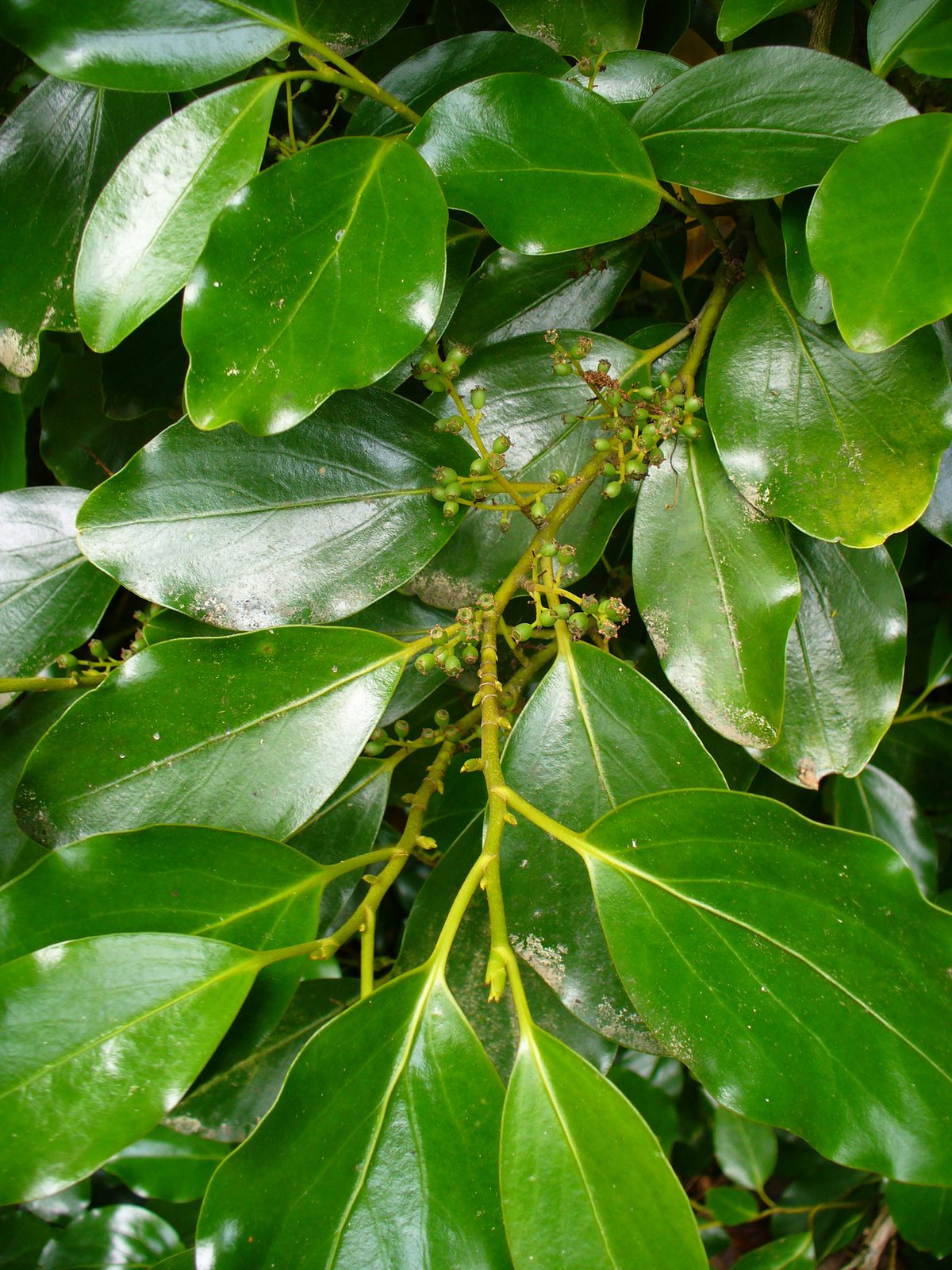
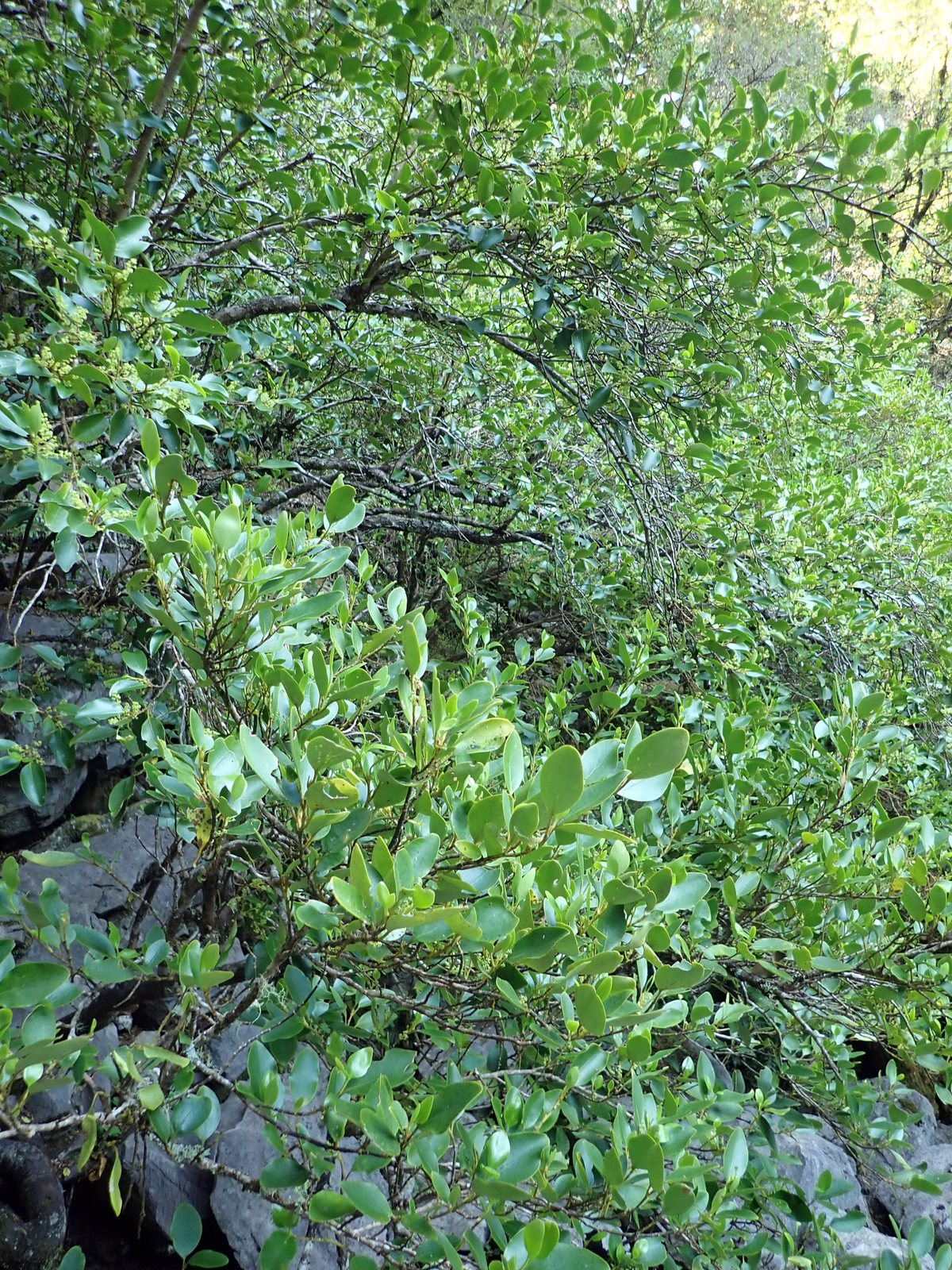
Griselinia is a New Zealand evergreen shrub or small tree grown for its thick, glossy, apple-green leaves and dense screening. It makes a useful clipped hedge in mild coastal gardens, tolerating salt-laden wind better than severe frost or waterlogged soil.
At a glance
- Sun
- Full sun or partial shade; protect from cold, drying winds near its hardiness limit.
- Water
- Water regularly while establishing; once rooted, water during prolonged dry spells. Avoid persistently wet soil.
- Soil
- Well-drained soil, including sandy or loamy ground; tolerates acidic, neutral and alkaline conditions.
- Height
- 13-26 ft (4-8 m) unpruned; commonly maintained as a 5-10 ft (1.5-3 m) hedge
- Spread
- 8-16 ft (2.5-5 m) unpruned
- Flowers
- Small, inconspicuous yellow-green flowers in spring; male and female flowers grow on separate plants.
- Foliage
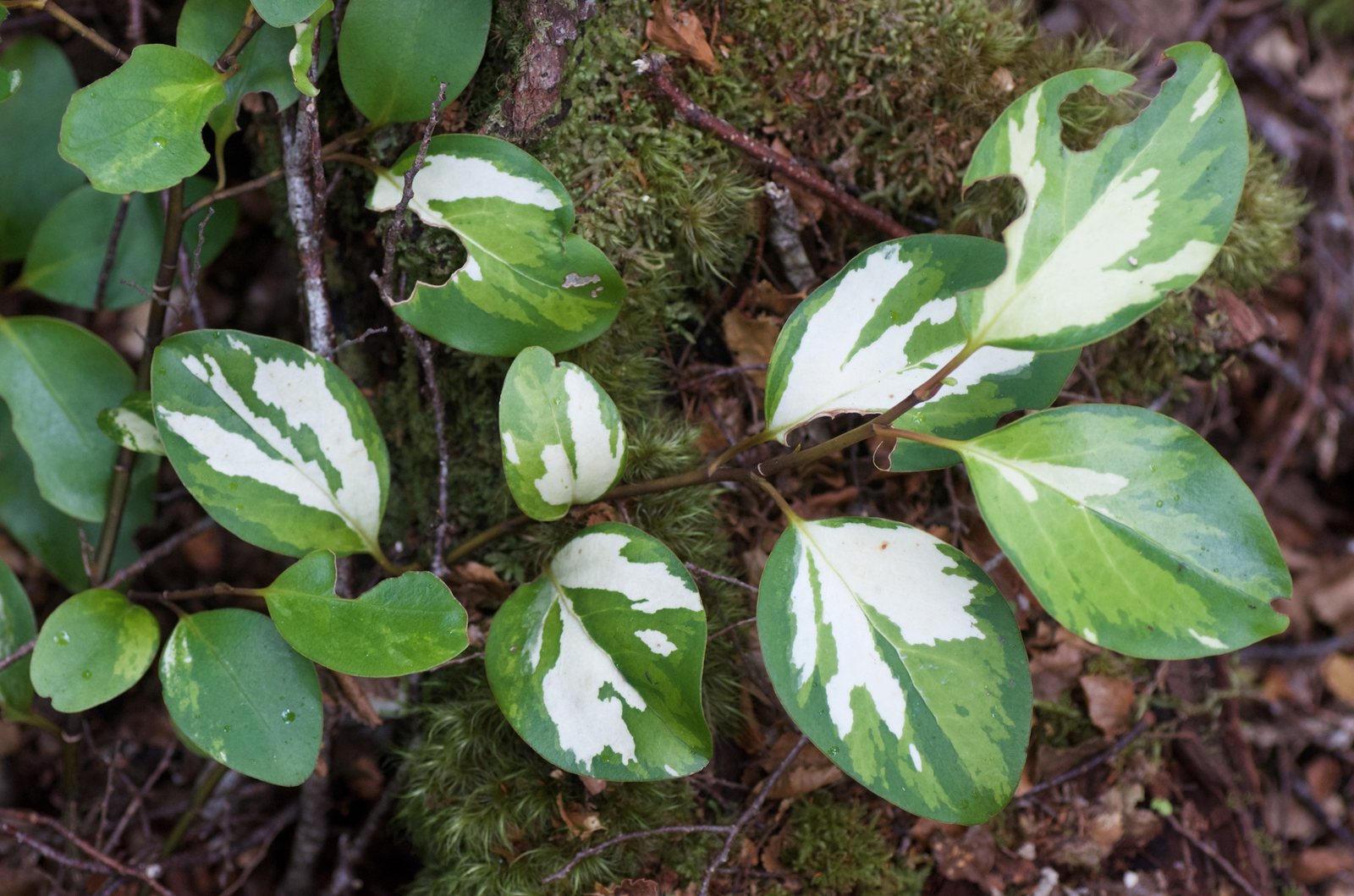
- Evergreen. Broad, leathery, glossy apple-green leaves with slightly uneven bases; foliage remains year-round.
- Growth
- Moderate to fast in mild conditions with adequate moisture.
- Care needed
- Low
The year at a glance
- Drought tolerant
- Heat tolerant
- Wildlife
| J | F | M | A | M | J | J | A | S | O | N | D | |
|---|---|---|---|---|---|---|---|---|---|---|---|---|
| Flowers | ||||||||||||
| Fruit | ||||||||||||
| Plant |
Northern hemisphere months. In Australia, shift them by six.
- Difficulty
- Moderate
- Toughness
- Fairly tough
Will it suit your garden?
Pick your zone, country, light and whether you have pets.
Full sun is 6 or more hours of direct sun a day, part shade 3 to 6 hours, shade under 3.
How it grows
Planting day
2.4 ft (0.72 m)
After 1 year
7 ft (2 m)
After 2 years
11 ft (3.4 m)
After 3 years
15 ft (4.7 m)
After 5 years
20 ft (6 m)
full size
About 4 years to full size.
From a typical nursery size, at an average rate for this kind of plant. A rule of thumb, not a forecast.
Good to know
- Cats and dogs
- Safe
- Growth rate
- Fast
Care
Jobs through the year
- WaterApr–May, Sep–Oct, every 21 days
- Water established shrubs deeply only if soil is dry; young plants need more for two seasons.
- WaterJun–Aug, every 14 days
- Water established shrubs during prolonged dry spells; avoid saturated soil.
- MulchApr
- Apply 5–8 cm of organic mulch, keeping stems clear.
- FeedApr
- Apply balanced slow-release fertilizer only if growth is weak or soil is poor.
- PruneMay–Jun
- Clip hedges after the spring flush and remove frost damage once new growth shows.
- PruneJul
- Give formal hedges a light second trim only if needed; check for nesting birds.
- ProtectJan–Mar, Nov–Dec
- Shelter from frost and drying winds; not reliably hardy outdoors in zone 6–7.
- Water deeply during dry weather for the first two growing seasons.
- Spread a 2-3 in (5-8 cm) organic mulch over the root area, keeping it clear of the stems.
- Apply a balanced slow-release fertiliser in spring if growth is weak or the soil is poor.
- Improve drainage before planting; do not leave roots sitting in saturated soil.
- Protect newly planted shrubs from severe frost and cold, drying winds.
Pruning. Trim hedges in late spring after the main flush of growth, with a light second trim in midsummer if needed; keep the base wider than the top. Remove frost-damaged shoots after new growth starts, and avoid late-season clipping that encourages tender shoots.
Through the year
- Spring
- Plant once the soil is workable and the risk of severe frost has passed, especially in cooler districts.
- Spring
- Refresh mulch and feed lightly if growth is weak.
- Late spring
- Clip hedges and remove dead or frost-damaged shoots once healthy growth is visible.
- Summer
- Water young plants deeply during dry spells; check that water reaches the rootball.
- Midsummer
- Give formal hedges a light second trim if necessary.
- Late summer
- Take semi-ripe cuttings from healthy, non-flowering shoots.
- Winter
- Check drainage and protect young plants during unusually severe cold.
In the garden
- Clip into a dense boundary hedge for privacy in mild coastal gardens.
- Use as a green backdrop to flowering shrubs and perennial borders.
- Plant as an informal coastal windbreak, allowing enough room for its natural width.
- Train as a small evergreen tree to provide year-round structure in a sheltered courtyard.
Garden styles it suits: Coastal, Modern, Formal, Green on green, Low-maintenance and Modern courtyard.
Plant it with: New Zealand flax, Pittosporum, Hebe, Agapanthus, Lavender and Escallonia.
Wildlife: Dense growth provides shelter and potential nesting cover for birds. Female plants can produce purple-black fruits when a male plant is nearby, and birds may eat these.
Problems to watch for
- Root rot in waterlogged soil: improve drainage or move the plant to a better-drained site; severely affected plants may need replacing.
- Frost scorch and shoot dieback: wait until spring growth reveals the damage, then prune back to healthy wood.
- Drought stress and leaf drop: soak the root area thoroughly and mulch, particularly around young hedges.
- Scale insects: inspect stems and leaf undersides; remove small infestations by hand or use a labelled horticultural oil when conditions are suitable.
Safety
Not known to be toxic to people, cats, dogs or horses. No particular plant part is recognised as poisonous, but it is not an edible garden plant and ingestion may cause stomach upset.
Easily confused with
Chilean griselinia (Griselinia lucida)
Has much larger, very glossy leaves with conspicuously unequal sides at the base; it is generally less cold-hardy.
Kohuhu (Pittosporum tenuifolium)
Usually has smaller, thinner, often wavy-edged leaves on dark, nearly black young stems.
Japanese spindle (Euonymus japonicus)
Has opposite leaves with finely toothed edges; griselinia has alternate leaves with smooth edges.
The name
Griselinia honours the Venetian naturalist Francesco Griselini, while littoralis means 'of the seashore'.
Propagation. Take semi-ripe cuttings in late summer and root in a free-draining medium with gentle humidity. Fresh seed can also be sown, but seedlings vary and fruit requires a female plant with a male nearby.
Checked against open data
- Accepted botanical name
- Griselinia littoralis
- Native range
- New Zealand North and New Zealand South.
- Measured
- Average height 470 cm.
Sources: GBIF (CC BY 4.0) and Trefle (CC BY 4.0). The care and design notes are LandscapeGPT's own.
See it in your own yard.
Upload a photo of your yard and see it redesigned with plants that suit your climate, each checked against your zone.