Gumpo White azalea
Rhododendron 'Gumpo White'. Family Ericaceae. Shrub.
Also called White Gumpo azalea, Gumpo White Satsuki azalea.
Gumpo White is a slow-growing, dwarf evergreen azalea with a low, rounded habit and large, ruffled white flowers. It blooms later than many azaleas and suits small gardens, containers and the front of lightly shaded borders.
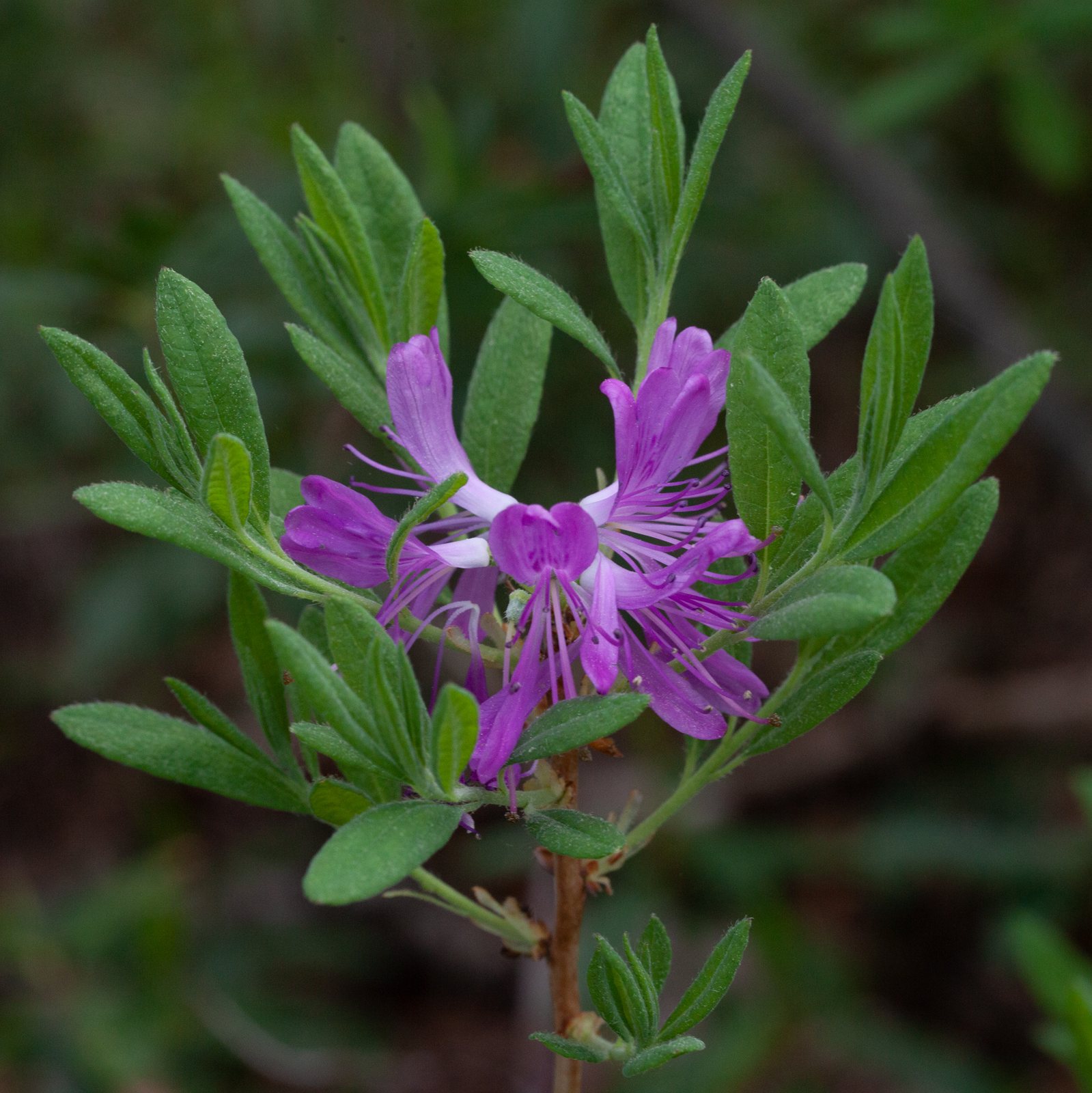
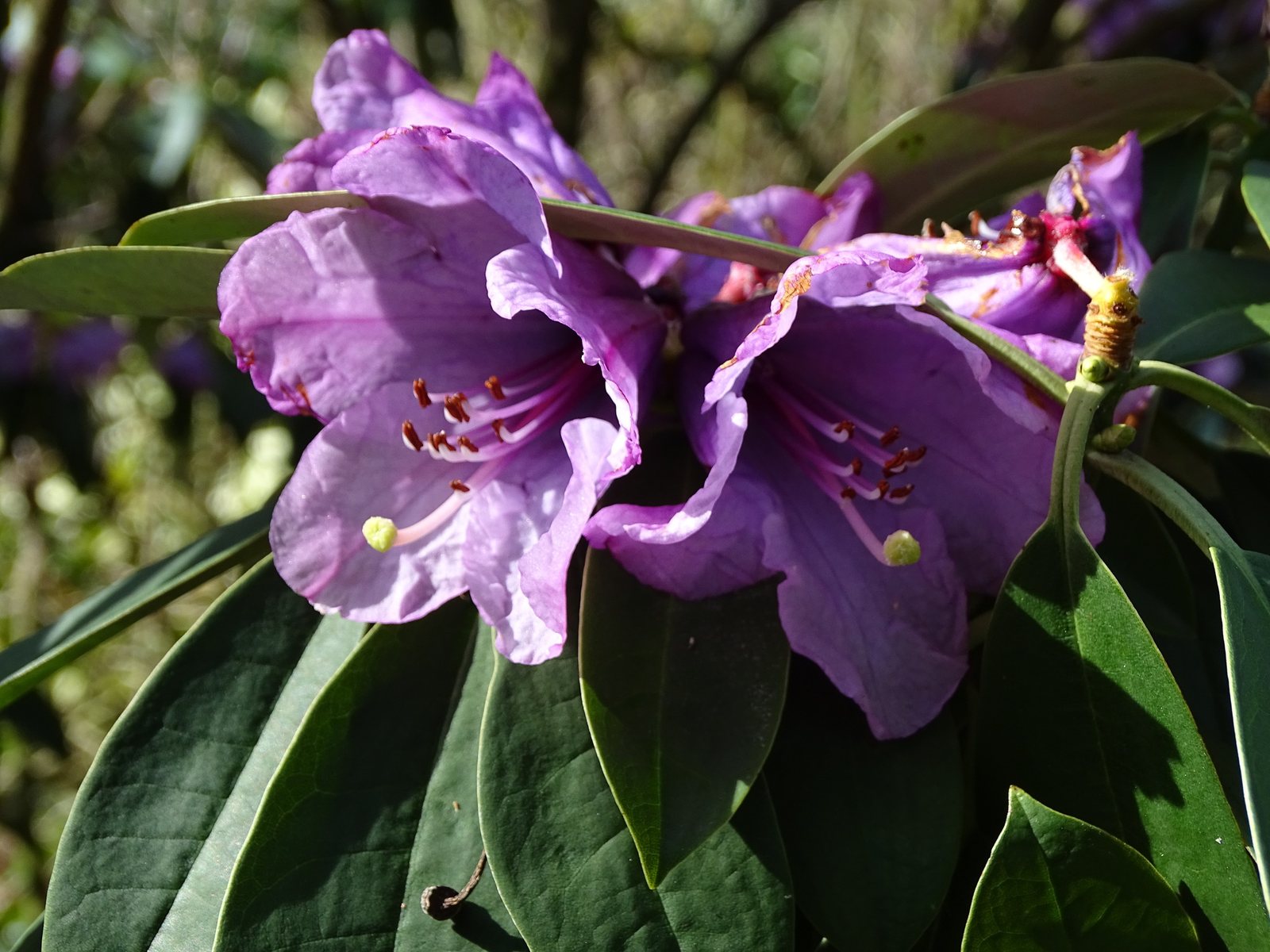
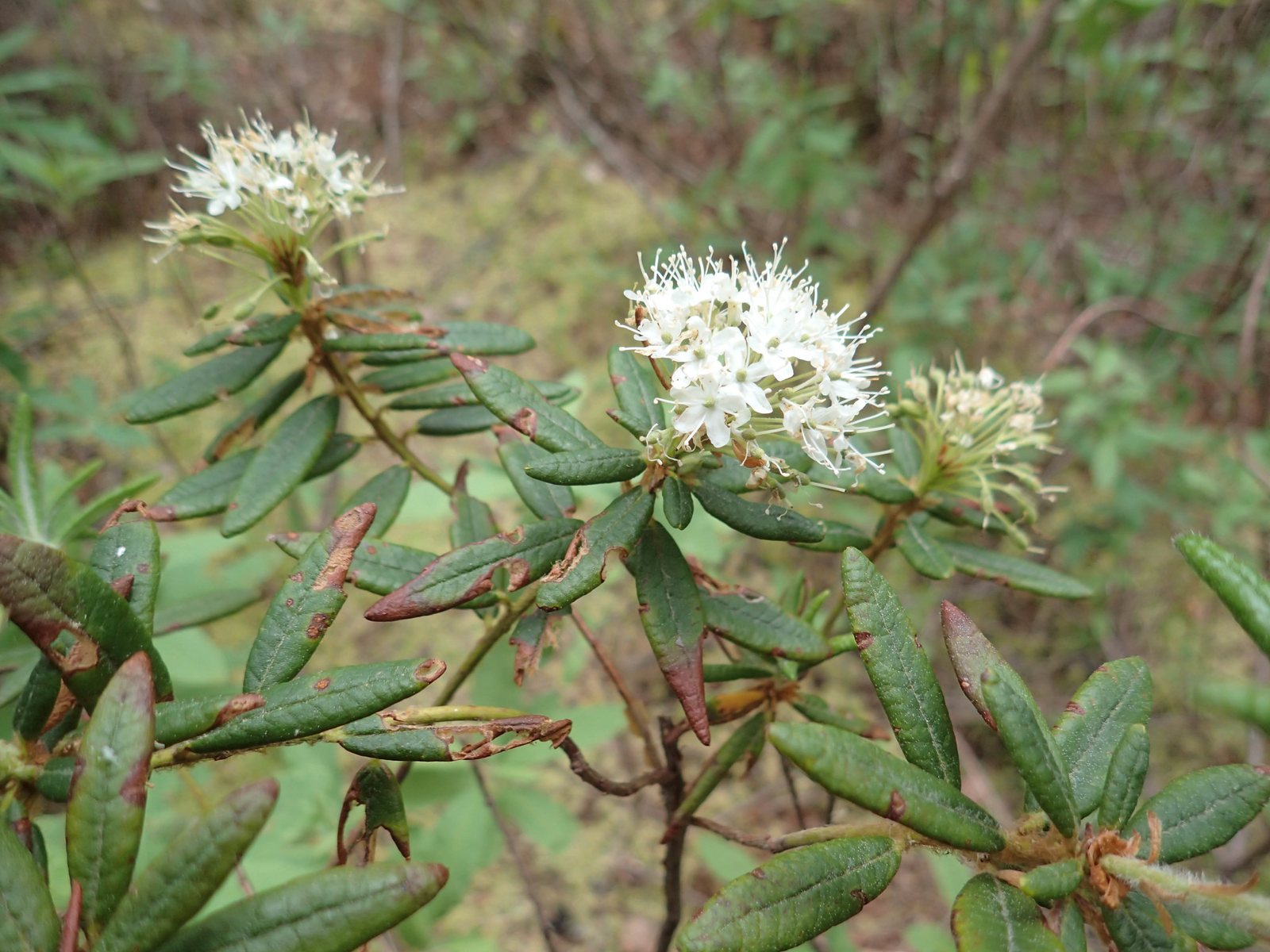
At a glance
- Sun
- Partial shade, ideally morning sun and afternoon shade. Avoid hot reflected sun and exposed, drying sites.
- Water
- Keep the root zone evenly moist but never waterlogged. Water during dry spells, including winter dry spells when the ground is not frozen.
- Soil
- Acidic, humus-rich, well-drained soil, ideally pH 4.5-6.0. Use ericaceous potting mix in containers where garden soil is alkaline.
- Height
- 1-2 ft (0.3-0.6 m)
- Spread
- 2-3 ft (0.6-0.9 m)
- Flowers
- Late spring to early summer; large, ruffled white flowers, sometimes with small pink markings.
- Foliage
- Evergreen. Small, dense, dark green leaves that remain through winter; some older leaves may drop in autumn or cold weather.
- Growth
- Slow
- Care needed
- Medium
The year at a glance
- Pollinators
- Heat tolerant
- Low allergen
| J | F | M | A | M | J | J | A | S | O | N | D | |
|---|---|---|---|---|---|---|---|---|---|---|---|---|
| Flowers | ||||||||||||
| Plant |
Northern hemisphere months. In Australia, shift them by six.
- Difficulty
- Moderate
- Toughness
- Needs looking after
Will it suit your garden?
Pick your zone, country, light and whether you have pets.
Full sun is 6 or more hours of direct sun a day, part shade 3 to 6 hours, shade under 3.
How it grows
Planting day
1.5 ft (0.45 m)
full size
About 8 years to full size.
From a typical nursery size, at an average rate for this kind of plant. A rule of thumb, not a forecast.
Good to know
- Cats and dogs
- Toxic
- Growth rate
- Slow
Care
Jobs through the year
- WaterMar–May, Sep–Oct, every 7 days
- Water established shrubs when upper soil starts drying; young plants need closer checks.
- WaterJun–Aug, every 7 days
- Soak the shallow root zone when drying; water sooner in heat and avoid waterlogging.
- WaterJan–Feb, Nov–Dec, every 14 days
- Water only during dry, frost-free spells when soil is unfrozen and drying.
- MulchMar, Oct
- Maintain 5–8 cm of pine bark or leaf mould, keeping the crown clear.
- FeedMar–Apr
- Apply a modest azalea feed only if growth is weak; avoid late feeding.
- PruneJun
- Shorten stray shoots just after flowering; avoid later pruning that removes buds.
- ProtectJan–Feb, Nov–Dec
- In zone 6, use a sheltered site and breathable winter protection against cold winds.
- Plant with the top of the root ball level with, or slightly above, the surrounding soil; do not bury the crown.
- Water deeply when the upper soil begins to dry, especially during the first two growing seasons.
- Maintain 2-3 in (5-8 cm) of pine bark or leaf mould mulch, keeping it away from the stems.
- If growth is weak, apply a modest amount of azalea fertiliser in spring according to the label; avoid late-season feeding.
- Use rainwater where possible if your tap water is hard, particularly for container plants.
Pruning. Prune lightly just after flowering to shorten stray shoots and remove dead or damaged wood. Avoid routine shearing or pruning later in the season, which removes developing flower buds.
Through the year
- Early spring
- Check soil moisture and drainage, refresh mulch and feed lightly if needed.
- Spring
- Plant while conditions are mild, keeping the root ball shallow and watering it thoroughly.
- Late spring to early summer
- Enjoy flowering, then prune only where shaping is necessary.
- Summer
- Water during dry periods and check leaf undersides for lace bugs.
- Autumn
- Check moisture before winter and replenish mulch without covering the crown.
- Winter
- Shelter container plants from drying winds and prolonged root freezing; water during frost-free dry spells.
In the garden
- Plant along the front of a woodland border with ferns and hostas for contrasting leaf shapes.
- Repeat in small groups beside a shaded path to create a low, flowering edge.
- Grow in a broad container filled with ericaceous potting mix for a courtyard with alkaline soil.
- Combine with other white-flowered, shade-tolerant plants in a white garden.
Garden styles it suits: Japanese, Woodland, White garden, Traditional, Small-space and Southern.
Plant it with: Japanese pieris, Japanese maple, Hosta, Japanese painted fern, Camellia and Lilyturf.
Wildlife: Flowers may attract bees, though this cultivated azalea is not a substitute for locally native shrubs that support a wider range of insects.
Problems to watch for
- Azalea lace bugs cause pale stippling on leaves: reduce drought stress and excessive sun, inspect leaf undersides, and use an insecticidal soap labelled for azaleas if needed.
- Phytophthora root rot causes wilting and root decay in wet soil: improve drainage and remove badly affected plants; do not replant into the same waterlogged conditions.
- Yellow leaves with green veins often indicate alkaline soil or water: test soil pH and use an ericaceous container mix if the ground is unsuitable.
- Petal blight produces watery spots and rapidly collapsing flowers: remove affected blooms and fallen petals, and avoid overhead watering during flowering.
Safety
All parts are toxic if eaten by people, cats, dogs and horses. Grayanotoxins can cause vomiting, weakness, dangerous heart effects and potentially fatal poisoning; seek urgent medical or veterinary advice after ingestion.
Easily confused with
Gumpo Pink azalea (Rhododendron 'Gumpo Pink')
Has a similarly compact habit and late flowering season, but its flowers are predominantly pink rather than white.
Delaware Valley White azalea (Rhododendron 'Delaware Valley White')
Usually grows substantially taller and flowers earlier in spring, with a less compact habit than Gumpo White.
The name
Rhododendron comes from the Greek words for 'rose' and 'tree'.
Propagation. Take semi-ripe cuttings in summer and root them in a moist, free-draining acidic medium under high humidity. Low branches can also be layered; seed will not reliably reproduce the cultivar.
Checked against open data
- Accepted botanical name
- Rhododendron
Sources: GBIF (CC BY 4.0). The care and design notes are LandscapeGPT's own.
See it in your own yard.
Upload a photo of your yard and see it redesigned with plants that suit your climate, each checked against your zone.