Hameln dwarf fountain grass
Cenchrus alopecuroides 'Hameln'. Family Poaceae. Ornamental grass.
Also called Pennisetum alopecuroides 'Hameln', Dwarf Chinese fountain grass, Hameln fountain grass.
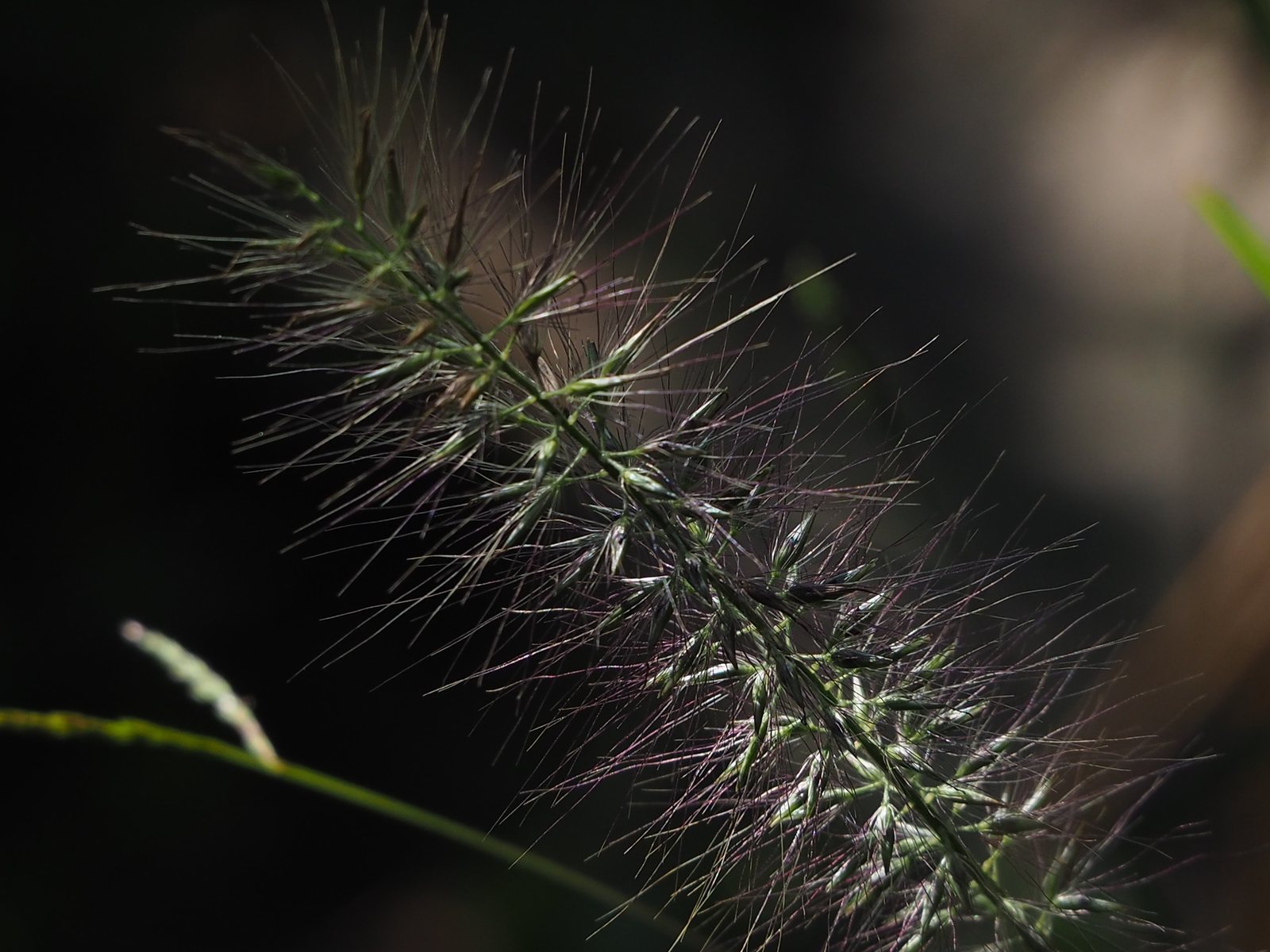
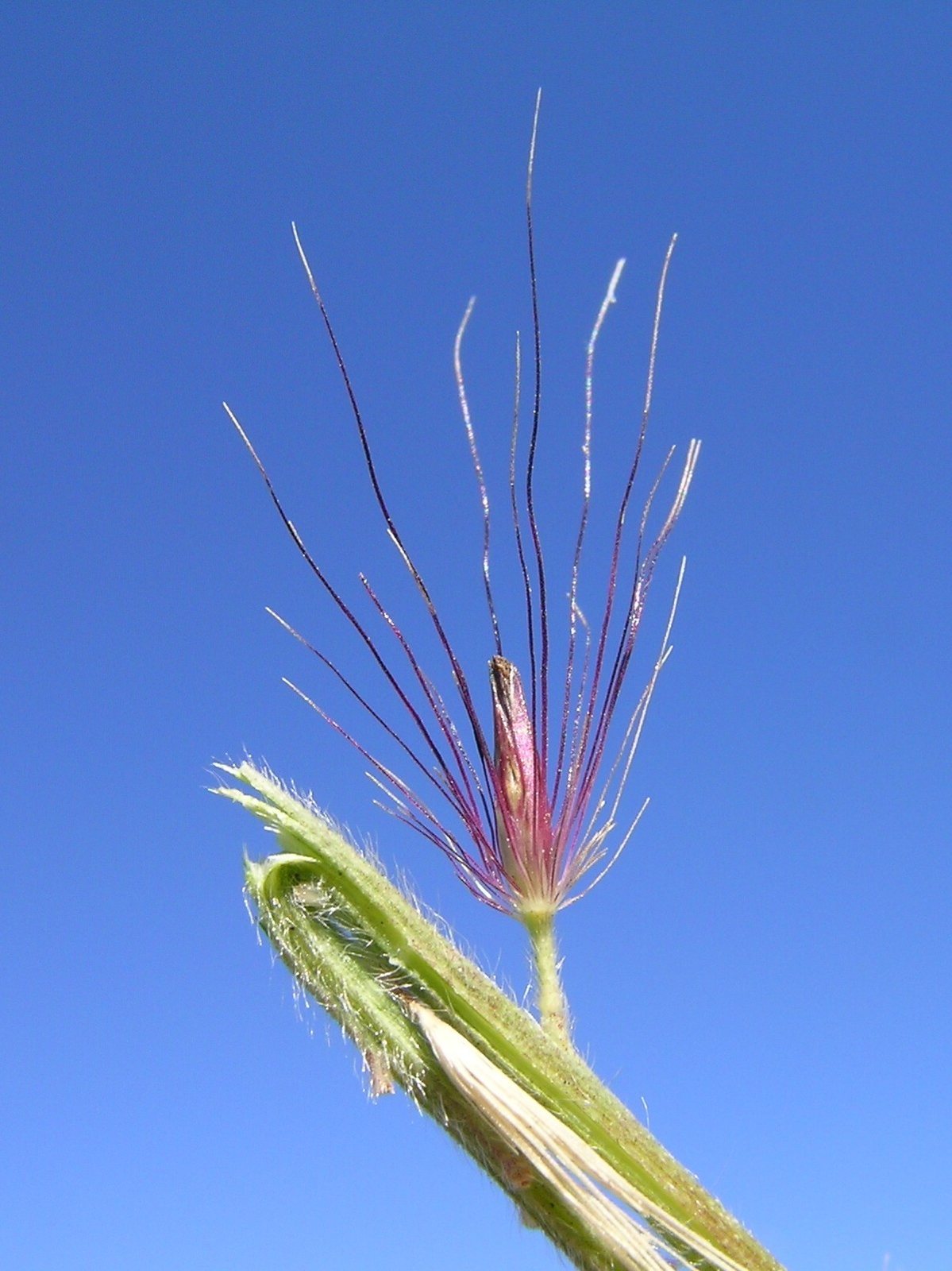
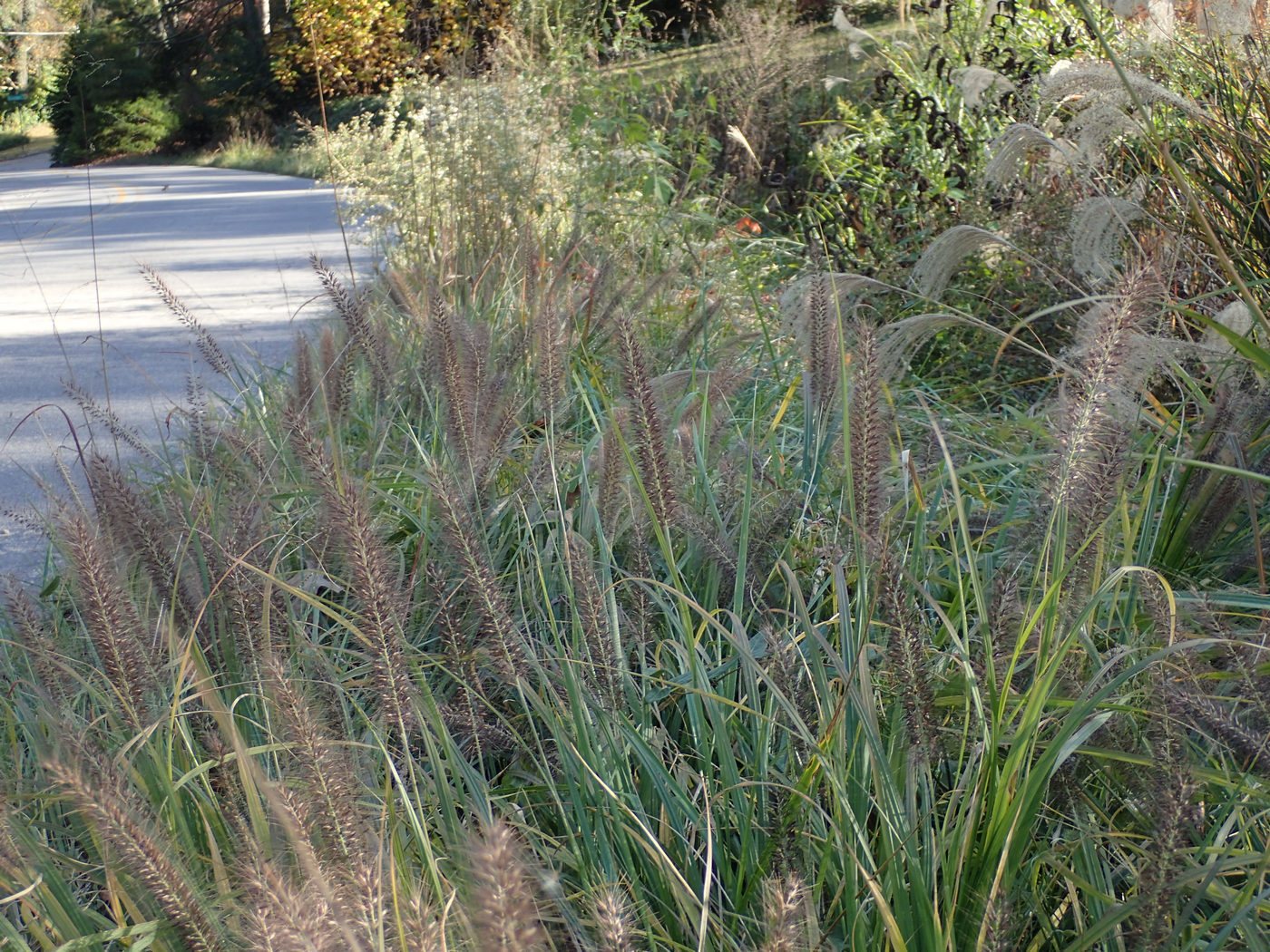
Hameln is a compact, clump-forming perennial grass with arching leaves and soft, bottlebrush flower heads. Gardeners grow it for its rounded shape, movement and late-season colour; its straw-coloured foliage and seed heads can remain attractive through winter.
At a glance
- Sun
- Full sun is best. Light shade is tolerated, but plants may flower less and grow loosely.
- Water
- Water regularly during the first growing season. Once established, water during prolonged dry spells; flowering is better with moderate moisture than with severe drought.
- Soil
- Well-drained soil of average fertility. Tolerates clay if drainage is adequate, but dislikes waterlogged ground, especially in winter.
- Height
- 2-3 ft (0.6-0.9 m), including flower heads
- Spread
- 2-3 ft (0.6-0.9 m)
- Flowers
- Late summer into autumn; creamy white to pale tan bottlebrush heads, sometimes flushed pink, ageing to buff brown.
- Foliage
- Narrow, arching green leaves turn golden yellow in autumn, then straw-coloured in winter. New growth emerges relatively late in spring.
- Growth
- Moderate; usually forms a substantial clump within two to three growing seasons.
- Care needed
- Low
The year at a glance
- Deer resistant
- Drought tolerant
- Heat tolerant
- Wildlife
| J | F | M | A | M | J | J | A | S | O | N | D | |
|---|---|---|---|---|---|---|---|---|---|---|---|---|
| Flowers | ||||||||||||
| Fruit | ||||||||||||
| Plant |
Northern hemisphere months. In Australia, shift them by six.
- Difficulty
- Easy
- Toughness
- Very tough
Will it suit your garden?
Pick your zone, country, light and whether you have pets.
Full sun is 6 or more hours of direct sun a day, part shade 3 to 6 hours, shade under 3.
How it grows
Planting day
1.1 ft (0.35 m)
After 1 year
1.7 ft (0.51 m)
After 2 years
2.2 ft (0.67 m)
After 3 years
2.5 ft (0.75 m)
full size
About 3 years to full size.
From a typical nursery size, at an average rate for this kind of plant. A rule of thumb, not a forecast.
Good to know
- Cats and dogs
- Safe
- Native to
- Australia
- Invasive in
- the US
- In the garden
- Spreads vigorously: plan to contain it.
- Growth rate
- Moderate
Care
Jobs through the year
- WaterApr–May, Sep, every 14 days
- Water established clumps only if dry; newly planted clumps need regular watering.
- WaterJun–Aug, every 7 days
- Water deeply during prolonged dry spells to support flowering.
- PruneFeb–Mar
- Cut old stems to 10–15 cm before new shoots lengthen, avoiding the crown.
- MulchApr
- Top-dress lightly with compost, keeping the crown exposed; avoid heavy nitrogen feeding.
- DivideApr–May
- Divide only congested or thinning clumps, replanting vigorous outer sections.
- DeadheadSep–Oct
- Remove heads before seed ripens if unwanted seedlings are a concern; otherwise retain for winter.
- ProtectJan–Feb, Nov–Dec
- Keep wet leaf piles off the crown and prevent winter waterlogging.
- Plant in spring in colder areas so roots establish before winter.
- Water deeply during establishment, then during extended dry weather.
- Apply a light layer of compost in spring; avoid heavy nitrogen feeding, which encourages floppy growth.
- Keep mulch away from the crown and prevent water from collecting around it in winter.
- Divide congested clumps in spring when the centre becomes thin or flowering declines.
Pruning. In late winter or early spring, cut the previous year's foliage and stems to 4-6 in (10-15 cm) above the ground before new shoots lengthen. Where seedlings are a concern, remove flower heads before seed ripens rather than leaving them for winter.
Through the year
- Late winter
- Cut back old stems before new growth starts, leaving the crown intact.
- Spring
- Plant or divide as growth begins; water well and top-dress lightly with compost.
- Early summer
- Check soil moisture around new plants and water deeply when it becomes dry.
- Late summer
- Enjoy the flower heads; check nearby beds for unwanted seedlings.
- Autumn
- Remove heads before seed ripens where escape is a concern; otherwise retain them for winter structure.
- Winter
- Keep the crown free of wet leaf piles and check that surrounding soil drains freely.
In the garden
- Repeat along sunny paths or border edges for rounded clumps and a soft, rhythmic outline.
- Plant among coneflowers, black-eyed Susans and stonecrops for contrasting flower shapes in late summer.
- Use in small groups beside paving or gravel, where the arching leaves soften hard edges.
- Grow in a large, well-drained container for seasonal movement; protect the roots from severe winter cold.
Garden styles it suits: New perennial (prairie), Modern, Cottage garden, Low-maintenance, Sensory garden and Winter interest.
Plant it with: Purple coneflower, Black-eyed Susan, Autumn stonecrop, Russian sage, Catmint and Blazing star.
Wildlife: Dense clumps provide cover for insects and other small animals, and some birds take the seeds. Flowers are wind-pollinated and are not a nectar source for bees or butterflies.
Problems to watch for
- Crown rot or winter loss in wet ground: improve drainage or move to a raised planting area; keep mulch off the crown.
- Few flowers or floppy growth: provide more sun and reduce nitrogen fertiliser.
- Brown leaves during prolonged drought: water deeply; established clumps usually recover, though damaged leaves stay brown.
- A thinning or dead centre in an older clump: divide in spring and replant vigorous outer sections.
Safety
Not known to be toxic to cats, dogs, horses or people; no part is recognised as poisonous. Coarse leaves and bristly seed heads can cause mechanical irritation if chewed or caught in an animal's eyes or ears.
Where it spreads. The species can escape by seed and is reported as invasive in parts of the eastern United States, including the Mid-Atlantic region. 'Hameln' should not be treated as sterile. Remove seed heads where escape is a concern and check local guidance before planting near natural areas; do not confuse it with the more widely regulated Cenchrus setaceus.
Easily confused with
Full-sized Chinese fountain grass (Cenchrus alopecuroides)
The species usually forms a larger, taller clump than 'Hameln'. Young plants can be difficult to distinguish, so a reliable cultivar label matters.
Little Bunny dwarf fountain grass (Cenchrus alopecuroides 'Little Bunny')
Much smaller than 'Hameln', usually about 1-1.5 ft (0.3-0.45 m) tall, with correspondingly smaller flower heads.
Fountain grass (Cenchrus setaceus)
Generally has longer, narrower, often pinkish flower heads on a more open plant and is much less cold-hardy. It is a serious invasive weed in several warm regions.
The name
The name alopecuroides means foxtail-like, referring to the flower heads, while fountain grass describes the outward arch of the leaves.
Propagation. Divide established clumps in spring as new growth starts, keeping healthy roots and shoots on each section. Seed-grown offspring may not retain the compact habit of 'Hameln'.
Checked against open data
- Accepted botanical name
- Cenchrus alopecuroides
- Native range
- Andaman Is., China North-Central, China South-Central, China Southeast, Hainan, Japan, Jawa, Korea, Malaya, Manchuria, Myanmar and Nansei-shoto.
Sources: GBIF (CC BY 4.0) and Trefle (CC BY 4.0). The care and design notes are LandscapeGPT's own.
See it in your own yard.
Upload a photo of your yard and see it redesigned with plants that suit your climate, each checked against your zone.