Hass avocado
Persea americana 'Hass'. Family Lauraceae. Tree.
Also called Avocado pear, Alligator pear.
An evergreen fruit tree grown for its rich, creamy avocados, which develop dark, pebbled skins as they ripen. It needs a warm, sheltered garden with excellent drainage; outdoor cropping is generally unsuitable for the United Kingdom and most of Canada. 'Hass' has type A flowers and can fruit alone, but a nearby compatible type B avocado can improve cropping.
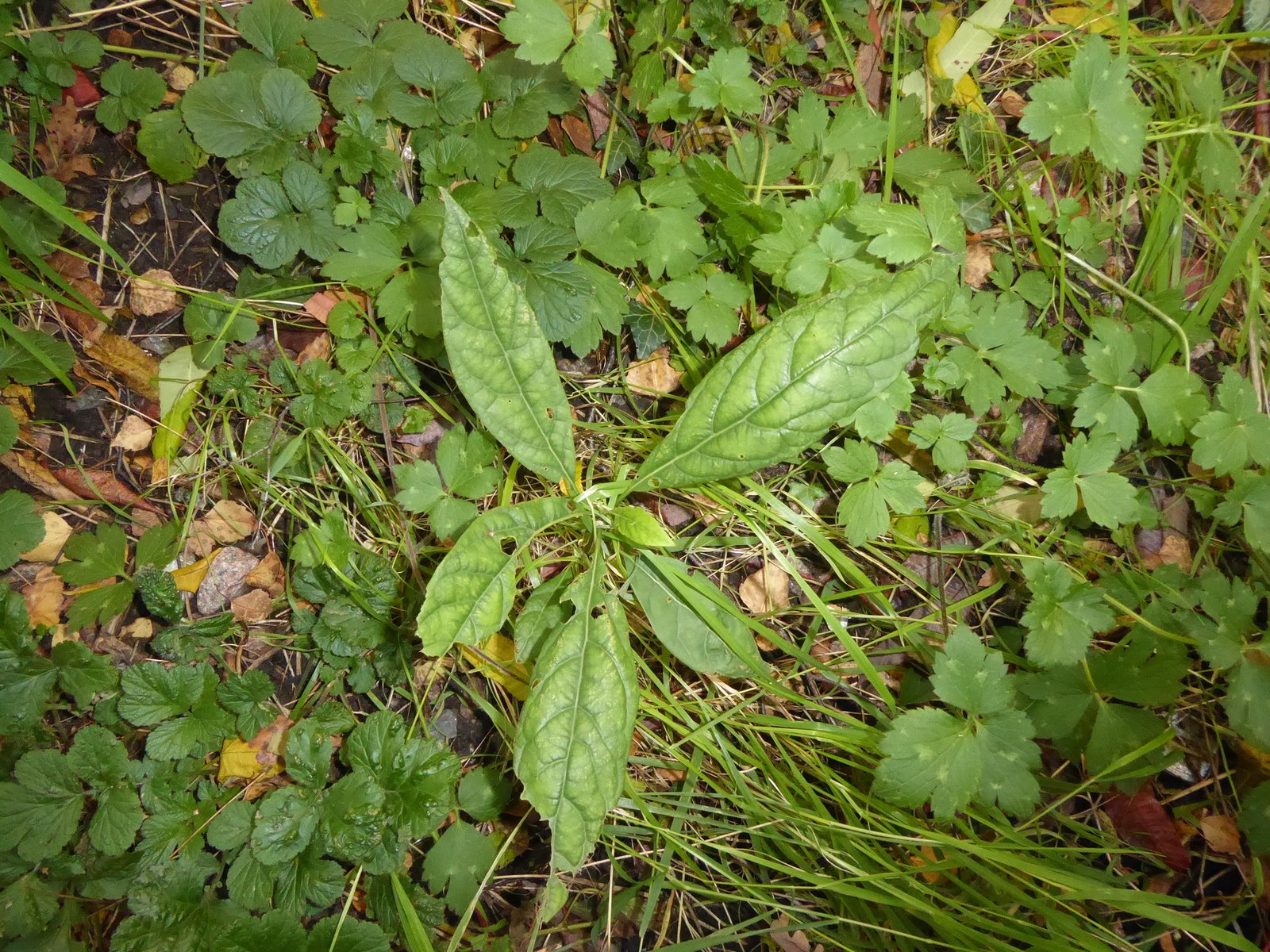
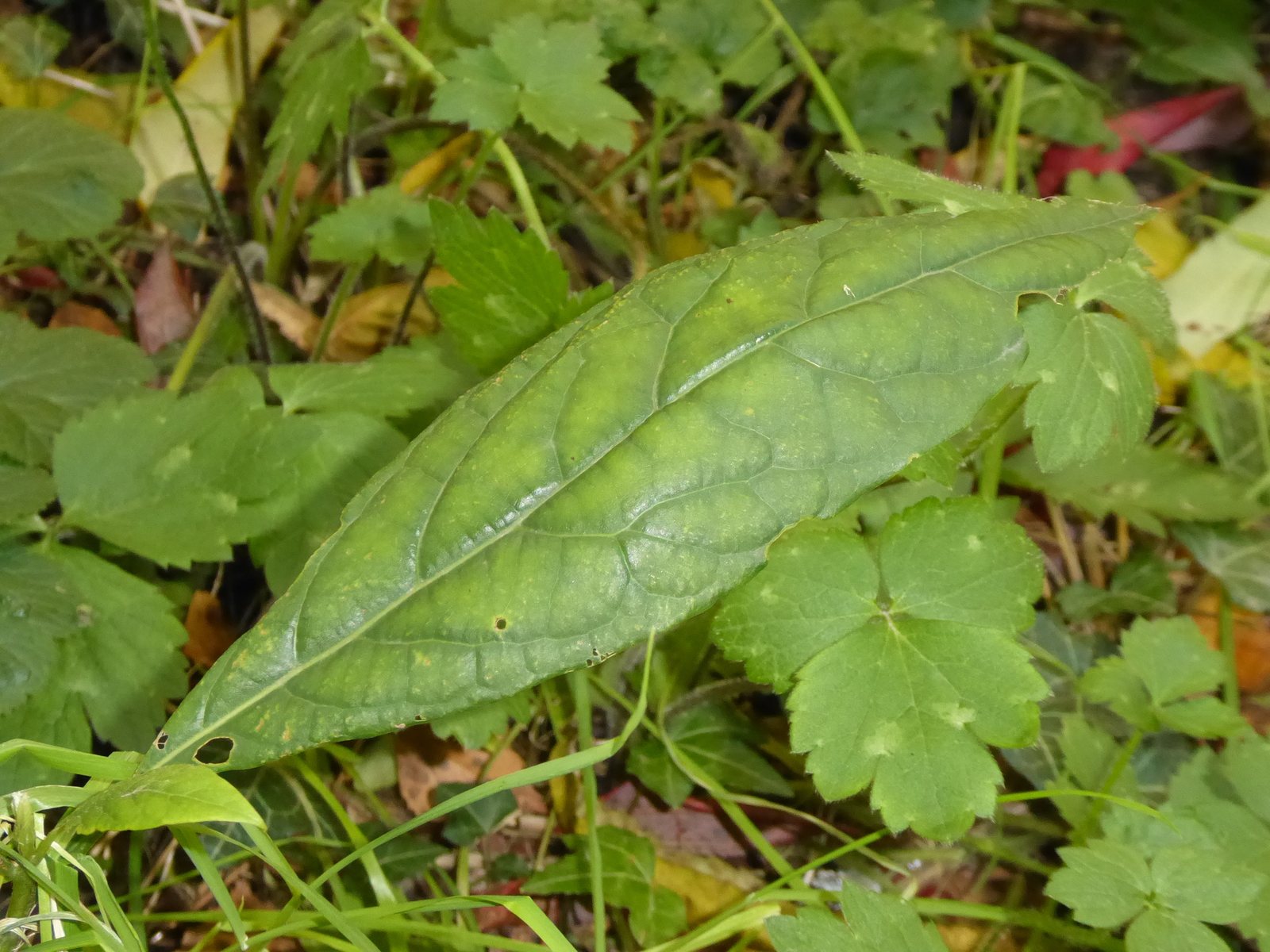
At a glance
- Sun
- Full sun, sheltered from strong winds; protect newly planted trees from intense afternoon sun in very hot climates.
- Water
- Water deeply, then let the upper soil begin to dry before watering again. Keep the root zone evenly moist during flowering and fruit growth, but never waterlogged.
- Soil
- Deep, freely draining soil, preferably slightly acidic, around pH 6-7. Poor drainage, saline water and heavy, wet clay are major limitations.
- Height
- 30-40 ft (9-12 m) unpruned; often maintained at 10-15 ft (3-4.5 m)
- Spread
- 20-30 ft (6-9 m) unpruned
- Flowers
- Small, yellow-green flowers in branching clusters, usually in late winter and spring; timing varies with climate.
- Foliage
- Evergreen. Large, leathery, glossy green leaves; some older leaves fall as new growth develops.
- Growth
- Moderate to fast in warm conditions
- Care needed
- High
The year at a glance
- Pollinators
- Heat tolerant
- Wildlife
- Low allergen
- Edible
| J | F | M | A | M | J | J | A | S | O | N | D | |
|---|---|---|---|---|---|---|---|---|---|---|---|---|
| Flowers | ||||||||||||
| Fruit | ||||||||||||
| Plant |
Northern hemisphere months. In Australia, shift them by six.
- Difficulty
- Hard
- Toughness
- Needs looking after
Will it suit your garden?
Pick your zone, country, light and whether you have pets.
Full sun is 6 or more hours of direct sun a day, part shade 3 to 6 hours, shade under 3.
How it grows
Planting day
7 ft (2 m)
After 1 year
8 ft (2.5 m)
After 2 years
10 ft (3.1 m)
After 3 years
12 ft (3.6 m)
After 5 years
15 ft (4.7 m)
About 16 years to full size.
From a typical nursery size, at an average rate for this kind of plant. A rule of thumb, not a forecast.
Good to know
- Cats and dogs
- Toxic
- Growth rate
- Fast
Care
Jobs through the year
- WaterMar–May, Sep–Oct, every 7 days
- For established ground-grown trees in suitable climates, water as upper soil dries; keep flowering roots evenly moist.
- WaterJun–Aug, every 4 days
- Water deeply as needed during fruit growth without saturating roots; young trees and containers need closer checks.
- WaterJan–Feb, Nov–Dec, every 14 days
- Check sheltered plants and water when upper soil begins drying, never leaving roots waterlogged.
- FeedApr–Jul, every 42 days
- Feed lightly with citrus-and-avocado fertilizer according to its label; avoid late-season nitrogen.
- MulchMay–Jun
- Spread coarse organic mulch over shallow roots, leaving at least 15 cm clear around the trunk.
- PruneMay–Jun
- Prune lightly after frost risk and preferably after harvest; avoid exposing branches to sunburn.
- ProtectJan–May, Sep–Dec
- Requires a spacious, bright, frost-free greenhouse in zones 6–7; reliable cropping is unlikely in ordinary homes.
- ProtectJun–Aug
- Shelter from strong wind and protect newly exposed trunks with an appropriate white trunk coating.
- HarvestApr–Sep, every 14 days
- Season varies widely; test full-sized fruit for indoor softening before clipping more with short stalks attached.
- Plant with the root flare at soil level; use a broad raised mound where drainage is marginal.
- Spread coarse organic mulch over the root zone, keeping it at least 6 in (15 cm) away from the trunk; avoid digging around the shallow roots.
- Water young trees regularly without keeping the soil saturated, and increase irrigation during hot, dry weather.
- Apply a citrus-and-avocado fertiliser according to its label during active growth; avoid heavy feeding and late-season nitrogen.
- Protect young trees from frost with horticultural fleece and shelter from wind; zone 9b is marginal for 'Hass', especially in frost pockets.
- Protect newly exposed trunks and branches from sunburn with a suitable white tree-trunk coating.
Pruning. Prune lightly after harvest and once frost risk has passed, removing dead wood, crossing branches and selected upright shoots to control height. Avoid severe pruning, which exposes bark to sunburn and reduces subsequent crops.
Harvest
Grafted trees usually give their first worthwhile crop about 3-5 years after planting; harvest season varies widely by region, and fruit commonly takes about 12-18 months from flowering to maturity. Clip full-sized fruit with a short stalk attached and test a sample indoors: mature fruit should soften evenly within roughly one to two weeks, with the skin usually turning purple-black.
Through the year
- Late winter
- Keep frost protection ready and check that winter rain is draining freely from the root zone.
- Spring
- Plant once frost risk has passed and the soil has warmed; begin light feeding as active growth starts.
- Spring
- Maintain even soil moisture during flowering and fruit set; avoid spraying insecticides around visiting pollinators.
- Summer
- Check irrigation frequently, renew mulch and protect young trunks from sunburn.
- Summer
- Where the local crop is mature, pick a sample and test its ability to soften before harvesting more.
- Autumn
- Reduce feeding as growth slows and prepare frost protection before cold nights arrive.
- After harvest
- In frost-free weather, prune lightly to keep the canopy accessible and remove damaged branches.
In the garden
- Use as the main evergreen canopy tree in a warm-climate edible garden, allowing room for its mature spread.
- Plant in a sheltered home orchard with a compatible type B avocado, such as 'Fuerte', where space permits.
- Use as a leafy backdrop to lower edible planting, keeping a mulched, uncultivated area beneath the canopy.
- Train and prune for a manageable canopy beside a sunny courtyard, set well away from paving and buildings.
Garden styles it suits: Edible landscape, Backyard orchard, Food forest, Homestead, Mediterranean and Modern tropical.
Plant it with: Fuerte avocado, Nasturtium, Calendula and Sweet alyssum.
Wildlife: Flowers attract honeybees, native bees and other insects. The evergreen canopy provides shelter for birds, though avocados are not a suitable food to offer to pet birds or livestock.
Problems to watch for
- Phytophthora root rot: declining foliage and branch dieback often follow wet soil. Improve drainage, avoid overwatering and seek local advice on treatment; badly affected trees may need replacement.
- Frost damage: young shoots, flowers and fruit blacken after freezing weather. Choose a sheltered site, cover young trees and wait until new growth reveals the damage before pruning.
- Salt injury: brown leaf tips and margins can result from saline water or excessive fertiliser. Use low-salt irrigation water, reduce feeding and leach salts only where drainage is excellent.
- Avocado mites and lace bugs: mottled, bronzed or dropping leaves may indicate feeding damage. Identify the pest locally, conserve beneficial insects and use only locally approved treatments when necessary.
Safety
Leaves, bark, skin and seeds contain persin. Avocado material can cause illness in cats and dogs, and swallowed stones can cause choking or intestinal blockage; horses and birds are especially susceptible to serious, potentially fatal poisoning. Ripe flesh is edible for people, but the stone and skin should not be eaten; some people have avocado allergy.
Easily confused with
Fuerte avocado (Persea americana 'Fuerte')
Its fruit is usually pear-shaped with a thinner, relatively smooth skin that stays green when ripe; 'Hass' usually has rougher skin that darkens on ripening.
Reed avocado (Persea americana 'Reed')
Produces large, rounded fruit with thick green skin that remains green when ripe, rather than the smaller, usually oval, dark-ripening fruit of 'Hass'.
The name
'Hass' is named for Rudolph Hass, who selected and patented the original tree in California; 'avocado' comes through Spanish from the Nahuatl word ahuacatl.
Propagation. Buy a grafted tree to obtain true 'Hass' fruit and earlier cropping. Professional growers propagate it by grafting onto suitable rootstocks; seedlings do not come true and may take many years to fruit.
Checked against open data
- Accepted botanical name
- Persea americana
- In the US and Canada
- Introduced in Hawaii, the lower 48 states, Pacific Basin, Puerto Rico and US Virgin Islands.
- Native range
- Belize, Costa Rica, Guatemala, Honduras, Mexico Central, Mexico Gulf, Mexico Southeast, Mexico Southwest and Nicaragua.
- Measured
- Average height 910 cm.
Sources: GBIF (CC BY 4.0), USDA PLANTS and Trefle (CC BY 4.0). The care and design notes are LandscapeGPT's own.
See it in your own yard.
Upload a photo of your yard and see it redesigned with plants that suit your climate, each checked against your zone.