Hay-scented fern
Dennstaedtia punctilobula. Family Dennstaedtiaceae. Fern.
Also called Eastern hay-scented fern.
This deciduous fern from eastern North America forms spreading colonies of finely divided, light-green fronds that smell of fresh hay when bruised or drying. Grow it for soft woodland groundcover and yellow autumn colour, but give it room: its creeping rhizomes can overwhelm smaller plants.
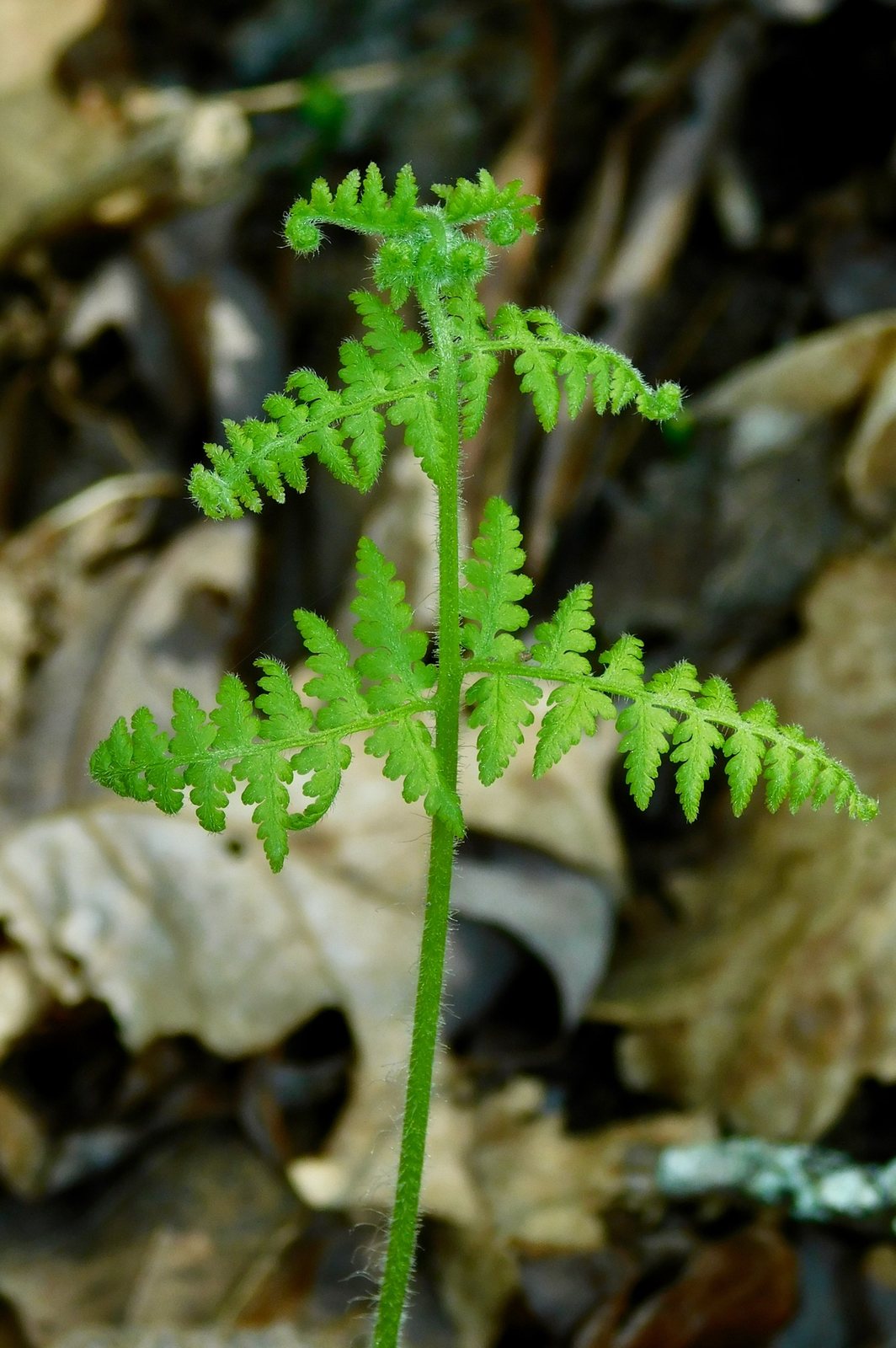
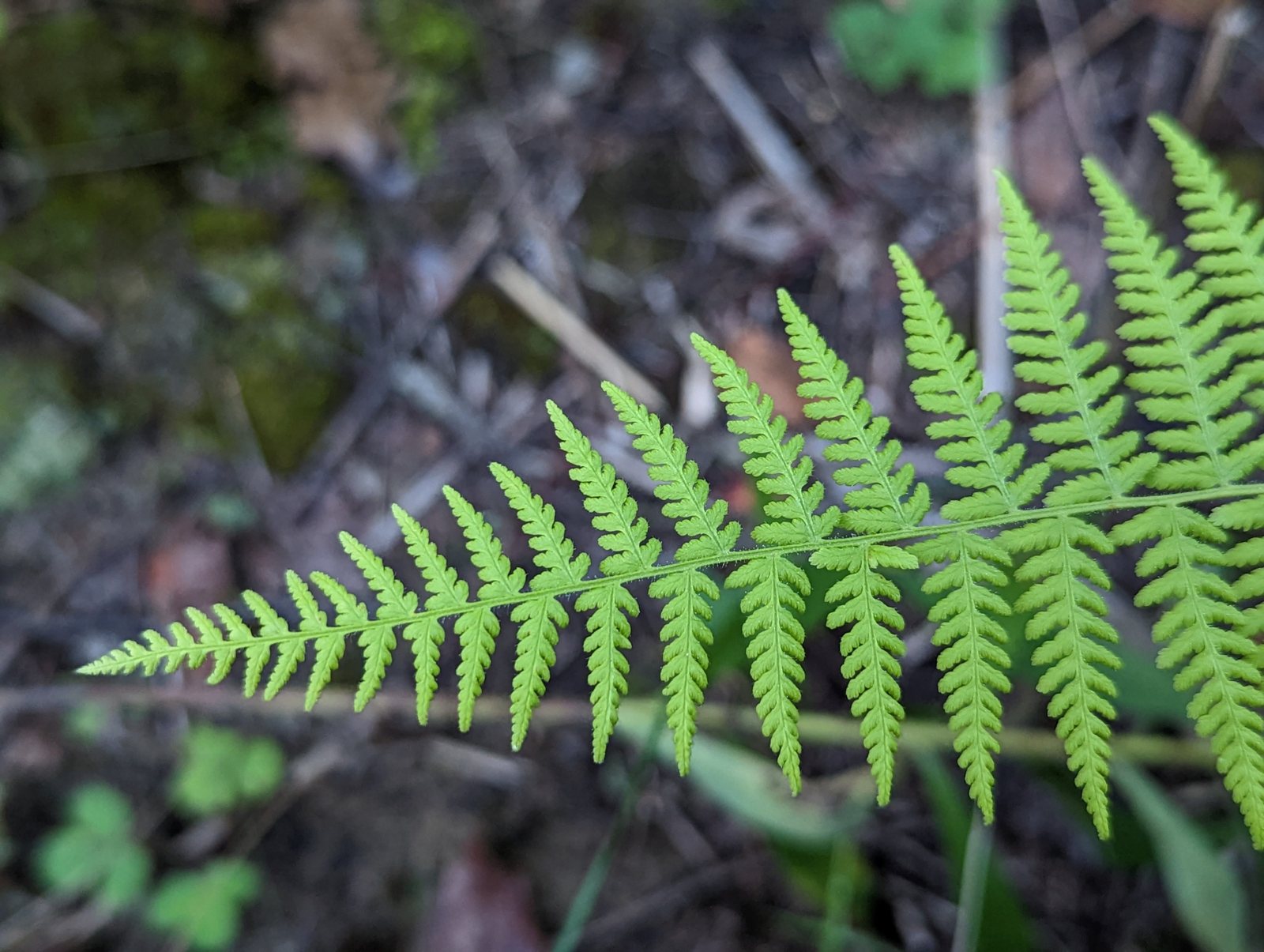
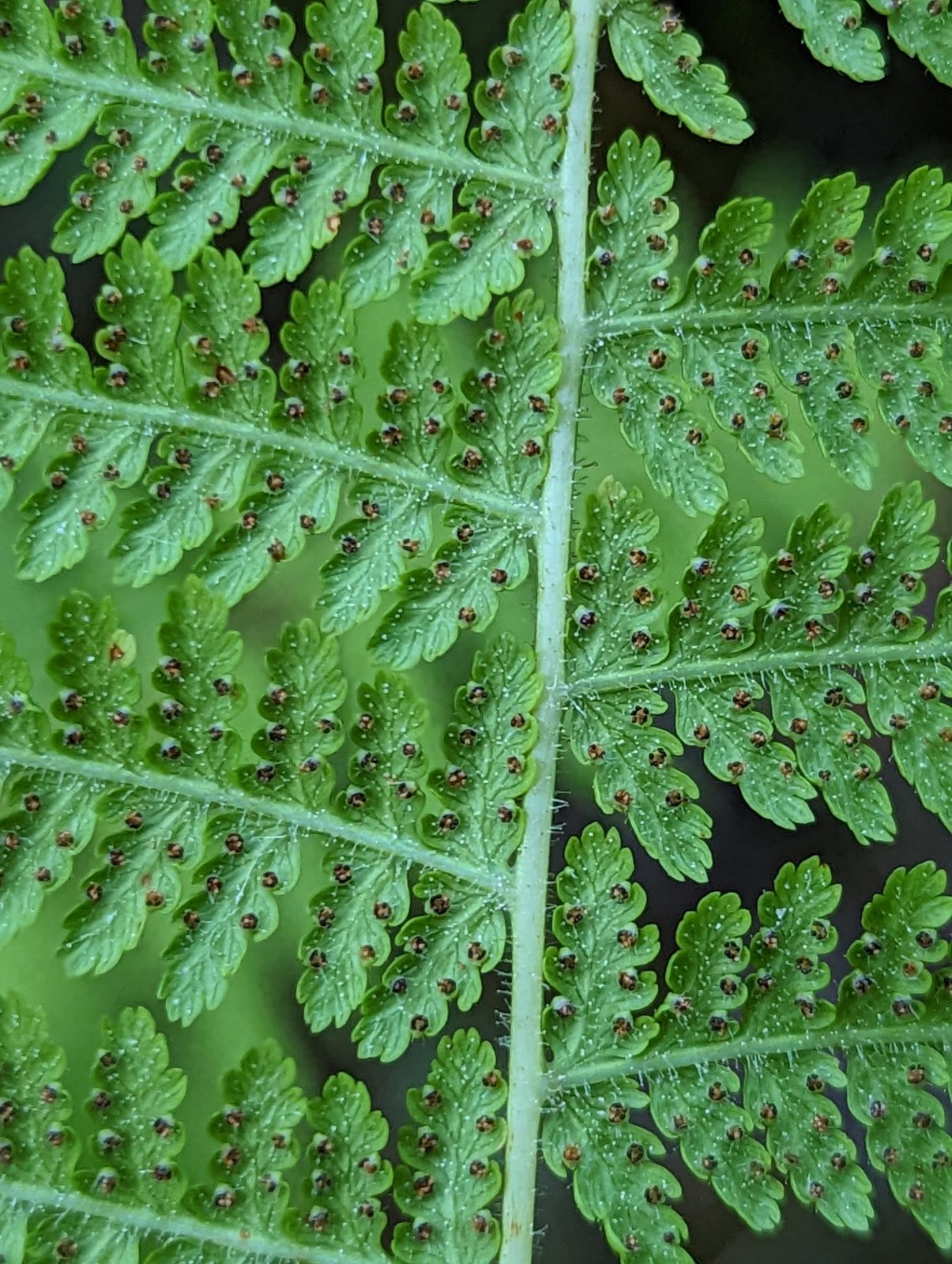
At a glance
- Sun
- Partial shade to full shade; tolerates some sun where the soil stays moist.
- Water
- Moderate; keep moist while establishing. Established colonies tolerate occasional dry spells, although fronds may brown early.
- Soil
- Humus-rich, well-drained soil, preferably acidic. Tolerates rocky, relatively lean woodland soil; avoid persistently waterlogged ground.
- Height
- 1-3 ft (0.3-0.9 m)
- Spread
- 2-3 ft (0.6-0.9 m) initially; colonies can spread much farther.
- Foliage
- Soft, finely divided, triangular to lance-shaped fronds, light green in spring and summer, often turning yellow before dying back in autumn.
- Growth
- Fast once established, spreading by shallow creeping rhizomes.
- Care needed
- Low
The year at a glance
- Deer resistant
- Cold hardy
- Wildlife
- Low allergen
- Fragrant
| J | F | M | A | M | J | J | A | S | O | N | D | |
|---|---|---|---|---|---|---|---|---|---|---|---|---|
| Plant |
Northern hemisphere months. In Australia, shift them by six.
- Difficulty
- Easy
- Toughness
- Very tough
Will it suit your garden?
Pick your zone, country, light and whether you have pets.
Full sun is 6 or more hours of direct sun a day, part shade 3 to 6 hours, shade under 3.
How it grows
Planting day
1 ft (0.3 m)
After 1 year
1.5 ft (0.45 m)
After 2 years
2 ft (0.6 m)
full size
About 2 years to full size.
From a typical nursery size, at an average rate for this kind of plant. A rule of thumb, not a forecast.
Good to know
- Cats and dogs
- Mildly toxic: may upset a stomach
- In the garden
- Spreads vigorously: plan to contain it.
- Growth rate
- Fast
Care
Jobs through the year
- WaterApr–May, Sep, every 14 days
- Water established colonies during dry spells; keep new plants moist through their first season.
- WaterJun–Aug, every 7 days
- Water during prolonged dry weather to prevent early browning; skip after adequate rain.
- PruneFeb–Mar
- Cut dead fronds to ground level before new fiddleheads emerge.
- MulchApr
- Spread a thin layer of leaf mould, keeping emerging crowns uncovered.
- DivideMar–Apr
- Divide patches if propagation or colony reduction is needed.
- PruneMay–Sep, every 30 days
- Check colony edges and dig out encroaching rhizomes, removing loose fragments.
- Water through the first growing season whenever the soil begins to dry.
- Apply a thin mulch of leaf mould each spring, keeping emerging crowns uncovered.
- Do not routinely fertilize; rich feeding is unnecessary and can encourage more spread.
- Remove wandering rhizomes at the colony edge before they reach neighbouring plants.
- Divide established patches in spring if you need more plants or want to reduce their size.
Pruning. Cut dead fronds to ground level in late winter or early spring before new fiddleheads emerge. Leave healthy green fronds intact during the growing season.
Through the year
- Late winter
- Remove collapsed dead fronds before new growth starts.
- Spring
- Plant or divide while conditions are cool and the soil is moist.
- Mid-spring
- Spread a thin layer of leaf mould around the plants.
- Summer
- Water young plants during dry spells and check established colonies for encroaching rhizomes.
- Autumn
- Enjoy the yellowing foliage, then allow fallen leaves to remain as a light woodland mulch.
In the garden
- Plant broad drifts beneath deciduous trees for a soft, continuous woodland floor.
- Use on shaded banks where spreading rhizomes can help cover exposed soil.
- Combine with established woodland shrubs, leaving space around their bases for access.
- Use as a light-green foreground to dark evergreen shrubs, keeping delicate perennials outside the colony.
Garden styles it suits: Woodland, New England, Rewilded, Green on green and Low-maintenance.
Plant it with: Witch hazel, Mountain laurel, Red oak and White wood aster.
Wildlife: Provides low cover for small woodland animals. Deer usually avoid it, which can allow colonies to dominate heavily browsed woodland; dense stands may suppress other ground-layer plants.
Problems to watch for
- Unwanted spread: dig out advancing rhizomes and loose fragments; choose a less vigorous fern for small mixed borders.
- Brown or scorched fronds: reduce afternoon sun and water during prolonged drought; established plants may regrow the following spring.
- Poor growth in saturated soil: improve drainage or move plants to a freely drained site.
- Slugs or snails damaging young growth: inspect emerging fronds and remove pests by hand; use an approved iron-phosphate bait if needed.
Safety
Reliable species-specific toxicity information for people, cats, dogs and horses is limited, so safety and the likely severity of poisoning cannot be stated confidently. Do not eat the fiddleheads or other parts, discourage pets from chewing fronds or rhizomes, and keep it out of horse grazing areas as a precaution.
Where it spreads. Spreads aggressively within its native range in the eastern United States and eastern Canada, especially in disturbed or heavily deer-browsed woodland. It can form dense colonies that inhibit tree seedlings and other woodland plants; this is aggressive native behaviour rather than evidence of introduced invasive status.
Easily confused with
New York fern (Thelypteris noveboracensis)
Its frond narrows markedly towards both the tip and the base, with very small lower leaflets. Hay-scented fern has a broader, more triangular blade and a hay-like scent when bruised.
Lady fern (Athyrium filix-femina)
Lady fern usually grows in distinct clumps rather than running colonies; its spore clusters are elongated or curved rather than the small marginal cups of hay-scented fern.
Bracken (Pteridium aquilinum)
Bracken has a coarser blade divided into three main branches and is often much taller. Hay-scented fern has a single finely divided, tapering blade.
The name
The common name refers to the scent of freshly cut hay released by bruised or drying fronds.
Propagation. Divide creeping rhizomes in early spring, keeping roots and at least one growing point on each piece, and replant promptly. It can also be raised from spores, but this is much slower.
Checked against open data
- Accepted botanical name
- Sitobolium punctilobum Dennstaedtia punctilobula is an older name for Sitobolium punctilobum.
Sources: GBIF (CC BY 4.0). The care and design notes are LandscapeGPT's own.
See it in your own yard.
Upload a photo of your yard and see it redesigned with plants that suit your climate, each checked against your zone.