Hebe 'Pagei'
Hebe pinguifolia 'Pagei'. Family Plantaginaceae. Shrub.
Also called Hebe pinguifolia 'Pagei', Veronica pinguifolia 'Pagei'.
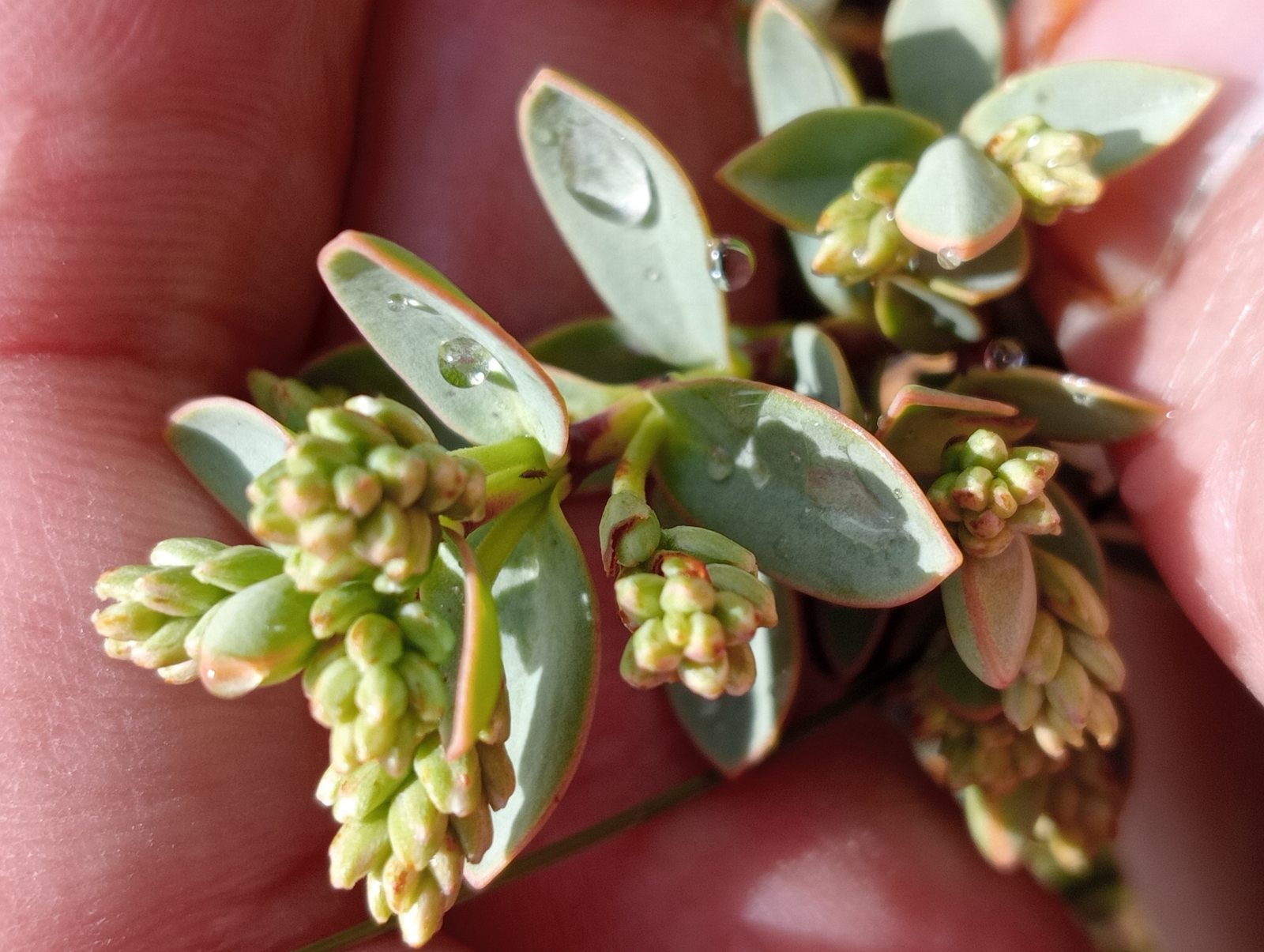
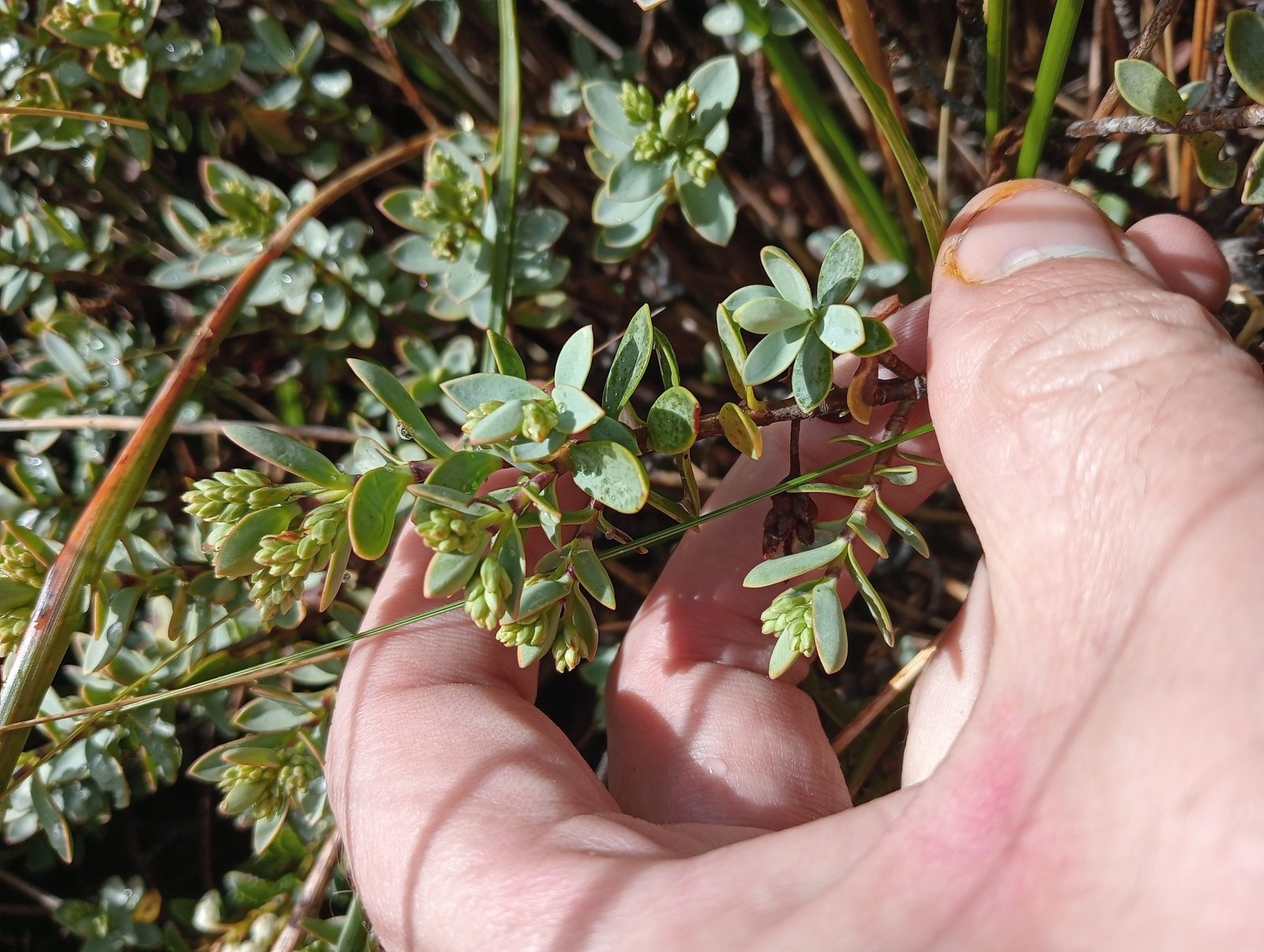
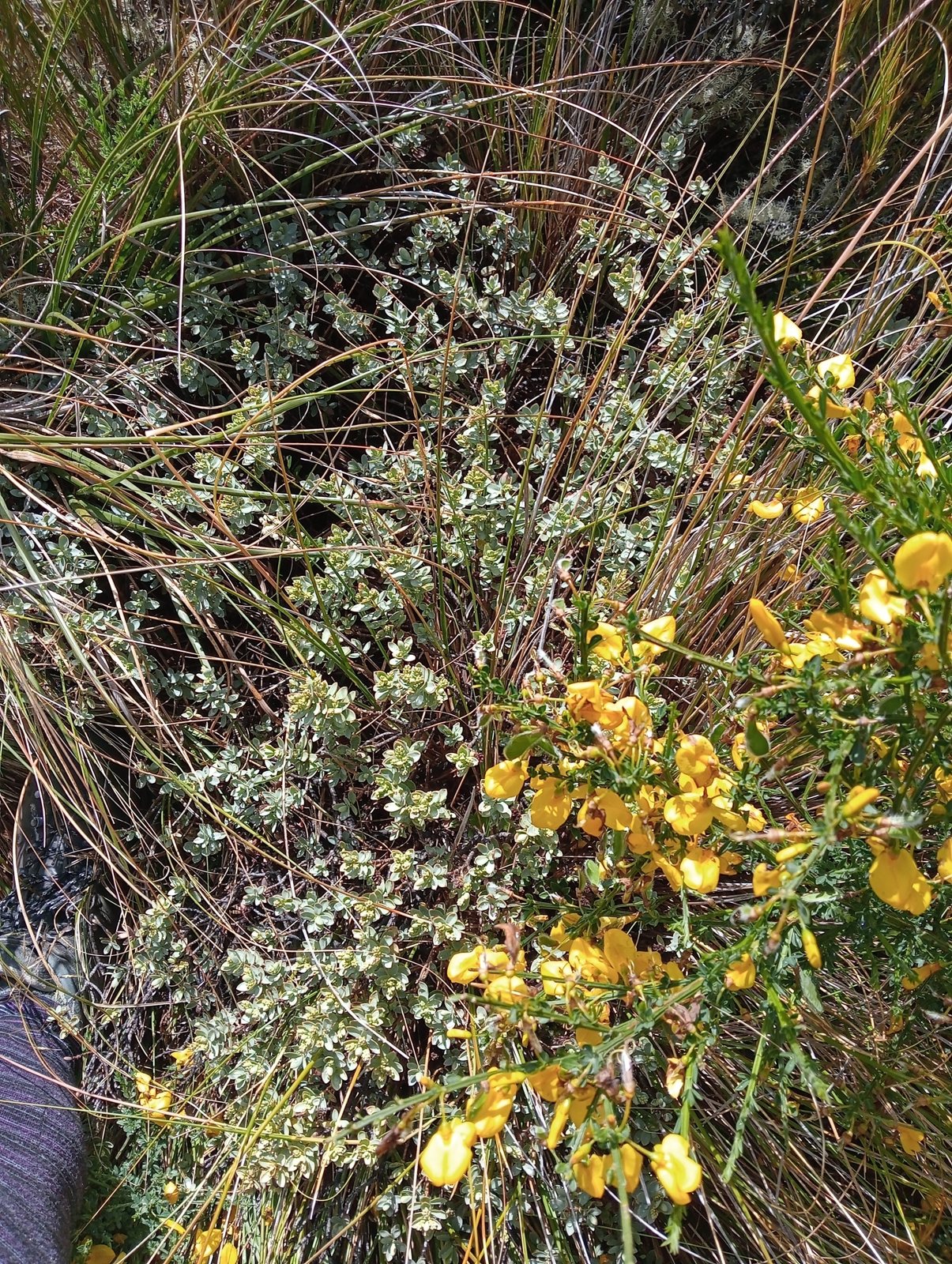
Hebe 'Pagei' is a low, spreading evergreen shrub grown for its small silver-grey leaves and short clusters of white flowers. It makes a useful edging or ground-covering shrub in sunny, well-drained gardens, particularly in mild coastal climates.
At a glance
- Sun
- Full sun to light partial shade; best foliage colour and flowering in sun. Give it some afternoon shade in hot inland gardens.
- Water
- Water regularly while establishing, then during prolonged dry spells. Established plants tolerate some drought but dislike persistently wet roots.
- Soil
- Well-drained soil of average to modest fertility, from slightly acidic to alkaline. Avoid heavy, waterlogged ground.
- Height
- 1-1.5 ft (0.3-0.45 m)
- Spread
- 2-3 ft (0.6-0.9 m)
- Flowers
- Short clusters of white flowers in late spring and early summer.
- Foliage
- Evergreen. Small, rounded to oval, slightly fleshy silver-grey leaves held in opposite pairs on spreading branches.
- Growth
- Slow to moderate
- Care needed
- Low
The year at a glance
- Pollinators
- Drought tolerant
- Low allergen
| J | F | M | A | M | J | J | A | S | O | N | D | |
|---|---|---|---|---|---|---|---|---|---|---|---|---|
| Flowers | ||||||||||||
| Plant |
Northern hemisphere months. In Australia, shift them by six.
- Difficulty
- Moderate
- Toughness
- Fairly tough
Will it suit your garden?
Pick your zone, country, light and whether you have pets.
Full sun is 6 or more hours of direct sun a day, part shade 3 to 6 hours, shade under 3.
How it grows
Planting day
1.2 ft (0.38 m)
full size
About 7 years to full size.
From a typical nursery size, at an average rate for this kind of plant. A rule of thumb, not a forecast.
Good to know
- Cats and dogs
- Safe
- Growth rate
- Slow
Care
Jobs through the year
- WaterApr–May, Sep, every 21 days
- Water established plants only during prolonged dry spells; water young plants more often.
- WaterJun–Aug, every 14 days
- In prolonged dry weather, soak established plants, then let the soil surface dry.
- FeedApr
- Feed lightly only if growth is weak; avoid high-nitrogen fertilizer.
- PruneApr–May
- Once new growth reveals living wood, remove frost-damaged shoots back to healthy leafy growth.
- PruneJun–Jul
- Lightly shape after flowering if needed; never cut into bare old wood.
- ProtectJan–Mar, Nov–Dec
- Not reliably hardy in zones 6–7; overwinter in a frost-free container location or use a milder sheltered garden.
- Water deeply during the first growing season, allowing the soil surface to dry between waterings.
- Plant on a raised mound or in a raised bed if your soil stays wet in winter.
- Feed lightly in spring only if growth is weak; avoid high-nitrogen fertilisers.
- Keep mulch clear of the woody base; a shallow gravel mulch suits well-drained sites.
- Choose a position sheltered from severe cold winds, especially near the colder end of its range.
Pruning. Lightly trim after flowering to keep the mound compact, cutting back only into leafy growth. Remove frost-damaged shoots in spring once new growth shows which stems are alive; avoid hard cuts into bare old wood.
Through the year
- Spring
- Plant once severe frost has passed, and water thoroughly.
- Mid-spring
- Check for winter damage and remove dead shoots back to healthy growth.
- Early summer
- Lightly trim after the flowers fade if the plant needs shaping.
- Summer
- Water young plants during dry weather and check containers frequently.
- Late summer
- Take semi-ripe cuttings from healthy, non-flowering shoots.
- Autumn
- Clear fallen leaves from the mound and check that water drains freely around the roots.
- Winter
- Protect exposed plants during exceptional cold and keep container drainage holes clear.
In the garden
- Edge sunny paths with low silver-grey mounds that remain leafy through winter.
- Plant among rocks and gravel with dwarf conifers and creeping thyme for contrasting textures.
- Use in the foreground of coastal borders with lavender and compact ornamental grasses.
- Grow in a broad container with drainage holes for year-round foliage near a doorway or patio.
Garden styles it suits: Coastal, Dry gravel garden, Low-maintenance, Small-space, Blues and silvers and Winter interest.
Plant it with: Lavender, Creeping thyme, Sea thrift, Blue fescue, Rock rose and Dwarf mountain pine.
Wildlife: The flowers provide nectar and pollen for bees and other visiting insects.
Problems to watch for
- Root rot in wet soil: improve drainage or move to a raised bed; do not keep the root zone constantly saturated.
- Frost scorch and shoot dieback: provide shelter from cold winds and prune damaged growth in spring, not immediately after a freeze.
- Aphids on young shoots: wash off small colonies with water and encourage natural predators.
- Leggy growth or a bare centre: provide more sun and trim lightly after flowering; replace badly bare plants rather than cutting hard into old wood.
Safety
Not known to be toxic to people, cats, dogs or horses. Specific information for this cultivar is limited, and no part should be treated as food.
Easily confused with
Rakai hebe (Veronica rakaiensis)
Has greener leaves and usually forms a taller, more upright rounded shrub rather than a low silver-grey spread.
White hebe (Veronica albicans)
Also has pale grey-green leaves and white flowers, but usually forms a taller, more upright mound than 'Pagei'.
The name
Hebe is named for the Greek goddess of youth, while pinguifolia means fat-leaved, referring to the thick, fleshy leaves.
Propagation. Take semi-ripe cuttings in mid- to late summer, remove the lower leaves and root in a free-draining propagation mix under cover. Cuttings preserve the cultivar; seedlings may not resemble it.
Checked against open data
- Accepted botanical name
- Veronica pinguifolia Hebe pinguifolia 'Pagei' is an older name for Veronica pinguifolia.
- Native range
- New Zealand South.
Sources: GBIF (CC BY 4.0) and Trefle (CC BY 4.0). The care and design notes are LandscapeGPT's own.
See it in your own yard.
Upload a photo of your yard and see it redesigned with plants that suit your climate, each checked against your zone.