Henryi clematis
Clematis 'Henryi'. Family Ranunculaceae. Climber.
Also called Clematis 'Henryi'.
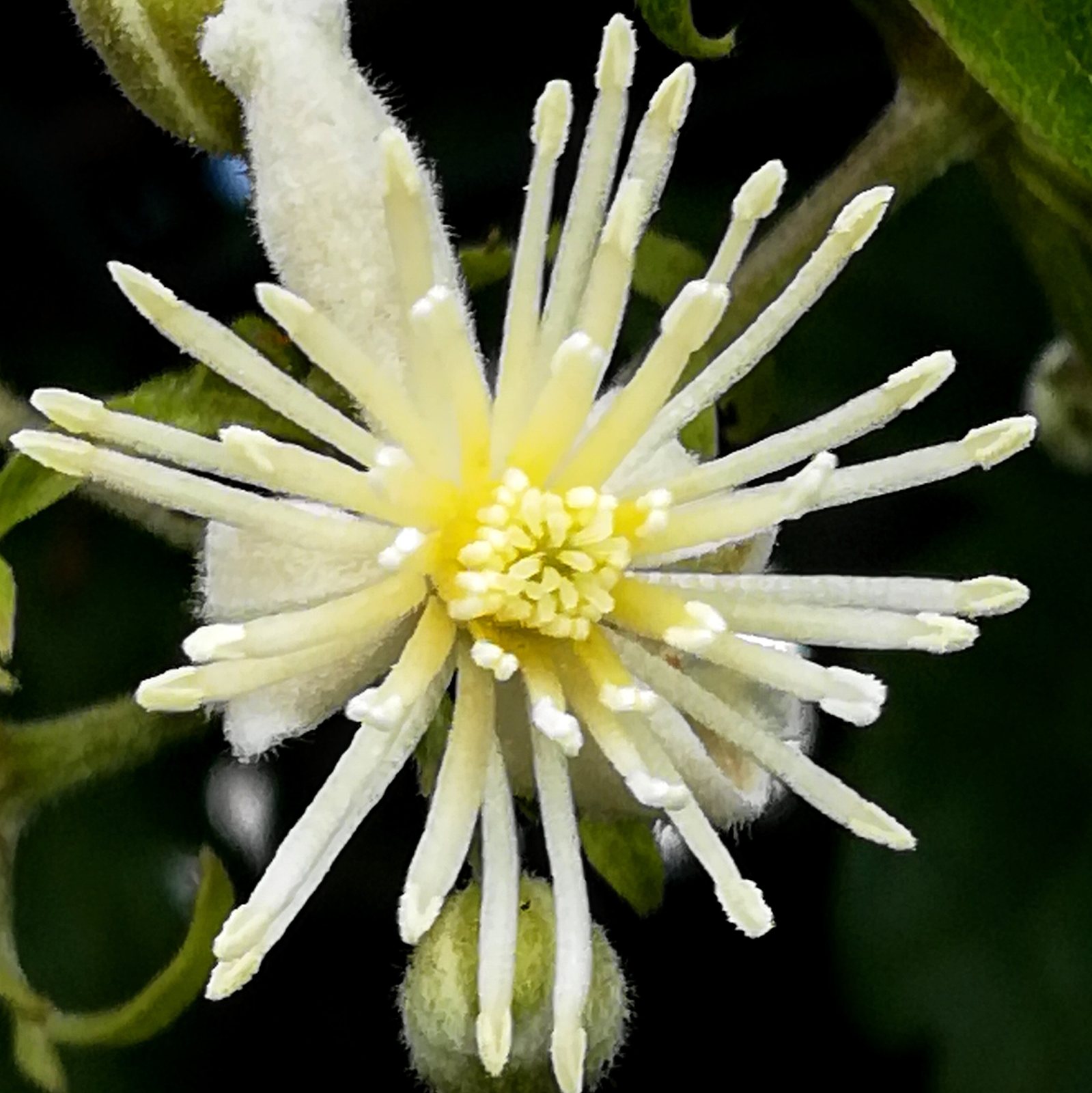
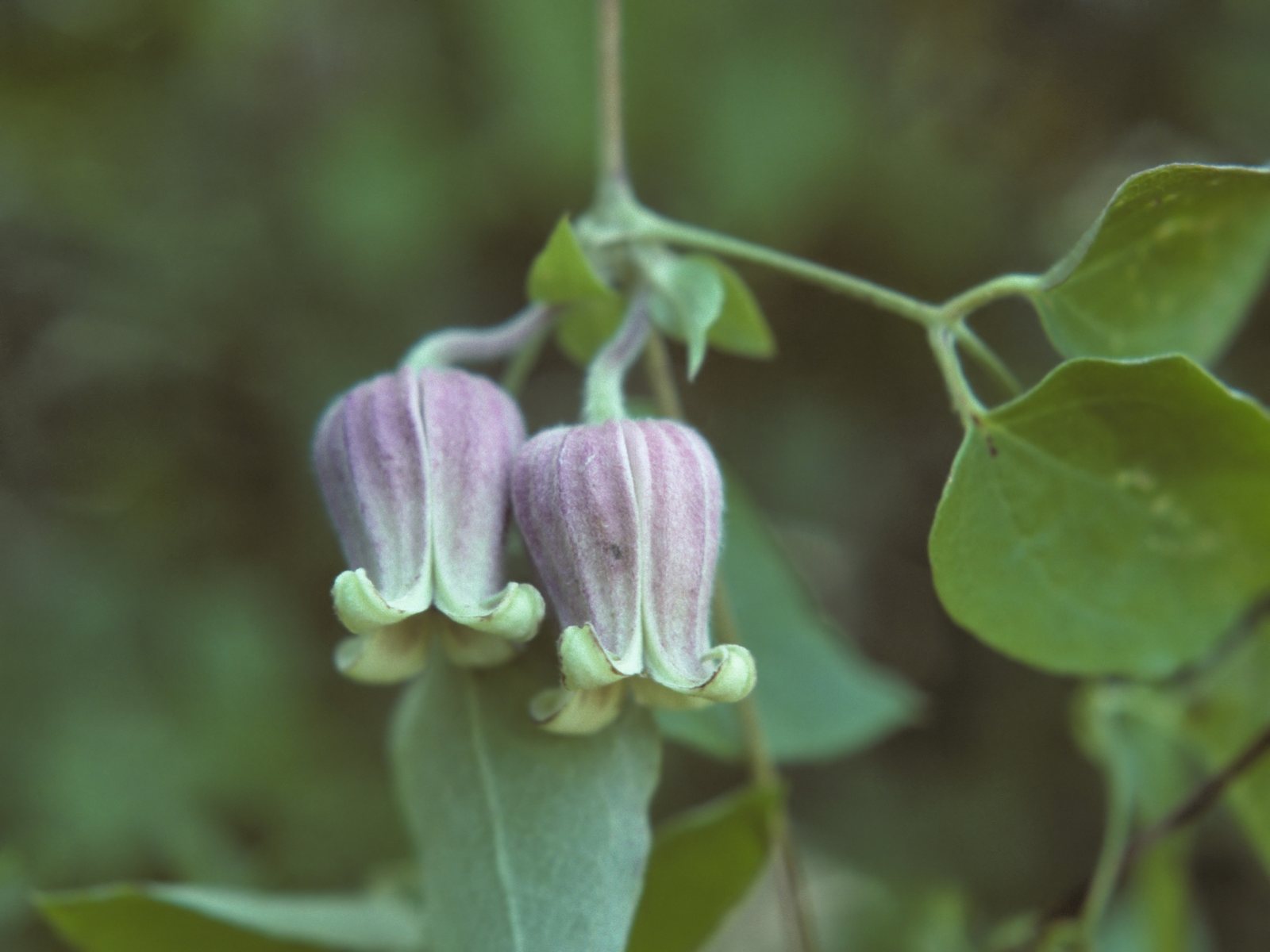
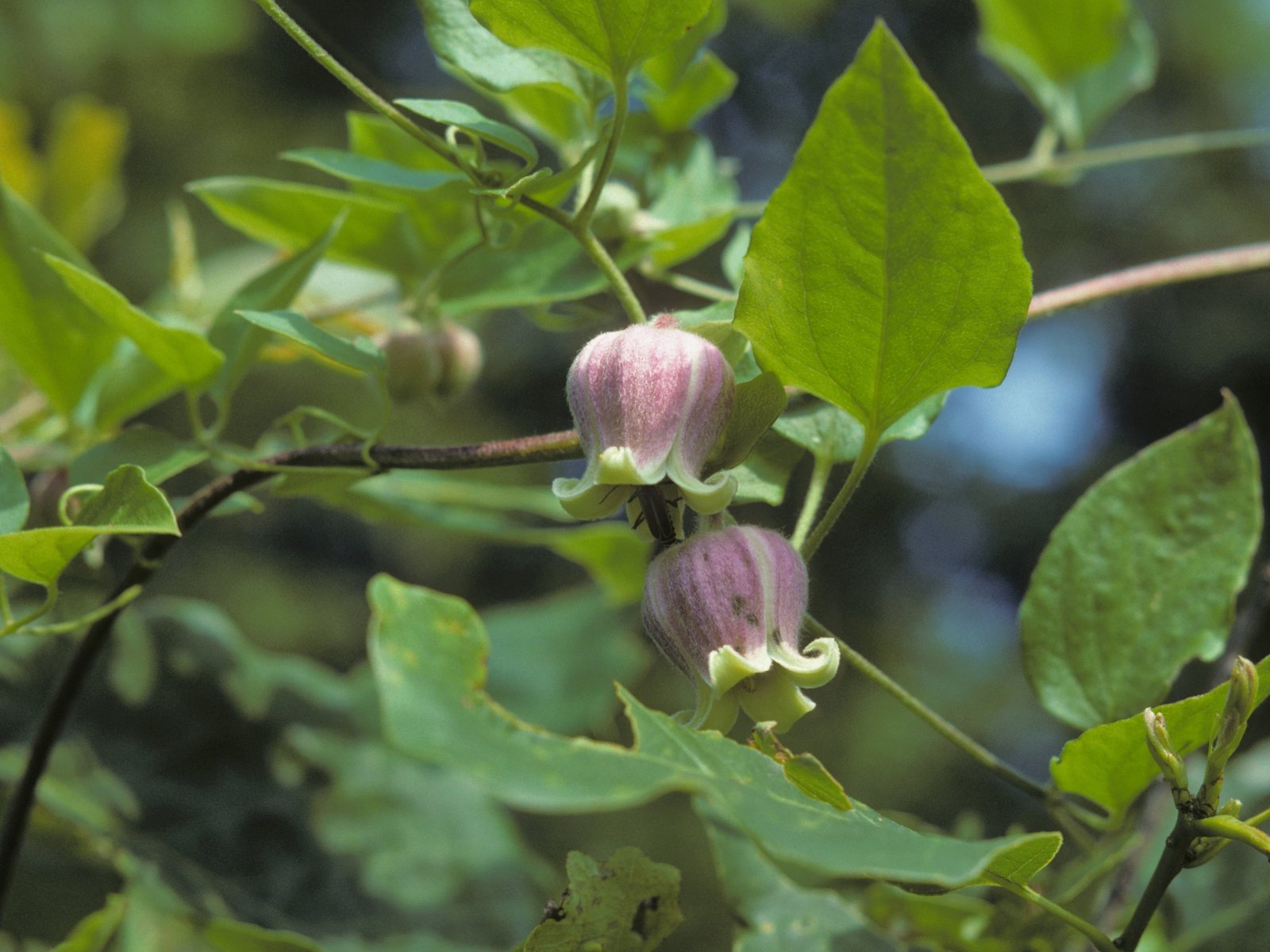
Clematis 'Henryi' is a deciduous climber grown for its large white flowers with contrasting brown anthers. Its main display comes in late spring or early summer, often followed by a smaller flush later in summer. Give it a trellis or other slender supports that its leaf stalks can grip.
At a glance
- Sun
- Full sun to partial shade; afternoon shade helps in hot climates. Keep the root area cool without shading all the climbing growth.
- Water
- Keep evenly moist, especially during establishment and flowering; water deeply during dry spells without leaving the soil waterlogged.
- Soil
- Fertile, moisture-retentive but well-drained soil, from slightly acidic to alkaline.
- Height
- 8-12 ft (2.4-3.7 m)
- Spread
- 3-6 ft (0.9-1.8 m)
- Flowers
- Large white flowers with brown anthers in late spring to early summer, often repeating in late summer.
- Foliage
- Green leaves divided into leaflets, with curling leaf stalks that attach to narrow supports; bare stems remain after autumn leaf fall.
- Growth
- Moderate to fast once established; young plants may take two or three seasons to develop substantial growth.
- Care needed
- Medium
The year at a glance
- Pollinators
- Cold hardy
- Low allergen
| J | F | M | A | M | J | J | A | S | O | N | D | |
|---|---|---|---|---|---|---|---|---|---|---|---|---|
| Flowers | ||||||||||||
| Fruit | ||||||||||||
| Plant |
Northern hemisphere months. In Australia, shift them by six.
- Difficulty
- Moderate
- Toughness
- Fairly tough
Will it suit your garden?
Pick your zone, country, light and whether you have pets.
Full sun is 6 or more hours of direct sun a day, part shade 3 to 6 hours, shade under 3.
How it grows
Planting day
2 ft (0.6 m)
After 1 year
3 ft (0.98 m)
After 2 years
4 ft (1.4 m)
After 3 years
6 ft (1.7 m)
After 5 years
6 ft (1.8 m)
full size
About 3 years to full size.
From a typical nursery size, at an average rate for this kind of plant. A rule of thumb, not a forecast.
Good to know
- Cats and dogs
- Toxic
- Growth rate
- Fast
Care
Jobs through the year
- WaterApr–May, Sep–Oct, every 14 days
- Water established plants deeply if soil is drying; check young plants more often.
- WaterJun–Aug, every 7 days
- Water deeply during dry weather; give extra attention during the first two growing seasons.
- FeedMar–Apr
- Apply balanced fertilizer at the label rate; avoid excessive nitrogen.
- MulchMar–Apr
- Spread 5–8 cm compost or organic mulch, keeping it clear of stems.
- PruneFeb–Mar
- Remove dead and weak stems; shorten healthy stems to their highest strong bud pair.
- PruneJun–Jul
- After the first flush, shorten selected flowered shoots to strong buds.
- ProtectMar–May
- Protect emerging shoots from slugs and guide young stems onto supports.
- ProtectOct–Nov
- Clear diseased fallen foliage and check drainage around the roots.
- Plant with the crown about 2-3 in (5-8 cm) below the soil surface in well-drained ground.
- Install a trellis, wires or mesh at planting, and loosely tie in young shoots until they attach.
- Water deeply during dry weather, particularly through the first two growing seasons.
- Apply a 2-3 in (5-8 cm) layer of compost or organic mulch over the root area, keeping it away from the stems.
- Apply a balanced fertiliser in spring according to the label; avoid heavy nitrogen feeding.
Pruning. Treat as pruning group 2: in late winter or early spring, remove dead and weak stems, then shorten remaining stems to the highest strong pair of buds. After the first flowering, shorten selected flowered shoots to strong buds to encourage another flush; cutting everything hard each year sacrifices the early display.
Through the year
- Late winter
- Check supports and remove dead or weak stems; lightly prune healthy stems above strong buds.
- Spring
- Apply balanced fertiliser and renew mulch over moist soil.
- Spring
- Guide new shoots onto supports before they become tangled or break.
- Early summer
- After the first flowers fade, lightly shorten selected flowered shoots to encourage repeat bloom.
- Summer
- Water deeply during dry spells and inspect young growth for aphids and slug damage.
- Autumn
- Remove fallen diseased foliage and check that the root area drains freely before winter.
In the garden
- Train over a narrow trellis beside a doorway, where the large flowers can be seen closely.
- Grow through a climbing rose to add white flowers among pink or purple blooms.
- Cover an obelisk within a mixed border, with low perennials shading the root area.
- Train against a dark fence or evergreen background to make the white flowers stand out.
Garden styles it suits: English country, Cottage garden, Romantic rose garden, White garden, Moon garden and Modern courtyard.
Plant it with: Climbing roses, Hardy geraniums, Catmint, Lady's mantle, Salvias and Hostas.
Wildlife: Open flowers can provide pollen for visiting bees and other insects, although this large-flowered hybrid is not a major nectar plant. Dense established growth offers shelter for small garden animals.
Problems to watch for
- Clematis wilt can cause sudden collapse of individual shoots: cut affected stems back into healthy tissue or to ground level, remove diseased material and protect new shoots from damage; established roots may resprout.
- Slugs and snails eat emerging shoots: inspect at dusk, remove pests and use wildlife-conscious controls where necessary.
- Aphids cluster on soft growth: dislodge them with water or use insecticidal soap according to the label if infestations persist.
- Dry roots or waterlogging cause poor growth and leaf loss: mulch and water during drought, but improve drainage rather than repeatedly watering saturated soil.
Safety
Toxic to people, cats, dogs and horses if eaten. Fresh leaves, stems and other parts contain irritant compounds that can cause mouth irritation, drooling, vomiting or diarrhoea; serious poisoning is uncommon because the plant tastes acrid. Sap may irritate skin, so wear gloves when pruning.
Easily confused with
Gillian Blades clematis (Clematis 'Gillian Blades')
Also has large white flowers, but its anthers are pale yellow rather than the contrasting brown anthers of 'Henryi'.
Guernsey Cream clematis (Clematis 'Guernsey Cream')
Flowers open pale primrose or creamy yellow, often with a greenish central stripe, before fading towards cream; 'Henryi' has whiter flowers and darker anthers.
The name
Clematis comes from the Greek word klema, meaning a vine shoot or tendril.
Propagation. Take softwood cuttings in late spring or early summer, or layer a low-growing stem into nearby soil. Vegetative propagation preserves the cultivar; seedlings will not reliably resemble 'Henryi'.
Checked against open data
- Accepted botanical name
- Clematis
Sources: GBIF (CC BY 4.0). The care and design notes are LandscapeGPT's own.
See it in your own yard.
Upload a photo of your yard and see it redesigned with plants that suit your climate, each checked against your zone.