Heritage raspberry
Rubus idaeus 'Heritage'. Family Rosaceae. Shrub.
Also called Heritage red raspberry, Heritage autumn-fruiting raspberry, Heritage everbearing raspberry.
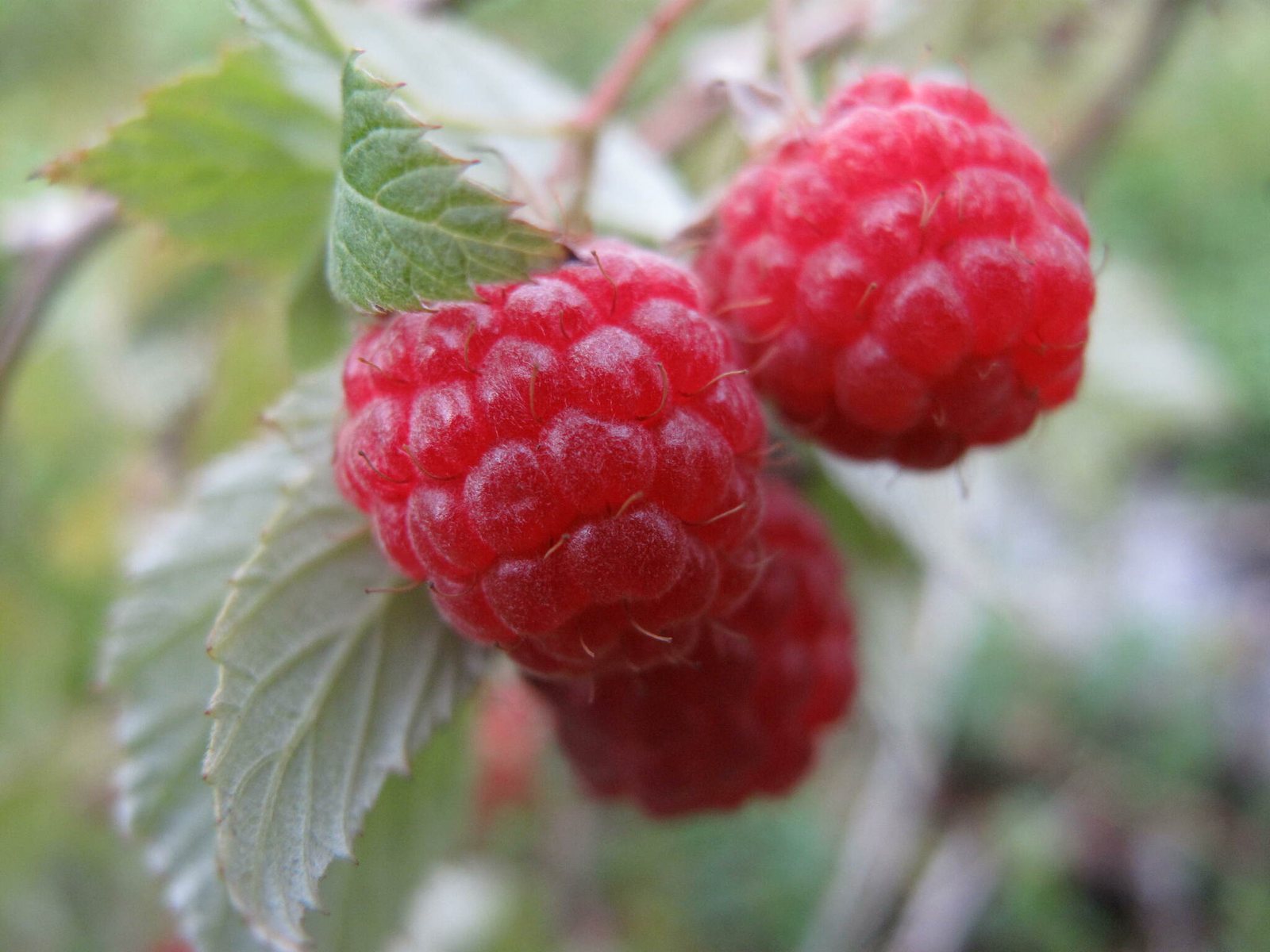
Heritage is a deciduous raspberry grown for firm, sweet red berries, mainly on new canes in late summer and autumn. Its roots are perennial, but individual canes live for two years. It crops best where summers are warm enough to ripen its relatively late harvest before autumn frosts.
At a glance
- Sun
- Full sun, ideally at least 6-8 hours daily; light afternoon shade can help in hot districts.
- Water
- Keep evenly moist, especially during flowering and fruit development; avoid waterlogged soil.
- Soil
- Fertile, well-drained loam with plenty of organic matter; slightly acidic soil, around pH 5.5-6.5, is ideal.
- Height
- 4-6 ft (1.2-1.8 m)
- Spread
- 2-3 ft (0.6-0.9 m) per crown initially; root suckers can spread much farther.
- Flowers
- Small white flowers in summer on new canes; overwintered canes can also flower in spring to early summer.
- Foliage
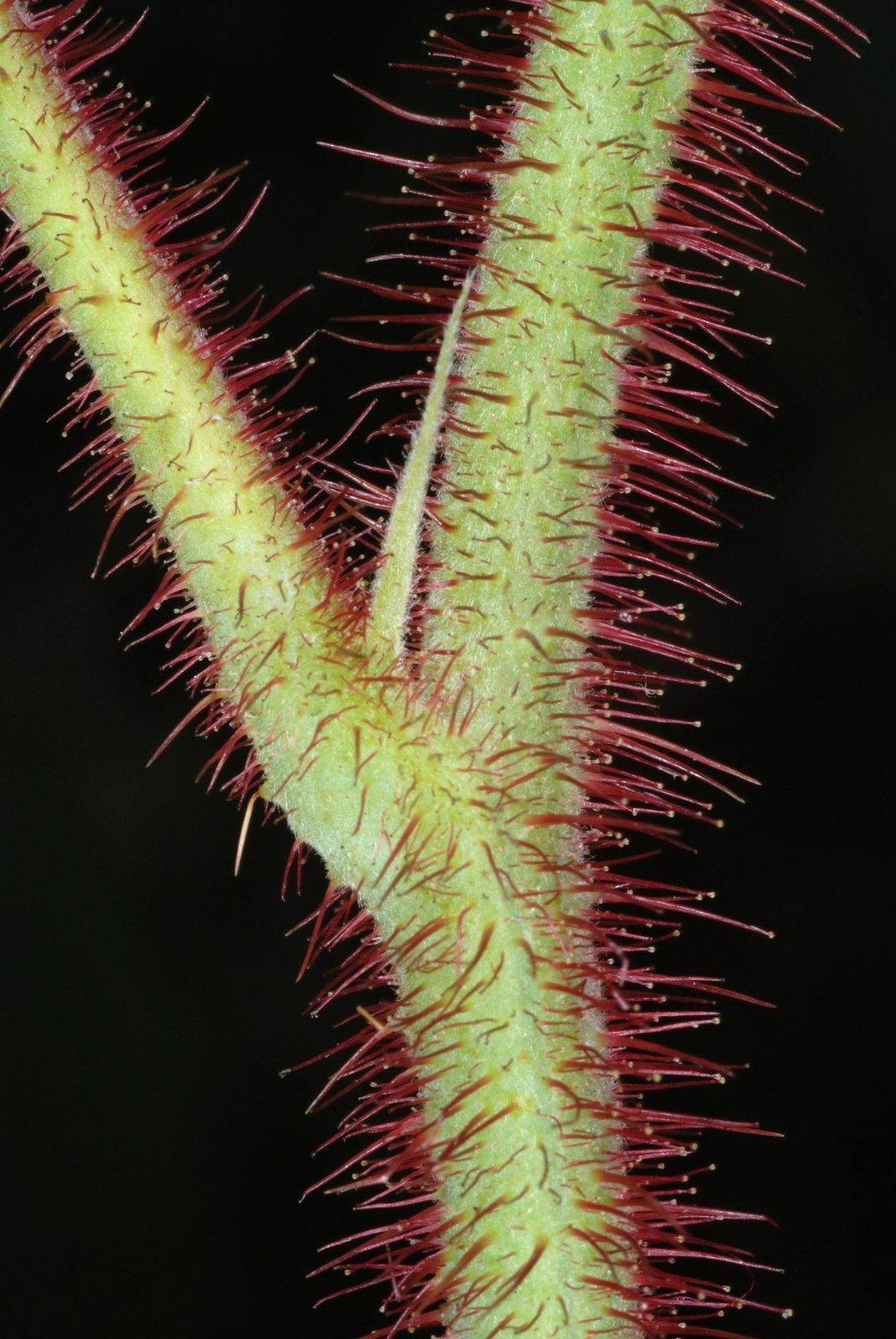
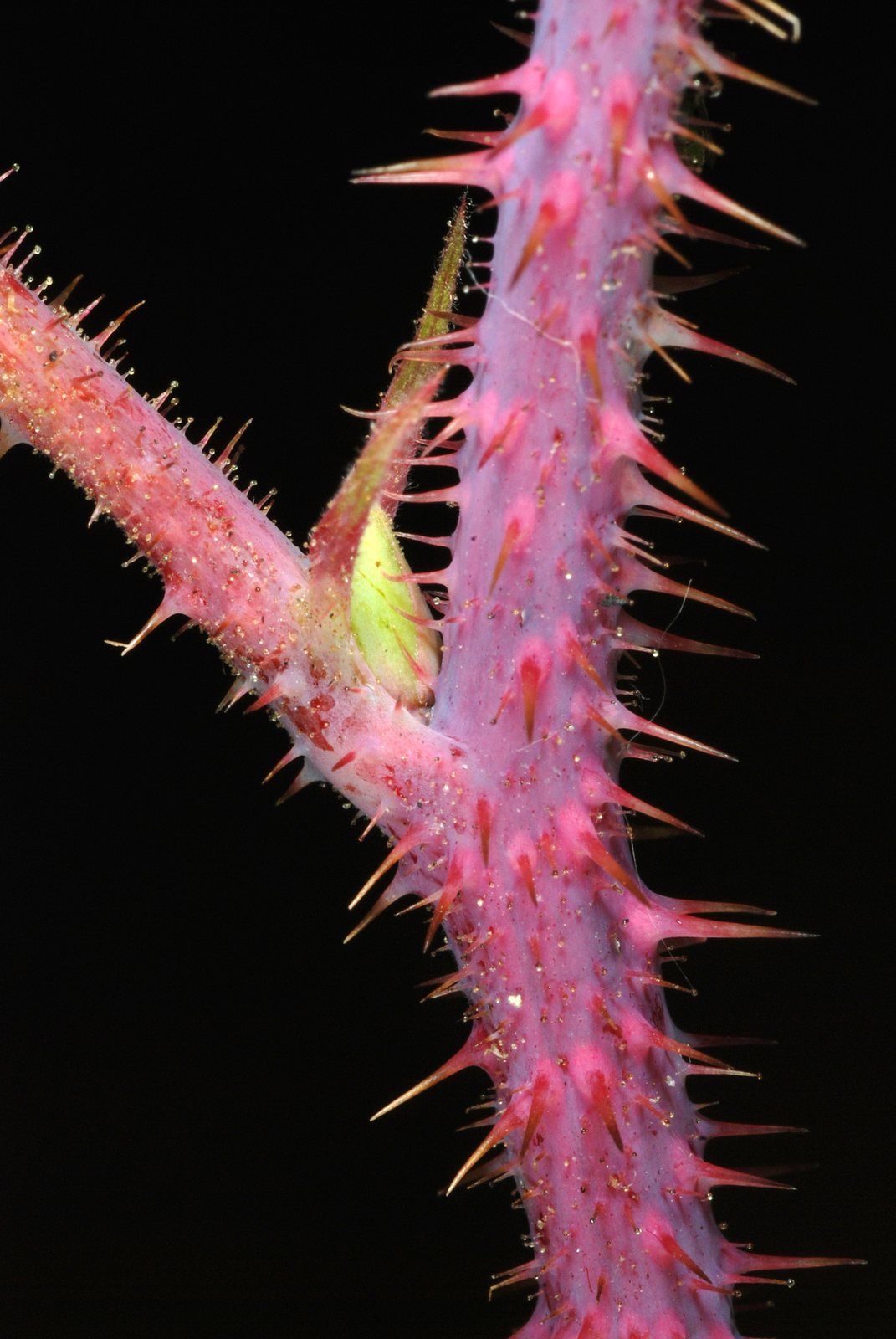
- Green, toothed leaves with pale undersides, usually divided into three or five leaflets; canes bear small prickles.
- Growth
- Fast; produces new canes and root suckers each growing season.
- Care needed
- Medium
The year at a glance
- Pollinators
- Cold hardy
- Wildlife
- Low allergen
- Edible
| J | F | M | A | M | J | J | A | S | O | N | D | |
|---|---|---|---|---|---|---|---|---|---|---|---|---|
| Flowers | ||||||||||||
| Fruit | ||||||||||||
| Plant |
Northern hemisphere months. In Australia, shift them by six.
- Difficulty
- Easy
- Toughness
- Fairly tough
Will it suit your garden?
Pick your zone, country, light and whether you have pets.
Full sun is 6 or more hours of direct sun a day, part shade 3 to 6 hours, shade under 3.
How it grows
Planting day
1.6 ft (0.5 m)
After 1 year
2.7 ft (0.81 m)
After 2 years
4 ft (1.1 m)
After 3 years
5 ft (1.4 m)
After 5 years
5 ft (1.5 m)
full size
About 3 years to full size.
From a typical nursery size, at an average rate for this kind of plant. A rule of thumb, not a forecast.
Good to know
- Cats and dogs
- Safe
- Native to
- the US, Canada and the UK
- In the garden
- Spreads vigorously: plan to contain it.
- Growth rate
- Fast
Care
Jobs through the year
- WaterApr–May, Oct, every 14 days
- Water established plants deeply if rain is insufficient; young plants need more frequent watering.
- WaterJun–Sep, every 7 days
- Supply about 2.5-4 cm weekly during fruit development, including rainfall; water at soil level.
- FeedMar
- Apply compost and a balanced fertiliser at the labelled rate without excessive nitrogen.
- MulchMar–Apr
- Apply 5-8 cm of organic mulch, keeping cane bases clear.
- PruneFeb–Mar
- For one autumn crop, cut all canes to ground level before new growth starts.
- PruneMay–Jun
- Thin crowded new canes, remove wandering suckers and secure remaining canes to wires.
- ProtectAug–Oct
- If birds take fruit, use supported wildlife-safe netting and check it daily.
- HarvestAug–Oct
- Pick fully red berries that slip off their cores; remove spoiled fruit promptly.
- Water at soil level during dry spells, providing roughly 1-1.5 in (2.5-4 cm) weekly while fruit develops, allowing for rainfall.
- Apply compost and a balanced fertiliser in early spring according to the product label; avoid excessive nitrogen.
- Mulch with 2-3 in (5-8 cm) of composted bark or similar organic material, keeping it clear of cane bases.
- Support canes between horizontal wires to keep fruit accessible and stems off the ground.
- Remove suckers outside the bed and thin crowded growth to maintain light and airflow.
Pruning. For one main autumn crop, cut all canes to ground level in late winter before new growth begins. For two crops, retain the unfruited lower portions of last year's canes for an early-summer harvest, then remove those canes completely after they finish fruiting.
Harvest
Pick fully red berries in late summer and autumn when they slip easily from the pale central core; check plants every day or two during peak cropping. A light crop may develop in the planting year, with the first substantial crop usually in the second growing season. Retained overwintered canes can provide an additional early-summer crop, but early autumn frosts may cut short the main harvest.
Through the year
- Late winter
- Cut all canes to ground level if growing for a single autumn crop.
- Early spring
- Plant dormant canes while soil is workable; feed established plants and renew mulch.
- Late spring
- Thin crowded new growth, remove wandering suckers and arrange supports.
- Summer
- Water consistently during flowering and fruit development; inspect ripening berries for damage.
- Late summer
- Begin picking ripe berries frequently and remove damaged or mouldy fruit.
- Autumn
- Continue harvesting until frost and clear fallen or shrivelled fruit from the bed.
In the garden
- Grow in supported rows in a kitchen garden for straightforward picking and pruning.
- Use along a sunny boundary with a mowing strip or path to make escaping suckers easy to remove.
- Include in an edible landscape behind lower herbs and flowers, keeping the raspberry root zone accessible.
- Plant in a dedicated berry bed near a path so ripe fruit can be picked frequently.
Garden styles it suits: Potager (kitchen garden), Cottage garden, Edible landscape, Homestead, Backyard orchard and Family-friendly.
Plant it with: Chives, Calendula, Thyme and Yarrow.
Wildlife: Flowers provide nectar and pollen for bees and other insects. Birds and small mammals eat the berries, and dense canes offer shelter.
Problems to watch for
- Phytophthora root rot: plants wilt or die in wet ground; improve drainage, avoid low spots and remove badly affected plants.
- Cane blight and other cane diseases: remove dead or diseased canes, prune in dry weather and keep growth open rather than crowded.
- Spotted wing drosophila: larvae spoil ripening berries where this pest occurs; pick frequently, remove all spoiled fruit and use suitable fine insect mesh before infestation.
- Poor autumn ripening: Heritage can crop too late in cool, short-season districts; choose the warmest sunny position or replace it with an earlier autumn-fruiting cultivar.
Safety
Not known to be toxic to people, cats, dogs or horses. The ripe fruit is edible; prickly canes can scratch skin and mouths.
Where it spreads. Can spread aggressively by underground suckers in temperate gardens in the United States, Canada, the United Kingdom and southern Australia. Keep it in a defined bed and remove shoots that emerge beyond it.
Easily confused with
Summer-fruiting red raspberry (Rubus idaeus)
Leaves and berries may look almost identical, but summer-fruiting cultivars bear their main crop on canes grown the previous year; Heritage also fruits on new-season canes.
Black raspberry (Rubus occidentalis)
Ripe berries are purple-black rather than red, and the arching canes often have a conspicuous whitish bloom and root where their tips touch soil.
Blackberry (Rubus fruticosus aggregate)
A picked blackberry retains its solid central core; a picked raspberry is hollow because its core stays on the plant.
The name
Rubus is the Latin name for bramble, and idaeus refers to Mount Ida, traditionally associated with the raspberry.
Propagation. Lift healthy rooted suckers while dormant, or take root cuttings in late winter. Use certified disease-free planting stock when establishing a new bed; seed does not reliably reproduce the cultivar.
Checked against open data
- Accepted botanical name
- Rubus idaeus
- In the US and Canada
- Native in Alaska, Canada, the lower 48 states and St. Pierre and Miquelon. Introduced in Alaska, Canada and the lower 48 states.
- Native range
- Alaska, Albania, Altay, Amur, Arizona, Austria, Baltic States, Belarus, Belgium, British Columbia, Bulgaria and Buryatiya.
- Measured
- Soil pH 5 to 7.5. Average height 94 cm.
Sources: GBIF (CC BY 4.0), USDA PLANTS and Trefle (CC BY 4.0). The care and design notes are LandscapeGPT's own.
See it in your own yard.
Upload a photo of your yard and see it redesigned with plants that suit your climate, each checked against your zone.