Holly fern
Cyrtomium falcatum. Family Dryopteridaceae. Fern.
Also called Japanese holly fern, House holly fern.
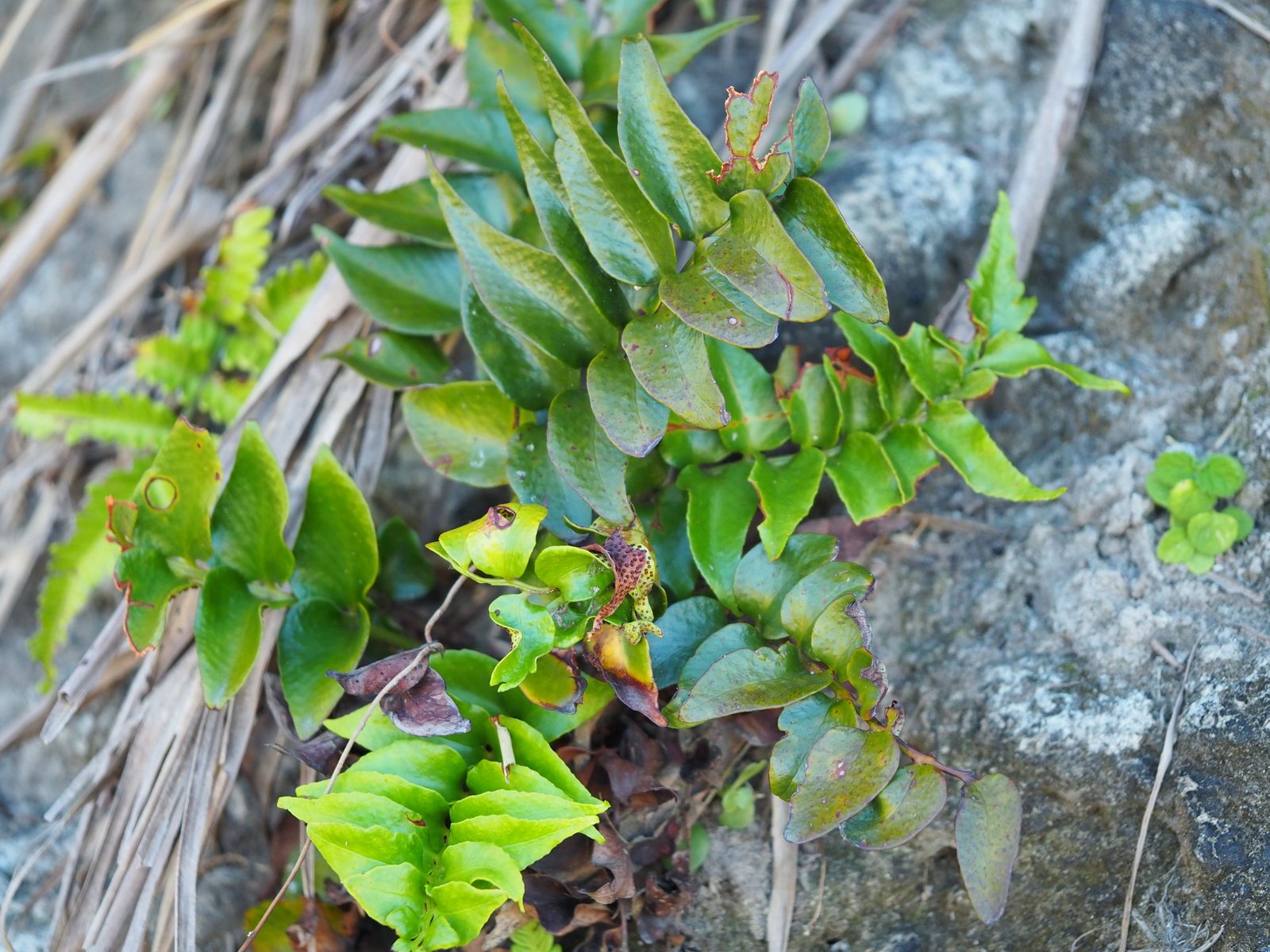
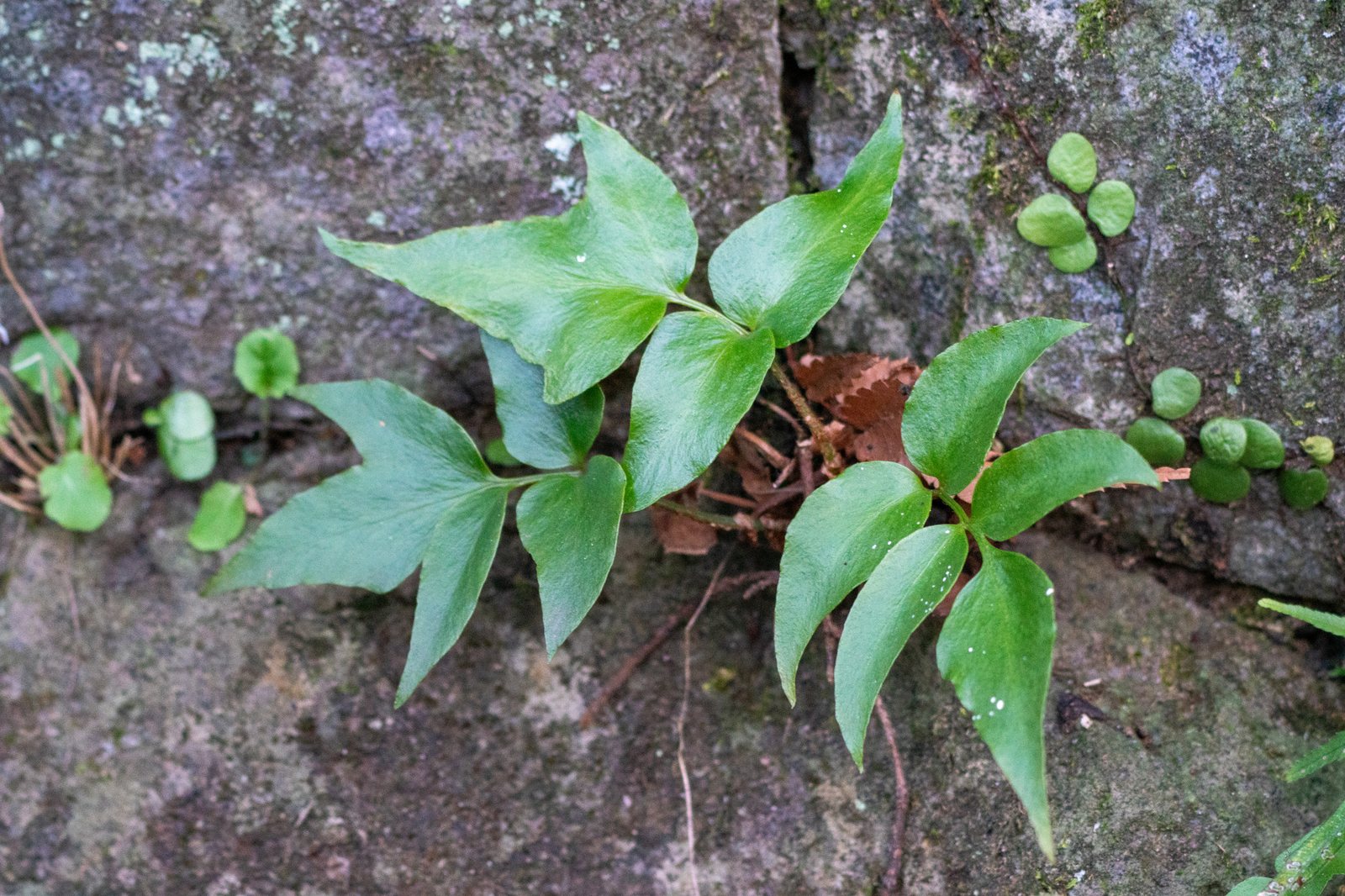
Holly fern forms a broad clump of arching fronds with glossy, holly-like leaflets. Gardeners grow it for bold evergreen texture in shady borders and containers; cold winters can damage or kill back the foliage.
At a glance
- Sun
- Partial to full shade; gentle morning sun is suitable, but avoid strong afternoon sun.
- Water
- Keep evenly moist while establishing. Established plants tolerate brief dry spells, but grow best with regular watering during dry weather.
- Soil
- Humus-rich, well-drained soil that retains some moisture; tolerates a range of soil pH.
- Height
- 1.5-2 ft (0.45-0.6 m)
- Spread
- 2-3 ft (0.6-0.9 m)
- Foliage
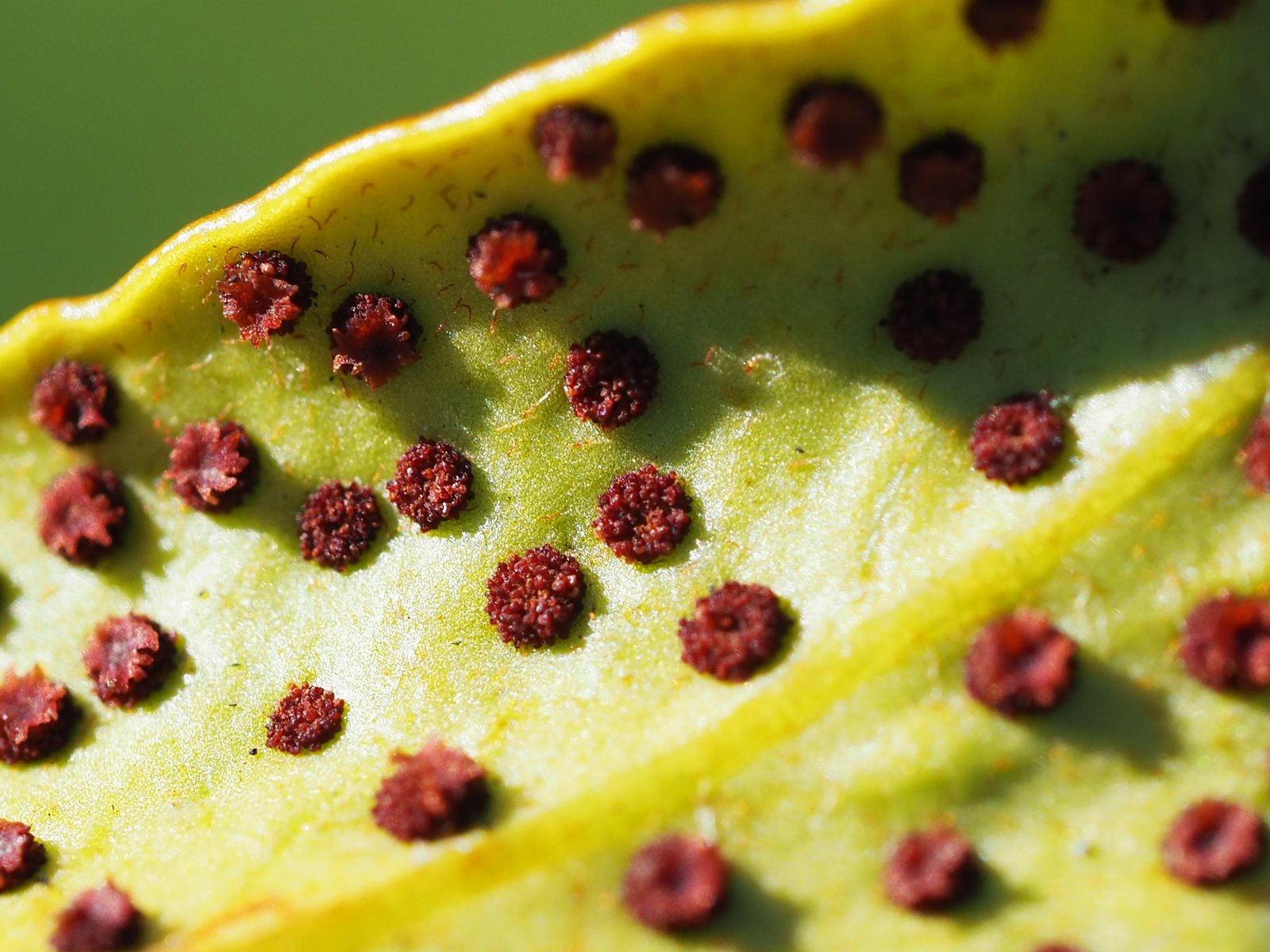
- Evergreen. Leathery, glossy dark-green fronds with broad, pointed, often sickle-shaped leaflets. Round brown spore cases develop beneath mature fronds.
- Growth
- Moderate
- Care needed
- Low
The year at a glance
- Deer resistant
- Heat tolerant
- Wildlife
- Low allergen
| J | F | M | A | M | J | J | A | S | O | N | D | |
|---|---|---|---|---|---|---|---|---|---|---|---|---|
| Plant |
Northern hemisphere months. In Australia, shift them by six.
- Difficulty
- Moderate
- Toughness
- Fairly tough
Will it suit your garden?
Pick your zone, country, light and whether you have pets.
Full sun is 6 or more hours of direct sun a day, part shade 3 to 6 hours, shade under 3.
How it grows
Planting day
1 ft (0.3 m)
After 1 year
1.2 ft (0.37 m)
After 2 years
1.5 ft (0.45 m)
After 3 years
1.7 ft (0.53 m)
full size
About 3 years to full size.
From a typical nursery size, at an average rate for this kind of plant. A rule of thumb, not a forecast.
Good to know
- Cats and dogs
- Safe
- Invasive in
- the US and Australia
- Growth rate
- Moderate
Care
Jobs through the year
- WaterApr–May, Sep–Oct, every 14 days
- Water established plants if the upper soil is drying; new plants need more frequent checks.
- WaterJun–Aug, every 7 days
- Water deeply in dry weather, keeping soil moist but never waterlogged.
- PruneFeb–Mar
- Cut damaged or brown fronds to their bases before new growth; retain healthy green fronds.
- DivideApr–May
- Divide only crowded clumps once severe frost has passed.
- MulchApr–May
- Apply leaf mould or compost around the plant without covering the crown.
- ProtectJan–Mar, Nov–Dec
- In zone 6, overwinter pots frost-free; shelter outdoor crowns from severe frost and winter wet.
- Plant with the crown at soil level, in shade sheltered from drying winds.
- Water deeply when the upper soil begins to dry; do not leave the roots waterlogged.
- Apply leaf mould or compost around the plant each spring, keeping it clear of the crown.
- Feed container plants lightly with a balanced liquid fertiliser during active growth.
- Protect container roots from prolonged freezing, or move pots to a cool, frost-free position.
Pruning. In late winter or early spring, cut brown, frost-damaged or worn fronds back to their bases before new growth unfurls. Retain healthy green fronds rather than cutting the whole plant down routinely.
Through the year
- Early spring
- Remove damaged fronds before new growth begins.
- Spring
- Plant or divide clumps once the soil is workable and severe frost has passed.
- Late spring
- Refresh the mulch with leaf mould or compost, leaving the crown exposed.
- Summer
- Water during dry spells and check containers regularly for drying out.
- Autumn
- Clear heavy accumulations of fallen leaves from the crown without disturbing healthy fronds.
- Winter
- Shelter pots from prolonged freezing and avoid keeping dormant plants excessively wet.
In the garden
- Plant beneath deciduous trees with hostas and hellebores for contrasting leaf shapes.
- Use repeated clumps along a shaded path to create a low, glossy foliage edge.
- Grow in containers in sheltered, shady courtyards for year-round structure in mild climates.
- Combine with fine-textured ferns and sedges to make its broad leaflets stand out.
Garden styles it suits: Woodland, Japanese, Modern courtyard, Green on green, Tropical and Winter interest.
Plant it with: Hostas, Hellebores, Japanese forest grass, Epimediums, Japanese painted fern and Cast iron plant.
Wildlife: Dense clumps provide shelter for small invertebrates. As a fern, it has no flowers, nectar or pollen for pollinators.
Problems to watch for
- Scorched or brown-edged fronds: move plants out of strong sun, shelter from drying wind and check soil moisture.
- Crown or root rot in wet soil: improve drainage, reduce watering and keep mulch away from the crown.
- Scale insects, especially under cover: inspect frond undersides, remove small infestations by hand and use a labelled insecticidal soap if needed.
- Slugs and snails on emerging fronds: inspect at dusk, remove pests and use wildlife-conscious slug controls where damage persists.
Safety
Not known to be toxic to cats, dogs, horses or people. No part is recognised as poisonous, but it is not an edible plant and eating foliage may cause digestive upset.
Where it spreads. Spreads by windborne spores and can escape cultivation. It is invasive in Hawaii and is an environmental weed in parts of southeastern Australia, including New South Wales. Check local guidance before planting near natural habitats.
Easily confused with
Fortune's holly fern (Cyrtomium fortunei)
Usually has narrower, less glossy, paler green leaflets and more leaflet pairs per frond; it is generally more cold-hardy.
Japanese tassel fern (Polystichum polyblepharum)
Has finely divided, feathery fronds rather than the broad, simple leaflets of holly fern; emerging fronds carry conspicuous golden-brown scales.
The name
The species name falcatum means sickle-shaped, referring to the curved leaflets, while holly fern describes their glossy, pointed, holly-like appearance.
Propagation. Divide established, multi-crowned clumps in spring, keeping roots and a growing point on each section. It can also be raised from spores, although this is slower and requires clean, humid conditions.
Checked against open data
- Accepted botanical name
- Cyrtomium falcatum
- In the US and Canada
- Introduced in Hawaii and the lower 48 states.
- Native range
- China North-Central, China Southeast, Japan, Kazan-retto, Korea, Manchuria, Nansei-shoto, Ogasawara-shoto, Taiwan and Vietnam.
Sources: GBIF (CC BY 4.0), USDA PLANTS and Trefle (CC BY 4.0). The care and design notes are LandscapeGPT's own.
See it in your own yard.
Upload a photo of your yard and see it redesigned with plants that suit your climate, each checked against your zone.