Hot Cocoa rose
Rosa 'WEKpaltez'. Family Rosaceae. Shrub.
Also called Hot Chocolate rose, Rosa 'WEKpaltlez'.
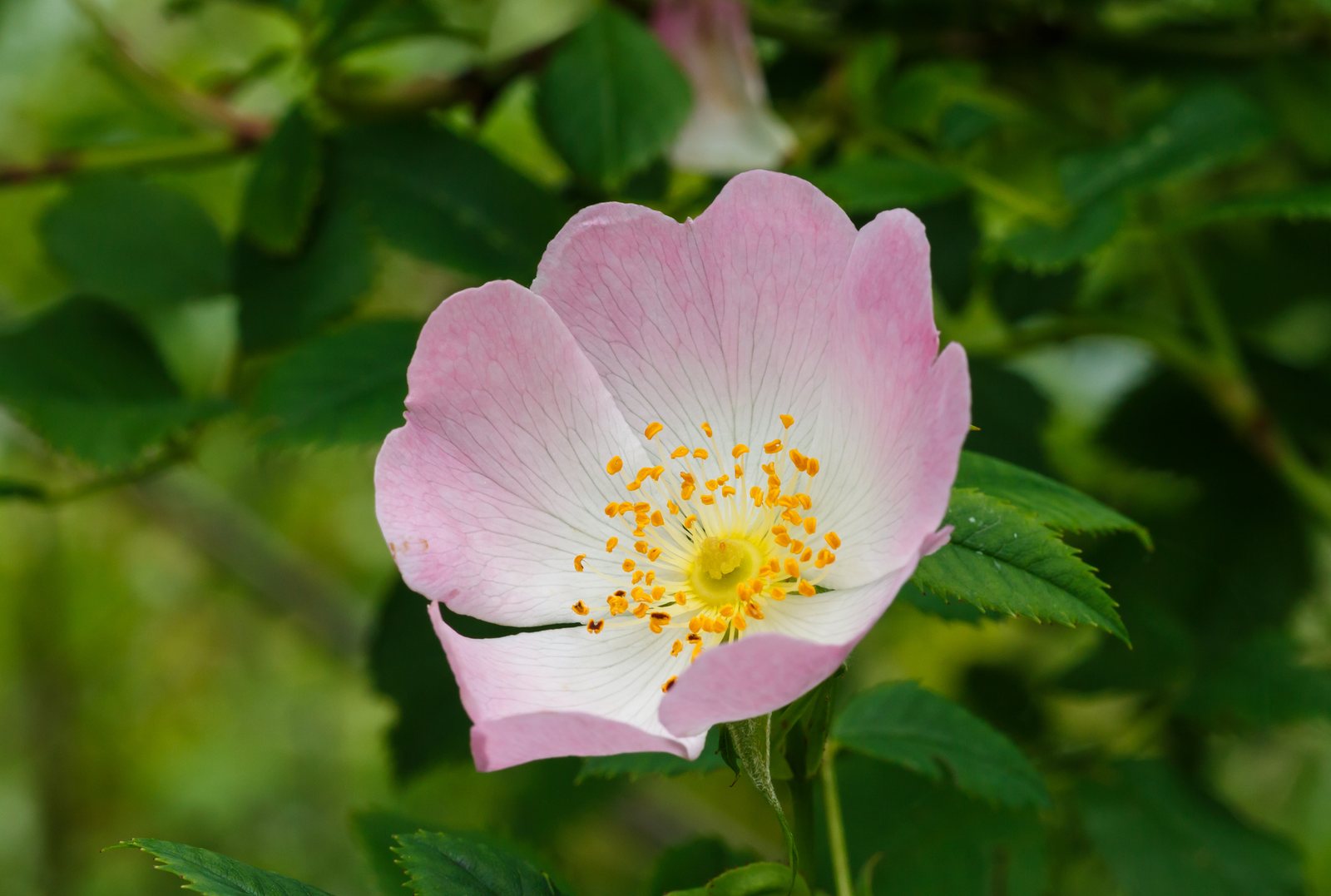
Hot Cocoa is a repeat-flowering floribunda rose grown for clusters of smoky orange, russet and reddish-brown flowers with a light fragrance. Its unusual colouring changes with temperature and flower age, making it useful in warm-coloured borders and as a cut flower.
At a glance
- Sun
- Full sun, ideally at least 6 hours daily; light afternoon shade can help in very hot climates.
- Water
- Water deeply when the top 2 in (5 cm) of soil dries; newly planted roses and container plants need more frequent checks.
- Soil
- Fertile, well-drained soil that retains some moisture; slightly acidic to neutral soil is ideal. Avoid waterlogged sites.
- Height
- 3-5 ft (0.9-1.5 m)
- Spread
- 3-4 ft (0.9-1.2 m)
- Flowers
- Repeated flushes from late spring or early summer into autumn; double flowers in smoky orange, rusty red and chocolate-brown shades.
- Foliage
- Glossy, dark green, toothed leaves on prickly stems; usually deciduous, though some leaves may persist in mild winters.
- Growth
- Moderate
- Care needed
- Medium
The year at a glance
- Heat tolerant
- Low allergen
- Fragrant
| J | F | M | A | M | J | J | A | S | O | N | D | |
|---|---|---|---|---|---|---|---|---|---|---|---|---|
| Flowers | ||||||||||||
| Plant |
Northern hemisphere months. In Australia, shift them by six.
- Difficulty
- Moderate
- Toughness
- Fairly tough
Will it suit your garden?
Pick your zone, country, light and whether you have pets.
Full sun is 6 or more hours of direct sun a day, part shade 3 to 6 hours, shade under 3.
How it grows
Planting day
1.6 ft (0.5 m)
After 1 year
2.1 ft (0.64 m)
After 2 years
2.6 ft (0.78 m)
After 3 years
3 ft (0.92 m)
After 5 years
4 ft (1.2 m)
full size
About 5 years to full size.
From a typical nursery size, at an average rate for this kind of plant. A rule of thumb, not a forecast.
Good to know
- Cats and dogs
- Safe
- Growth rate
- Moderate
Care
Jobs through the year
- WaterApr–May, Sep–Oct, every 14 days
- Deep-water established roses when the top 5 cm dries; young roses need more frequent watering.
- WaterJun–Aug, every 7 days
- Soak the root zone if the top 5 cm is dry; keep water off foliage.
- FeedMar–Apr
- Apply rose fertiliser as growth begins, following the label.
- FeedJun–Jul
- Feed once after the first main flush; avoid late-summer nitrogen.
- MulchMar–Apr
- Apply 5–8 cm of organic mulch, leaving a gap around stems.
- PruneFeb–Mar
- As buds swell, remove damaged or crossing wood and shorten healthy shoots by one-third to half.
- DeadheadJun–Sep, every 7 days
- Remove faded clusters above a strong leaf to encourage repeat flowering.
- ProtectOct–Nov
- Collect diseased fallen leaves and discard them away from the rose.
- ProtectNov–Dec
- On exposed cold sites, mound soil around the dormant crown or graft union.
- ProtectMar–Apr
- Gradually remove winter mounding as severe frost risk passes.
- Water slowly at soil level, soaking the root zone rather than wetting the leaves.
- Apply a rose fertiliser as spring growth starts, then feed after the first main flush according to the product label; stop feeding by late summer in cold climates.
- Spread 2-3 in (5-8 cm) of organic mulch over the root area, keeping it clear of the stems.
- Remove faded flower clusters to encourage another flush of blooms.
- In zone 5 and exposed cold sites, mound soil or compost around the crown after dormancy and remove it gradually in spring.
Pruning. In late winter or early spring, as buds begin to swell, remove dead, damaged and crossing stems, then shorten healthy shoots by roughly one-third to one-half. Cut just above an outward-facing bud and remove any rootstock suckers at their point of origin.
Through the year
- Late winter
- Plant bare-root roses while dormant if the soil is workable and not waterlogged.
- Early spring
- Prune as buds swell, remove winter protection gradually, and apply the first feed.
- Spring
- Refresh mulch and check new shoots for aphids.
- Summer
- Water during dry spells, deadhead spent clusters, and feed after the first main flowering flush.
- Autumn
- Collect diseased fallen leaves and stop feeding; leave late flowers if you want hips to develop.
- Early winter
- Protect the crown in cold regions once the plant is dormant, and check that winter rain drains freely.
In the garden
- Plant in small groups in a sunny mixed border for repeated patches of warm, smoky colour.
- Combine with blue catmint or purple salvia to contrast with the russet flowers.
- Use as a low flowering hedge beside a lawn, leaving enough space to keep prickly stems away from paths.
- Grow in a large, well-drained container near a sitting area where the flowers can be seen closely.
Garden styles it suits: Cottage garden, English country, Traditional, Romantic rose garden, Hot border and Sensory garden.
Plant it with: Catmint, Perennial salvia, Hardy geranium, Lady's mantle, Ornamental onion and Yarrow.
Wildlife: Open flowers may provide some pollen for visiting insects, but the double blooms are less accessible than single roses. Dense growth offers shelter, and any hips that develop may be taken by birds.
Problems to watch for
- Black spot: remove affected and fallen leaves, water at soil level, and maintain good air circulation; use a locally approved rose fungicide if repeated severe infection warrants it.
- Powdery mildew: avoid drought stress and crowded growth; remove badly affected shoot tips and use an approved treatment if needed.
- Aphids: rub off small colonies or dislodge them with water; encourage ladybirds and other natural predators.
- Winter dieback: protect the crown in cold climates and prune damaged stems back to healthy wood in spring.
Safety
Roses are not known to be toxic to cats, dogs, horses or people. Prickles can puncture skin, mouths and paws, and eating large amounts of plant material may cause stomach upset; garden roses treated with pesticides should not be eaten.
Easily confused with
Koko Loko rose (Rosa 'WEKbijou')
Its flowers open a much paler coffee-and-cream colour and age towards lavender, rather than the stronger smoky orange and russet tones of Hot Cocoa.
Julia's Rose (Rosa 'Julia's Rose')
This hybrid tea has paler coppery-buff flowers, usually carried singly or in smaller groups, rather than Hot Cocoa's darker floribunda clusters.
The name
Hot Cocoa refers to the flowers' unusual brownish colouring; the cultivar denomination is normally spelled 'WEKpaltlez'.
Propagation. Propagate by softwood or semi-ripe cuttings, or by budding onto a suitable rose rootstock. Seedlings will not reliably retain the cultivar's flower colour or habit; check local plant breeders' rights before propagating.
Checked against open data
- Accepted botanical name
- Rosa
Sources: GBIF (CC BY 4.0). The care and design notes are LandscapeGPT's own.
See it in your own yard.
Upload a photo of your yard and see it redesigned with plants that suit your climate, each checked against your zone.