Jalapeño pepper
Capsicum annuum 'Jalapeño'. Family Solanaceae. Annual.
Also called Jalapeno chilli, Jalapeño chilli pepper.
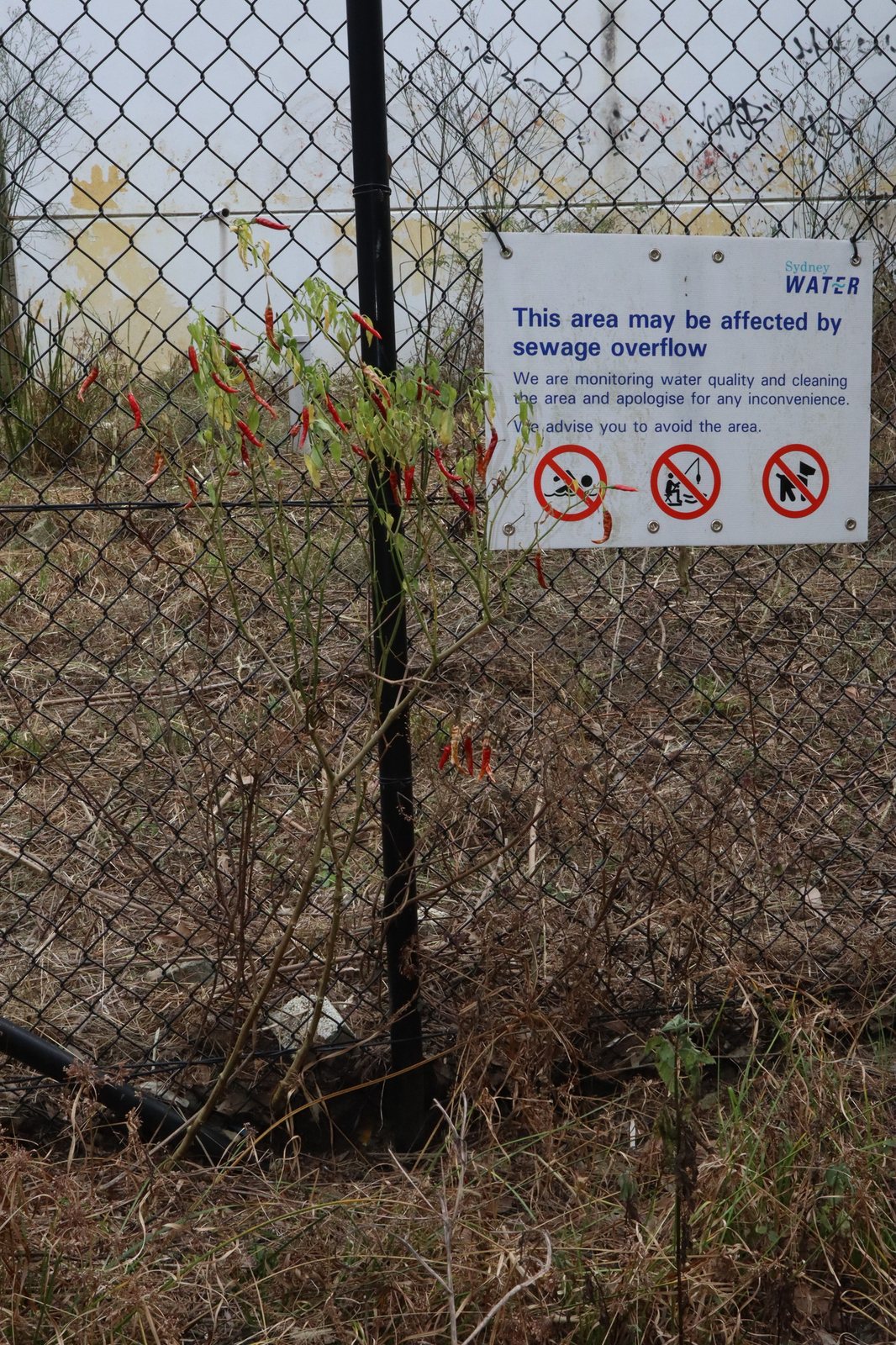
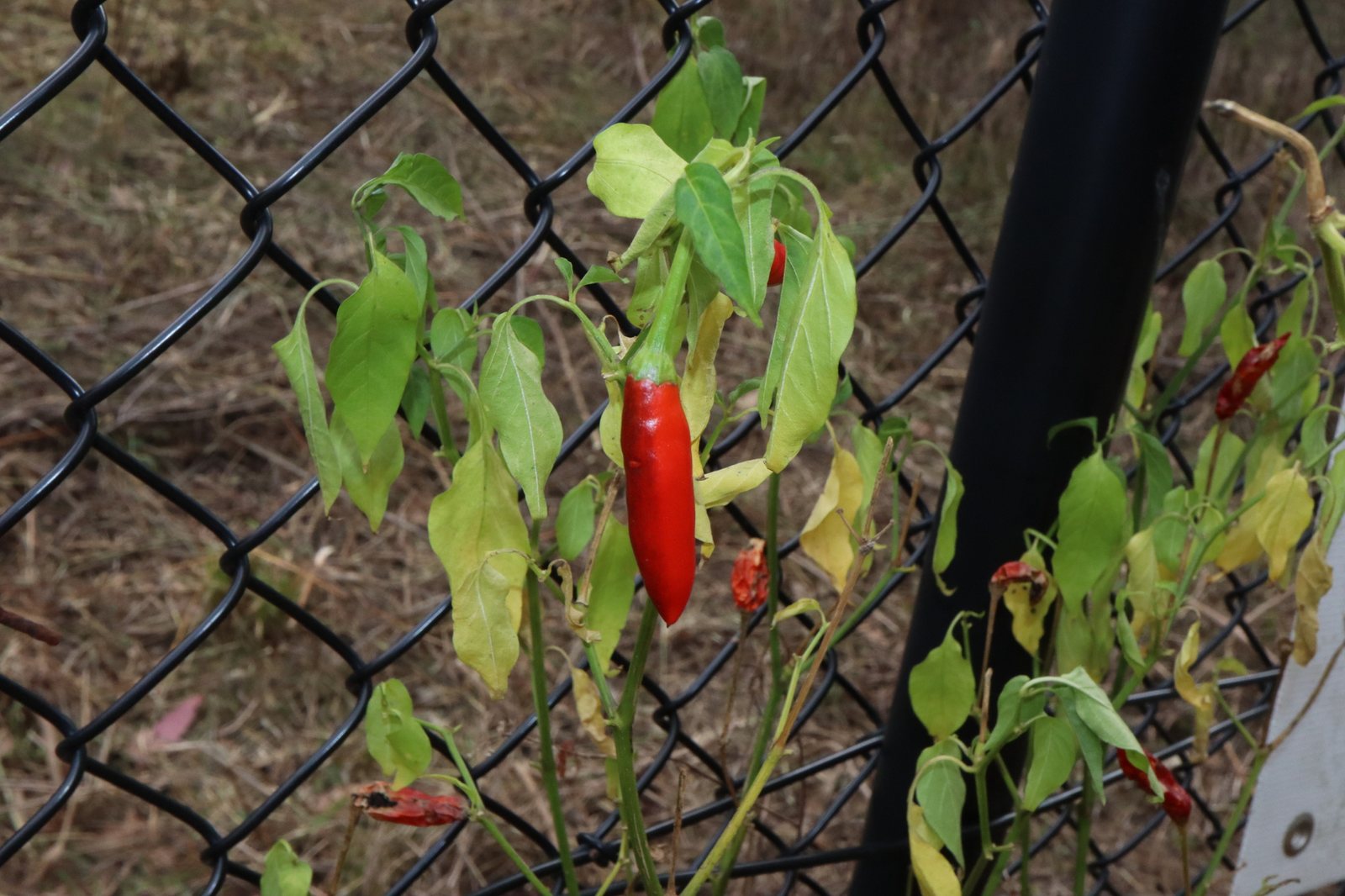
Jalapeño is a frost-tender pepper grown as an annual for its thick-walled, moderately hot fruits, usually picked green but sweeter when fully red. It suits sunny vegetable beds and large pots; in cool-summer areas, a greenhouse or sheltered warm position gives more reliable crops.
At a glance
- Sun
- Full sun, ideally at least 6-8 hours daily; light afternoon shade can help in very hot climates.
- Water
- Water thoroughly when the soil surface starts to dry. Keep moisture even during flowering and fruiting without leaving roots waterlogged.
- Soil
- Fertile, well-drained soil enriched with compost, ideally pH 6.0-7.0. Use quality potting mix in containers with drainage holes.
- Height
- 2-3 ft (0.6-0.9 m)
- Spread
- 1-2 ft (0.3-0.6 m)
- Flowers
- Small white flowers from late spring through summer, sometimes continuing into autumn in warm conditions.
- Foliage
- Smooth, pointed, oval green leaves on branching, increasingly woody stems.
- Growth
- Moderate to fast in warm weather.
- Care needed
- Medium
The year at a glance
- Pollinators
- Heat tolerant
- Low allergen
- Edible
| J | F | M | A | M | J | J | A | S | O | N | D | |
|---|---|---|---|---|---|---|---|---|---|---|---|---|
| Flowers | ||||||||||||
| Fruit | ||||||||||||
| Plant |
Northern hemisphere months. In Australia, shift them by six.
- Difficulty
- Moderate
- Toughness
- Needs looking after
Will it suit your garden?
Pick your zone, country, light and whether you have pets.
Full sun is 6 or more hours of direct sun a day, part shade 3 to 6 hours, shade under 3.
How it grows
Planting day
0.5 ft (0.15 m)
After 1 year
2.5 ft (0.75 m)
full size
Full size in one season.
From a typical nursery size, at an average rate for this kind of plant. A rule of thumb, not a forecast.
Good to know
- Cats and dogs
- Mildly toxic: may upset a stomach
- Native to
- the US
- Growth rate
- Fast
Care
Jobs through the year
- WaterMay–Jun, Sep–Oct, every 7 days
- Water established plants deeply when the surface dries; skip after rain and water new transplants more often.
- WaterJul–Aug, every 3 days
- Maintain even root-zone moisture during fruiting; adjust for rainfall and avoid waterlogging.
- FeedJun–Sep, every 14 days
- Apply a vegetable feed at its labelled rate; avoid excessive nitrogen.
- MulchJun
- Mulch warmed soil to retain moisture, keeping material away from stems.
- ProtectMay–Jun
- Harden off and plant only after frost, with nights above 12°C; stake laden branches.
- HarvestJul–Oct
- Snip full-sized green or ripe red peppers; wear gloves when cutting hot fruit.
- ProtectOct
- Pick remaining usable peppers before frost and remove spent plants.
- Plant out after frost risk has passed, when nights remain above about 12°C (54°F), spacing plants 18-24 in (45-60 cm) apart.
- Use a container of at least 3-5 US gallons (11-19 litres) for each plant.
- Water at soil level and mulch once the soil is warm to reduce drying and soil splash.
- Apply a balanced vegetable fertiliser as directed; avoid excessive nitrogen, which encourages leaves at the expense of fruit.
- Support heavily laden branches with a short stake and soft ties.
- Cut fruits off with scissors rather than pulling them; wear gloves when cutting hot peppers.
Pruning. Routine pruning is unnecessary. Remove damaged or diseased growth as it appears, and avoid heavy pruning that delays cropping or exposes fruit to sunscald.
Harvest
Pick firm, glossy, dark-green peppers about 5–9 cm (2–3½ in) long, usually 70–90 days after transplanting, from summer into autumn. Green jalapeños are ready to use; leave some on the plant until fully red for a sweeter, fully ripe pepper. Snip the stalk with scissors or secateurs rather than pulling, and harvest regularly until frost or cold weather ends production.
Through the year
- Late winter
- Sow indoors 8-10 weeks before your expected planting-out date; provide bright light and a germination temperature of about 24-29°C (75-84°F).
- Spring
- Pot seedlings on when roots fill their containers, keeping them warm and brightly lit.
- Late spring
- Harden plants off gradually and plant outside once frost risk has passed and nights are warm.
- Summer
- Water consistently, feed as directed and check leaf undersides for pests.
- Summer to early autumn
- Harvest firm, full-sized green peppers regularly, or leave some to ripen red.
- Autumn
- Pick remaining usable fruit before frost and remove spent plants; do not compost diseased material.
In the garden
- Plant in orderly vegetable beds with basil and leafy crops for a compact edible display.
- Grow in large patio pots where the green and red fruits can be seen and harvested easily.
- Use as a productive edging in sunny potagers, allowing room to reach each plant.
- Combine with low marigolds or calendulas for flower colour beneath the upright pepper plants.
Garden styles it suits: Potager (kitchen garden), Edible landscape, Homestead, Small-space, Modern courtyard and Mexican hacienda.
Plant it with: Basil, Lettuce, Spring onions, French marigolds and Calendula.
Wildlife: Flowers are self-fertile but are also visited by bees. Birds can eat ripe peppers without experiencing the burning sensation that mammals do.
Problems to watch for
- Aphids: check young shoots and leaf undersides; wash off small colonies or use insecticidal soap labelled for edible crops.
- Red spider mites: common in hot, dry greenhouses; inspect for stippled leaves and fine webbing, and use suitable biological controls or a labelled treatment.
- Blossom-end rot: dark, sunken patches at the fruit tip usually follow uneven moisture and disrupted calcium uptake; maintain steady watering rather than adding calcium without a soil test.
- Poor fruit set: cold nights or excessive heat can cause flower drop; provide warmth in cool regions and ventilation or light afternoon shade during extreme heat.
Safety
The fruits are edible for people, but capsaicin can strongly irritate the mouth, eyes and skin and may cause stomach upset. Jalapeño is not generally classed as poisonous to cats, dogs or horses, but hot fruit can cause irritation and digestive upset, so do not feed it to them. Leaves and stems are not culinary parts and should not be fed to pets or livestock.
Easily confused with
Serrano pepper (Capsicum annuum (Serrano types))
Fruits are usually narrower, more slender and hotter than jalapeños, which have broader shoulders and thicker walls.
Fresno pepper (Capsicum annuum (Fresno types))
Fruits generally taper to a sharper point and have thinner walls; jalapeños usually have a blunter tip. Shape varies, so a plant label is the best guide.
Padrón pepper (Capsicum annuum (Padrón types))
Fruits are typically more wrinkled, irregular and thin-walled than the smooth, thick-walled jalapeño.
The name
Jalapeño means 'from Xalapa', the city in Veracruz, Mexico, associated with this pepper.
Propagation. Sow seed indoors with warmth. Seed saved from open-pollinated plants may come true if protected from crossing with other Capsicum annuum peppers; seed from hybrids may produce variable offspring.
Checked against open data
- Accepted botanical name
- Capsicum annuum
- In the US and Canada
- Native in the lower 48 states. Introduced in Hawaii, the lower 48 states, Navassa Island, Pacific Basin, Puerto Rico and US Virgin Islands.
- Native range
- Guatemala, Mexico Central, Mexico Gulf, Mexico Northeast, Mexico Northwest, Mexico Southeast, Mexico Southwest, Bahamas, Belize, Bolivia, Brazil North and Brazil Northeast.
- Measured
- Average height 60 cm.
Sources: GBIF (CC BY 4.0), USDA PLANTS and Trefle (CC BY 4.0). The care and design notes are LandscapeGPT's own.
See it in your own yard.
Upload a photo of your yard and see it redesigned with plants that suit your climate, each checked against your zone.