Jane magnolia
Magnolia 'Jane'. Family Magnoliaceae. Shrub.
Also called Magnolia 'Jane', Little Girl magnolia 'Jane'.
Jane magnolia is a deciduous large shrub or small, often multi-stemmed tree grown for upright flowers that are reddish-purple outside and white inside. It flowers later than many early magnolias, reducing—but not eliminating—frost damage, and suits gardens with room for its broad, rounded crown.
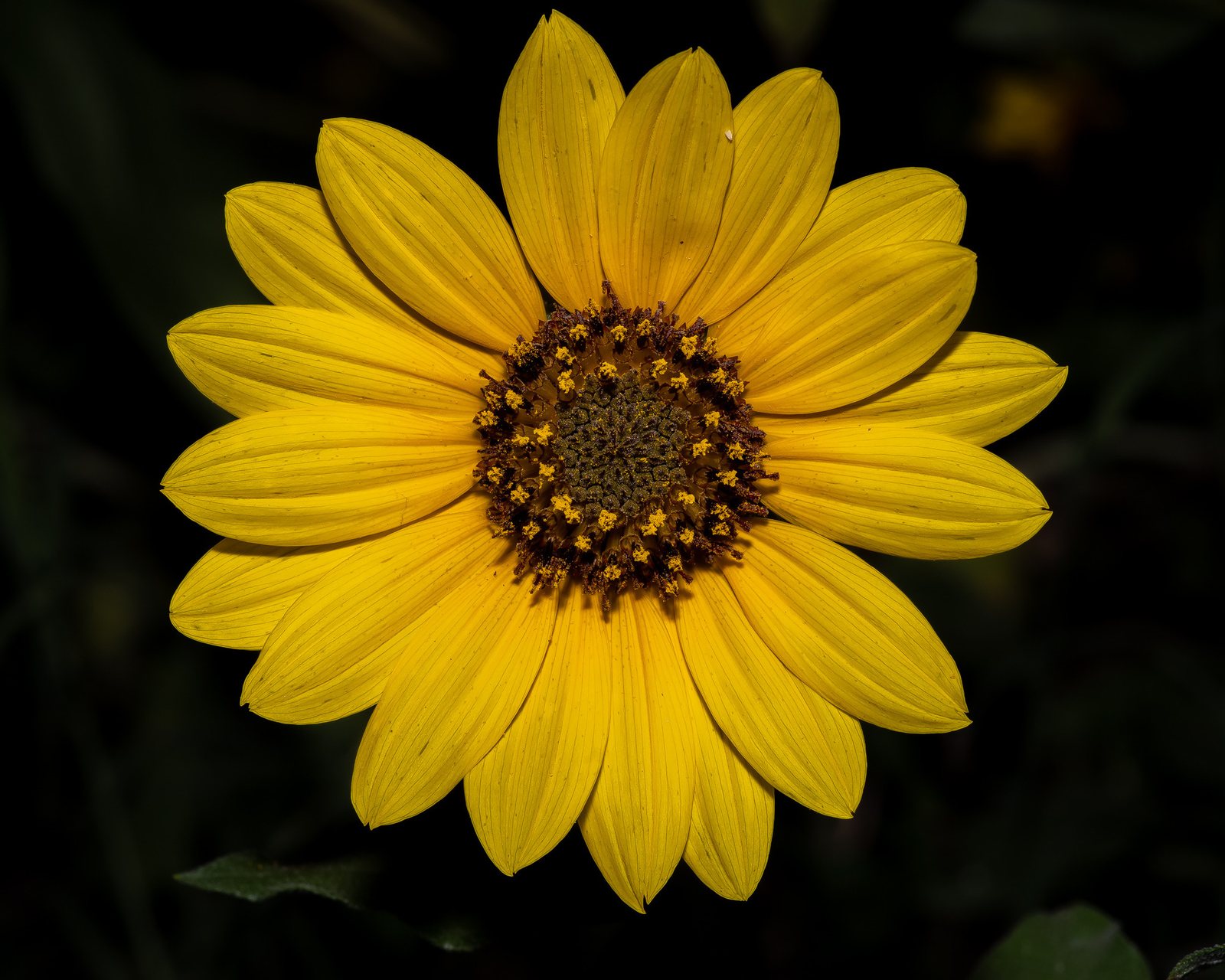
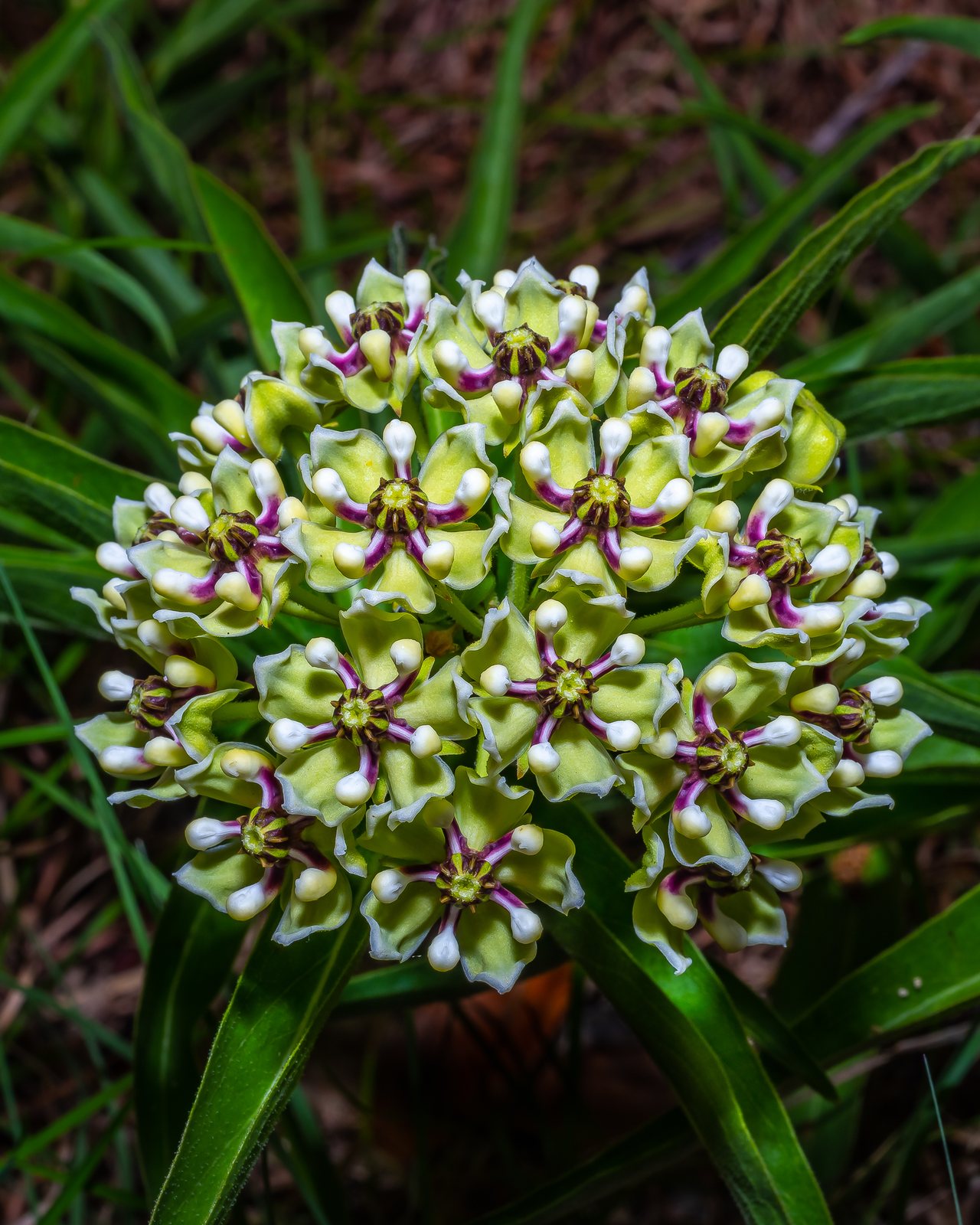
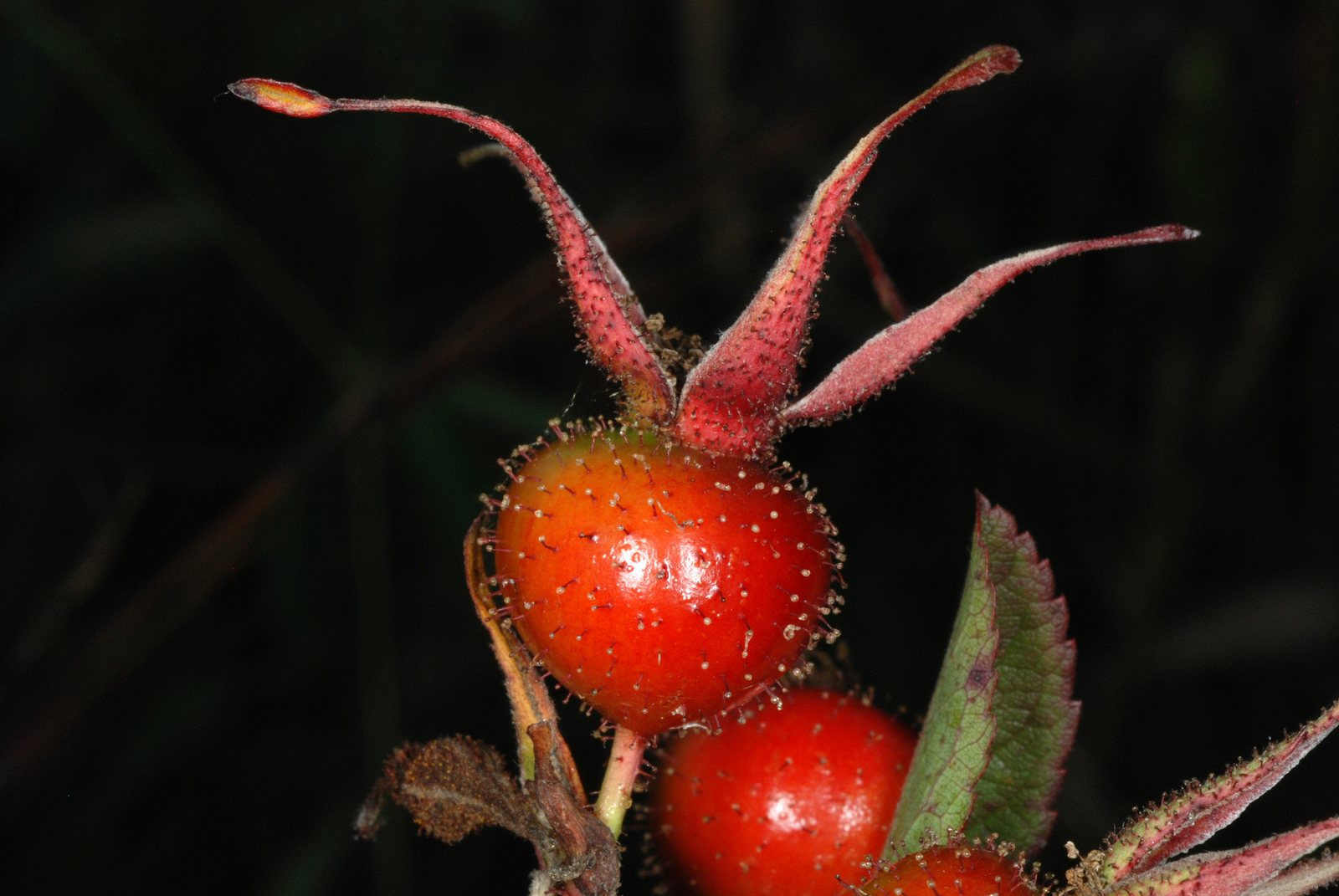
At a glance
- Sun
- Full sun to partial shade; afternoon shade helps in hot climates. Choose a position sheltered from strong winds.
- Water
- Keep the root zone evenly moist but not waterlogged, especially during the first two growing seasons. Established plants need deep watering during prolonged dry spells.
- Soil
- Moist, well-drained, humus-rich soil, preferably acidic to neutral. Avoid shallow chalky soil and sites that remain wet.
- Height
- 10-15 ft (3-4.6 m)
- Spread
- 8-12 ft (2.4-3.7 m)
- Flowers
- Mid to late spring: lightly fragrant, upright reddish-purple flowers with white interiors, opening before or alongside the leaves. A few flowers may appear again in summer.
- Foliage
- Broad, oval green leaves, sometimes turning yellow or bronze in autumn before falling.
- Growth
- Slow to moderate
- Care needed
- Low
The year at a glance
- Pollinators
- Cold hardy
- Wildlife
- Low allergen
- Fragrant
| J | F | M | A | M | J | J | A | S | O | N | D | |
|---|---|---|---|---|---|---|---|---|---|---|---|---|
| Flowers | ||||||||||||
| Plant |
Northern hemisphere months. In Australia, shift them by six.
- Difficulty
- Easy
- Toughness
- Fairly tough
Will it suit your garden?
Pick your zone, country, light and whether you have pets.
Full sun is 6 or more hours of direct sun a day, part shade 3 to 6 hours, shade under 3.
How it grows
Planting day
1.6 ft (0.5 m)
After 1 year
3 ft (1 m)
After 2 years
5 ft (1.5 m)
After 3 years
7 ft (2 m)
After 5 years
10 ft (3 m)
About 7 years to full size.
From a typical nursery size, at an average rate for this kind of plant. A rule of thumb, not a forecast.
Good to know
- Cats and dogs
- Safe
- Growth rate
- Slow
Care
Jobs through the year
- WaterApr–May, Sep–Oct, every 14 days
- Water established ground plants if soil is drying; keep roots more consistently moist for the first two years.
- WaterJun–Aug, every 7 days
- Water deeply during dry spells, skipping watering when rainfall keeps the root zone moist.
- MulchMar–Apr
- Spread 5–8 cm of organic mulch over shallow roots, keeping stems clear and avoiding digging.
- FeedMar–Apr
- Feed lightly only if growth is weak or soil is poor; avoid excess nitrogen.
- PruneMay–Jun
- Only if needed, remove damaged or crossing branches just after flowering; keep cuts small.
- ProtectApr–May
- Cover small flowering plants with fleece overnight if hard frost threatens; remove it in the morning.
- Plant with the root flare at soil level, and choose the site carefully: established magnolias dislike being moved.
- Water deeply during dry weather for the first two growing seasons; do not leave the roots standing in water.
- Apply 2-3 in (5-8 cm) of organic mulch over the root zone each spring, keeping it clear of the stems.
- Avoid digging or cultivating beneath the canopy because the fleshy roots are shallow and easily damaged.
- Feed lightly in spring only if growth is weak or the soil is poor; avoid heavy nitrogen feeding.
Pruning. Prune only when needed, just after the main spring flowering, removing dead, damaged or crossing branches. Keep cuts small and avoid hard pruning or cutting back the whole crown.
Through the year
- Autumn
- Plant while the soil is workable in mild climates; in cold regions, wait until spring.
- Early spring
- Plant in cold regions once the ground is workable, and water thoroughly.
- Spring
- Refresh the organic mulch, keeping it away from the stems.
- Spring flowering
- Cover a small plant with horticultural fleece overnight if a hard frost threatens open flowers; remove it in the morning.
- Late spring
- After flowering, remove damaged or crossing branches if necessary.
- Summer
- Water deeply during dry spells and check stems and leaf undersides for scale insects.
In the garden
- Use as a specimen in a lawn or broad bed where its spring flowers can be seen from the house.
- Place at a woodland edge with ferns, hellebores and hostas beneath the outer canopy.
- Combine with azaleas and hydrangeas in a moist, acidic mixed border for successive flowering seasons.
- Use as a small multi-stemmed tree beside a patio, allowing enough space for its mature crown and shallow roots.
Garden styles it suits: Woodland, English country, Cottage garden, Romantic rose garden, Japanese and Traditional.
Plant it with: Japanese azalea, Bigleaf hydrangea, Hosta, Lenten rose, Japanese forest grass and Snowdrops.
Wildlife: The flowers can provide pollen for beetles and other visiting insects. Branches offer shelter and possible nesting sites for small birds.
Problems to watch for
- Late frost can brown flowers and buds: choose a sheltered position away from frost pockets and cover small plants when frost threatens.
- Scale insects can cause sticky honeydew and black sooty mould: inspect twigs and treat susceptible crawler stages with a labelled horticultural oil, following local guidance.
- Leaf spots may develop in damp weather: collect fallen affected leaves, avoid wetting foliage and improve airflow; minor spotting rarely needs treatment.
- Yellow leaves with green veins can indicate iron chlorosis in alkaline soil: test the soil, use an appropriate chelated iron treatment for short-term relief and address unsuitable soil conditions.
Safety
Not known to be toxic to people, cats, dogs or horses. No part is generally recognised as seriously poisonous, but it is not a food plant and chewing or swallowing plant material may cause stomach upset.
Easily confused with
Saucer magnolia (Magnolia × soulangeana)
Usually grows into a larger tree with broader, cup-shaped flowers and often blooms earlier. 'Jane' generally has narrower, more upright flowers and a smaller mature crown.
Star magnolia (Magnolia stellata)
Has star-shaped flowers with many narrow, strap-like petals, usually white or pale pink, rather than the upright purple-and-white flowers of 'Jane'.
The name
The genus name Magnolia honours the French botanist Pierre Magnol.
Propagation. Propagate from softwood cuttings in late spring or semi-ripe cuttings in summer under controlled humidity; rooting can be difficult. Layering is another option. Seedlings will not reliably retain the characteristics of 'Jane'.
Checked against open data
- Accepted botanical name
- Magnolia
Sources: GBIF (CC BY 4.0). The care and design notes are LandscapeGPT's own.
See it in your own yard.
Upload a photo of your yard and see it redesigned with plants that suit your climate, each checked against your zone.