Japanese tassel fern
Polystichum polyblepharum. Family Dryopteridaceae. Fern.
Also called Tassel fern, Bristle fern.
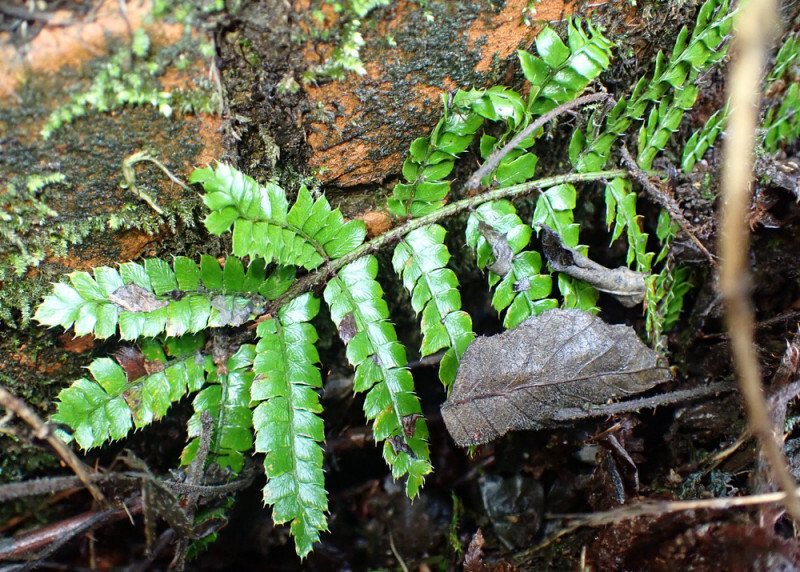
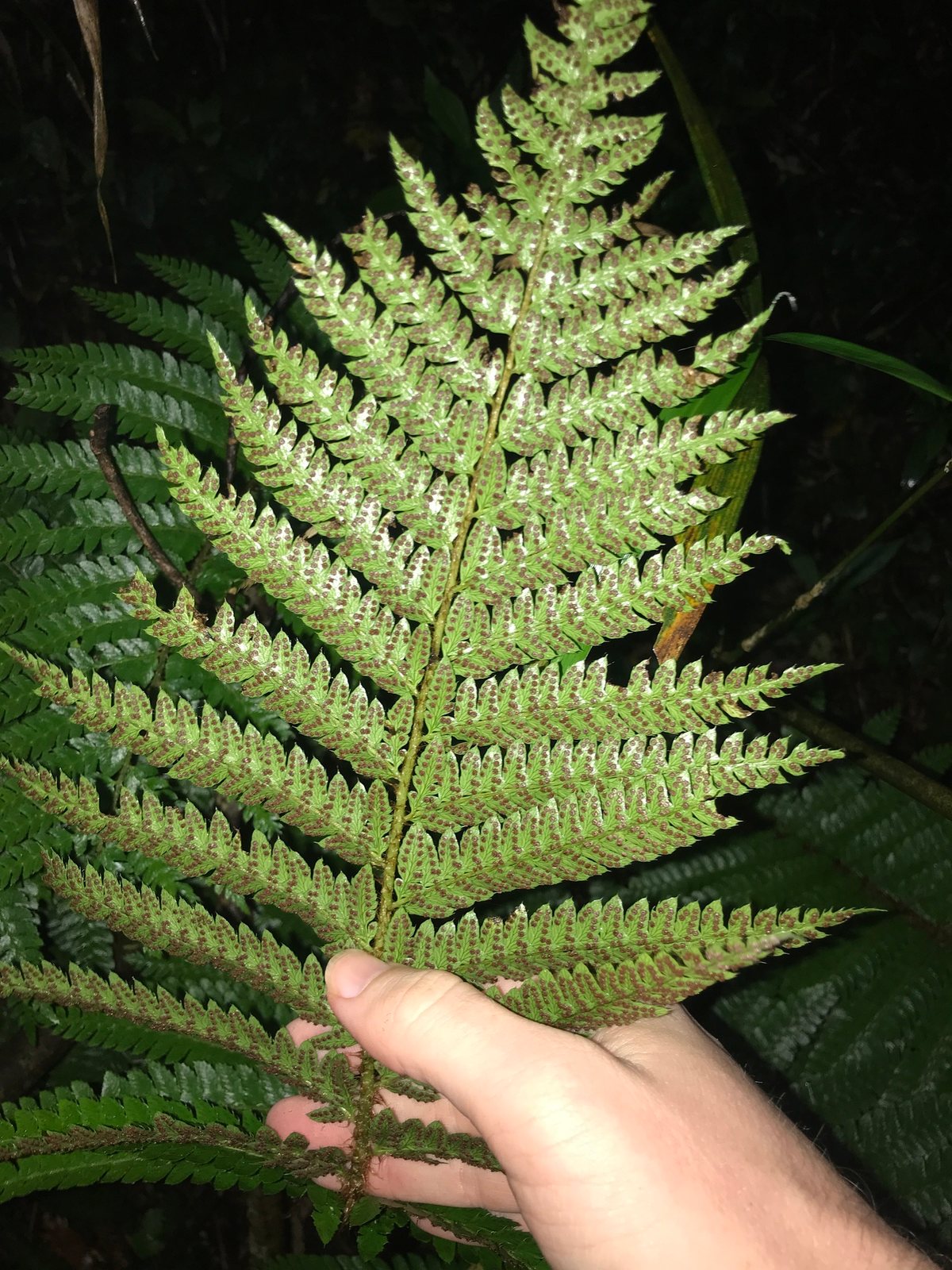
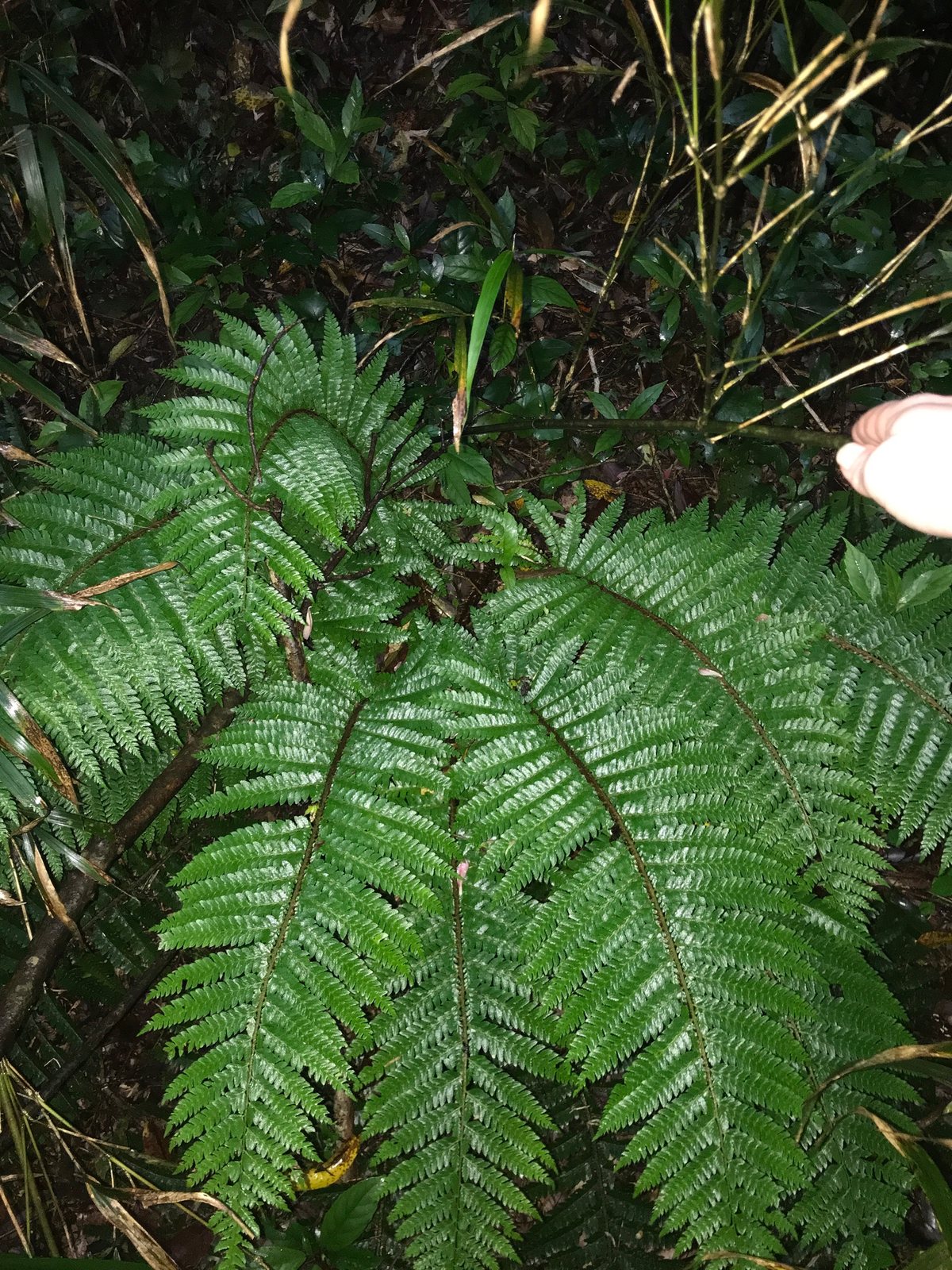
Japanese tassel fern forms a neat clump of glossy, dark green fronds that arch outward from a central crown. Gardeners grow it for its rich texture in shady borders and for the young fronds, whose tips briefly hang backward like tassels as they unfurl. It stays evergreen in mild winters, but exposed fronds can be damaged by severe cold.
At a glance
- Sun
- Partial to full shade; gentle morning sun is suitable where the soil stays moist. Avoid strong afternoon sun.
- Water
- Keep evenly moist, especially during establishment and dry weather, but never waterlogged.
- Soil
- Humus-rich, well-drained soil; slightly acidic to neutral conditions are ideal, though it tolerates some alkalinity.
- Height
- 2-3 ft (0.6-0.9 m)
- Spread
- 2-3 ft (0.6-0.9 m)
- Foliage
- Evergreen. Glossy, dark green, finely divided fronds with bristly scales on the stalks; new growth is lighter green and briefly droops at the tips.
- Growth
- Slow to moderate
- Care needed
- Low
The year at a glance
- Deer resistant
- Wildlife
- Low allergen
| J | F | M | A | M | J | J | A | S | O | N | D | |
|---|---|---|---|---|---|---|---|---|---|---|---|---|
| Plant |
Northern hemisphere months. In Australia, shift them by six.
- Difficulty
- Easy
- Toughness
- Fairly tough
Will it suit your garden?
Pick your zone, country, light and whether you have pets.
Full sun is 6 or more hours of direct sun a day, part shade 3 to 6 hours, shade under 3.
How it grows
Planting day
1 ft (0.3 m)
After 1 year
1.4 ft (0.42 m)
After 2 years
1.7 ft (0.53 m)
After 3 years
2.1 ft (0.65 m)
After 5 years
2.5 ft (0.75 m)
full size
About 4 years to full size.
From a typical nursery size, at an average rate for this kind of plant. A rule of thumb, not a forecast.
Good to know
- Cats and dogs
- Mildly toxic: may upset a stomach
- Growth rate
- Slow
Care
Jobs through the year
- WaterApr–May, Sep–Oct, every 14 days
- Water established plants if the surface begins to dry; young plants need more frequent watering.
- WaterJun–Aug, every 7 days
- Water deeply during dry weather, keeping soil moist but not waterlogged.
- MulchMar–Apr
- Apply leaf mould or well-rotted compost without covering the crown.
- FeedApr
- Only if growth is weak, apply a light dose of balanced slow-release fertilizer.
- PruneFeb–Mar
- Remove damaged or exhausted fronds before new shoots unfurl; retain healthy green fronds.
- Plant with the crown at soil level, not buried beneath soil or mulch.
- Water deeply when the soil surface begins to dry; give extra attention during the first growing season.
- Apply leaf mould or well-rotted compost around the clump each spring, keeping the crown clear.
- Avoid heavy feeding; a light application of balanced slow-release fertiliser in spring is enough if growth is weak.
- Shelter from drying winds and hot afternoon sun.
Pruning. In late winter or early spring, cut damaged or tired fronds close to the base before new growth unfurls. Leave healthy green fronds unless they obstruct the emerging growth, and avoid cutting the new curled shoots.
Through the year
- Late winter
- Remove winter-damaged fronds before the new curled shoots emerge.
- Spring
- Plant new ferns, water thoroughly, and mulch around rather than over the crown.
- Late spring
- Check tender new growth for slug and snail damage, and hand-pick pests where needed.
- Summer
- Water during dry spells and check that strong sun is not scorching the fronds.
- Autumn
- Top up leaf mould where needed, keeping wet leaves and mulch out of the crown.
- Winter
- Leave healthy evergreen fronds in place and check that water drains freely around the plant.
In the garden
- Repeat clumps along a shaded path for a consistent evergreen edge.
- Plant beneath deciduous trees with hellebores and epimediums, allowing for competition from tree roots.
- Pair with broad-leaved hostas or bergenias to contrast leaf shapes.
- Use beside shaded rocks or stone steps in Japanese-inspired gardens.
- Grow in a large, well-drained container in a sheltered shady courtyard.
Garden styles it suits: Woodland, Japanese, Green on green, Secret garden, Modern courtyard and Winter interest.
Plant it with: Hostas, Hellebores, Epimediums, Bergenias, Japanese forest grass and Siberian bugloss.
Wildlife: Dense fronds and nearby leaf litter provide shelter for small invertebrates. It produces spores rather than flowers, so it does not supply nectar or pollen.
Problems to watch for
- Slugs and snails can chew emerging fronds; hand-pick them and, if necessary, use an iron-phosphate bait according to its label.
- Brown, crisp frond edges usually indicate dry soil, drying wind or excessive sun; water deeply and improve shade or shelter.
- Crown or root rot can develop in waterlogged soil; improve drainage and keep the crown above standing water and heavy mulch.
- Winter cold can brown exposed fronds; leave them until late winter, then remove damaged growth before new shoots emerge.
Safety
Not known to be toxic to cats, dogs, horses or people; no part is recognised as poisonous. It is an ornamental fern, not an edible plant, and eating it may still cause stomach upset.
Easily confused with
Soft shield fern (Polystichum setiferum)
Usually has softer, more feathery, less glossy fronds; Japanese tassel fern has firmer, shinier foliage and conspicuously backward-drooping tips during emergence.
Western sword fern (Polystichum munitum)
Its long fronds are divided once into narrow leaflets; Japanese tassel fern has leaflets divided again, giving a more intricate texture.
Holly fern (Cyrtomium falcatum)
Has broad, sickle-shaped, holly-like leaflets rather than the finely divided leaflets of Japanese tassel fern.
The name
The common name refers to the tassel-like droop of the emerging frond tips, while polyblepharum means 'many eyelashes', referring to its bristly scales.
Propagation. Propagate from spores, which requires patience and clean, consistently humid conditions. Large, established clumps with several crowns can be divided carefully in spring, but single-crowned plants should be left intact.
Checked against open data
- Accepted botanical name
- Polystichum luctuosum Polystichum polyblepharum is an older name for Polystichum luctuosum.
- Native range
- Cape Provinces, China North-Central, China South-Central, China Southeast, East Himalaya, Free State, Japan, Korea, KwaZulu-Natal, Lesotho, Madagascar and Manchuria.
Sources: GBIF (CC BY 4.0) and Trefle (CC BY 4.0). The care and design notes are LandscapeGPT's own.
See it in your own yard.
Upload a photo of your yard and see it redesigned with plants that suit your climate, each checked against your zone.