Johnson's Blue cranesbill
Geranium 'Johnson's Blue'. Family Geraniaceae. Perennial.
Also called Geranium 'Johnson's Blue', Johnson's Blue hardy geranium.
This hardy, clump-forming perennial produces lavender-blue flowers above deeply divided leaves in late spring and early summer. Gardeners grow it to soften border edges and fill gaps between roses and other perennials; its main flowering season is shorter than that of many newer hardy geraniums.
At a glance
- Sun
- Full sun to partial shade; afternoon shade is helpful in hot climates.
- Water
- Moderate; water regularly while establishing, then during prolonged dry spells. Avoid waterlogged ground.
- Soil
- Well-drained soil with moderate fertility; tolerates clay, loam, chalk and sandy soil if drainage and moisture are adequate.
- Height
- 1-2 ft (0.3-0.6 m)
- Spread
- 2-3 ft (0.6-0.9 m)
- Flowers
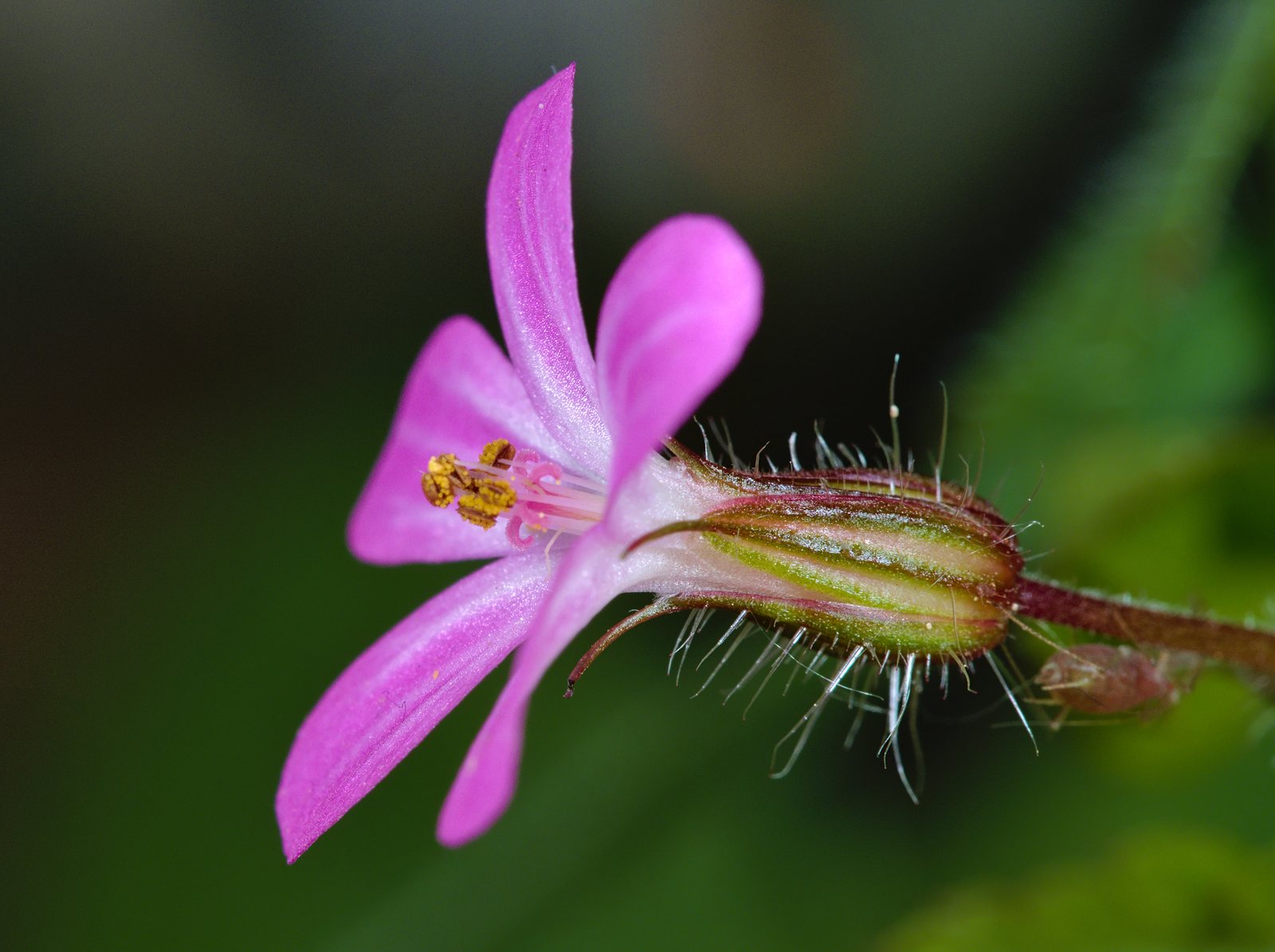
- Late spring to early summer; lavender-blue flowers with fine darker veins. A light repeat flush sometimes follows cutting back.
- Foliage
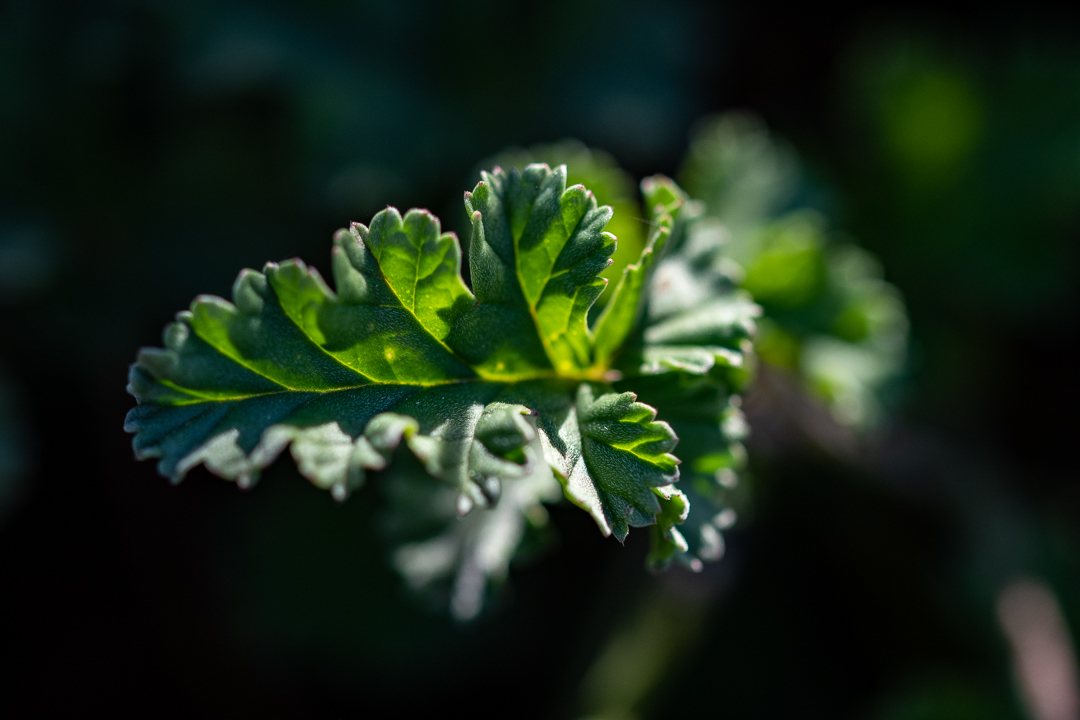
- Deeply lobed, mid-green leaves form a spreading mound and may develop red or orange tones in autumn.
- Growth
- Moderate
- Care needed
- Low
The year at a glance
- Pollinators
- Deer resistant
- Drought tolerant
- Cold hardy
- Low allergen
| J | F | M | A | M | J | J | A | S | O | N | D | |
|---|---|---|---|---|---|---|---|---|---|---|---|---|
| Flowers | ||||||||||||
| Plant |
Northern hemisphere months. In Australia, shift them by six.
- Difficulty
- Easy
- Toughness
- Very tough
Will it suit your garden?
Pick your zone, country, light and whether you have pets.
Full sun is 6 or more hours of direct sun a day, part shade 3 to 6 hours, shade under 3.
How it grows
Planting day
1 ft (0.3 m)
After 1 year
1.1 ft (0.35 m)
After 2 years
1.3 ft (0.4 m)
After 3 years
1.5 ft (0.45 m)
full size
About 3 years to full size.
From a typical nursery size, at an average rate for this kind of plant. A rule of thumb, not a forecast.
Good to know
- Cats and dogs
- Safe
- Growth rate
- Moderate
Care
Jobs through the year
- WaterApr–May, Sep–Oct, every 14 days
- Water established clumps if soil is dry; water new plants more regularly.
- WaterJun–Aug, every 10 days
- Water during prolonged drought and after cutting back if the soil is dry.
- FeedMar–Apr
- Apply a thin compost dressing; avoid heavy feeding.
- MulchMar–Apr
- Mulch around the clump without covering its crown.
- PruneFeb–Mar
- Remove remaining dead foliage before new growth develops.
- PruneJun–Jul
- After the main flowering flush, shear tired foliage and stems just above the crown.
- DivideMar–Apr, Sep
- Divide only crowded or thinning clumps, choosing spring or early autumn.
- Water deeply during the first growing season whenever the soil begins to dry.
- Apply a thin layer of compost in spring; avoid heavy feeding, which encourages floppy growth.
- Mulch around the clump to conserve moisture, keeping mulch away from the crown.
- Water during prolonged summer drought, especially after cutting back.
- Divide crowded or thinning clumps in spring or early autumn.
Pruning. After the main flush of flowers, shear faded stems and tired foliage back to just above the crown, then water to encourage fresh leaves. Remove remaining dead growth in late winter or early spring.
Through the year
- Early spring
- Remove dead foliage and divide established clumps if needed.
- Spring
- Plant new specimens and apply a thin compost mulch.
- Late spring
- Check soil moisture as flowering begins, particularly around newly planted clumps.
- Early summer
- Cut back after the main flowering flush if stems are sprawling or leaves look tired.
- Summer
- Water during prolonged dry weather and check for powdery mildew.
- Early autumn
- Plant or divide while the soil is moist and there is time for roots to establish before winter.
In the garden
- Plant along informal path edges, allowing the foliage to spill over and soften the line.
- Use beneath roses to cover bare lower stems and add a blue flowering layer.
- Repeat small groups through a mixed border with salvias, catmint and peonies.
- Use as seasonal groundcover among deciduous shrubs where it receives enough light and moisture.
Garden styles it suits: English country, Cottage garden, Arts and Crafts, Romantic rose garden, Blues and silvers and Low-maintenance.
Plant it with: Roses, Catmint, Peonies, Hardy salvias, Lady's mantle and Bearded irises.
Wildlife: Flowers provide pollen and nectar for bees and other visiting insects. This cultivar is generally sterile, so it provides little or no seed for birds.
Problems to watch for
- Powdery mildew can mark leaves in dry conditions; water the root zone during drought, improve airflow and remove badly affected foliage.
- Slugs and snails may damage young spring shoots; inspect at dusk and use traps or labelled iron-phosphate bait where needed.
- Waterlogged soil can cause crown and root rot; improve drainage or move the plant to a better-drained position.
- Stems may flop and foliage may become ragged after flowering; shear back and water to encourage a fresh mound.
Safety
Not known to be toxic to people, cats, dogs or horses; no part is recognised as a significant poisoning hazard. It is not a food plant. Do not confuse hardy Geranium with Pelargonium, which has different toxicity concerns.
Easily confused with
Rozanne hardy geranium (Geranium 'Rozanne')
Rozanne usually has a more conspicuous pale flower centre, a more sprawling habit and a much longer flowering season extending into autumn.
Himalayan cranesbill (Geranium himalayense)
Its blue-violet flowers often have a more conspicuous pale centre and reddish-purple veins. It closely resembles Johnson's Blue, so a reliable label may be needed for identification.
Zonal geranium (Pelargonium × hortorum)
This tender bedding plant has fleshy stems, rounded leaves often marked with a dark band, and dense flower clusters rather than the loose, open flowers of a hardy cranesbill.
The name
Geranium comes from the Greek word for crane, referring to the beak-like fruit of plants in the genus, which also gives them the common name cranesbill.
Propagation. Divide clumps in spring or early autumn, keeping roots and growing shoots on each section. This generally sterile hybrid is propagated vegetatively; seed is not a reliable way to reproduce the cultivar.
Checked against open data
- Accepted botanical name
- Geranium
Sources: GBIF (CC BY 4.0). The care and design notes are LandscapeGPT's own.
See it in your own yard.
Upload a photo of your yard and see it redesigned with plants that suit your climate, each checked against your zone.