Joseph's coat
Alternanthera ficoidea. Family Amaranthaceae. Perennial.
Also called Parrot leaf, Calico plant.
Joseph's coat is a frost-tender tropical perennial grown for its small, brightly patterned leaves and dense, low growth. It is grown as an annual in cooler climates, where it provides colourful edging and container foliage from late spring until frost.
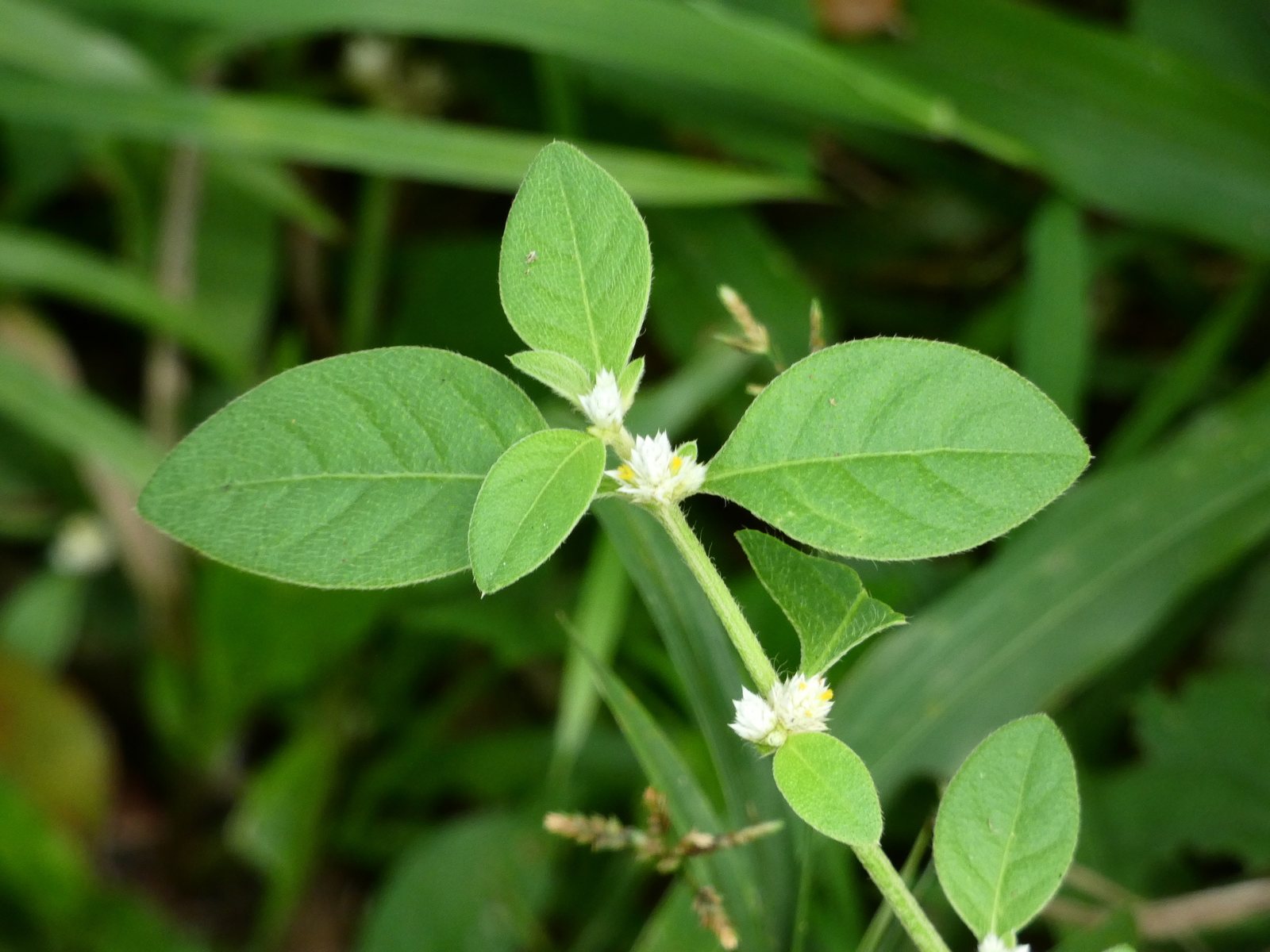
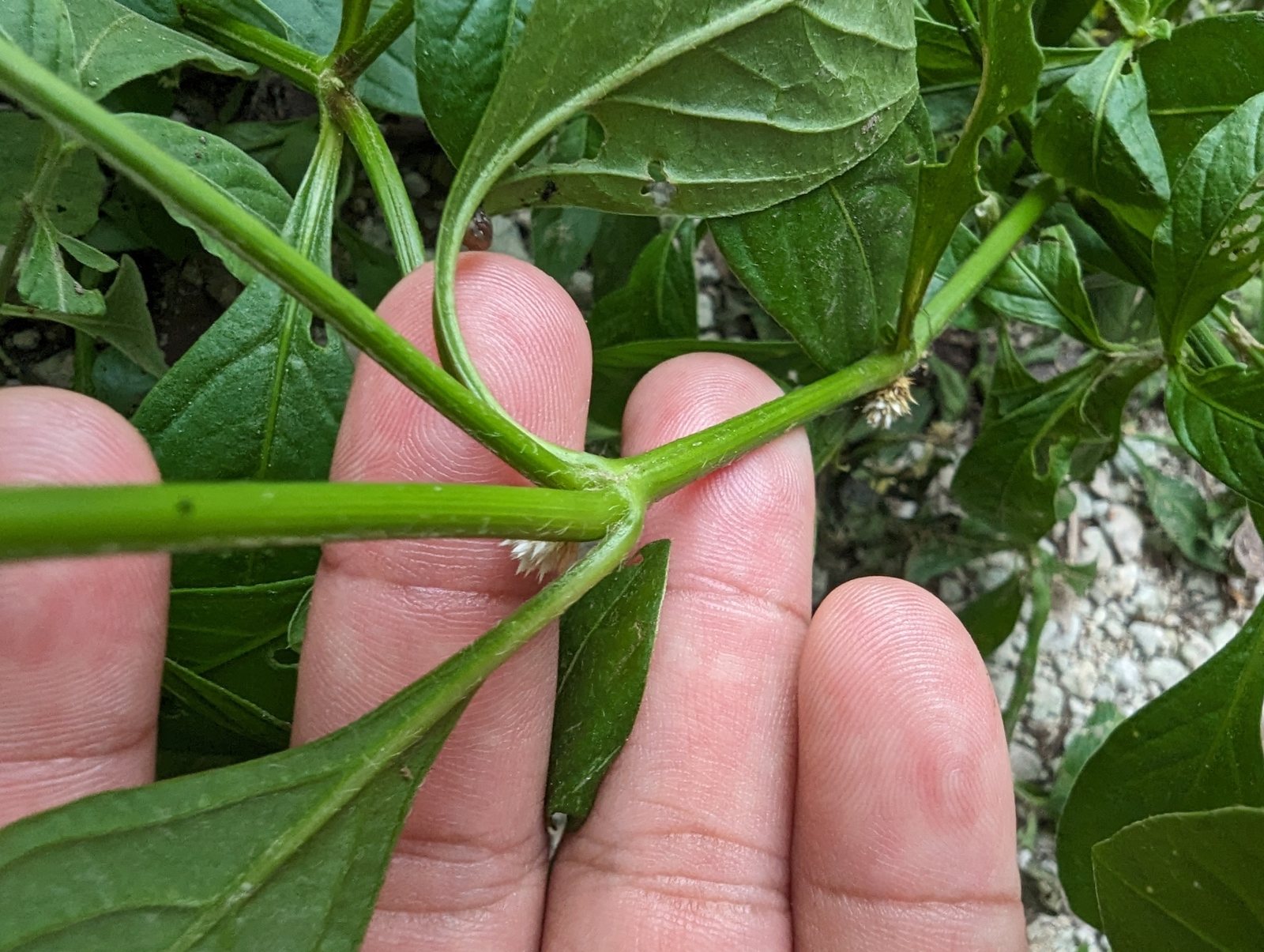
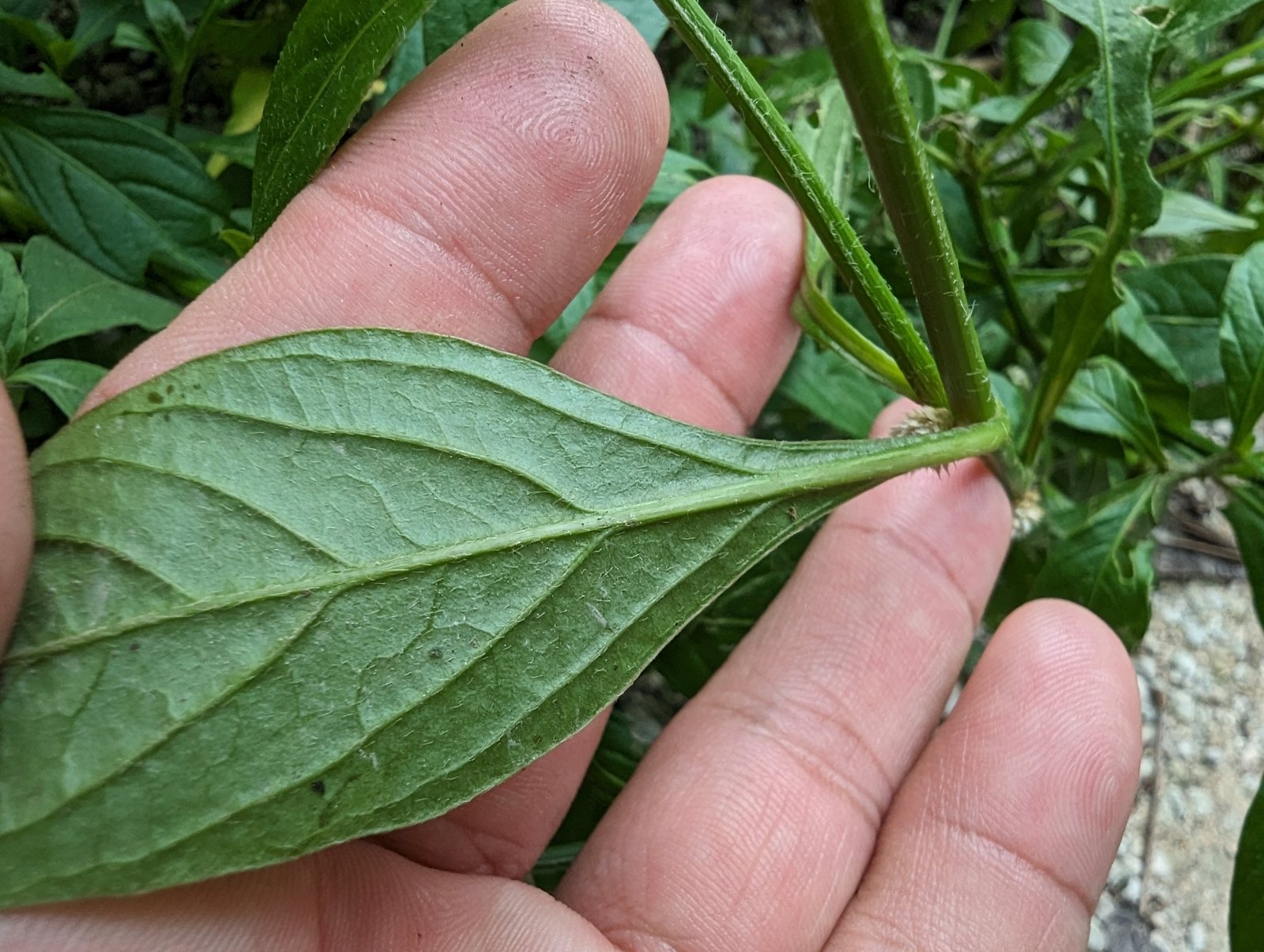
At a glance
- Sun
- Full sun to partial shade; morning sun and afternoon shade suit hot climates. Deep shade usually weakens the leaf colour.
- Water
- Keep the root zone evenly moist but not waterlogged. Container plants may need daily checking in hot weather.
- Soil
- Well-drained soil enriched with compost; use a free-draining potting mix in containers.
- Height
- 0.5-1 ft (0.15-0.3 m)
- Spread
- 1-1.5 ft (0.3-0.45 m)
- Foliage
- Evergreen. Small, opposite, oval to narrowly oval leaves; cultivated forms combine green, yellow, cream, pink, copper or red in varying patterns.
- Growth
- Fast in warm weather
- Care needed
- Medium
The year at a glance
- Heat tolerant
- Low allergen
| J | F | M | A | M | J | J | A | S | O | N | D | |
|---|---|---|---|---|---|---|---|---|---|---|---|---|
| Plant |
Northern hemisphere months. In Australia, shift them by six.
- Difficulty
- Moderate
- Toughness
- Needs looking after
Will it suit your garden?
Pick your zone, country, light and whether you have pets.
Full sun is 6 or more hours of direct sun a day, part shade 3 to 6 hours, shade under 3.
How it grows
Planting day
0.7 ft (0.22 m)
full size
About 2 years to full size.
From a typical nursery size, at an average rate for this kind of plant. A rule of thumb, not a forecast.
Good to know
- Cats and dogs
- Safe
- Growth rate
- Fast
Care
Jobs through the year
- WaterMay, Sep, every 7 days
- For in-ground summer bedding, water as the surface dries; new plants need closer attention.
- WaterJun–Aug, every 3 days
- Keep established in-ground plants evenly moist, adjusting for rain; check containers daily in heat.
- FeedMay–Sep, every 30 days
- Feed container plants with balanced liquid fertiliser; feed bedding only if soil is poor.
- MulchMay–Jun
- Apply a thin mulch after planting, keeping it clear of stems.
- PruneJun–Aug, every 21 days
- Pinch shoot tips and trim leggy stems to maintain dense growth.
- ProtectMay–Jun
- Harden off and plant only after frost risk passes and nights are consistently warm.
- ProtectSep–Oct
- Usually grown as an annual here; lift selected plants or save rooted cuttings before cold nights.
- WaterJan–Apr, Oct–Dec, every 14 days
- For plants retained in bright frost-free shelter only, water sparingly when the surface dries.
- Plant outside after frost danger has passed and nights are consistently warm.
- Water when the soil surface begins to dry; avoid leaving pots standing in water.
- Feed container plants monthly during active growth with a balanced liquid fertiliser at the label rate.
- Apply a thin layer of mulch around bedding plants, keeping it clear of the stems.
- Move pots into bright, frost-free shelter before cold weather, or save young plants from cuttings.
Pruning. Pinch out shoot tips during spring and summer to encourage bushy growth. Trim lightly whenever stems become leggy or spread beyond their allotted space.
Through the year
- Early spring
- Trim overwintered plants and take cuttings in a warm, bright indoor position.
- Late spring
- Gradually acclimatise plants to outdoor conditions, then plant out once frost danger has passed and nights are warm.
- Early summer
- Pinch growing tips to build dense edging or compact container plants.
- Summer
- Check moisture frequently and feed container plants monthly.
- Late summer
- Root cuttings to keep small plants through winter.
- Autumn
- In frost-prone areas, bring selected plants under cover before cold nights arrive.
- Winter
- Keep sheltered plants in bright light, water sparingly and avoid feeding unless they are actively growing.
In the garden
- Clip into low, colourful edging along paths and the fronts of beds.
- Plant in repeating blocks for carpet bedding or geometric summer displays.
- Use around upright container plants to cover the pot surface with contrasting foliage.
- Combine with broad-leaved tropical plants to contrast fine texture with bold leaves.
Garden styles it suits: Tropical, Modern tropical, Formal, Victorian, Modern courtyard and Hot border.
Plant it with: Coleus, Wax begonia, Impatiens, Dwarf canna, Pentas and Elephant's ear.
Wildlife: The small, inconspicuous flowers offer limited garden wildlife value; this is primarily a foliage plant.
Problems to watch for
- Cold damage: leaves blacken or collapse after chilling or frost; delay planting and bring retained plants into frost-free shelter.
- Root rot: yellowing and wilting in wet soil indicate trouble; improve drainage, empty saucers and let the surface dry slightly between waterings.
- Spider mites: fine webbing and stippled leaves are most likely under warm, dry cover; rinse leaf undersides and treat persistent infestations with a labelled insecticidal soap.
- Leggy growth or weak colour: move plants into brighter light gradually and pinch back stretched shoots.
Safety
Alternanthera ficoidea is not known to be toxic to cats, dogs, horses or people. It is not a food plant, and eating foliage may still cause mild digestive upset.
Easily confused with
Joseph's coat amaranth (Amaranthus tricolor)
An upright annual with much larger, alternate leaves, often brilliantly coloured near the top; Alternanthera ficoidea has small, opposite leaves and a low, branching habit.
Bloodleaf (Iresine herbstii)
Usually taller, with broader leaves, conspicuous contrasting veins and often a notch at the leaf tip.
Brazilian joyweed (Alternanthera brasiliana)
Generally a much taller plant with larger leaves, commonly solid purple in garden forms, rather than the small-leaved, low mounds typical of Joseph's coat.
The name
The common name Joseph's coat refers to the biblical coat of many colours, reflecting the plant's multicoloured foliage.
Propagation. Take non-flowering stem-tip cuttings in spring or summer, remove the lower leaves and root them in moist propagation mix in warm, bright conditions out of direct sun. Cuttings preserve the parent plant's leaf colour and pattern.
Checked against open data
- Accepted botanical name
- Alternanthera ficoidea
- In the US and Canada
- Native in Puerto Rico. Introduced in Hawaii, the lower 48 states, Pacific Basin and US Virgin Islands.
- Native range
- Argentina Northeast, Bahamas, Bolivia, Brazil North, Brazil Northeast, Brazil South, Brazil Southeast, Brazil West-Central, Colombia, Costa Rica, Cuba and Dominican Republic.
Sources: GBIF (CC BY 4.0), USDA PLANTS and Trefle (CC BY 4.0). The care and design notes are LandscapeGPT's own.
See it in your own yard.
Upload a photo of your yard and see it redesigned with plants that suit your climate, each checked against your zone.