Jubilation gardenia
Gardenia jasminoides 'PIIGA-I'. Family Rubiaceae. Shrub.
Also called Gardenia jasminoides 'PIIGA-I', Cape jasmine.
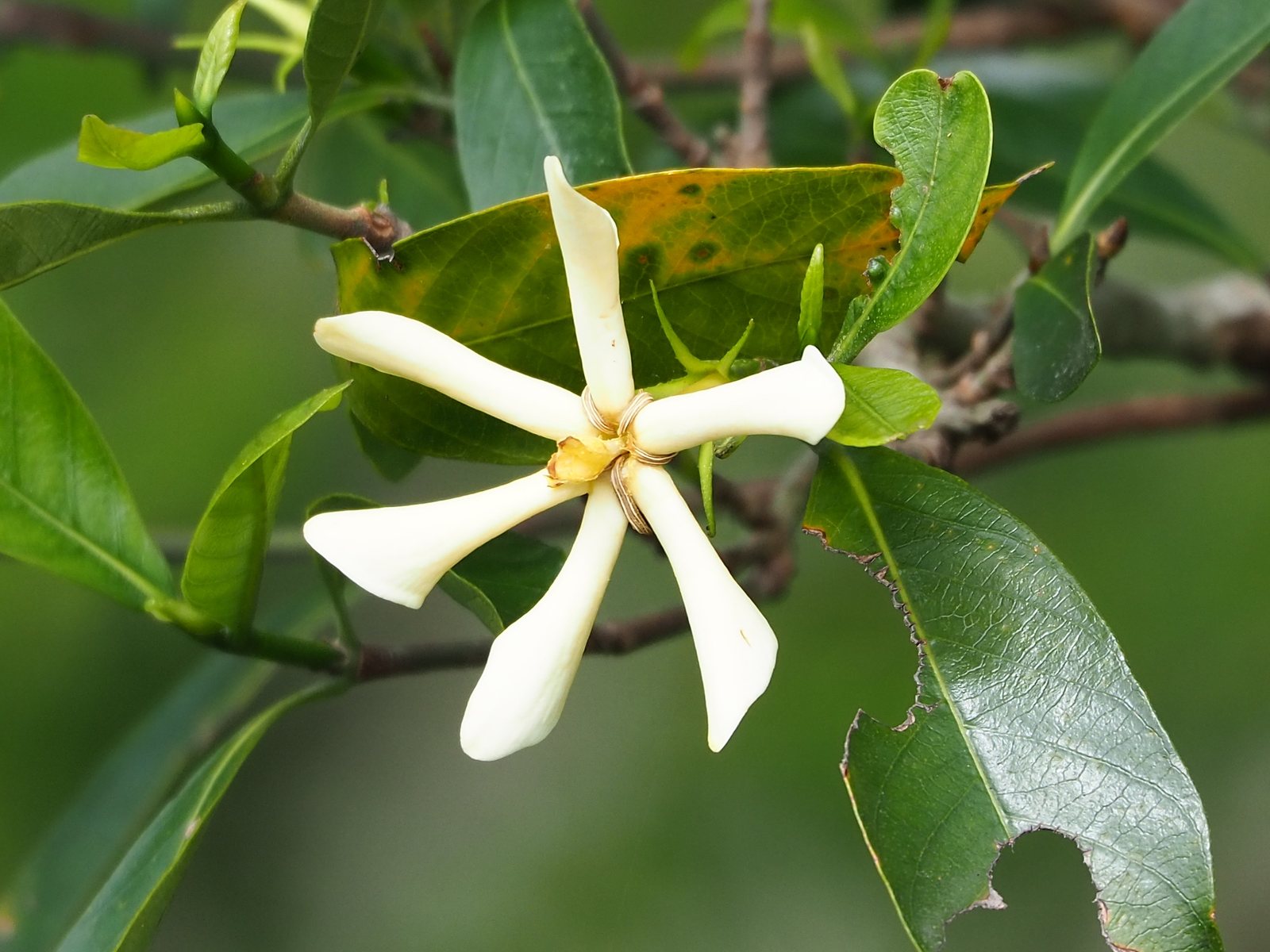
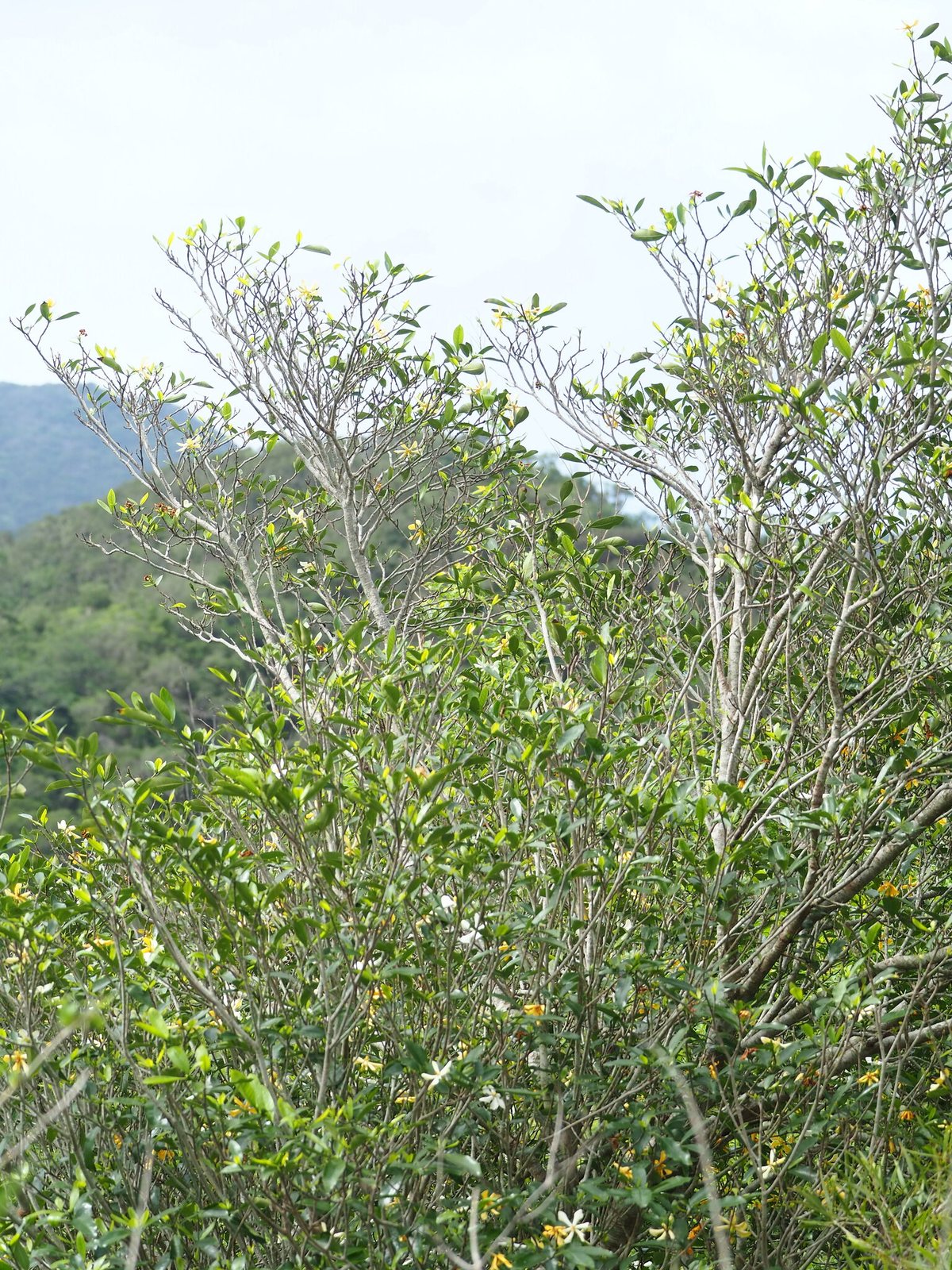
Jubilation is a compact evergreen gardenia grown for its strongly fragrant, double white flowers and glossy dark green leaves. It flowers most heavily in late spring to early summer, with further flushes in warm weather. It needs acidic soil and sheltered conditions; in colder areas, grow it in a container and overwinter it under glass.
At a glance
- Sun
- Full sun to partial shade; morning sun and afternoon shade are best in hot climates. Shelter from cold, drying winds.
- Water
- Keep evenly moist but not waterlogged. Water thoroughly when the surface soil begins to dry, especially during bud development and in containers.
- Soil
- Acidic, humus-rich, well-drained soil, ideally pH 5.0-6.0. Use ericaceous potting compost in containers.
- Height
- 3-4 ft (0.9-1.2 m)
- Spread
- 3-4 ft (0.9-1.2 m)
- Flowers
- Fragrant, double white flowers in late spring to early summer, followed by intermittent flowers through summer and sometimes into autumn.
- Foliage
- Evergreen. Glossy, leathery, dark green leaves forming a dense, rounded shrub.
- Growth
- Moderate in warm conditions; slower in cool climates.
- Care needed
- Medium
The year at a glance
- Deer resistant
- Heat tolerant
- Low allergen
- Fragrant
| J | F | M | A | M | J | J | A | S | O | N | D | |
|---|---|---|---|---|---|---|---|---|---|---|---|---|
| Flowers | ||||||||||||
| Plant |
Northern hemisphere months. In Australia, shift them by six.
- Difficulty
- Hard
- Toughness
- Needs looking after
Will it suit your garden?
Pick your zone, country, light and whether you have pets.
Full sun is 6 or more hours of direct sun a day, part shade 3 to 6 hours, shade under 3.
How it grows
Planting day
1.6 ft (0.5 m)
After 1 year
1.9 ft (0.58 m)
After 2 years
2.2 ft (0.67 m)
After 3 years
2.5 ft (0.75 m)
After 5 years
3 ft (0.92 m)
About 7 years to full size.
From a typical nursery size, at an average rate for this kind of plant. A rule of thumb, not a forecast.
Good to know
- Cats and dogs
- Toxic
- Growth rate
- Slow
Care
Jobs through the year
- WaterApr–May, Sep–Oct, every 7 days
- Check established ground plants and water as surface soil dries; check young plants and containers more often.
- WaterJun–Aug, every 3 days
- Check moisture and water deeply as needed, keeping roots evenly moist but never waterlogged.
- WaterJan–Mar, Nov–Dec, every 14 days
- Check sheltered containers and water sparingly before the root ball dries out completely.
- FeedApr–May
- Feed with an acid-loving plant fertilizer according to its label; avoid late-season feeding.
- MulchApr–May
- Spread 5–8 cm of organic mulch, leaving the stem bases clear.
- PruneJun–Jul
- Lightly shape immediately after the main flowering flush; remove damaged wood and avoid hard pruning.
- DeadheadJun–Sep, every 7 days
- Remove spent flowers if desired without damaging developing buds.
- ProtectJan–Apr, Oct–Dec
- Not reliably hardy outdoors in zone 6–7; overwinter a movable container in bright, cool, frost-free shelter.
- Water at soil level and do not let the root ball dry out completely.
- Feed with a gardenia or other acid-loving plant fertiliser in spring, following the label; avoid late-season feeding where frost occurs.
- Apply 2-3 in (5-8 cm) of organic mulch, keeping it clear of the stems.
- Use rainwater where possible if your tap water is hard or alkaline.
- Bring containers into a bright, cool, frost-free place before freezing weather; keep away from radiators.
Pruning. Prune lightly just after the main flowering flush, shortening stray shoots and removing dead or damaged wood. Avoid hard pruning or routine autumn pruning, which can reduce subsequent flowering.
Through the year
- Spring
- Plant once the soil has warmed and the risk of hard frost has passed; refresh mulch around established shrubs.
- Spring
- Begin feeding with an acid-loving plant fertiliser and check new leaves for yellowing.
- Late spring
- Keep moisture steady as buds develop, and inspect leaves and buds for aphids or whitefly.
- Early summer
- After the main flowering flush, remove spent flowers and lightly shape the shrub if needed.
- Summer
- Check container moisture frequently and provide afternoon shade during extreme heat.
- Autumn
- Move container plants under cover before frost in cold regions.
- Winter
- Water sheltered container plants sparingly but never allow the root ball to become completely dry.
In the garden
- Plant beside a sheltered patio or entrance where the flower scent can be enjoyed at close range.
- Use as a low evergreen hedge or repeated rounded shrubs in an acidic-soil border.
- Grow in containers in small courtyards, with access to frost-free winter shelter where needed.
- Combine with camellias, azaleas and ferns for a layered, lightly shaded planting.
- Use the white flowers and glossy foliage in a white garden or beside evening seating.
Garden styles it suits: Southern, Modern courtyard, Traditional, Sensory garden, White garden and Small-space.
Plant it with: Azaleas, Camellias, Japanese pieris, Hydrangeas, Japanese painted ferns and Dwarf mondo grass.
Wildlife: Flowers may attract visiting insects, but the densely double blooms offer less accessible pollen and nectar than single-flowered gardenias. The evergreen foliage provides some shelter for small garden animals.
Problems to watch for
- Yellow leaves with green veins: often caused by alkaline soil or water restricting iron uptake. Check soil pH and drainage, use rainwater, and apply chelated iron suitable for the measured pH if needed.
- Bud drop: drying out, waterlogging, temperature swings or moving a budding plant can cause buds to fall. Keep moisture and growing conditions steady.
- Whitefly, aphids or scale: inspect leaf undersides and stems; treat affected areas with an insecticidal soap or horticultural oil labelled for gardenias, avoiding hot sun and open flowers.
- Root rot: poorly drained soil causes declining growth, yellow leaves and wilting despite wet roots. Improve drainage and avoid standing containers in water.
Safety
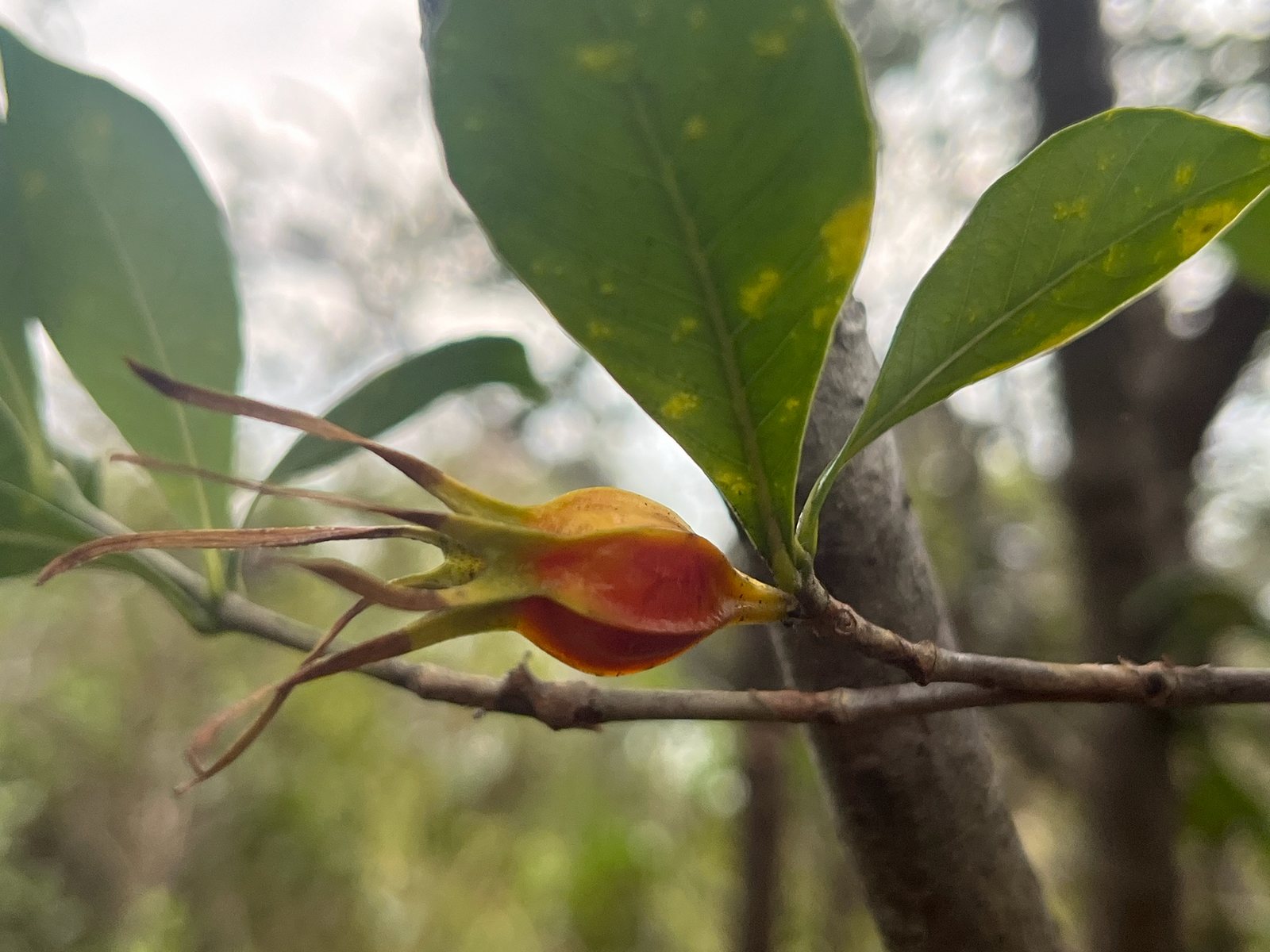
Toxic to cats, dogs and horses if eaten, particularly the fruits; foliage and flowers should also be kept out of reach. Poisoning is usually associated with digestive upset, including vomiting or diarrhoea, and sometimes hives. Gardenia is considered low-toxicity to people, but eating plant parts may cause stomach upset; it is not a food plant.
Easily confused with
Radicans gardenia (Gardenia jasminoides 'Radicans')
A much lower, spreading gardenia with smaller leaves and flowers; Jubilation forms a taller, rounded shrub.
August Beauty gardenia (Gardenia jasminoides 'August Beauty')
Usually grows substantially taller and broader than Jubilation. Young plants can be difficult to distinguish reliably without a cultivar label.
Crape jasmine (Tabernaemontana divaricata)
Usually has more elongated leaves and pinwheel-shaped flowers in single forms; double forms can resemble gardenias. Broken stems release milky sap, unlike gardenia.
The name
Gardenia honours the physician and naturalist Alexander Garden, while jasminoides means jasmine-like, referring to the flowers.
Propagation. Gardenias can be propagated from semi-ripe cuttings in summer with warmth and high humidity. Jubilation is a protected cultivar in some markets; check current plant breeders' rights or patent restrictions before propagating it.
Checked against open data
- Accepted botanical name
- Gardenia jasminoides
- In the US and Canada
- Introduced in Pacific Basin and Puerto Rico.
- Native range
- Cambodia, China North-Central, China South-Central, China Southeast, East Himalaya, Hainan, Laos, Taiwan, Thailand and Vietnam.
- Measured
- Average height 300 cm.
Sources: GBIF (CC BY 4.0), USDA PLANTS and Trefle (CC BY 4.0). The care and design notes are LandscapeGPT's own.
See it in your own yard.
Upload a photo of your yard and see it redesigned with plants that suit your climate, each checked against your zone.