Judas tree
Cercis siliquastrum. Family Fabaceae. Tree.
Also called Mediterranean redbud.
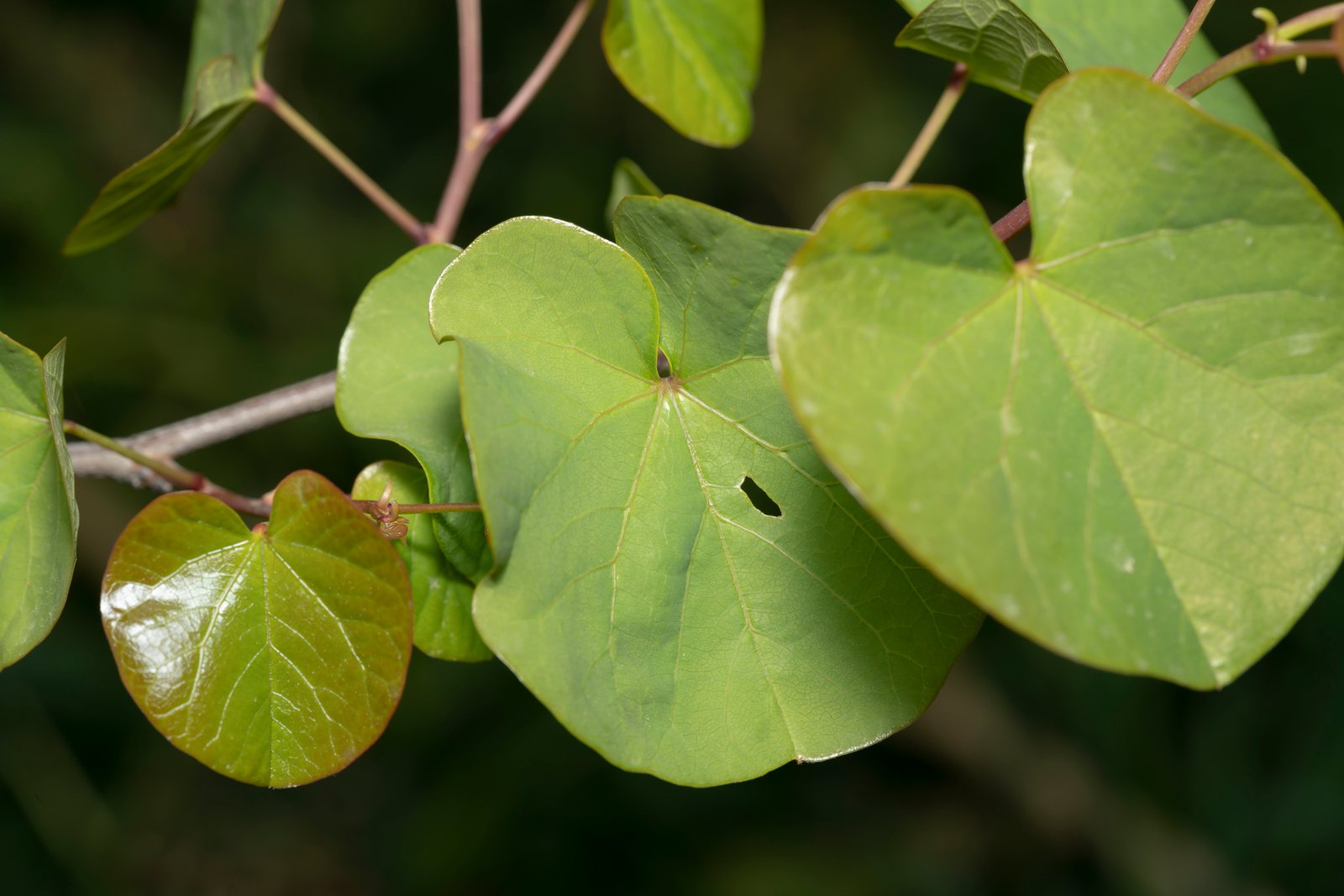
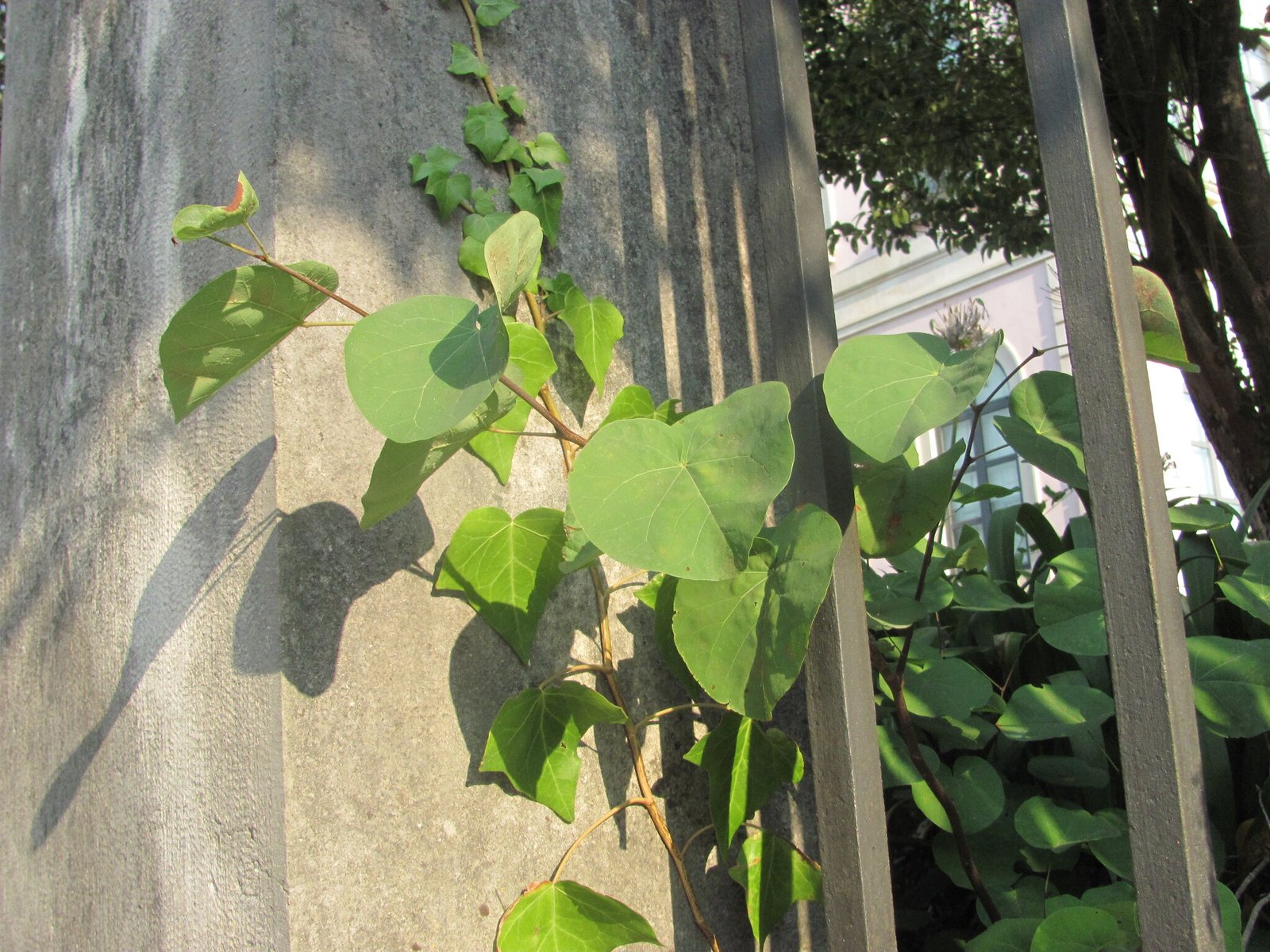
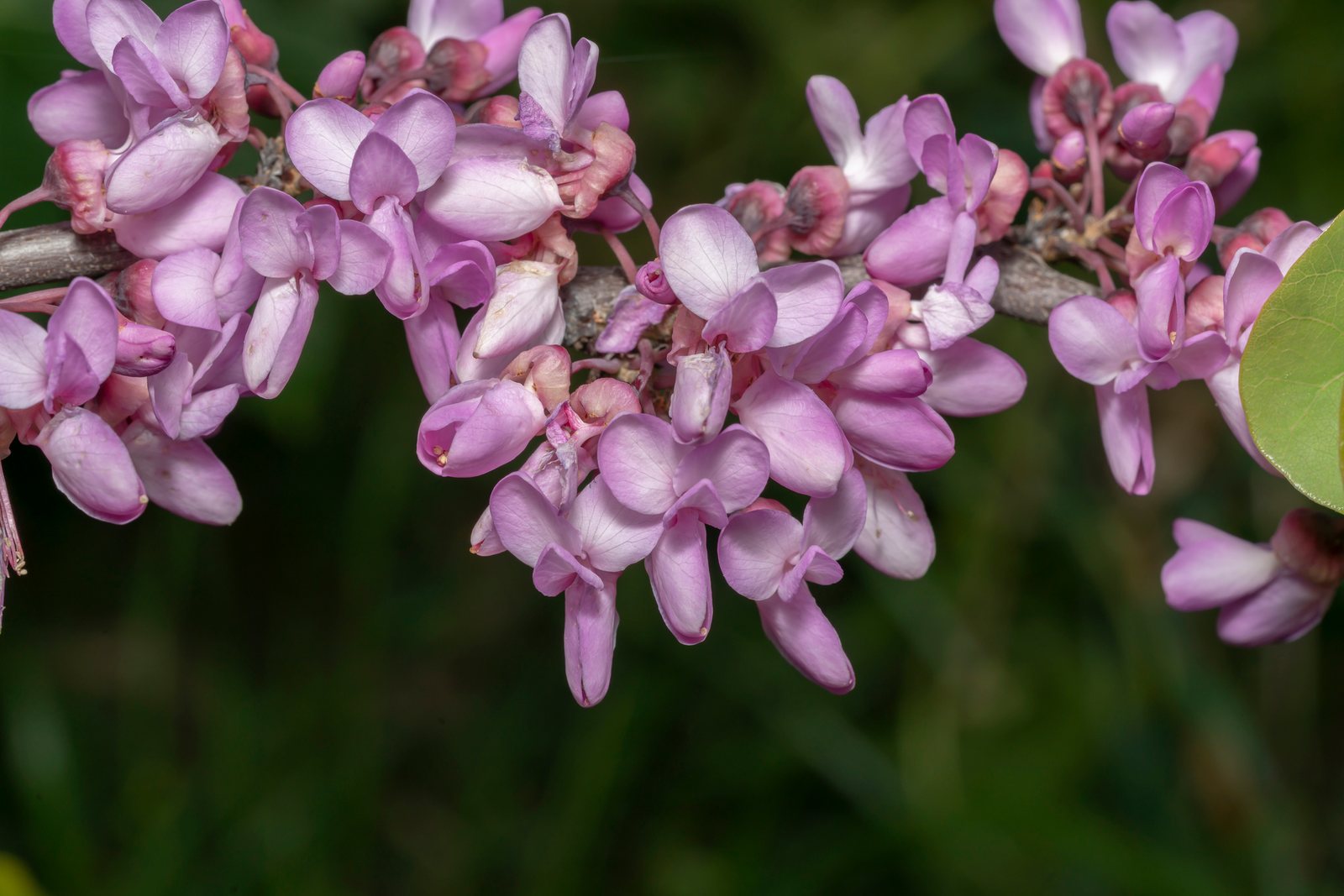
Judas tree is a small, deciduous tree from southern Europe and western Asia, grown for rosy-purple flowers that emerge directly from bare branches and sometimes the trunk. Rounded, heart-shaped leaves follow the flowers, and flat seed pods often remain into winter. It flowers best in a warm, sunny position with well-drained soil.
At a glance
- Sun
- Full sun for the best flowering; tolerates light partial shade.
- Water
- Water regularly while establishing; moderately drought-tolerant once established, but benefits from deep watering during prolonged dry spells.
- Soil
- Well-drained soil, including chalky or limestone soils; tolerates mildly acidic to alkaline conditions. Avoid persistently wet ground.
- Height
- 15-30 ft (4.5-9 m)
- Spread
- 15-25 ft (4.5-7.6 m)
- Flowers
- Rosy-purple to pink, pea-shaped flowers in mid- to late spring, usually before the leaves emerge.
- Foliage
- Rounded to heart-shaped, blue-green leaves with smooth margins; often yellow in autumn.
- Growth
- Slow to moderate.
- Care needed
- Low
The year at a glance
- Pollinators
- Drought tolerant
- Heat tolerant
- Low allergen
| J | F | M | A | M | J | J | A | S | O | N | D | |
|---|---|---|---|---|---|---|---|---|---|---|---|---|
| Flowers | ||||||||||||
| Fruit | ||||||||||||
| Plant |
Northern hemisphere months. In Australia, shift them by six.
- Difficulty
- Easy
- Toughness
- Fairly tough
Will it suit your garden?
Pick your zone, country, light and whether you have pets.
Full sun is 6 or more hours of direct sun a day, part shade 3 to 6 hours, shade under 3.
How it grows
Planting day
7 ft (2 m)
After 1 year
7 ft (2.2 m)
After 2 years
8 ft (2.4 m)
After 3 years
8 ft (2.5 m)
After 5 years
10 ft (2.9 m)
About 26 years to full size.
From a typical nursery size, at an average rate for this kind of plant. A rule of thumb, not a forecast.
Good to know
- Cats and dogs
- Safe
- Growth rate
- Slow
Care
Jobs through the year
- WaterApr–May, Sep–Oct, every 21 days
- Water established trees deeply only during prolonged drought; water more often for the first two seasons.
- WaterJun–Aug, every 14 days
- Deep-water established trees during prolonged dry spells; allow soil to drain between waterings.
- MulchMar–Apr
- Maintain 5–8 cm of organic mulch over roots, leaving the trunk clear.
- PruneMay–Jun
- After flowering, lightly remove damaged or crossing branches; avoid large cuts on mature trees.
- ProtectNov–Dec
- Check young-tree ties for rubbing and loosen or remove supports once roots are secure.
- Plant a young, container-grown tree in its permanent position; established trees resent transplanting.
- Water deeply during dry weather for the first two growing seasons.
- Apply a 2-3 in (5-8 cm) organic mulch over the root area, keeping it clear of the trunk.
- Avoid routine feeding on reasonably fertile soil; excessive nitrogen encourages leafy growth rather than flowers.
- Stake only if the root ball moves in the wind, and remove the support once the roots hold it firmly.
Pruning. Prune lightly in late spring after flowering, removing dead, damaged or crossing branches. Establish a good framework while the tree is young, and avoid hard pruning or large cuts on mature trees.
Through the year
- Autumn
- Plant in mild climates while the soil is still warm, allowing space for the mature crown.
- Early spring
- Plant in colder climates once the soil is workable; check stakes and renew mulch.
- Late spring
- After flowering, remove damaged or crossing branches if needed.
- Summer
- Water young trees deeply during dry spells and check for wilting or branch dieback.
- Late summer
- Avoid nitrogen-rich feeding that could encourage soft growth before winter.
- Winter
- Check ties for rubbing and inspect the bare framework for damaged branches.
In the garden
- Use as a specimen in a sunny lawn or gravel garden, where the flowers on bare wood are easy to see.
- Place near a sheltered terrace or courtyard, allowing room for its broad crown rather than clipping it to fit.
- Combine with lavender, sage and rockrose in a well-drained Mediterranean planting.
- Underplant with spring bulbs for flowers beneath the open canopy before the leaves expand.
Garden styles it suits: Mediterranean, Modern courtyard, Dry gravel garden, Cottage garden, Romantic rose garden and Pollinator garden.
Plant it with: Lavender, Common sage, Rockrose, Catmint, Daffodils and Hardy geraniums.
Wildlife: The spring flowers provide pollen and nectar for bees, including bumblebees.
Problems to watch for
- Verticillium wilt can cause sudden wilting and dieback, sometimes on one side. Seek a diagnosis, remove dead wood and avoid drought stress; there is no reliable chemical cure.
- Canker can kill individual branches. Prune affected wood back to healthy growth in dry weather, disinfect tools between cuts and avoid unnecessary bark injuries.
- Poor drainage can cause root rot and decline. Choose a freely draining site and do not keep the root area constantly wet.
- Late frost can damage flowers and young shoots. Choose a sheltered position away from frost pockets, especially near the colder end of its range.
Safety
Not known to be toxic to people, cats, dogs or horses. The flowers are traditionally eaten, but information about the safety of substantial amounts of leaves, bark or seeds is limited; do not treat these parts as food or livestock feed.
Easily confused with
Eastern redbud (Cercis canadensis)
Its leaves generally have a more pronounced pointed tip; Judas tree leaves are rounder, with a blunt or shallowly notched tip. Eastern redbud is also generally more cold-hardy.
Chinese redbud (Cercis chinensis)
Usually a more upright, often shrubby plant with dense flower clusters and distinctly pointed, heart-shaped leaves; Judas tree typically develops a broader crown and rounder leaves.
Katsura tree (Cercidiphyllum japonicum)
Its rounded leaves have finely toothed margins and are mainly arranged in opposite pairs; Judas tree has smooth-edged, alternate leaves and conspicuous pea-shaped flowers.
The name
Cercis comes from the Greek kerkis, meaning a weaver's shuttle, in reference to the shape of the seed pods.
Propagation. Grow from seed collected from ripe pods. The hard seed coat usually needs scarification, followed by about 2-3 months of cold, moist stratification before sowing. Seedlings vary and may take several years to flower; named forms are usually grafted.
Checked against open data
- Accepted botanical name
- Cercis siliquastrum
- Native range
- Afghanistan, Albania, Bulgaria, East Aegean Is., France, Greece, Iran, Iraq, Italy, Kriti, Lebanon-Syria and Palestine.
- Measured
- Average height 800 cm.
Sources: GBIF (CC BY 4.0) and Trefle (CC BY 4.0). The care and design notes are LandscapeGPT's own.
See it in your own yard.
Upload a photo of your yard and see it redesigned with plants that suit your climate, each checked against your zone.