Julia Child rose
Rosa 'WEKvossutono'. Family Rosaceae. Shrub.
Also called Absolutely Fabulous rose, Rosa 'WEKvossutono'.
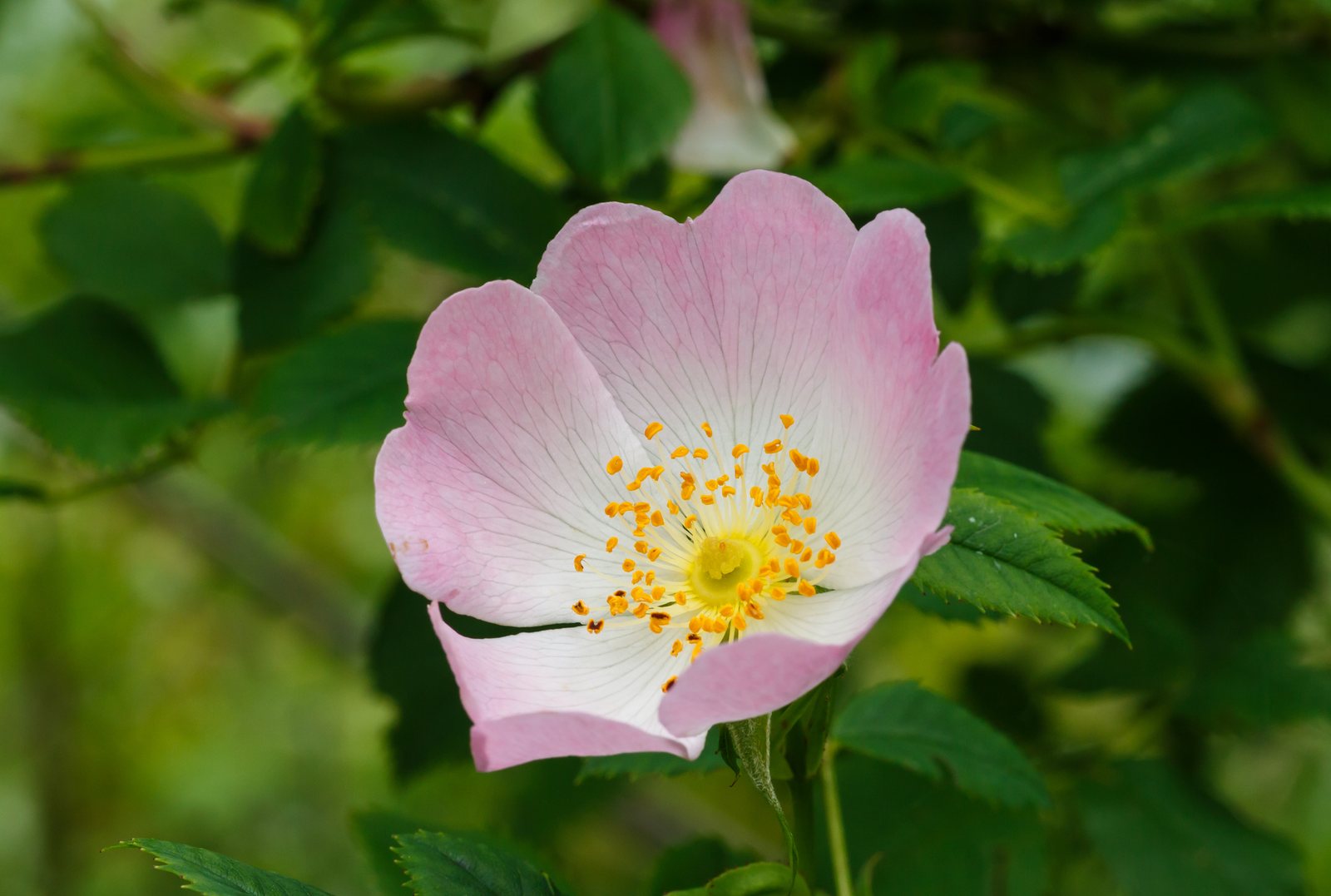
Julia Child is a compact floribunda rose with clusters of full, buttery-yellow flowers and a noticeable liquorice-like fragrance. It flowers repeatedly from early summer into autumn and suits borders, low flowering hedges and large containers.
At a glance
- Sun
- Full sun, ideally at least 6 hours daily; light afternoon shade can help in very hot climates.
- Water
- Water deeply when the upper soil begins to dry. Newly planted and container-grown roses need more frequent watering; avoid keeping the roots constantly wet.
- Soil
- Fertile, moisture-retentive but well-drained soil, preferably slightly acidic to neutral. Improve poor soil with compost before planting.
- Height
- 3-4 ft (0.9-1.2 m)
- Spread
- 2-3 ft (0.6-0.9 m)
- Flowers
- Repeated flushes from early summer into autumn; double, buttery-yellow flowers that fade paler as they age.
- Foliage
- Glossy, medium to dark green leaves with toothed leaflets; deciduous, though some leaves may persist in mild winters.
- Growth
- Moderate
- Care needed
- Medium
The year at a glance
- Heat tolerant
- Disease resistant
- Low allergen
- Fragrant
| J | F | M | A | M | J | J | A | S | O | N | D | |
|---|---|---|---|---|---|---|---|---|---|---|---|---|
| Flowers | ||||||||||||
| Plant |
Northern hemisphere months. In Australia, shift them by six.
- Difficulty
- Moderate
- Toughness
- Fairly tough
Will it suit your garden?
Pick your zone, country, light and whether you have pets.
Full sun is 6 or more hours of direct sun a day, part shade 3 to 6 hours, shade under 3.
How it grows
Planting day
1.6 ft (0.5 m)
After 1 year
2 ft (0.61 m)
After 2 years
2.4 ft (0.72 m)
After 3 years
2.7 ft (0.83 m)
After 5 years
3 ft (1.1 m)
full size
About 5 years to full size.
From a typical nursery size, at an average rate for this kind of plant. A rule of thumb, not a forecast.
Good to know
- Cats and dogs
- Safe
- Growth rate
- Moderate
Care
Jobs through the year
- WaterApr–May, Sep–Oct, every 7 days
- Water established shrubs deeply if upper soil is drying; newly planted roses need more frequent watering.
- WaterJun–Aug, every 7 days
- Soak the root zone during dry weather; check sooner in heat and avoid waterlogged soil.
- FeedMar–Apr
- Apply rose fertiliser as new growth starts, following the label.
- FeedJun–Jul
- Feed after the first flowering flush if the label recommends; avoid late-season nitrogen.
- MulchMar–Apr
- Apply 5–8 cm of compost or well-rotted organic matter, keeping stems clear.
- PruneFeb–Mar
- After severe cold, remove damaged or crossing stems and shorten healthy growth by one-third to one-half.
- DeadheadJun–Sep, every 7 days
- Remove faded flower clusters to encourage repeat flowering.
- ProtectOct–Nov
- Collect diseased fallen leaves and clear debris around the shrub.
- ProtectNov–Dec
- In exposed cold gardens, mound soil over the crown or graft union after dormancy.
- ProtectMar–Apr
- Gradually remove any winter protection mound as severe freezing weather passes.
- Water at soil level, soaking the root area rather than sprinkling the foliage.
- Apply rose fertiliser as spring growth starts, then feed again after the first flowering flush according to the label.
- Mulch with 2-3 in (5-8 cm) of compost or well-rotted organic matter, keeping it clear of the stems.
- Remove spent flower clusters to encourage repeat flowering.
- In cold parts of its range, protect the crown or graft union with a loose mound of soil after the plant becomes dormant.
Pruning. In late winter or early spring, as buds begin to swell, remove dead, damaged and crossing stems, then shorten the remaining healthy stems by about one-third to one-half. Cut just above an outward-facing bud and remove any suckers arising from below the graft.
Through the year
- Late winter
- Prune before strong new growth begins; delay where severe cold is still likely.
- Spring
- Feed as growth starts, renew the mulch and water newly planted roses regularly.
- Early summer
- Remove faded flower clusters and check soft new shoots for aphids.
- Midsummer
- Water deeply during dry spells and feed after the first flush if the fertiliser label recommends it.
- Autumn
- Collect fallen diseased leaves and avoid nitrogen-rich feeding as growth slows.
- Late autumn
- In cold climates, protect the crown once dormant; check that containers drain freely through winter.
In the garden
- Plant near a path or seating area where you can enjoy the fragrance.
- Repeat through a sunny mixed border with lavender, catmint and hardy geraniums.
- Use as a low flowering hedge along a front garden or formal path.
- Grow in a large container with drainage holes to bring yellow flowers to a patio.
Garden styles it suits: Cottage garden, English country, Traditional, Romantic rose garden, Sensory garden and Small-space.
Plant it with: Catmint, Lavender, Hardy geranium, Salvia, Lady's mantle and Alliums.
Wildlife: The densely double flowers offer less accessible pollen than single roses, so this is not a strong choice for pollinator planting. Aphids on the shoots can support ladybirds, lacewings and other predators.
Problems to watch for
- Black spot: resistance is generally good but not complete, especially in humid weather. Remove infected fallen leaves, allow air circulation and avoid wetting foliage.
- Powdery mildew: keep roots evenly moist, avoid overcrowding and remove badly affected shoots.
- Aphids: wash colonies off young shoots with water; use insecticidal soap if needed, following the label and avoiding open flowers.
- Japanese beetles, where present in North America: hand-pick beetles into soapy water; avoid placing beetle traps beside the rose.
Safety
Not known to be toxic to cats, dogs, horses or people. Eating plant material may cause mild stomach upset, and the prickles can injure skin, mouths and eyes. Do not eat flowers treated with products not approved for edible plants.
Easily confused with
Golden Celebration rose (Rosa 'AUSgold')
Golden Celebration usually forms a larger, more arching shrub with larger, deeply cupped, richer golden-yellow flowers; Julia Child is more compact and carries its buttery-yellow flowers in floribunda clusters.
The name
The rose was named for American cook and author Julia Child, who selected it to bear her name.
Propagation. Propagate by softwood or semi-ripe cuttings, or by budding onto rose rootstock. Seedlings will not come true to the cultivar; check local plant variety rights before propagating.
Checked against open data
- Accepted botanical name
- Rosa
Sources: GBIF (CC BY 4.0). The care and design notes are LandscapeGPT's own.
See it in your own yard.
Upload a photo of your yard and see it redesigned with plants that suit your climate, each checked against your zone.