Kidney weed
Dichondra repens. Family Convolvulaceae. Groundcover.
Also called Kidney grass, Lawn leaf, Dichondra.
Kidney weed is a creeping perennial native to Australia and New Zealand, grown for its carpet of small, kidney-shaped green leaves. It makes a soft groundcover between stepping stones and beneath open-canopied shrubs, tolerating occasional foot traffic but not regular lawn use. In colder parts of the United States, Canada and the United Kingdom, it needs frost protection or replacement after winter.
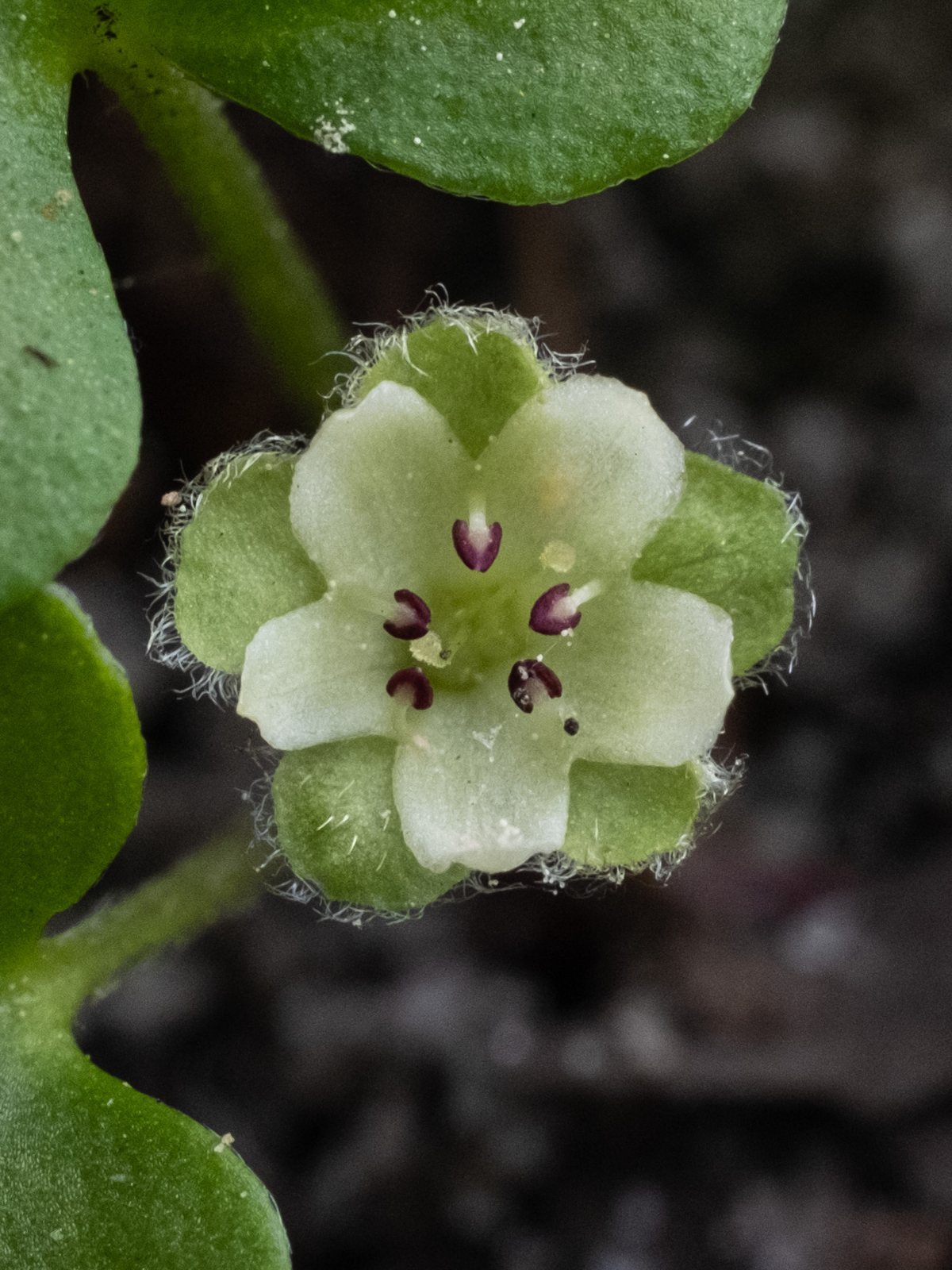
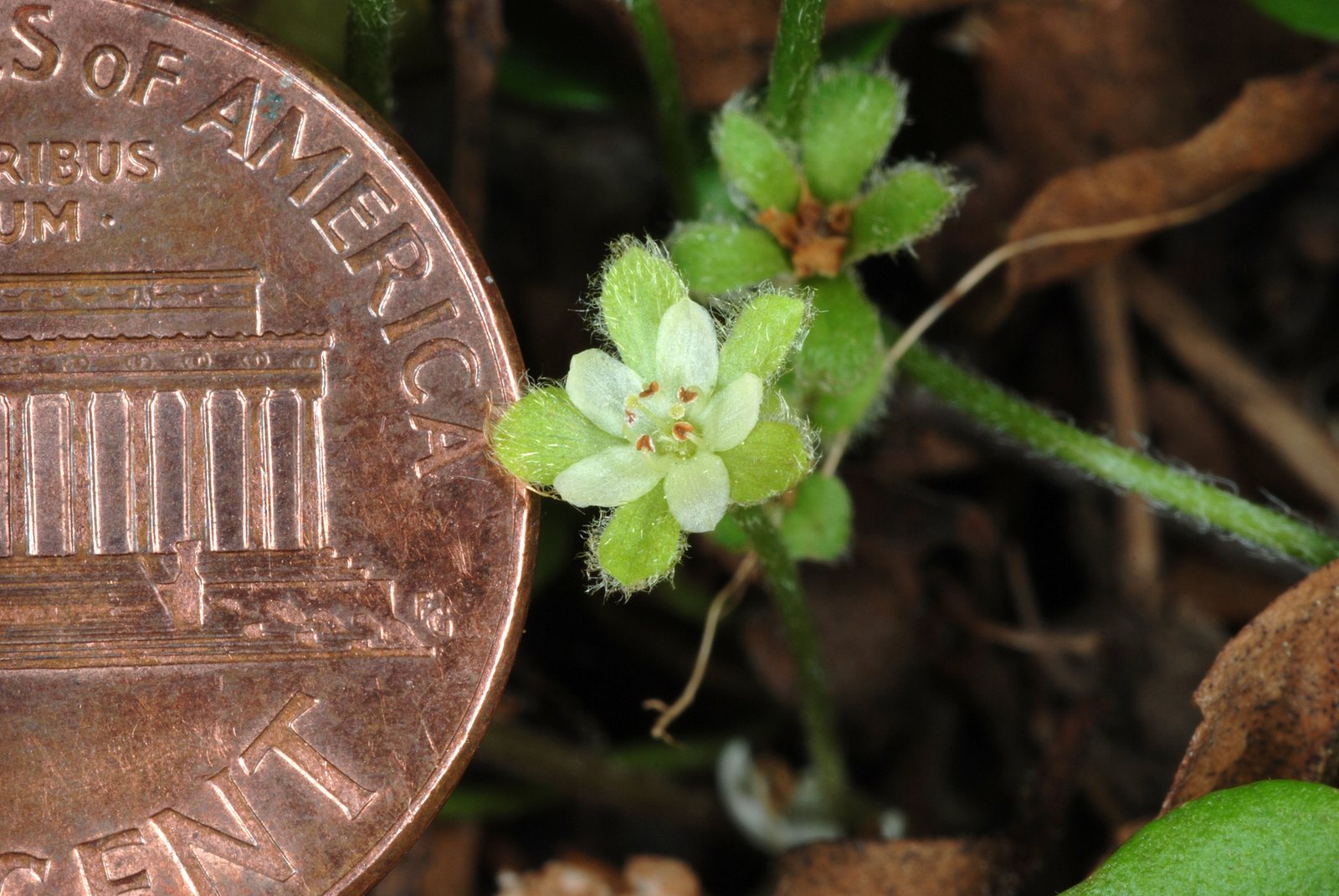
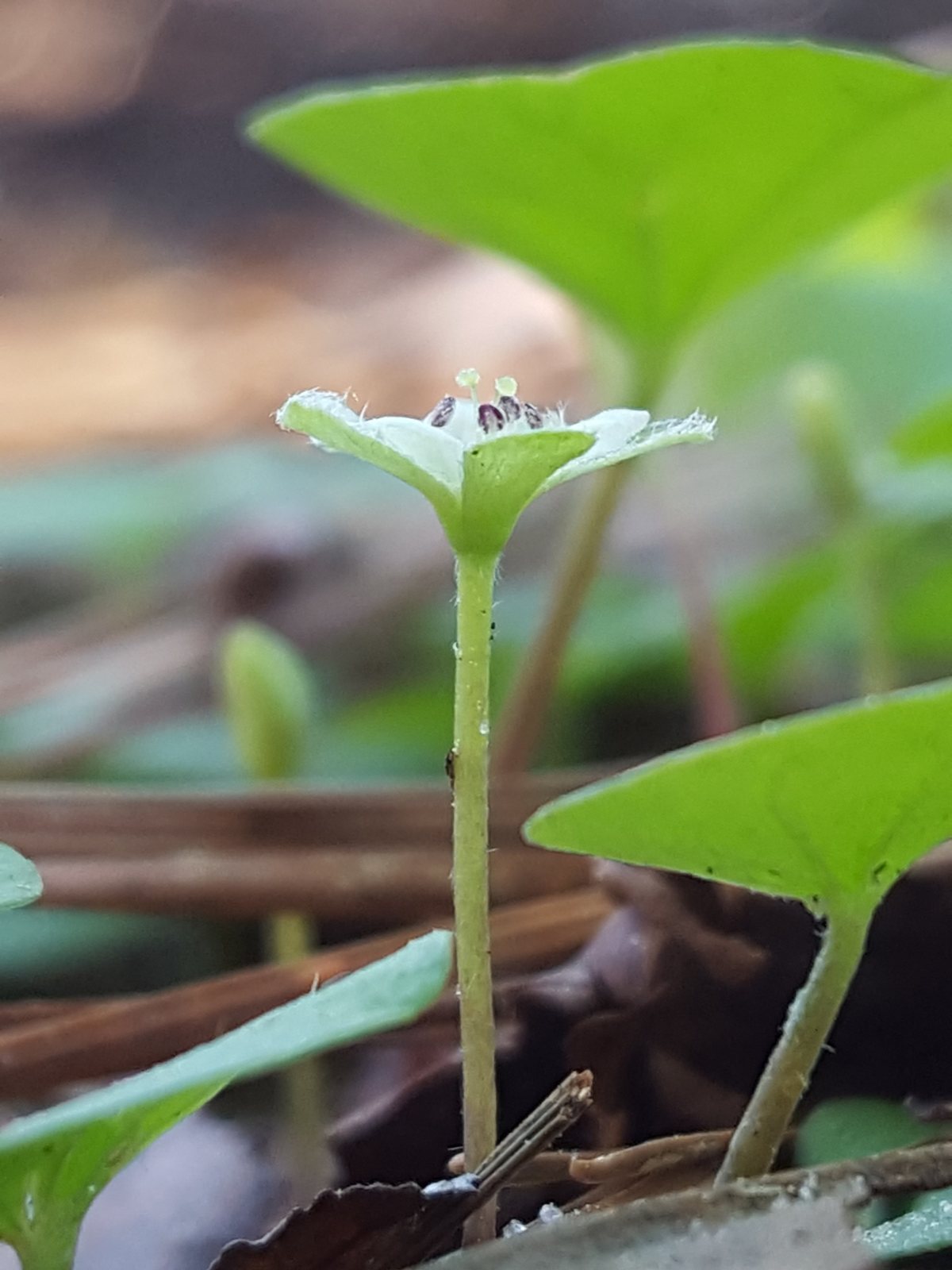
At a glance
- Sun
- Full sun to partial shade; afternoon shade helps in hot, dry gardens. Growth becomes thinner in deep shade.
- Water
- Keep evenly moist while establishing. Established plants tolerate brief dry spells, but need watering during prolonged drought to retain a dense green cover.
- Soil
- Well-drained soil with moderate fertility; tolerates several soil types but struggles in waterlogged or heavily compacted ground.
- Height
- 0.1-0.2 ft (0.03-0.06 m)
- Spread
- 3 ft (0.9 m) or more; rooting stems can continue spreading where conditions suit.
- Foliage
- Evergreen. Small, rounded to kidney-shaped green leaves on slender creeping stems that root at the nodes.
- Growth
- Moderate to fast in warm weather with adequate moisture.
- Care needed
- Low
The year at a glance
- Heat tolerant
- Wildlife
- Low allergen
| J | F | M | A | M | J | J | A | S | O | N | D | |
|---|---|---|---|---|---|---|---|---|---|---|---|---|
| Plant |
Northern hemisphere months. In Australia, shift them by six.
- Difficulty
- Moderate
- Toughness
- Needs looking after
Will it suit your garden?
Pick your zone, country, light and whether you have pets.
Full sun is 6 or more hours of direct sun a day, part shade 3 to 6 hours, shade under 3.
How it grows
Planting day
0 ft (0.01 m)
After 1 year
0.1 ft (0.03 m)
After 2 years
0.1 ft (0.05 m)
full size
About 2 years to full size.
From a typical nursery size, at an average rate for this kind of plant. A rule of thumb, not a forecast.
Good to know
- Cats and dogs
- Safe
- Native to
- Australia
- In the garden
- Spreads vigorously: plan to contain it.
- Growth rate
- Fast
Care
Jobs through the year
- WaterMay, Sep, every 14 days
- Water established groundcover if the surface dries; new plugs need more frequent watering.
- WaterJun–Aug, every 7 days
- Water established groundcover deeply during dry spells to maintain dense green growth.
- FeedMay
- Apply a light balanced feed only if growth is pale or sparse.
- DivideMay–Jun
- Lift rooted sections to fill gaps once frost risk has passed; keep them moist.
- PruneMay–Sep, every 30 days
- Trim runners spreading across paths or into neighbouring plants.
- ProtectSep–Oct
- Not winter-hardy in zones 6–7; pot rooted sections before frost and overwinter frost-free.
- WaterJan–Apr, Oct–Dec, every 14 days
- For frost-free overwintered pots only, check moisture and water sparingly when nearly dry.
- Water regularly during establishment, then water deeply when the surface soil begins to dry.
- Remove weeds before planting and hand-weed gaps until the groundcover closes.
- Apply a light feed in spring if growth is pale or sparse; avoid heavy lawn-fertiliser applications.
- Keep frequent foot traffic off the planting and use stepping stones for regular routes.
- Lift rooted pieces in spring to fill bare patches, keeping them moist until established.
Pruning. Trim wandering stems during the growing season to keep paths and neighbouring plants clear. Mowing is usually unnecessary; if needed, use a high setting and avoid scalping the leaves.
Through the year
- Spring
- Once frost risk has passed, plant plugs or rooted divisions into weed-free soil.
- Late spring
- Check establishment, hand-weed gaps and give a light feed only if growth needs it.
- Summer
- Water during dry spells and trim runners spreading into beds or across paving.
- Early autumn
- In warm climates, repair thin patches with rooted pieces while the soil is still warm.
- Late autumn
- Move containers under cover where winter temperatures fall below its tolerance.
- Winter
- Avoid walking on saturated groundcover and keep sheltered pots barely moist rather than wet.
In the garden
- Plant between widely spaced stepping stones to soften paving where foot traffic is light.
- Use beneath open-canopied shrubs to make a low green carpet without hiding their trunks.
- Replace small, lightly used lawn areas in mild climates, with a firm path for regular access.
- Let stems trail over the edges of containers or low retaining walls.
Garden styles it suits: Australian native, Modern courtyard, Japanese, Green on green, Small-space and Modern tropical.
Plant it with: Lomandra, Dianella, Japanese maple, Camellia, Liriope and Mondo grass.
Wildlife: The dense mat provides shelter for small ground-dwelling invertebrates. Its tiny, inconspicuous flowers are not a major garden nectar source.
Problems to watch for
- Slugs and snails can damage young leaves: remove hiding places and use traps or a labelled iron-phosphate bait where needed.
- Yellowing or rotting patches in wet soil: improve drainage, reduce watering and replace damaged plants after correcting the cause.
- Thin, bare growth from heavy traffic or deep shade: redirect walking onto paving or move the planting to a brighter position.
- Brown patches during drought or frost: water drought-stressed plants and wait for warm-weather regrowth before removing frost-damaged sections.
Safety
Not known to be toxic to cats, dogs, horses or people. No part is recognised as a significant poisoning hazard, though species-specific information is limited and it is not a food plant.
Where it spreads. Rooting stems can spread into neighbouring lawns and beds in mild parts of Australia and the southern United States. Keep edges contained; reports under the name dichondra sometimes refer to the similar Dichondra micrantha rather than this species.
Easily confused with
Asian ponysfoot (Dichondra micrantha)
Extremely similar and often sold or recorded under the same common names. Reliable identification usually requires close examination of flowers and fruit rather than leaf shape alone.
Silver ponysfoot (Dichondra argentea)
Has distinctly silvery, hairy foliage rather than the green leaves of kidney weed.
Ground ivy (Glechoma hederacea)
Has opposite leaves with clearly scalloped edges, square stems, an aromatic smell when crushed and purple flowers; kidney weed has alternate, mostly smooth-edged leaves.
The name
The common name refers to the kidney-shaped leaves, while the Latin repens means creeping.
Propagation. Divide established mats or detach rooted runners in spring or early summer and replant promptly. Seed can also be sown in warm conditions; keep the seedbed consistently moist until seedlings establish.
Checked against open data
- Accepted botanical name
- Dichondra repens
- Native range
- Chatham Is., Mauritius, New South Wales, New Zealand North, New Zealand South, Norfolk Is., Queensland, Rodrigues, Réunion, South Australia, Tasmania and Victoria.
- Measured
- Average height 9 cm.
Sources: GBIF (CC BY 4.0) and Trefle (CC BY 4.0). The care and design notes are LandscapeGPT's own.
See it in your own yard.
Upload a photo of your yard and see it redesigned with plants that suit your climate, each checked against your zone.