Kilmarnock willow
Salix caprea 'Kilmarnock'. Family Salicaceae. Tree.
Also called Weeping goat willow, Weeping pussy willow, Salix caprea 'Pendula'.
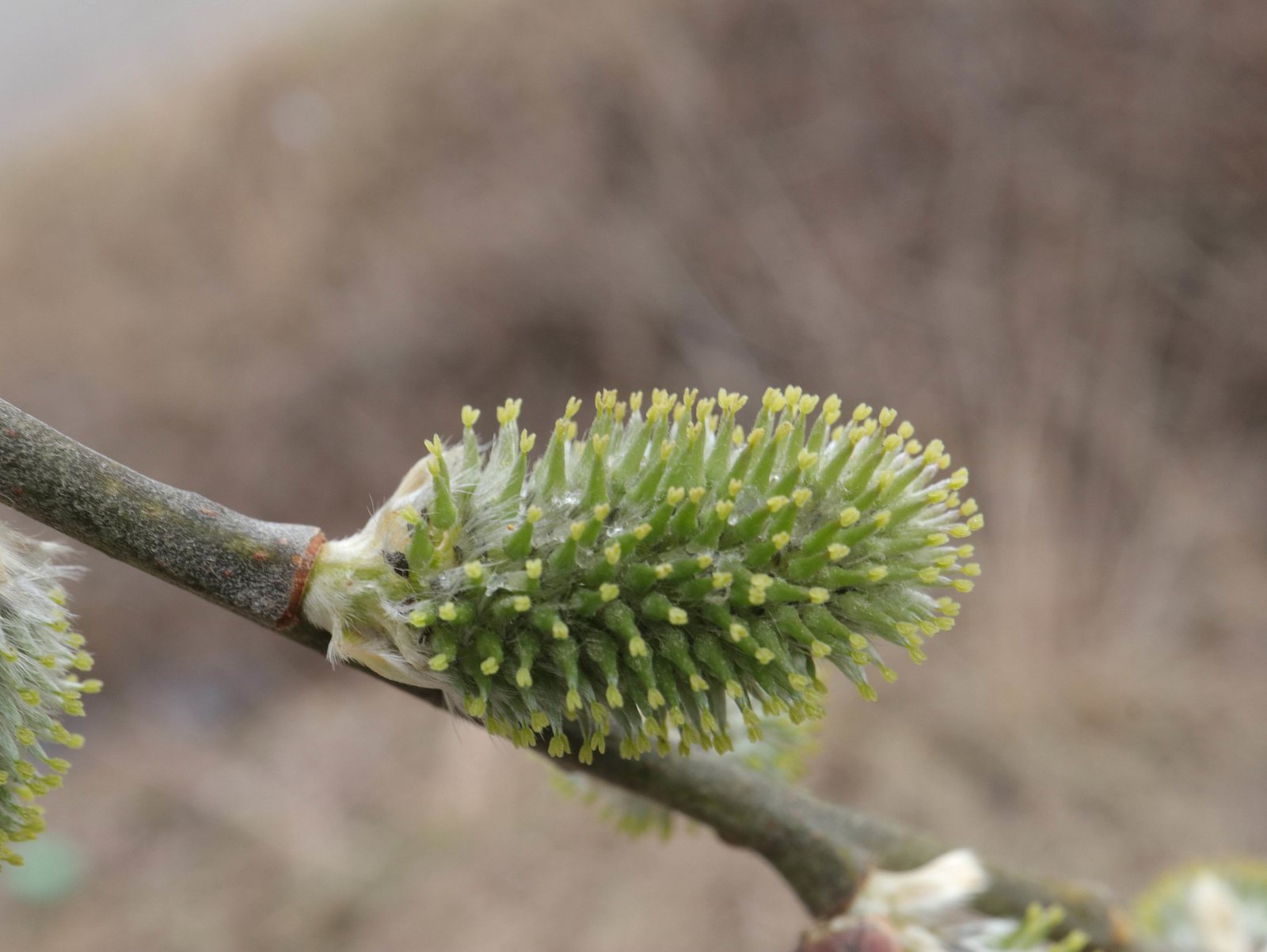
Kilmarnock willow is a small, deciduous tree with stiffly drooping branches and silver catkins that open before the leaves. Usually grafted onto an upright stem, it makes a compact umbrella-shaped feature; its eventual height depends largely on the height of the graft.
At a glance
- Sun
- Full sun is best; tolerates light partial shade.
- Water
- Keep the soil consistently moist, especially during establishment and hot weather. Poorly suited to dry gardens.
- Soil
- Moist, fertile soil, including clay, with an acidic to alkaline pH. Avoid thin, drought-prone soil.
- Height
- 5-8 ft (1.5-2.4 m), depending on graft height and pruning
- Spread
- 5-8 ft (1.5-2.4 m)
- Flowers
- Late winter to early spring; silky silver male catkins develop yellow pollen-bearing anthers before the leaves emerge.
- Foliage
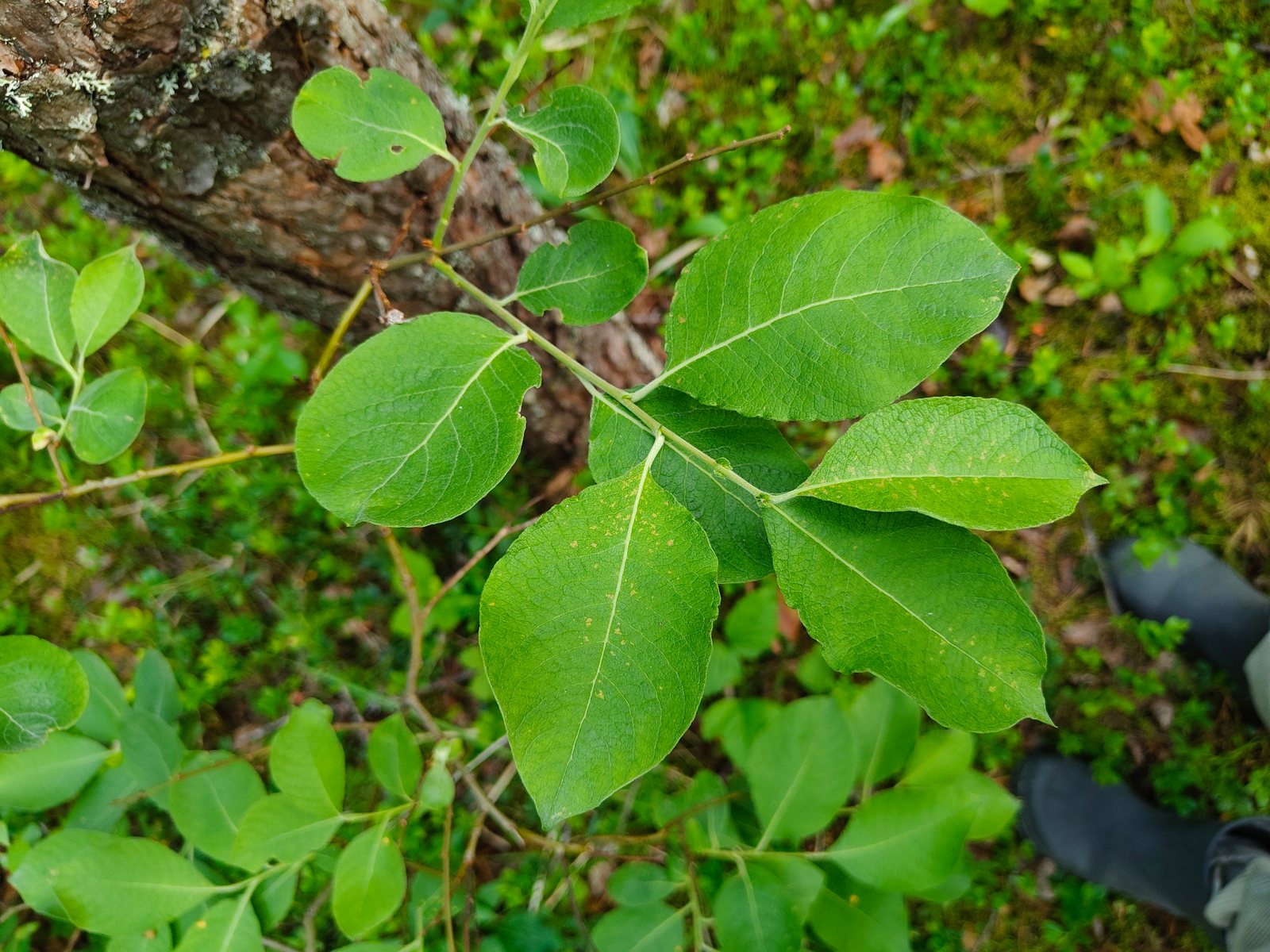
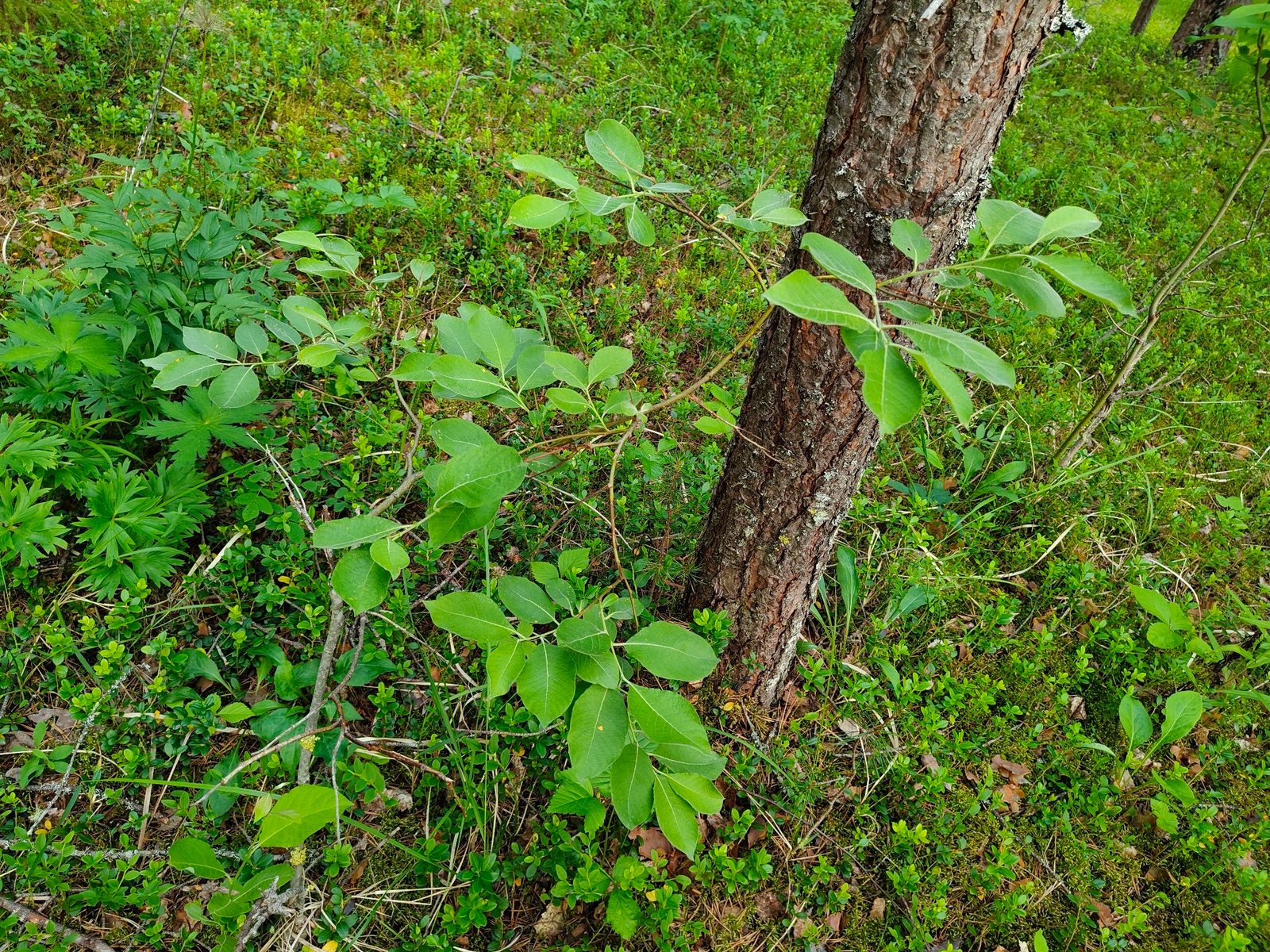
- Broad, oval green leaves with grey, softly hairy undersides; usually yellowing before falling in autumn.
- Growth
- Fast-growing shoots; the grafted trunk gains little height.
- Care needed
- Medium
The year at a glance
- Pollinators
- Cold hardy
- Wildlife
| J | F | M | A | M | J | J | A | S | O | N | D | |
|---|---|---|---|---|---|---|---|---|---|---|---|---|
| Flowers | ||||||||||||
| Plant |
Northern hemisphere months. In Australia, shift them by six.
- Difficulty
- Moderate
- Toughness
- Fairly tough
Will it suit your garden?
Pick your zone, country, light and whether you have pets.
Full sun is 6 or more hours of direct sun a day, part shade 3 to 6 hours, shade under 3.
How it grows
Planting day
6 ft (2 m)
full size
About 13 years to full size.
From a typical nursery size, at an average rate for this kind of plant. A rule of thumb, not a forecast.
Good to know
- Cats and dogs
- Mildly toxic: may upset a stomach
- Invasive in
- Australia
- Growth rate
- Fast
Care
Jobs through the year
- WaterApr–May, Sep–Oct, every 7 days
- Water established trees when rain is insufficient to keep soil moist; young trees need closer attention.
- WaterJun–Aug, every 7 days
- Soak deeply during dry weather; water sooner if soil dries in heat.
- MulchMar–Apr
- Apply 5–8 cm of organic mulch, keeping it away from the trunk.
- FeedMar–Apr
- Feed lightly only if growth is weak; avoid excessive nitrogen.
- PruneMar–Apr
- Just after catkins finish, shorten flowered shoots to two to four healthy basal buds.
- PruneApr–Sep
- Remove shoots below the graft or from roots promptly, cutting at their origin.
- ProtectOct–Nov
- Collect heavily rust-infected fallen leaves to reduce carryover.
- Water deeply during dry spells for the first two growing seasons; continue watering established trees when the soil dries.
- Apply a 2-3 in (5-8 cm) layer of organic mulch in spring, keeping it clear of the trunk.
- Feed lightly in spring only if growth is weak; avoid heavy nitrogen feeding.
- Stake a newly planted grafted tree if its crown rocks in the wind, and check ties regularly.
- Remove upright shoots arising below the graft or from the roots as soon as they appear.
Pruning. Prune just after the catkins finish: shorten flowered shoots to two to four healthy buds from their bases to maintain a compact crown and encourage next year's flowering shoots. Remove dead, crossing or crowded branches, and keep trailing tips clear of the ground.
Through the year
- Late winter
- Enjoy the catkins and check that stakes and ties are not rubbing or constricting the trunk.
- Early spring
- After flowering, prune the weeping crown and remove any shoots below the graft.
- Spring
- Replenish mulch and water new plantings thoroughly.
- Summer
- Water during dry spells and inspect leaves for rust, aphids and feeding damage.
- Autumn
- Clear heavily diseased fallen leaves and check that trailing branches are not resting on the soil.
- Late autumn
- Plant while dormant where the ground is workable, choosing a moist site with room for the mature crown.
In the garden
- Use as a single focal tree in a small lawn, leaving space around the drooping crown.
- Plant beside a pond or rain garden where the soil stays moist, rather than in deep standing water.
- Underplant with snowdrops, hellebores and other low spring plants for interest beneath the bare winter branches.
- Place near a path or window where the early catkins can be seen closely, allowing room for the branches to hang clear of access.
Garden styles it suits: Cottage garden, Traditional, Wildlife garden, Winter interest, Small-space and Bog garden.
Plant it with: Snowdrops, Lenten roses, Siberian bugloss, Primroses, Hostas and Japanese sedges.
Wildlife: The early male catkins provide pollen and nectar for bees when few other trees are flowering. Leaves support various moth caterpillars and other insects.
Problems to watch for
- Willow rust causes orange spots or pustules and early leaf fall: collect affected fallen leaves, maintain watering and thin crowded growth for airflow.
- Aphids gather on young shoots: wash off small colonies with water and encourage ladybirds and other predators.
- Willow leaf beetles and sawfly larvae chew leaves: inspect regularly and hand-pick small infestations, especially on young trees.
- Rootstock shoots can overwhelm the weeping crown: remove them promptly at their point of origin, exposing the base of root suckers before cutting.
Safety
Not generally regarded as poisonous to cats, dogs, horses or people. Bark and leaves contain salicylates, however, and substantial ingestion may cause illness; discourage chewing and do not use homemade willow remedies for pets, particularly cats.
Where it spreads. Australia: Salix caprea is covered by willow weed restrictions in several states, including New South Wales and Victoria; check local rules before buying or planting. This male cultivar does not produce seed, but its pollen can contribute to hybrid willow seedlings where compatible female willows grow.
Easily confused with
Weeping willow (Salix babylonica)
A much larger tree with long, narrow leaves and slender hanging shoots; Kilmarnock willow has broad leaves and a compact crown on a usually grafted trunk.
American weeping pussy willow (Salix discolor 'Pendula')
Also has weeping branches and early catkins, but its leaves are generally narrower and less rounded. Check a reliable plant label, since nursery names can overlap.
Goat willow (Salix caprea)
The ordinary species grows as an upright, much larger shrub or tree rather than forming a small, strongly weeping crown.
The name
Salix is the Latin name for willow, caprea means 'of goats', and 'Kilmarnock' refers to the Scottish town associated with the cultivar's introduction.
Propagation. Usually propagated by grafting onto an upright willow rootstock to produce the standard weeping form. Cuttings of goat willow root less reliably than those of many other willows, and rooted plants will not develop the same clear trunk without training.
Checked against open data
- Accepted botanical name
- Salix caprea
- In the US and Canada
- Introduced in Canada and the lower 48 states.
- Measured
- Average height 960 cm.
Sources: GBIF (CC BY 4.0), USDA PLANTS and Trefle (CC BY 4.0). The care and design notes are LandscapeGPT's own.
See it in your own yard.
Upload a photo of your yard and see it redesigned with plants that suit your climate, each checked against your zone.