Knobby club-rush
Ficinia nodosa. Family Cyperaceae. Ornamental grass.
Also called Knotted club-rush, Knobby club sedge, Isolepis nodosa.
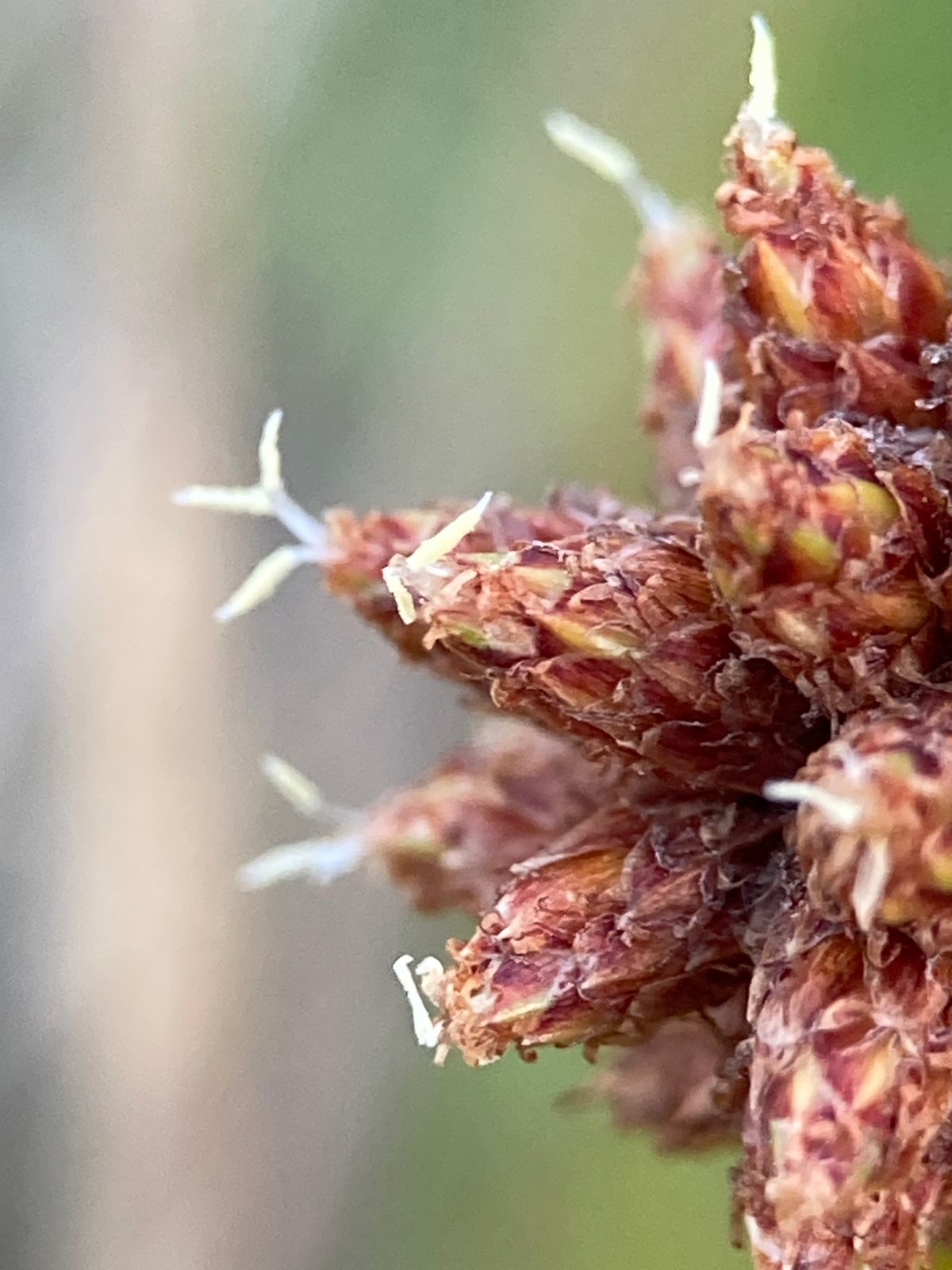
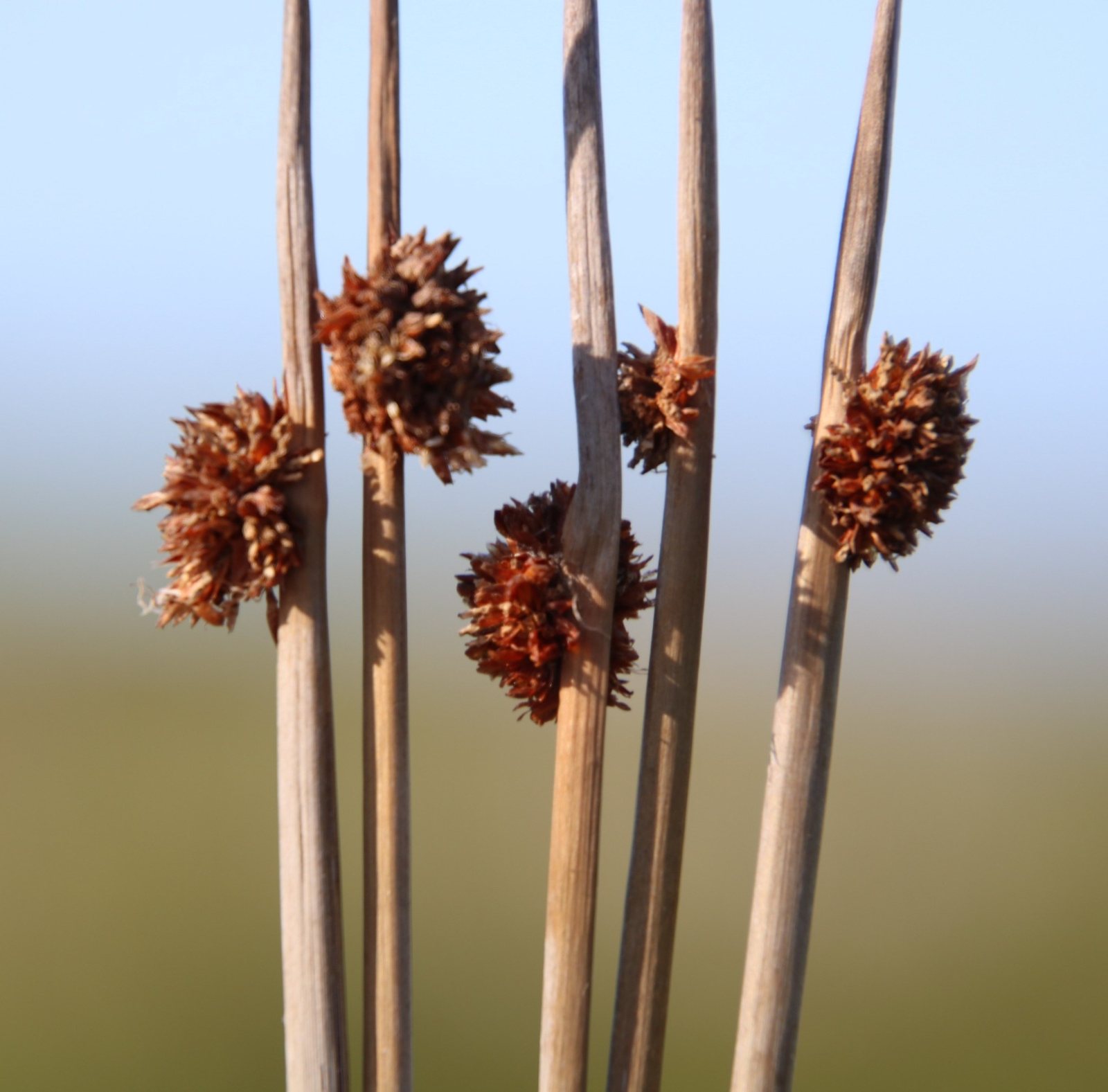
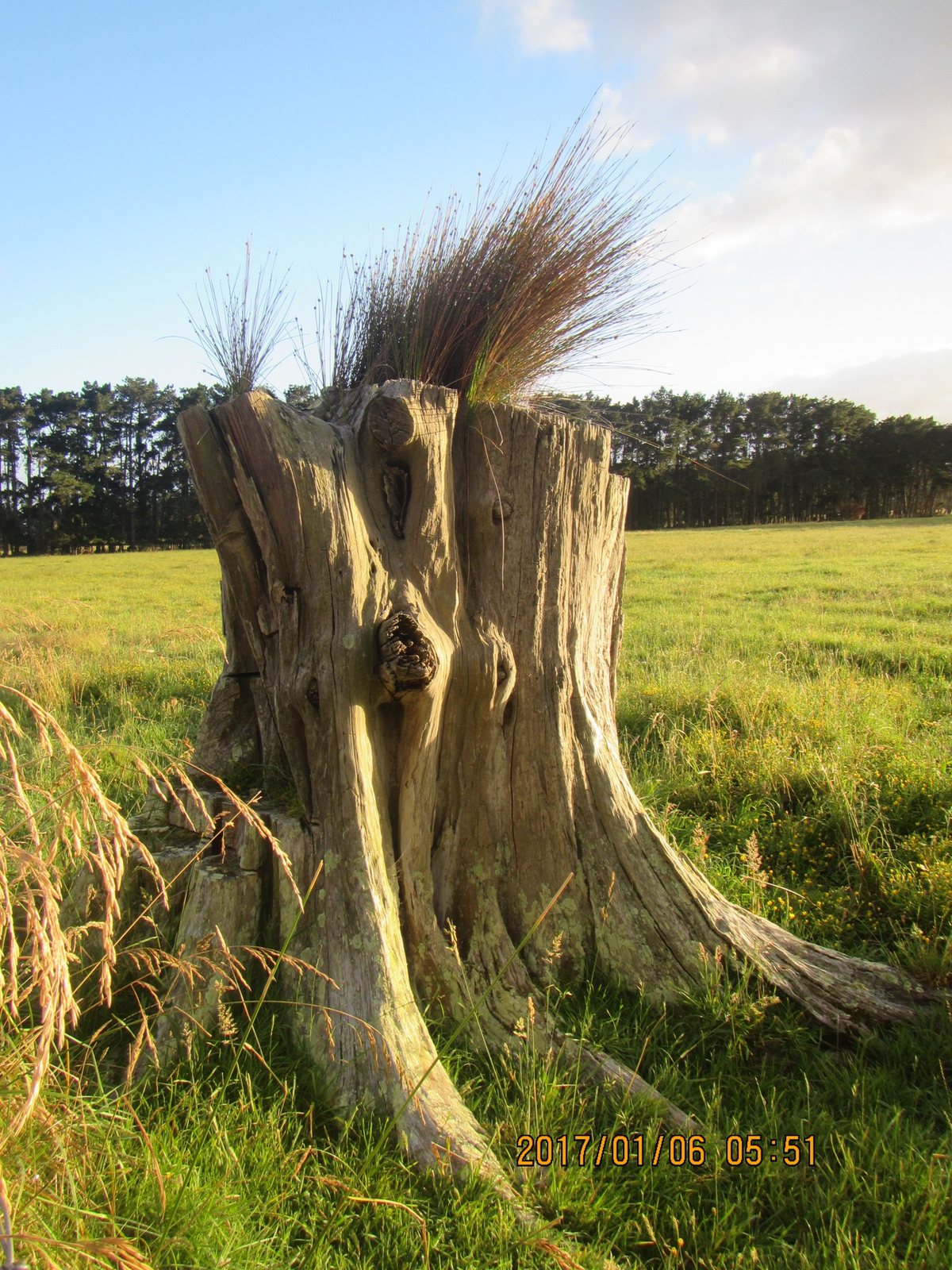
Knobby club-rush is an evergreen, clump-forming sedge with upright to arching green stems and small brown seed heads near their tips. Gardeners grow it for its fine texture, rounded shape and tolerance of coastal wind, salt spray and dry spells once established. It suits mild climates; prolonged freezing can damage or kill it.
At a glance
- Sun
- Full sun to light partial shade; growth is denser in sun.
- Water
- Water regularly while establishing. Established plants tolerate dry spells but look fuller with occasional deep watering; they also tolerate seasonally wet ground.
- Soil
- Adaptable to sandy, loamy or clay soils, including mildly saline ground. Use a freely draining mix in containers.
- Height
- 2-3 ft (0.6-0.9 m)
- Spread
- 2-3 ft (0.6-0.9 m)
- Flowers
- Small, rounded brown flower clusters from spring into summer; persistent seed heads remain decorative afterward.
- Foliage
- Evergreen. Slender, cylindrical green stems form an upright, arching clump; true leaves are reduced to sheaths at the base.
- Growth
- Moderate
- Care needed
- Low
The year at a glance
- Deer resistant
- Drought tolerant
- Heat tolerant
- Wildlife
| J | F | M | A | M | J | J | A | S | O | N | D | |
|---|---|---|---|---|---|---|---|---|---|---|---|---|
| Flowers | ||||||||||||
| Fruit | ||||||||||||
| Plant |
Northern hemisphere months. In Australia, shift them by six.
- Difficulty
- Moderate
- Toughness
- Fairly tough
Will it suit your garden?
Pick your zone, country, light and whether you have pets.
Full sun is 6 or more hours of direct sun a day, part shade 3 to 6 hours, shade under 3.
How it grows
Planting day
1.1 ft (0.35 m)
After 1 year
1.7 ft (0.51 m)
After 2 years
2.2 ft (0.67 m)
After 3 years
2.5 ft (0.75 m)
full size
About 3 years to full size.
From a typical nursery size, at an average rate for this kind of plant. A rule of thumb, not a forecast.
Good to know
- Cats and dogs
- Safe
- Native to
- Australia
- Growth rate
- Moderate
Care
Jobs through the year
- WaterApr–May, Sep–Oct, every 21 days
- Water established clumps if dry; new plants need more regular watering through their first season.
- WaterJun–Aug, every 14 days
- Deep-water during extended drought if stems yellow or clumps lose density.
- PruneApr–May
- Cut dead or damaged stems out at the base; avoid shearing the whole clump.
- DivideApr–May
- Divide crowded clumps as growth resumes and water divisions thoroughly.
- FeedMay
- Apply a light balanced slow-release feed only in poor soil or weak-growing containers.
- DeadheadJul–Sep
- Remove individual seed heads before shedding if seedlings are unwanted.
- ProtectJan–Apr, Oct–Dec
- Not hardy outdoors in zones 6–7; overwinter containers bright and frost-free, with unobstructed drainage.
- Water deeply during the first growing season, allowing the surface soil to dry slightly between waterings.
- Once established, water during extended drought if stems begin to yellow or the clump loses density.
- Feed sparingly; a light spring application of balanced slow-release fertiliser is enough in poor soil or containers.
- Keep mulch clear of the crown and make sure container drainage holes remain open.
- Divide crowded clumps in spring and remove unwanted seedlings while small.
Pruning. In spring, cut dead or damaged stems out at the base. Avoid routinely shearing the whole clump, which leaves blunt brown tips; remove old seed heads individually if you want a tidier appearance.
Through the year
- Spring
- Plant after the risk of hard frost has passed and water thoroughly.
- Spring
- Remove dead stems and divide congested clumps as new growth begins.
- Late spring
- Apply a light feed only where soil is poor or container growth is weak.
- Summer
- Water new plants regularly and established plants during prolonged drought.
- Autumn
- Remove unwanted seedlings; leave sound stems and seed heads for winter structure.
- Winter
- Move containers under cover where hard freezes are expected and avoid leaving pots in water-filled saucers.
In the garden
- Plant in repeated groups through coastal gravel gardens for fine texture and movement.
- Use beside paths or paving to soften hard edges without hiding the layout.
- Combine with broad-leaved plants to contrast their heavier shapes with slender green stems.
- Grow in large containers as a simple, rounded architectural feature.
- Plant on the upper margins of rain gardens where soil alternates between moist and dry.
Garden styles it suits: Coastal, Australian native, Contemporary minimal, Architectural minimal, Dry gravel garden and Low-maintenance.
Plant it with: Spiny-headed mat-rush, New Zealand flax, Kangaroo paw, Coastal rosemary, Sea lavender and Pigface.
Wildlife: Dense clumps provide shelter for small invertebrates. Flowers are wind-pollinated and offer little nectar value to bees or butterflies.
Problems to watch for
- Frost-browned stems: remove damaged stems in spring; use a sheltered position or overwinter containers under cover in colder areas.
- Crown or root rot in stagnant container soil: clear drainage holes, use an open potting mix and stop leaving the pot standing in water.
- Sparse growth in heavy shade: move to a brighter position, preferably with several hours of direct sun.
- Unwanted seedlings in moist gravel or beds: pull them while young or remove seed heads before seed is shed.
Safety
Not known to be toxic to people, cats, dogs or horses, and no particular part is recognised as poisonous. Species-specific safety information is limited; it is not a food plant.
Easily confused with
Fibre-optic grass (Isolepis cernua)
Much smaller, with very fine, drooping stems and tiny pale flower heads at their tips; knobby club-rush has coarser stems and larger brown heads just below the tips.
Soft rush (Juncus effusus)
Usually has thicker, softer, pith-filled stems and a loose, branched flower cluster near the stem tip rather than a compact, rounded brown head.
The name
The species name nodosa means knotted or knobby, referring to the compact flower heads that also give the plant its common name.
Propagation. Divide established clumps in spring, keeping roots and several healthy stems on each piece. It can also be raised from ripe seed sown on the surface of moist seed compost in warm, bright conditions.
Checked against open data
- Accepted botanical name
- Ficinia nodosa
- Native range
- Amsterdam-St.Paul Is, Cape Provinces, Chatham Is., Cook Is., Juan Fernández Is., Kermadec Is., KwaZulu-Natal, New South Wales, New Zealand North, New Zealand South, Norfolk Is. and South Australia.
- Measured
- Average height 70 cm.
Sources: GBIF (CC BY 4.0) and Trefle (CC BY 4.0). The care and design notes are LandscapeGPT's own.
See it in your own yard.
Upload a photo of your yard and see it redesigned with plants that suit your climate, each checked against your zone.