Lady fern 'Lady in Red'
Athyrium filix-femina 'Lady in Red'. Family Athyriaceae. Fern.
Also called Red-stemmed lady fern, Athyrium filix-femina 'Lady in Red'.
A deciduous fern with finely divided, light green fronds held on contrasting burgundy-red stalks. It brings soft texture to moist, shaded borders; the red colouring is often stronger once plants are established.
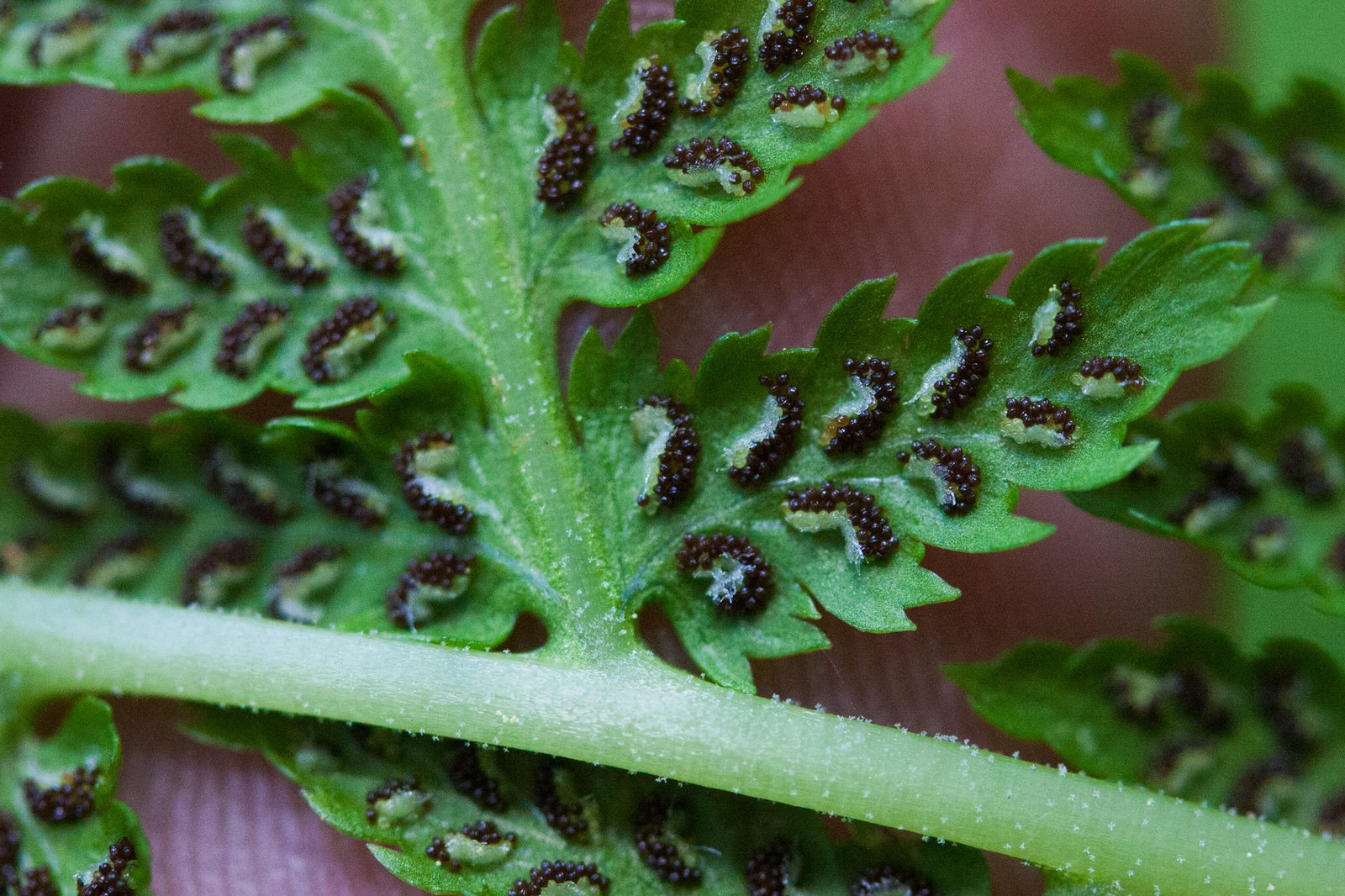
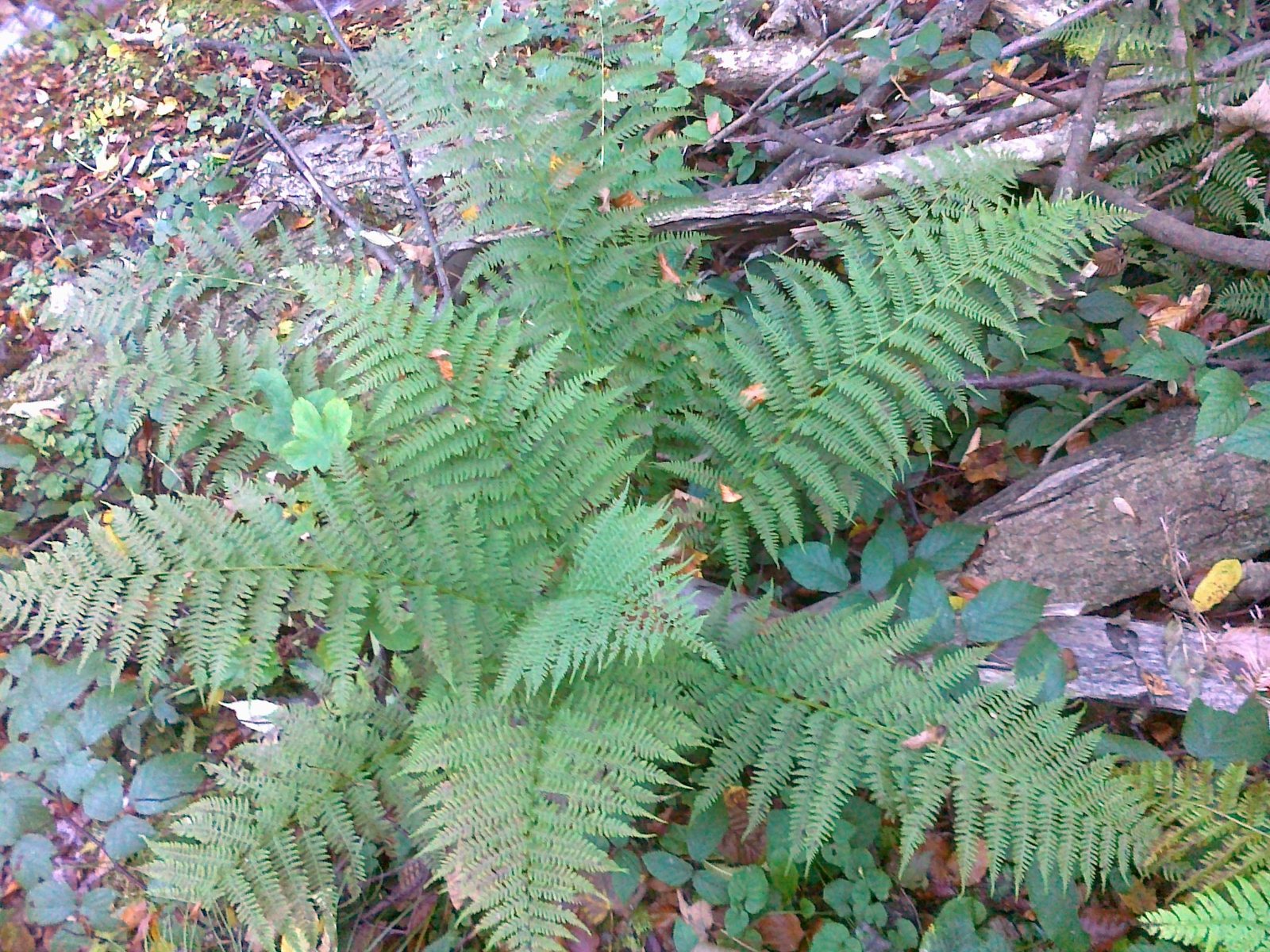
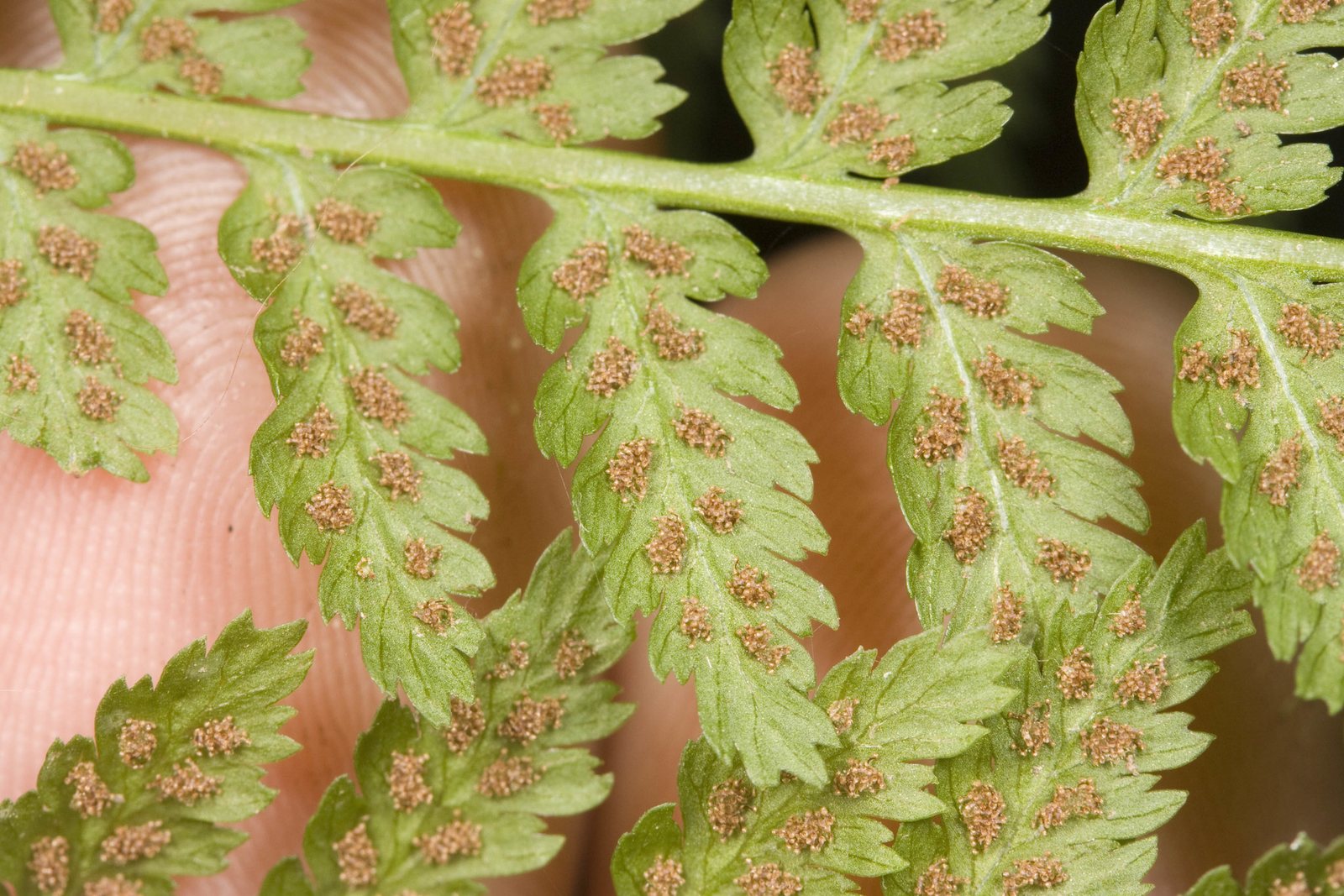
At a glance
- Sun
- Partial to full shade; gentle morning sun is suitable where the soil stays moist. Avoid hot afternoon sun.
- Water
- Keep evenly moist, especially during establishment and hot weather. Avoid prolonged drought and stagnant, waterlogged soil.
- Soil
- Humus-rich, moisture-retentive but well-drained soil; slightly acidic to neutral soil is ideal.
- Height
- 2-3 ft (0.6-0.9 m)
- Spread
- 2-3 ft (0.6-0.9 m)
- Foliage
- Lacy, finely divided light green fronds with red to burgundy stalks and central ribs; dies back in autumn.
- Growth
- Moderate
- Care needed
- Low
The year at a glance
- Deer resistant
- Cold hardy
- Wildlife
- Low allergen
| J | F | M | A | M | J | J | A | S | O | N | D | |
|---|---|---|---|---|---|---|---|---|---|---|---|---|
| Plant |
Northern hemisphere months. In Australia, shift them by six.
- Difficulty
- Easy
- Toughness
- Fairly tough
Will it suit your garden?
Pick your zone, country, light and whether you have pets.
Full sun is 6 or more hours of direct sun a day, part shade 3 to 6 hours, shade under 3.
How it grows
Planting day
1 ft (0.3 m)
After 1 year
1.5 ft (0.45 m)
After 2 years
2 ft (0.6 m)
After 3 years
2.5 ft (0.75 m)
full size
About 3 years to full size.
From a typical nursery size, at an average rate for this kind of plant. A rule of thumb, not a forecast.
Good to know
- Cats and dogs
- Toxic
- Native to
- the US, Canada and the UK
- Growth rate
- Moderate
Care
Jobs through the year
- WaterApr–May, Sep–Oct, every 7 days
- Water established ground plants when the surface starts drying; check new crowns more often.
- WaterJun–Aug, every 4 days
- Keep established ground plants evenly moist, watering deeply unless rainfall is sufficient.
- PruneFeb–Mar
- Remove collapsed dead fronds before new fiddleheads emerge, keeping clear of the crown.
- MulchMar–Apr
- Top-dress with leaf mould or compost, leaving the crown uncovered.
- DivideMar–Apr
- Divide crowded clumps just as growth begins and water the divisions thoroughly.
- ProtectMar–May
- Cover emerging fronds with fleece when late frost is forecast.
- ProtectJun–Aug
- Provide shelter from hot afternoon sun and strong winds.
- Water deeply when the soil surface begins to dry; do not let newly planted crowns dry out.
- Mulch annually with leaf mould or compost, keeping the crown uncovered.
- Top-dress with compost in spring; rich soil usually needs no additional fertiliser.
- Shelter from strong winds, which can tear or flatten the fronds.
- Divide crowded clumps in early spring, just as new growth begins.
Pruning. Leave fading fronds until they collapse, then cut them close to the ground in late autumn or late winter. Finish before the new spring fiddleheads emerge, taking care not to damage the crown.
Through the year
- Late winter
- Remove remaining dead fronds before new growth appears.
- Early spring
- Plant or divide clumps and water them in thoroughly.
- Spring
- Spread leaf mould or compost around, but not over, the crowns.
- Summer
- Check soil moisture regularly and water during dry spells.
- Autumn
- Let the foliage die back naturally and remove any diseased material.
In the garden
- Plant in groups beneath deciduous trees where roots will not leave the soil too dry.
- Combine with broad-leaved hostas or brunneras to contrast fine and bold foliage.
- Use beside a shaded path where the red stalks can be seen at close range.
- Plant along a moist pond margin above the permanently saturated soil.
Garden styles it suits: Woodland, Japanese, Cottage garden, Secret garden, Green on green and Pacific Northwest woodland.
Plant it with: Hosta, Siberian bugloss, Astilbe, Barrenwort, Solomon's seal and Japanese forest grass.
Wildlife: Clumps provide cool shelter for small invertebrates and amphibians. Ferns do not produce nectar or pollen.
Problems to watch for
- Brown, crisp frond edges usually indicate drought, hot sun or drying wind; water thoroughly, renew mulch and provide more shelter or shade.
- Slugs and snails may damage emerging fronds; inspect young growth and remove pests by hand or use an approved iron-phosphate bait as directed.
- Crown rot can develop in stagnant, waterlogged soil; improve drainage and avoid burying the crown.
- Late frost can blacken emerging fronds; remove damaged growth after frost risk passes and protect new shoots with horticultural fleece when frost is forecast.
Safety
Do not eat the fronds, fiddleheads or rhizomes: lady fern contains potentially harmful compounds, particularly when raw. The severity of poisoning and the specific risks to cats, dogs and horses are not well documented, so keep it out of grazing areas and discourage pets from chewing it.
Easily confused with
Japanese painted fern (Athyrium niponicum var. pictum)
Usually shorter, with conspicuous silver-grey markings and purple tones across the frond blades rather than mostly green blades on red stalks.
Lady fern (Athyrium filix-femina)
The ordinary species has the same finely divided fronds, but stalk colour varies from green to reddish and is less consistently burgundy; appearance alone may not confirm the cultivar.
Male fern (Dryopteris filix-mas)
Has sturdier, less finely divided fronds and more conspicuously scaly stalks, without the characteristic red stalk display.
The name
The species name filix-femina means 'female fern', reflecting the old contrast between its delicate fronds and the coarser male fern, while 'Lady in Red' refers to its red stalks.
Propagation. Divide established clumps in early spring, keeping healthy roots and at least one growing point on each section. Division preserves the cultivar; plants raised from spores may not retain its red-stemmed characteristics.
Checked against open data
- Accepted botanical name
- Athyrium filix-femina
- In the US and Canada
- Native in Alaska, Canada, Greenland, the lower 48 states and St. Pierre and Miquelon.
- Native range
- Albania, Algeria, Altay, Arizona, Austria, Azores, Baleares, Baltic States, Belarus, Belgium, Bulgaria and Buryatiya.
- Measured
- Soil pH 4.5 to 7. Average height 65 cm.
Sources: GBIF (CC BY 4.0), USDA PLANTS and Trefle (CC BY 4.0). The care and design notes are LandscapeGPT's own.
See it in your own yard.
Upload a photo of your yard and see it redesigned with plants that suit your climate, each checked against your zone.