Lady tulip
Tulipa clusiana. Family Liliaceae. Bulb.
Also called Candlestick tulip.
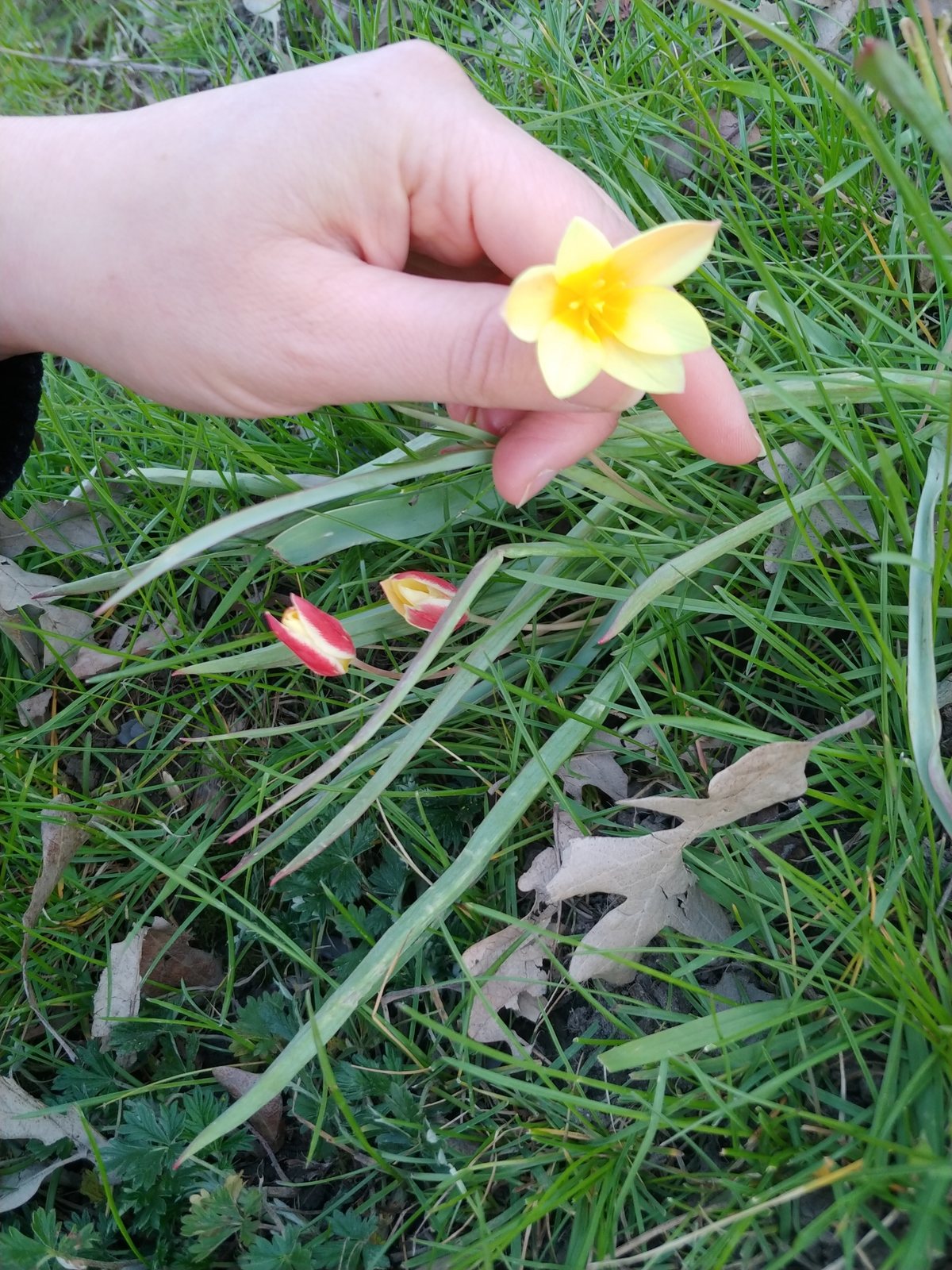
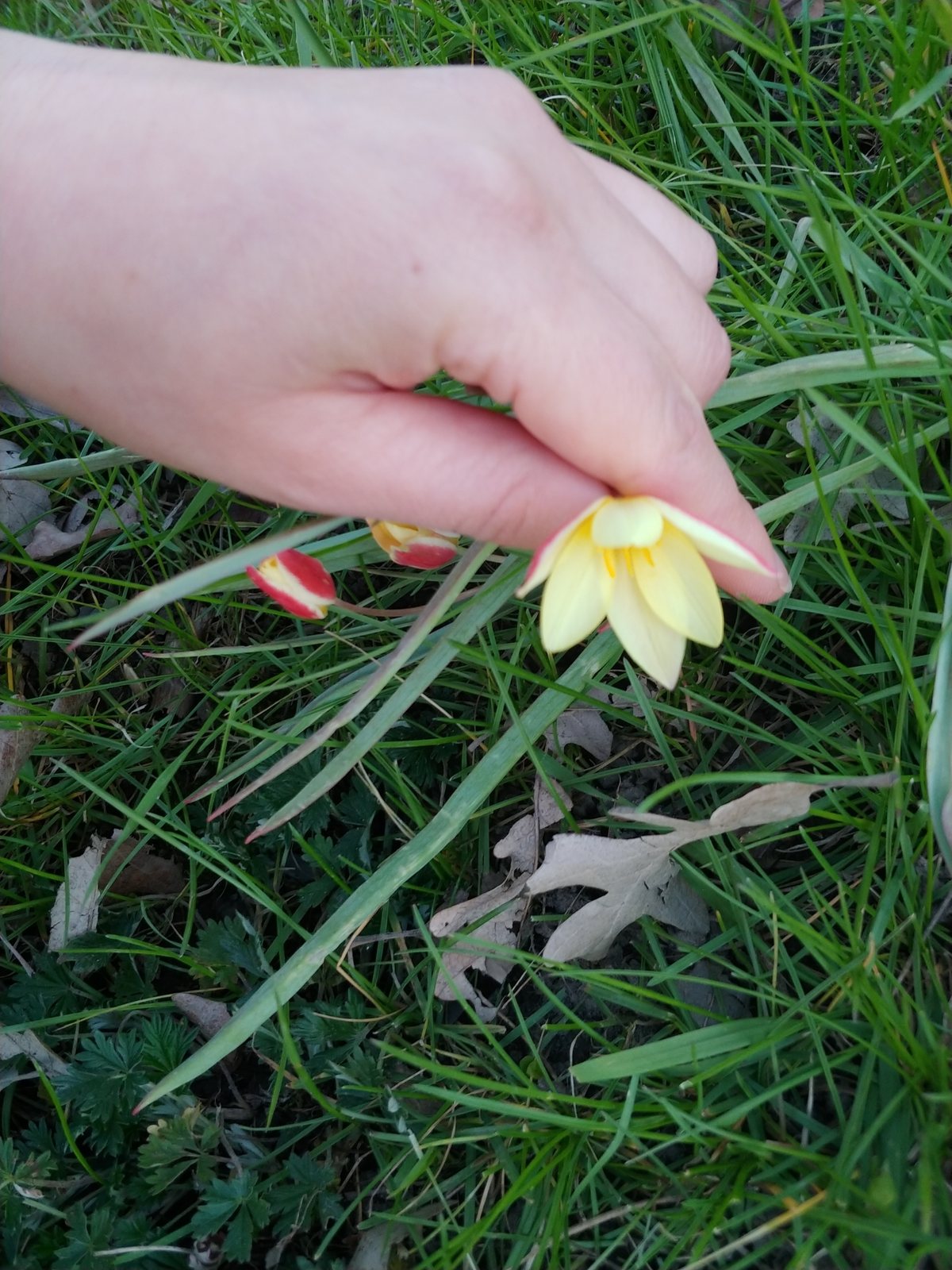
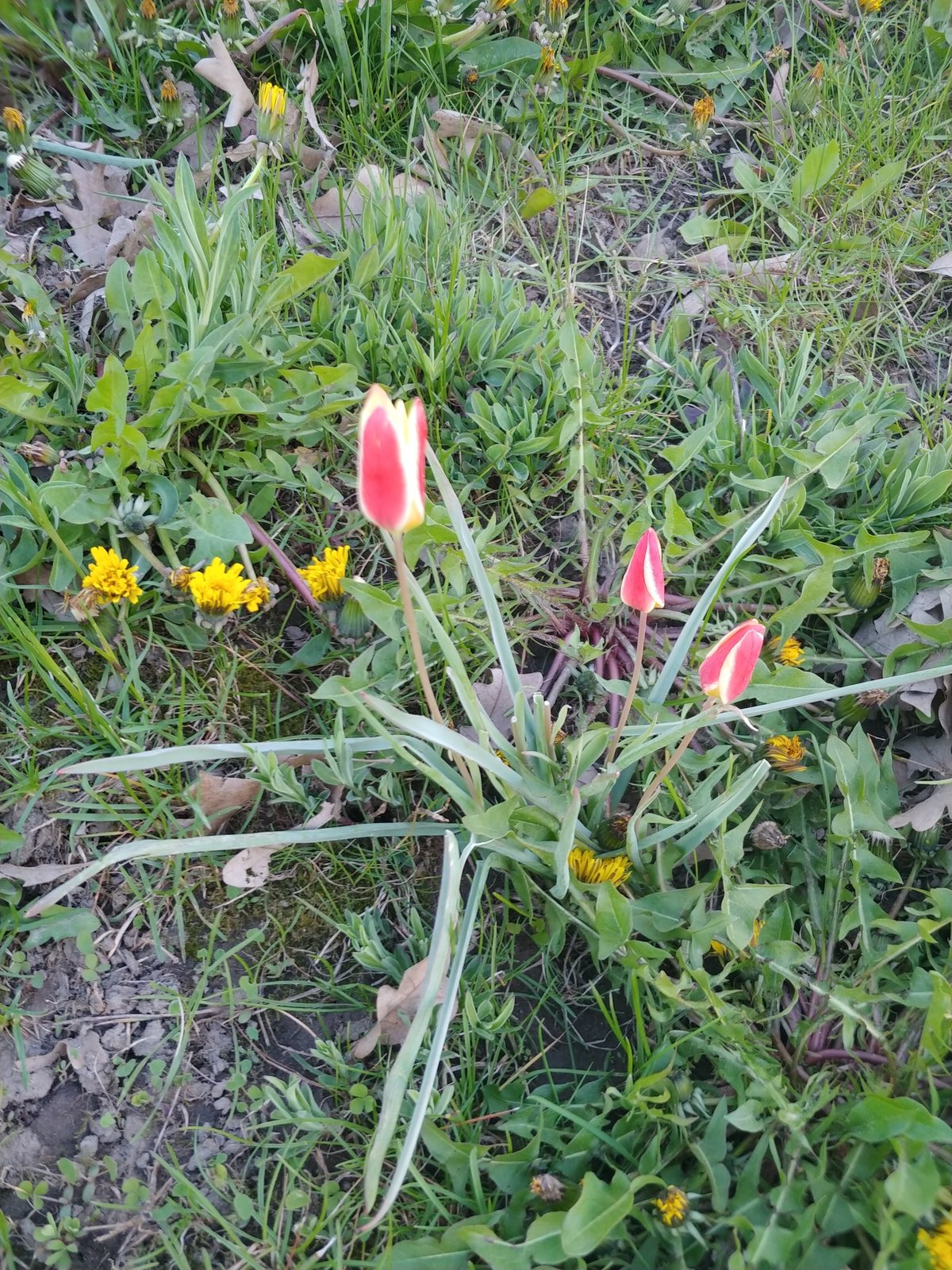
Lady tulip is a slender species tulip with pointed, red-and-white flowers that open into stars in sunshine and close in dull weather. Gardeners grow it for its delicate spring flowers and ability to form small colonies where the soil drains freely and summers are fairly dry.
At a glance
- Sun
- Full sun; flowers open best in direct sunshine.
- Water
- Water moderately while leaves and flowers are growing, allowing the soil surface to dry between waterings. Keep relatively dry during summer dormancy.
- Soil
- Well-drained sandy, gritty or loamy soil; neutral to alkaline soil suits it well. Avoid heavy soil that stays wet in winter or summer.
- Height
- 0.75-1 ft (0.23-0.3 m)
- Spread
- 0.25-0.5 ft (0.08-0.15 m) per bulb cluster, gradually spreading farther by offsets
- Flowers
- Mid-spring; pointed white flowers with deep pink to red outer markings and a small violet-purple basal blotch inside.
- Foliage
- Narrow, upright to arching, grey-green leaves; dies back after flowering and remains dormant through summer.
- Growth
- Moderate during spring growth; colonies expand gradually over several years.
- Care needed
- Low
The year at a glance
- Pollinators
- Cold hardy
- Low allergen
| J | F | M | A | M | J | J | A | S | O | N | D | |
|---|---|---|---|---|---|---|---|---|---|---|---|---|
| Flowers | ||||||||||||
| Plant |
Northern hemisphere months. In Australia, shift them by six.
- Difficulty
- Easy
- Toughness
- Fairly tough
Will it suit your garden?
Pick your zone, country, light and whether you have pets.
Full sun is 6 or more hours of direct sun a day, part shade 3 to 6 hours, shade under 3.
How it grows
Planting day
0.5 ft (0.15 m)
After 1 year
0.9 ft (0.27 m)
full size
About 1 years to full size.
From a typical nursery size, at an average rate for this kind of plant. A rule of thumb, not a forecast.
Good to know
- Cats and dogs
- Toxic
- Growth rate
- Moderate
Care
Jobs through the year
- WaterFeb–Mar, every 14 days
- Water established bulbs only if shoots are growing and soil is unusually dry.
- WaterApr–May, every 7 days
- Water during dry weather while leaves remain green; stop once foliage dies back.
- FeedMar
- Apply a light dressing of bulb fertilizer as shoots emerge, following the label.
- DeadheadApr–May
- Remove faded flower heads unless seed is wanted; retain all green leaves.
- PruneMay–Jun
- Remove foliage only after it has yellowed and withered naturally.
- DivideJun–Jul
- Lift and separate crowded bulbs after foliage dies, only if flowering has declined.
- ProtectOct–Nov
- Protect new bulb plantings from digging rodents with securely pegged wire mesh.
- Plant bulbs in autumn, about 4-6 in (10-15 cm) deep and 3-4 in (8-10 cm) apart.
- Water during active growth if rainfall is scarce, but do not leave bulbs in saturated soil.
- Apply a light dressing of bulb fertiliser as shoots emerge, following the label rate.
- Avoid routine summer irrigation over dormant bulbs; use a pot or raised bed where summers are wet.
- Lift and separate crowded clumps after the leaves have died back if flowering declines.
Pruning. Remove faded flower heads unless you want seed. Leave all green foliage intact, then remove it once it has yellowed and withered naturally.
Through the year
- Autumn
- Plant bulbs in a sunny, freely drained position; improve drainage or use containers where soil stays wet.
- Late winter
- Check emerging shoots for slug damage and protect them where necessary.
- Early spring
- Apply a light bulb fertiliser and water if the soil is unusually dry.
- Mid-spring
- Enjoy the flowers and remove spent heads if seed is not wanted.
- Late spring
- Let the leaves yellow fully before clearing them away.
- Summer
- Keep dormant bulbs relatively dry; lift and divide overcrowded clumps if needed.
In the garden
- Plant in loose groups through gravel gardens, where the slender flowers rise above low groundcovers.
- Tuck into sunny rock gardens or raised beds with gritty soil.
- Use at the front of borders with later-growing perennials that conceal the dying leaves without heavily shading spring growth.
- Grow in shallow-looking but adequately deep containers with drainage holes for close-up viewing.
Garden styles it suits: Dry gravel garden, Cottage garden, Mediterranean, Alpine rock garden, Low-maintenance and Small-space.
Plant it with: Grape hyacinth, Creeping thyme, Candytuft, Rock cress, Blue fescue and Dwarf bearded iris.
Wildlife: Open flowers can provide pollen for visiting bees, although they offer a relatively brief spring resource. Deer and rodents may eat the plants or bulbs.
Problems to watch for
- Bulb rot in wet soil: improve drainage, avoid summer watering and discard soft or decaying bulbs.
- Squirrels and other rodents digging up or eating bulbs: protect new plantings with securely pegged wire mesh or use bulb baskets.
- Slugs and snails damaging emerging leaves: check shoots regularly and use wildlife-conscious controls such as iron phosphate bait according to the label.
- Poor flowering in later years: provide more spring sunshine, retain leaves until they die naturally and divide crowded clumps.
Safety
Toxic to cats, dogs, horses and people if eaten. All parts contain irritant compounds, with the highest concentration in the bulbs; ingestion can cause vomiting, diarrhoea and drooling, and larger amounts can cause serious illness. Bulb handling can also cause skin irritation. Seek veterinary or poison-service advice after ingestion.
Easily confused with
Candia tulip (Tulipa saxatilis)
Usually has lilac-pink flowers with a conspicuous yellow centre and broader, greener leaves, rather than the narrow leaves and red-and-white flowers of lady tulip.
Waterlily tulip (Tulipa kaufmanniana)
Typically flowers earlier and closer to the ground, with broader leaves that may carry purple markings; lady tulip has slender stems and narrow, unmarked leaves.
The name
The botanical name clusiana honours the botanist Carolus Clusius, who helped introduce and study tulips in European gardens.
Propagation. Separate offsets from established clumps after the foliage has died back, then replant promptly or store dry and airy until autumn. Seed is also possible, but seedlings usually take several years to flower and may differ from named garden selections.
Checked against open data
- Accepted botanical name
- Tulipa clusiana
- In the US and Canada
- Introduced in the lower 48 states.
- Native range
- Afghanistan, Iran, Iraq, Pakistan and West Himalaya.
- Measured
- Soil pH 7 to 7.5.
Sources: GBIF (CC BY 4.0), USDA PLANTS and Trefle (CC BY 4.0). The care and design notes are LandscapeGPT's own.
See it in your own yard.
Upload a photo of your yard and see it redesigned with plants that suit your climate, each checked against your zone.