Leaf lettuce 'Black Seeded Simpson'
Lactuca sativa 'Black Seeded Simpson'. Family Asteraceae. Annual.
Also called Black-seeded Simpson lettuce, Simpson lettuce.
'Black Seeded Simpson' is a loose-leaf lettuce grown as an annual for its tender, pale green, crinkled leaves. It grows quickly in cool weather and suits repeated small sowings, containers and vegetable beds; hot weather encourages bitter leaves and flowering.
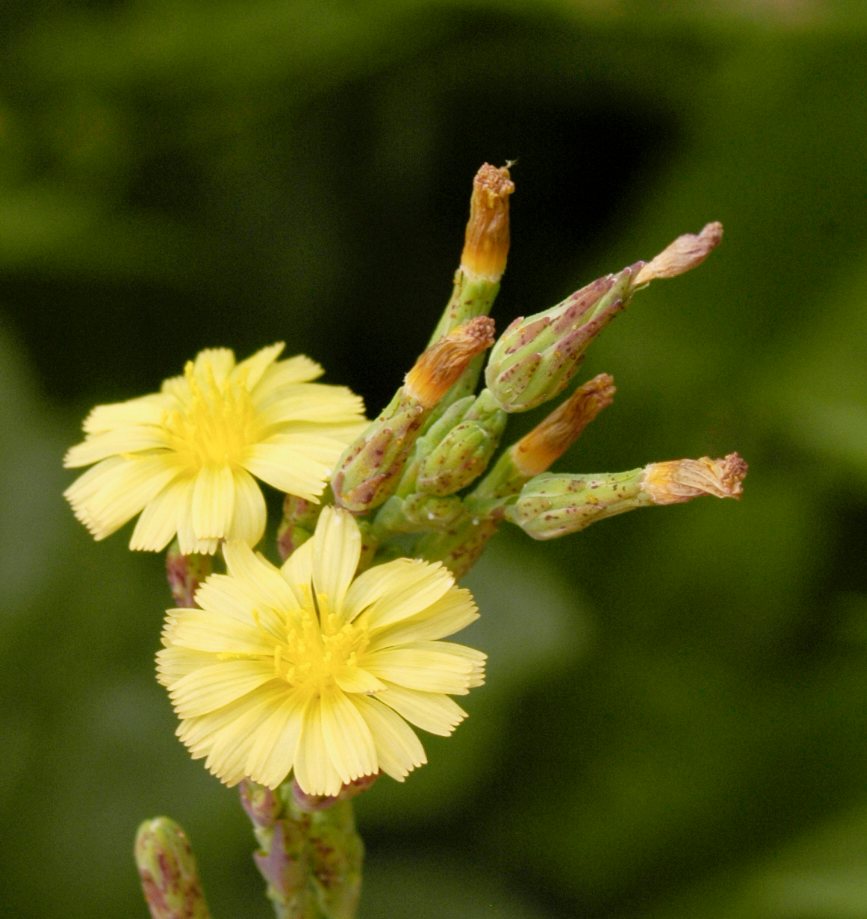
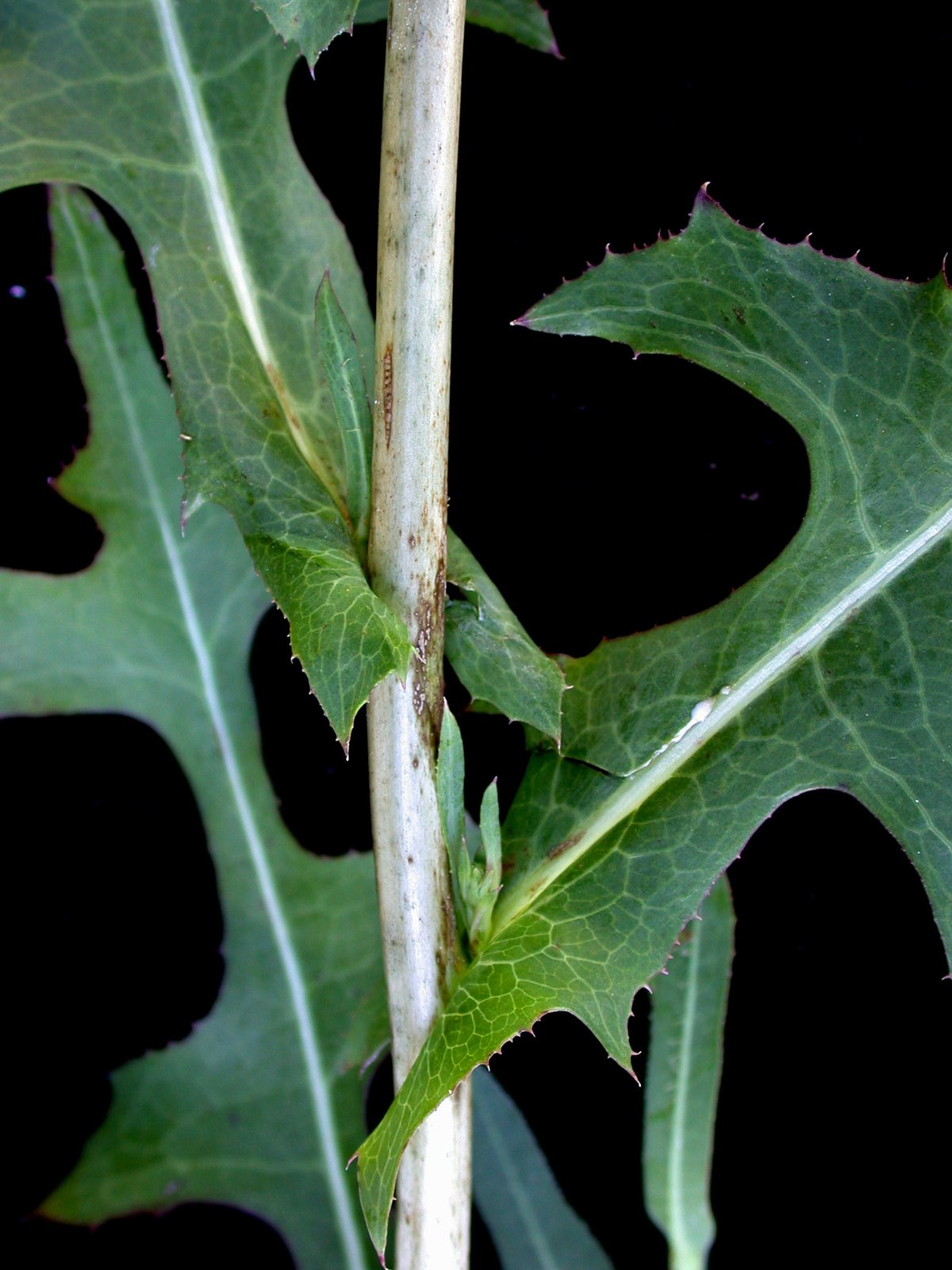
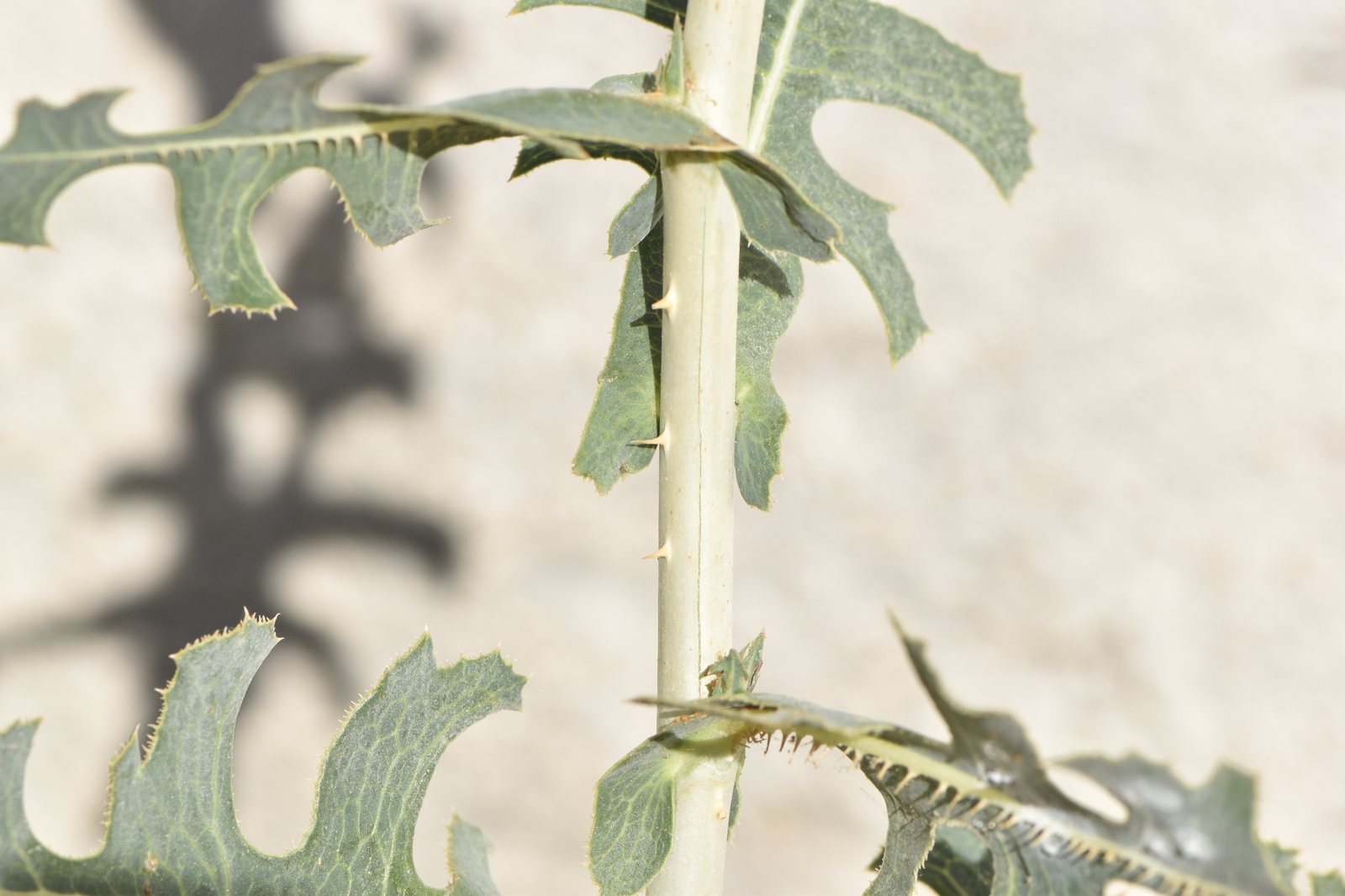
At a glance
- Sun
- Full sun in cool weather; afternoon shade helps extend harvesting as temperatures rise.
- Water
- Keep the root zone evenly moist but not waterlogged. Shallow roots dry quickly, especially in containers.
- Soil
- Fertile, moisture-retentive but well-drained soil, ideally with a pH of 6.0-7.0.
- Height
- 0.5-1 ft (0.15-0.3 m) in leaf; flowering stems can reach 2-3 ft (0.6-0.9 m)
- Spread
- 0.75-1 ft (0.23-0.3 m)
- Foliage
- Broad, tender, light green leaves with crinkled surfaces and frilled edges, forming an open rosette rather than a firm head.
- Growth
- Fast; usually ready for full-sized leaf harvest about 40-50 days after sowing in suitable conditions.
- Care needed
- Medium
The year at a glance
- Low allergen
- Edible
| J | F | M | A | M | J | J | A | S | O | N | D | |
|---|---|---|---|---|---|---|---|---|---|---|---|---|
| Fruit | ||||||||||||
| Plant |
Northern hemisphere months. In Australia, shift them by six.
- Difficulty
- Easy
- Toughness
- Needs looking after
Will it suit your garden?
Pick your zone, country, light and whether you have pets.
Full sun is 6 or more hours of direct sun a day, part shade 3 to 6 hours, shade under 3.
How it grows
Planting day
0.5 ft (0.15 m)
After 1 year
0.7 ft (0.22 m)
full size
Full size in one season.
From a typical nursery size, at an average rate for this kind of plant. A rule of thumb, not a forecast.
Good to know
- Cats and dogs
- Safe
- Growth rate
- Fast
Care
Jobs through the year
- FeedMar–Apr, Aug
- Work mature compost into the bed before each cropping season; rich soil usually needs no further feed.
- WaterMar–May, Sep–Nov, every 3 days
- Check in-ground crops and water when the surface starts drying; seedlings need closer attention.
- WaterJun–Aug, every 2 days
- Keep the shallow root zone evenly moist in warm weather, adjusting for rainfall.
- MulchApr–May, Sep
- Apply a thin clean mulch around established plants, leaving growing points clear.
- ProtectMar–Apr, Oct–Nov
- Use fleece against hard freezes and protect young plants from slugs and browsing animals.
- ProtectJun–Aug
- Provide afternoon shade during hot spells; pause sowing during persistent heat.
- HarvestApr–Jul, Sep–Nov
- Pick outer leaves while leaving the centre intact, or cut whole rosettes before bolting.
- Water at soil level whenever the surface begins to dry; avoid repeated drying out.
- Mix mature compost into the bed before sowing. Feed container plants lightly with a balanced liquid fertilizer if growth slows.
- Thin plants to 8-12 inches (20-30 cm) apart for full-sized rosettes.
- Apply a thin layer of clean mulch around established plants, keeping it clear of the central growing point.
- Provide afternoon shade during warm spells, but replace plants once they bolt or become bitter.
Pruning. No routine pruning is needed. Remove damaged outer leaves promptly, and keep the central growing point intact when harvesting individual leaves.
Harvest
Pick baby leaves once they are about 3-4 inches (8-10 cm) long, often around 25-30 days after sowing, or harvest full-sized leaves at about 40-50 days. Take the outer leaves first, leaving the centre to grow, or cut the whole rosette at soil level. Harvest before a tall central flower stalk develops, when leaves usually become tougher and bitter.
Through the year
- Late winter
- In mild climates, sow under cover for an early crop; in cold climates, wait until spring approaches.
- Early spring
- Sow shallowly outdoors once soil is workable, or plant hardened-off seedlings; protect from hard freezes.
- Spring
- Thin seedlings and sow a short row every two to three weeks while conditions remain cool.
- Late spring
- Harvest outer leaves regularly and keep the soil evenly moist.
- Summer
- Provide afternoon shade in warm areas; pause sowing during persistent heat if germination and leaf quality decline.
- Late summer
- Resume sowing as temperatures fall, allowing roughly six to eight weeks before regular hard freezes.
- Autumn
- Harvest remaining leaves and use fleece or a cold frame to protect crops from light frosts.
In the garden
- Edge vegetable beds with low rows of frilled, light green foliage.
- Alternate with red-leaf lettuce for contrasting bands in a potager.
- Grow in patio containers or window boxes with drainage holes for convenient harvesting.
- Use as a short-season filler between young brassicas before they need their full spacing.
Garden styles it suits: Potager (kitchen garden), Edible landscape, Cottage garden, Homestead, Small-space and Family-friendly.
Plant it with: Radishes, Carrots, Spring onions, Beetroot, Calendula and Red-leaf lettuce.
Wildlife: Leaves attract slugs, snails, rabbits and deer. Plants allowed to flower may provide food for small visiting insects, but harvesting normally takes place before flowering.
Problems to watch for
- Slugs and snails: protect young plants with barriers, remove hiding places and hand-pick after dark; use an approved iron phosphate bait if needed.
- Aphids: inspect leaf folds and undersides, rinse colonies off with water and remove heavily infested leaves.
- Downy mildew: allow airflow, water at soil level and remove affected plants; avoid repeatedly growing lettuce in the same spot.
- Bolting and bitter leaves: sow during cool seasons, prevent drought stress and provide afternoon shade; replace plants once flower stalks develop.
Safety
Cultivated lettuce is not known to be toxic to people, cats, dogs or horses. The leaves are edible; it is not a substitute for a balanced animal diet, and large amounts may cause digestive upset.
Easily confused with
Leaf lettuce 'Grand Rapids' (Lactuca sativa 'Grand Rapids')
Another green, frilled loose-leaf lettuce, often with more upright growth. The cultivars can be difficult to distinguish reliably by appearance alone; use labelled seed.
Butterhead lettuce (Lactuca sativa (Butterhead Group))
Usually has smoother, rounder leaves that overlap into a soft head, unlike the open, frilled rosette of 'Black Seeded Simpson'.
The name
Lactuca comes from the Latin word for milk, referring to the milky sap, while 'Black Seeded' describes the cultivar's dark seeds.
Propagation. Grow from seed, sown about 1/8 inch (3 mm) deep in moist soil or seed compost. Germination is best in cool conditions and can be poor in hot soil; start seedlings somewhere cooler for warm-season planting.
Checked against open data
- Accepted botanical name
- Lactuca sativa
- In the US and Canada
- Introduced in the lower 48 states, Pacific Basin, Puerto Rico and US Virgin Islands.
- Native range
- Iraq.
- Measured
- Average height 42 cm.
Sources: GBIF (CC BY 4.0), USDA PLANTS and Trefle (CC BY 4.0). The care and design notes are LandscapeGPT's own.
See it in your own yard.
Upload a photo of your yard and see it redesigned with plants that suit your climate, each checked against your zone.