Lemon balm
Melissa officinalis. Family Lamiaceae. Perennial.
Also called Common balm, Sweet balm.
Lemon balm is a clump-forming herb grown for its soft, lemon-scented leaves, which are used fresh in teas and cooking. Its small summer flowers attract bees, but it can seed freely, so give it a defined space and remove unwanted seedlings.
At a glance
- Sun
- Full sun to partial shade; afternoon shade helps in hot climates.
- Water
- Moderate; keep new plants evenly moist, then water established plants during prolonged dry spells.
- Soil
- Well-drained soil with average fertility; tolerates clay if it does not remain waterlogged.
- Height
- 1.5-3 ft (0.45-0.9 m)
- Spread
- 1-2 ft (0.3-0.6 m), with seedlings appearing farther away
- Flowers
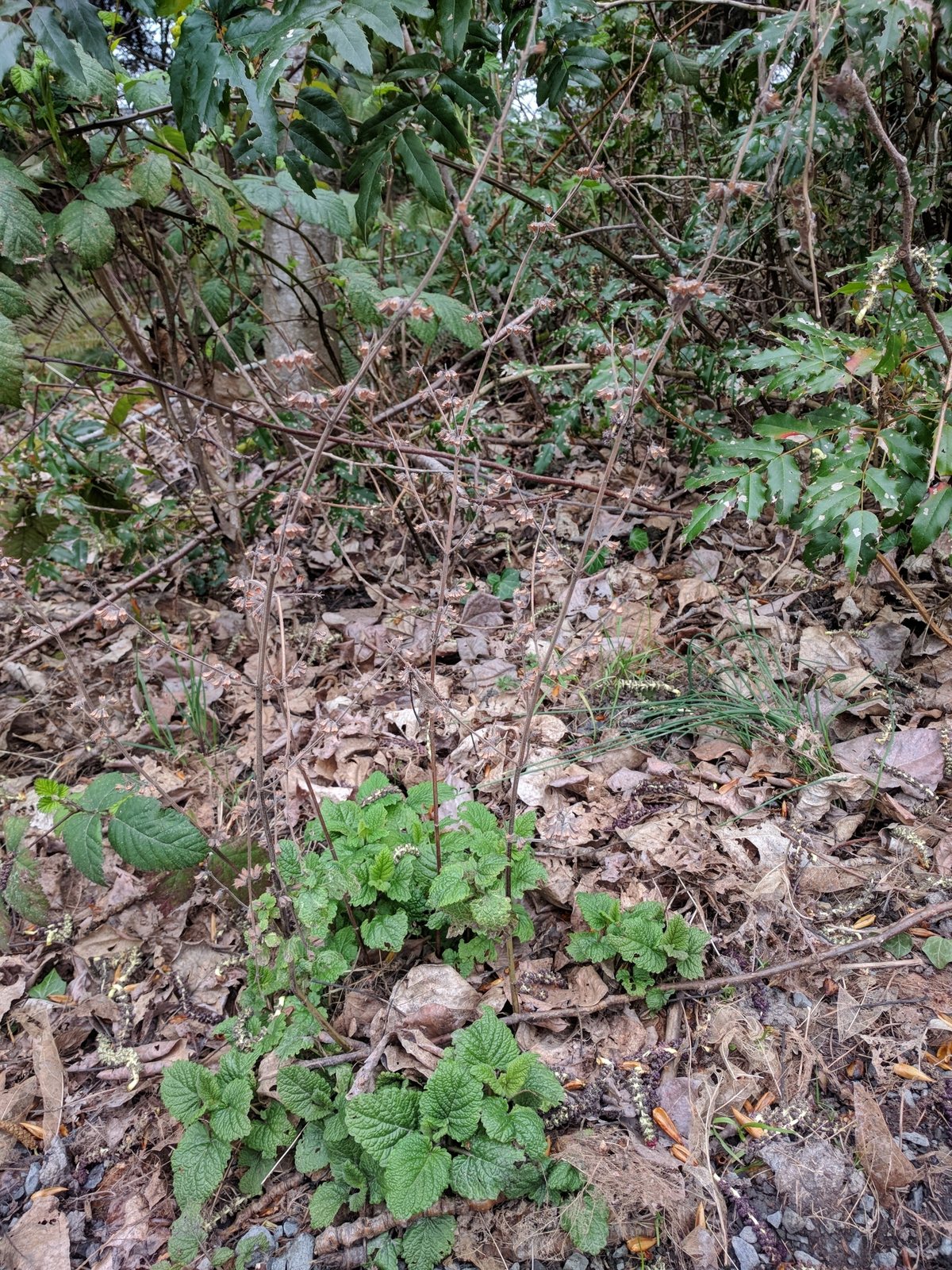
- Small white to pale pink flowers in leaf joints from summer into early autumn.
- Foliage
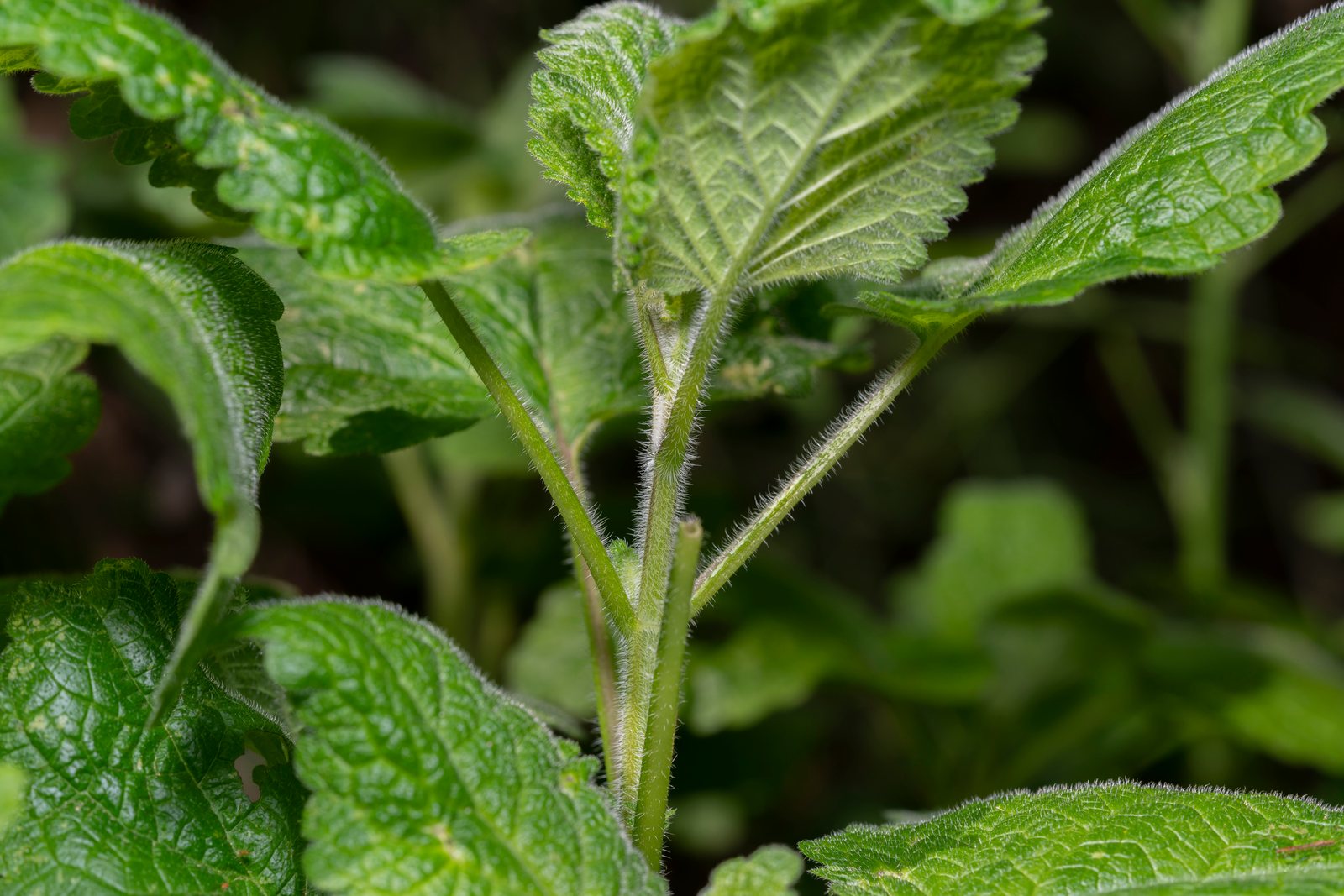
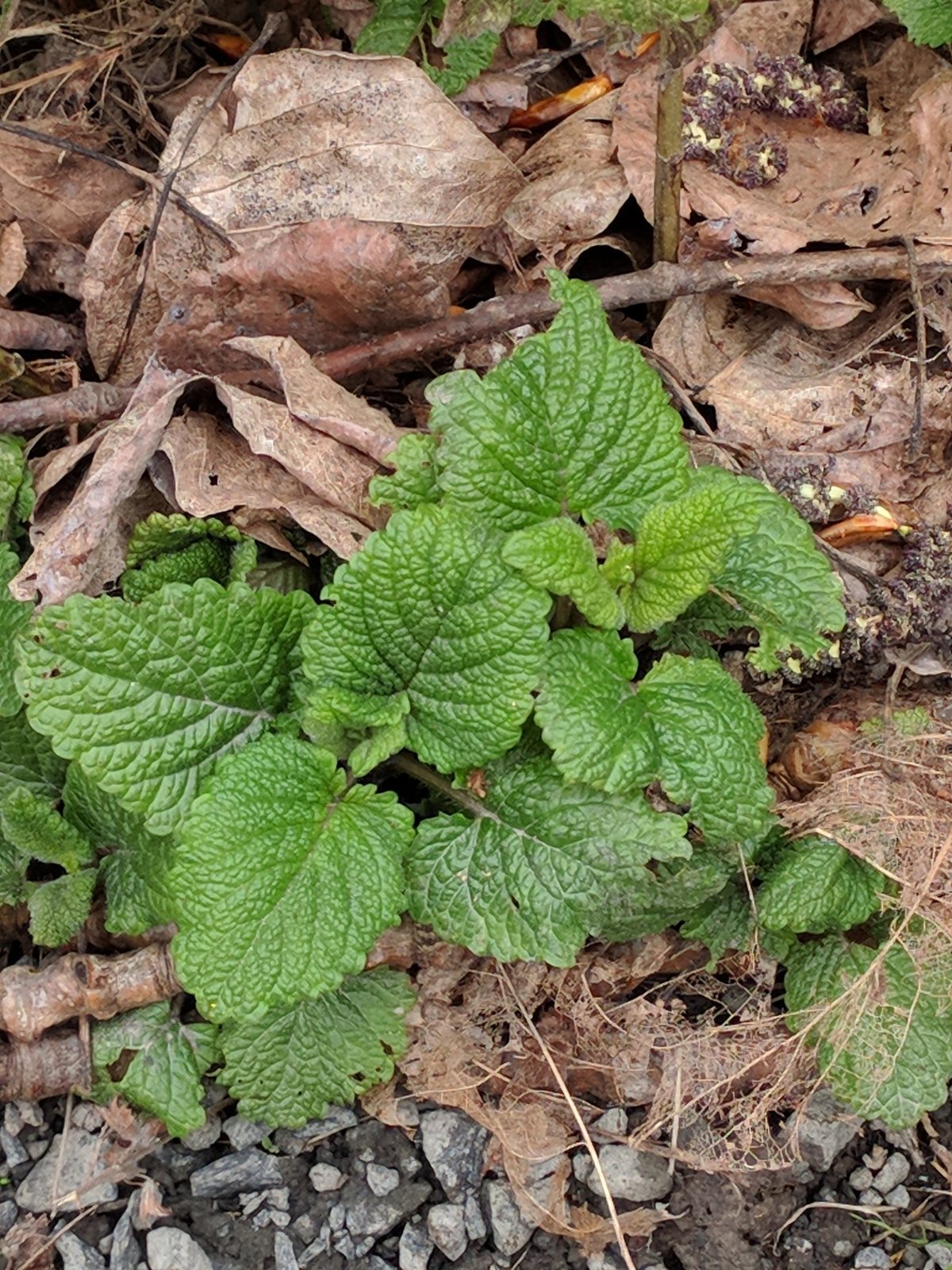
- Opposite, softly hairy, wrinkled green leaves with rounded teeth and a strong lemon scent when rubbed.
- Growth
- Fast
- Care needed
- Medium
The year at a glance
- Pollinators
- Deer resistant
- Cold hardy
- Low allergen
- Fragrant
- Edible
| J | F | M | A | M | J | J | A | S | O | N | D | |
|---|---|---|---|---|---|---|---|---|---|---|---|---|
| Flowers | ||||||||||||
| Plant |
Northern hemisphere months. In Australia, shift them by six.
- Difficulty
- Easy
- Toughness
- Very tough
Will it suit your garden?
Pick your zone, country, light and whether you have pets.
Full sun is 6 or more hours of direct sun a day, part shade 3 to 6 hours, shade under 3.
How it grows
Planting day
1 ft (0.3 m)
After 1 year
1.6 ft (0.49 m)
After 2 years
2.2 ft (0.68 m)
full size
About 2 years to full size.
From a typical nursery size, at an average rate for this kind of plant. A rule of thumb, not a forecast.
Good to know
- Cats and dogs
- Safe
- In the garden
- Spreads vigorously: plan to contain it.
- Growth rate
- Fast
Care
Jobs through the year
- WaterApr–May, Sep–Oct, every 14 days
- Water established plants only if soil is drying; keep new plants more evenly moist.
- WaterJun–Aug, every 7 days
- Water deeply during dry spells, allowing the surface to dry between waterings.
- MulchMar–Apr
- Apply a thin compost mulch, keeping it clear of the crown; extra feeding is usually unnecessary.
- DivideMar–Apr
- Divide crowded clumps every three or four years as new growth begins.
- PruneFeb–Mar
- Remove dead stems before vigorous new growth begins.
- PruneJun–Sep
- Trim tired growth and cut flowering stems back before seeds ripen; leave some flowers briefly for bees.
- HarvestApr–Oct, every 7 days
- Snip leafy shoots above a leaf pair after dew dries, taking no more than a third at once.
- Water at soil level when the surface begins to dry; avoid keeping the roots constantly wet.
- Apply a thin layer of compost in spring; rich feeding is usually unnecessary.
- Mulch lightly to conserve moisture, keeping mulch clear of the crown.
- Divide crowded clumps in spring every three or four years.
- Pull unwanted seedlings early; a pot contains the roots but does not prevent self-seeding.
Pruning. Harvest shoot tips regularly during active growth. Cut flowering stems back to leafy growth before seed ripens, and remove dead stems in late winter or early spring.
Harvest
Pick healthy leaves and tender shoot tips from spring to autumn once the plant is about 15–20 cm (6–8 in) tall; in frost-free areas, light picking may be possible year-round. Harvest after the morning dew has dried, ideally before flowering, when the leaves are fresh green and smell strongly of lemon when rubbed. Snip stems just above a pair of leaves, taking no more than a third of the plant at a time.
Through the year
- Early spring
- Remove dead stems and divide established clumps as new growth starts.
- Spring
- Plant young plants in well-drained soil and water them in thoroughly.
- Late spring
- Begin picking young leaves and shoot tips for kitchen use.
- Summer
- Water during dry spells and trim tired growth to encourage fresh leaves.
- Late summer
- Remove spent flower stems before seeds mature, leaving some flowers temporarily if you want to support bees.
- Autumn
- Pull unwanted seedlings and check that winter drainage is clear.
In the garden
- Plant beside a kitchen path where leaves are easy to pick and brush for fragrance.
- Combine with chives, parsley and calendula in an informal herb or vegetable garden.
- Use in a large container near seating to enjoy the scent while keeping its clump contained.
- Include in a mixed pollinator border, allowing some stems to flower before cutting them back.
Garden styles it suits: Cottage garden, Potager (kitchen garden), Sensory garden, Edible landscape, Herb parterre and Pollinator garden.
Plant it with: Chives, Parsley, Calendula, Nasturtiums and Bee balm.
Wildlife: The small flowers provide nectar for bees and other pollinating insects. Regular harvesting prevents flowering unless you leave some stems uncut.
Problems to watch for
- Unwanted seedlings: remove flower stems before seeds ripen and pull seedlings while small.
- Powdery mildew: improve airflow, water the soil rather than the leaves, and cut back badly affected growth.
- Root or crown rot in wet soil: improve drainage, avoid overwatering and replace badly rotted plants.
- Leaf scorch or wilting in hot, dry weather: provide afternoon shade and water deeply when the soil dries.
Safety
Not known to be toxic to cats, dogs, horses or people. The leaves are commonly eaten in small culinary amounts; eating large quantities may cause digestive upset. Concentrated extracts and essential oils should not be treated as equivalent to fresh leaves.
Where it spreads. Can spread aggressively by seed and expanding clumps in gardens in the United Kingdom, temperate United States, southern Canada and temperate southeastern Australia. It is naturalized outside its native range in many places; local invasive status varies, so check regional guidance before allowing it to seed near natural areas.
Easily confused with
Catnip (Nepeta cataria)
Catnip usually has greyer, more triangular leaves and upright clusters of spotted whitish flowers; its crushed leaves lack lemon balm's clear lemon scent.
Spearmint (Mentha spicata)
Spearmint has a mint scent, generally narrower leaves and terminal flower spikes; lemon balm has broader, wrinkled leaves and small flowers tucked into the leaf joints.
White dead-nettle (Lamium album)
White dead-nettle has pointed, nettle-like leaves and much larger hooded white flowers; its foliage does not smell of lemon.
The name
Melissa comes from the Greek word for honeybee, reflecting the flowers' attraction to bees, while officinalis indicates a plant traditionally kept for medicinal use.
Propagation. Divide clumps in spring, take softwood cuttings in late spring or early summer, or sow seed in spring. Named cultivars are best propagated by division or cuttings because seedlings may differ from the parent.
Checked against open data
- Accepted botanical name
- Melissa officinalis
- In the US and Canada
- Introduced in Canada and the lower 48 states.
- Native range
- Albania, Algeria, Baleares, Bulgaria, Corse, Cyprus, East Aegean Is., France, Greece, Iran, Iraq and Italy.
- Measured
- Soil pH 7 to 7.5. Average height 75 cm.
Sources: GBIF (CC BY 4.0), USDA PLANTS and Trefle (CC BY 4.0). The care and design notes are LandscapeGPT's own.
See it in your own yard.
Upload a photo of your yard and see it redesigned with plants that suit your climate, each checked against your zone.