Lemon beebalm
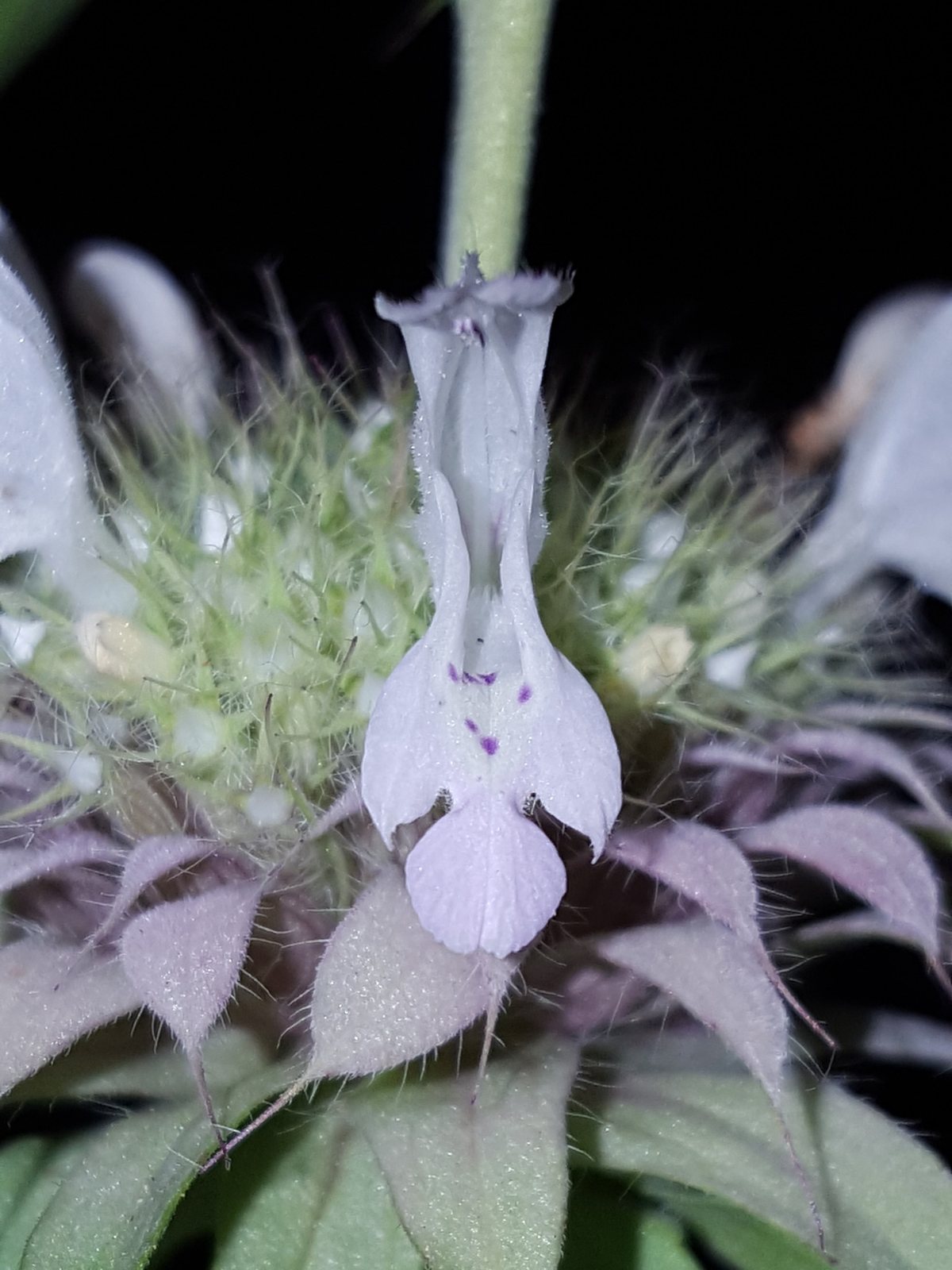
Monarda citriodora. Family Lamiaceae. Annual.
Also called Lemon mint, Lemon bergamot, Purple horsemint.
Lemon beebalm is grown as an annual for its lemon-scented leaves and tiers of pink to lavender flowers that attract bees and butterflies. Native to the central and southern United States and Mexico, it suits sunny herb gardens, informal borders and annual wildflower plantings.
At a glance
- Sun
- Full sun for best flowering; tolerates light afternoon shade, especially in hot climates.
- Water
- Keep seedlings evenly moist. Once established, water during prolonged dry spells; it tolerates some drought but flowers better with occasional deep watering.
- Soil
- Well-drained sandy, loamy or stony soil; tolerates relatively poor soil. Avoid persistently wet ground.
- Height
- 1-3 ft (0.3-0.9 m)
- Spread
- 1-2 ft (0.3-0.6 m)
- Flowers
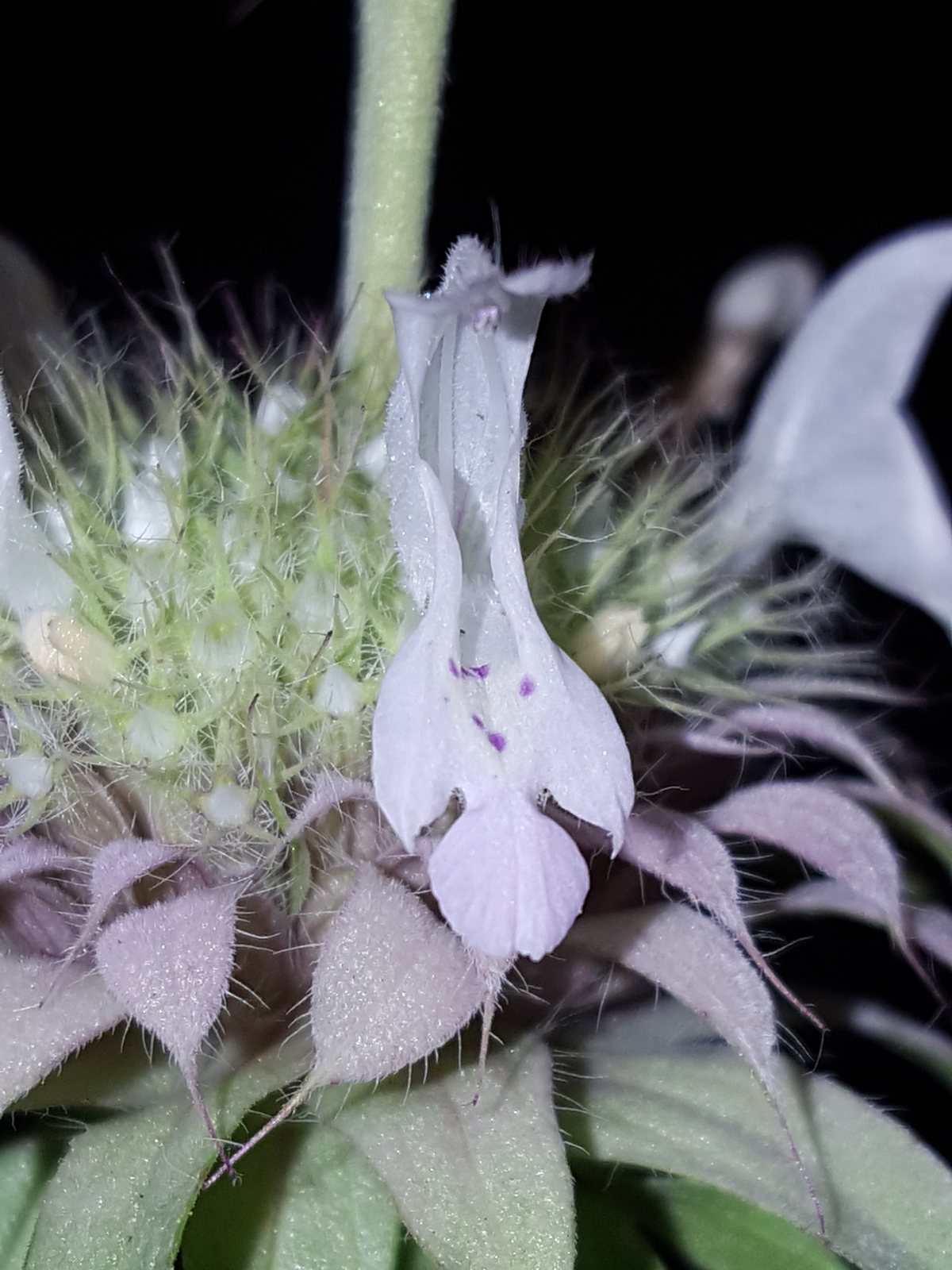
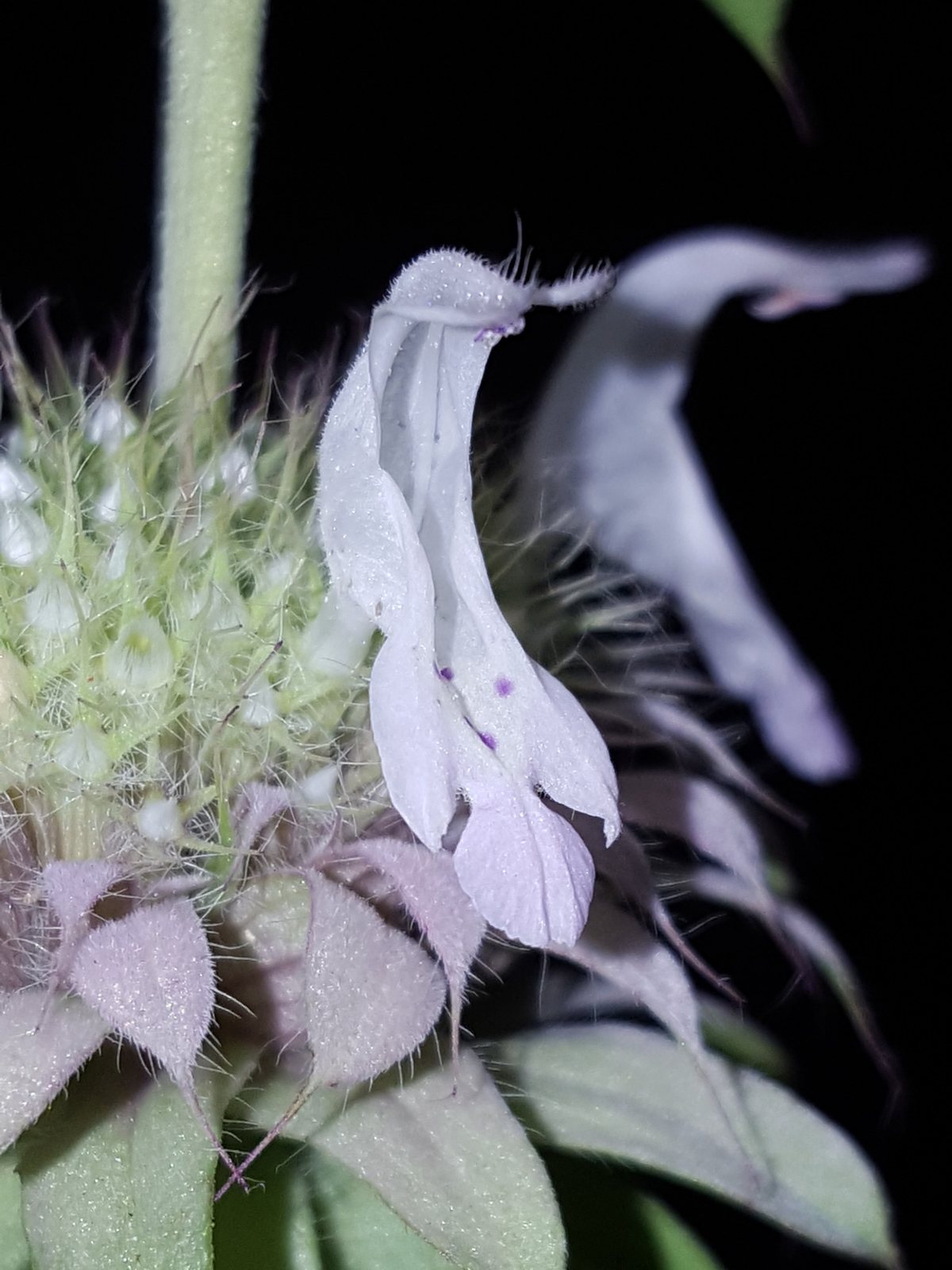
- Late spring through summer, sometimes into early autumn; pink, lavender or pale purple flowers in stacked whorls with leafy bracts.
- Foliage
- Green, narrow, toothed leaves on square stems; crushed young leaves smell lemony, becoming more oregano-like as they age.
- Growth
- Fast; normally flowers in its first growing season.
- Care needed
- Low
The year at a glance
- Pollinators
- Deer resistant
- Drought tolerant
- Heat tolerant
- Low allergen
- Fragrant
| J | F | M | A | M | J | J | A | S | O | N | D | |
|---|---|---|---|---|---|---|---|---|---|---|---|---|
| Flowers | ||||||||||||
| Fruit | ||||||||||||
| Plant |
Northern hemisphere months. In Australia, shift them by six.
- Difficulty
- Easy
- Toughness
- Fairly tough
Will it suit your garden?
Pick your zone, country, light and whether you have pets.
Full sun is 6 or more hours of direct sun a day, part shade 3 to 6 hours, shade under 3.
How it grows
Planting day
0.5 ft (0.15 m)
After 1 year
2 ft (0.6 m)
full size
Full size in one season.
From a typical nursery size, at an average rate for this kind of plant. A rule of thumb, not a forecast.
Good to know
- Cats and dogs
- Safe
- Growth rate
- Fast
Care
Jobs through the year
- WaterMay, Sep, every 14 days
- Water established plants when soil begins drying; keep newly sown seed and seedlings evenly moist.
- WaterJun–Aug, every 7 days
- Water established plants deeply at soil level during dry spells; skip if soil is still moist.
- PruneMay–Jun
- Optionally pinch young shoot tips once for bushier growth.
- DeadheadJun–Sep, every 7 days
- Remove faded spikes to prolong flowering; leave selected late heads to ripen seed.
- ProtectJun–Jul
- Support unusually tall plants with twiggy stakes in exposed positions.
- Thin seedlings to about 12-18 in (30-45 cm) apart so air can move between plants.
- Water at soil level when the ground begins to dry; avoid keeping the roots constantly wet.
- Skip routine feeding in ordinary garden soil; excessive nitrogen encourages floppy, leafy growth.
- Keep heavy mulch away from the stems and leave some bare soil if you want seedlings next year.
- Support unusually tall plants with twiggy stakes in exposed positions.
Pruning. Pinch young shoot tips once if you want bushier plants. Remove spent flower spikes to encourage further flowering, or leave a few to ripen seed before clearing dead plants.
Harvest
Pick clean, healthy young leaves once plants are well established, preferably before or just as flowering begins, when their lemon scent is strongest. Snip small amounts from several shoots for tea or flavouring, and use fresh or dry in a shaded, airy place.
Through the year
- Early spring
- In short-season climates, sow indoors about six to eight weeks before the last frost; press seeds onto the surface and keep moist.
- Spring
- Direct-sow after the last frost, or harden off indoor-grown plants and set them outside once frost risk has passed.
- Late spring
- Thin crowded seedlings and pinch young plants if bushier growth is wanted.
- Summer
- Harvest young leaves, water during extended dry weather and remove spent flower spikes.
- Late summer
- Leave selected flower heads to dry if you want to collect seed or allow self-sowing.
- Autumn
- Collect ripe seed from dry heads and remove dead plants; in mild-winter areas, seed can also be sown outdoors in autumn.
In the garden
- Sow in loose groups through sunny cottage borders, where the stacked flowers add height without a heavy visual mass.
- Combine with black-eyed Susans and blanket flowers for a summer display in well-drained soil.
- Use along the sunny edge of a herb garden, within reach for harvesting scented leaves.
- Include in annual wildflower patches to provide nectar and allow a changing pattern of self-sown plants.
Garden styles it suits: Cottage garden, Wildflower, Pollinator garden, Sensory garden, Edible landscape and Texas Hill Country.
Plant it with: Black-eyed Susan, Blanket flower, Plains coreopsis, Purple coneflower, Butterfly weed and Little bluestem.
Wildlife: The flowers provide nectar for bees, butterflies and other pollinating insects. Leave some flowering stems uncut so insects can continue feeding.
Problems to watch for
- Powdery mildew: white patches can develop on crowded or drought-stressed plants; improve spacing, water the roots during dry weather and remove badly affected foliage.
- Root rot: plants may wilt or collapse in waterlogged soil; improve drainage and avoid frequent watering of already moist ground.
- Spider mites: hot, dry conditions can cause stippled leaves and fine webbing; rinse leaf undersides and prevent severe drought stress.
- Floppy growth: excess fertiliser, shade or crowding produces weak stems; grow in more sun, thin plants and avoid high-nitrogen feeds.
Safety
Not known to be toxic to people, cats, dogs or horses. The leaves and flowers are used as a culinary herb, although species-specific veterinary information is limited; large amounts may cause digestive upset. Concentrated essential oil is not equivalent to the fresh herb and should not be given to pets.
Easily confused with
Spotted beebalm (Monarda punctata)
Also has stacked flower whorls, but its flowers are usually pale yellow with purple spots, surrounded by conspicuous pinkish or whitish bracts.
Wild bergamot (Monarda fistulosa)
A perennial with broader leaves and usually a single rounded lavender flower head at each stem tip, rather than several separated tiers.
Lemon balm (Melissa officinalis)
Has broad, wrinkled, rounded leaves and small whitish flowers in the leaf axils, not showy purple flower tiers.
The name
Monarda honours the Spanish physician and botanist Nicolás Monardes, while citriodora means lemon-scented and refers to the aromatic foliage.
Propagation. Grow from seed, either direct-sown or started in modules for later planting. Press seed onto the surface or cover only very lightly, keep moist until germination and transplant young plants before their roots become crowded. It can self-sow where seed reaches open soil.
Checked against open data
- Accepted botanical name
- Monarda citriodora
- Native range
- Alabama, Arizona, Arkansas, Kansas, Mexico Northeast, Mexico Northwest, Mexico Southwest, Missouri, New Mexico, Oklahoma, Tennessee and Texas.
Sources: GBIF (CC BY 4.0) and Trefle (CC BY 4.0). The care and design notes are LandscapeGPT's own.
See it in your own yard.
Upload a photo of your yard and see it redesigned with plants that suit your climate, each checked against your zone.