Lemon bottlebrush
Callistemon pallidus. Family Myrtaceae. Shrub.
Also called Pale bottlebrush, Melaleuca pallida.
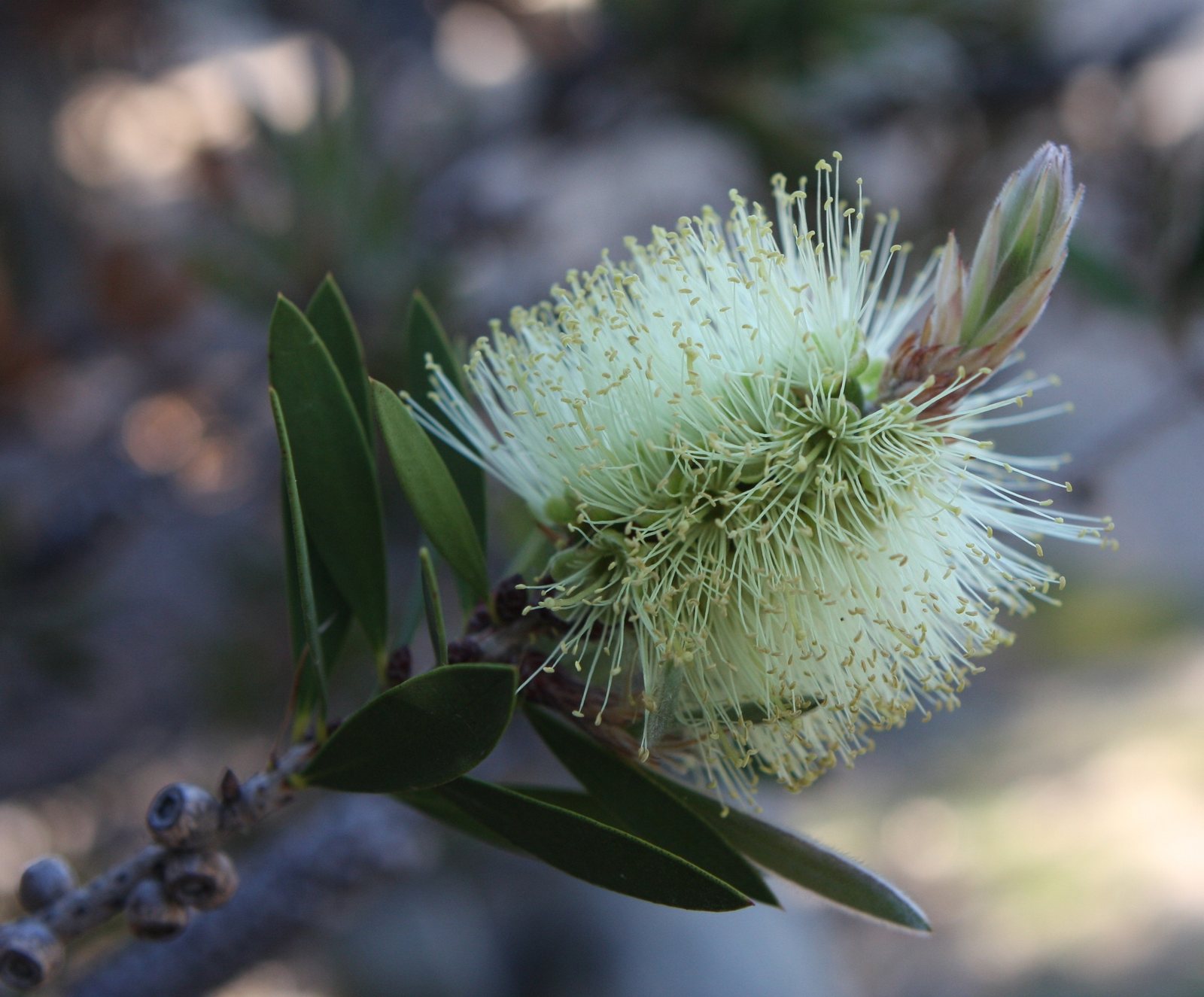
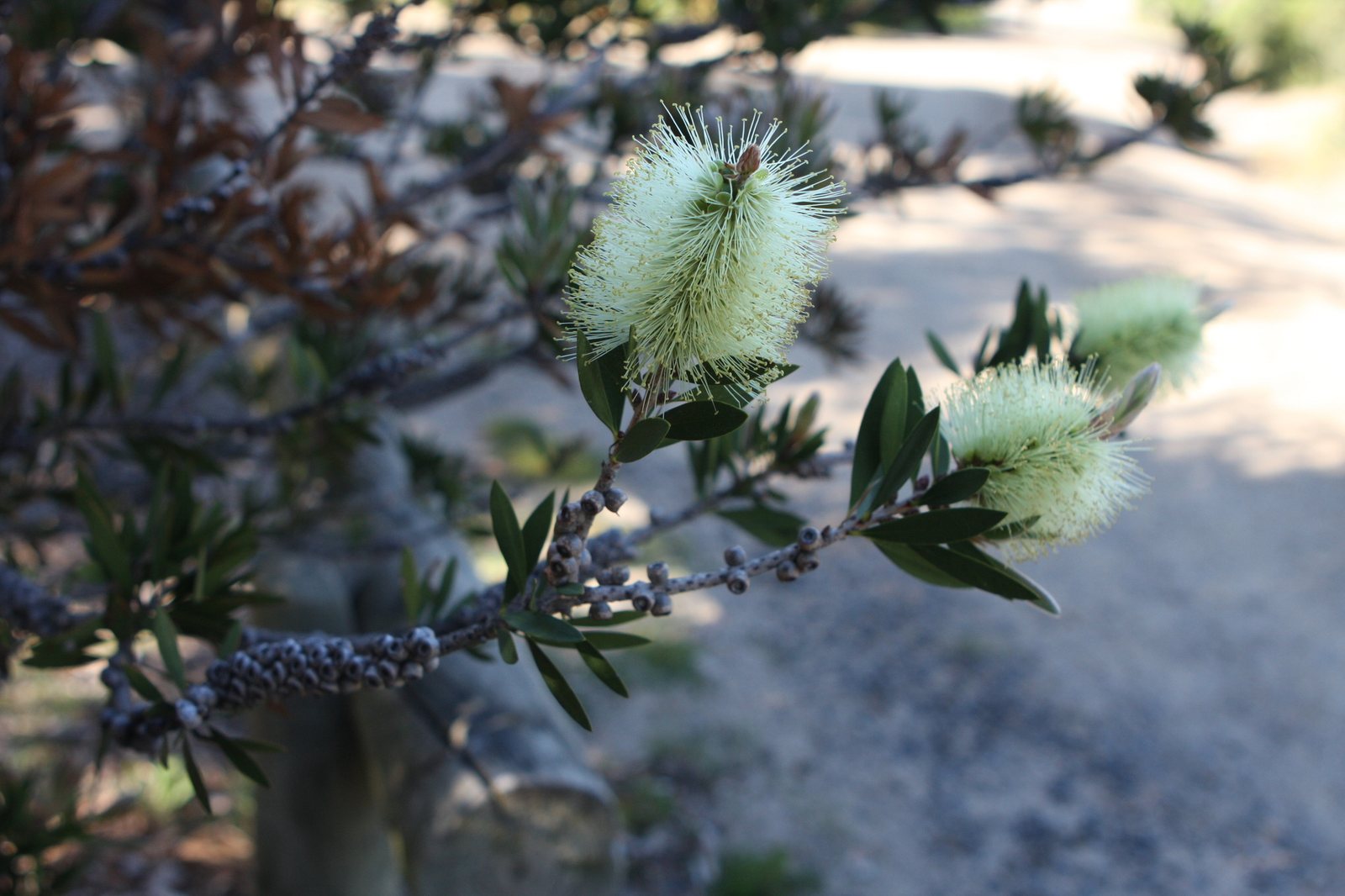
An evergreen shrub from southeastern Australia, lemon bottlebrush bears soft yellow, brush-shaped flowers above narrow grey-green leaves. Grow it for its informal shape, nectar-rich flowers and screening value in mild gardens; in colder climates it needs a container and a frost-protected winter position.
At a glance
- Sun
- Full sun gives the best flowering; tolerates light partial shade.
- Water
- Water regularly while establishing. Established plants tolerate some drought, but flower and grow better with occasional deep watering during prolonged dry weather.
- Soil
- Well-drained soil, preferably slightly acidic to neutral. Tolerates sandy or loamy ground and heavier soil provided it does not remain waterlogged.
- Height
- 6-13 ft (1.8-4 m)
- Spread
- 6-10 ft (1.8-3 m)
- Flowers
- Pale lemon-yellow to cream bottlebrush flowers in late spring and summer.
- Foliage
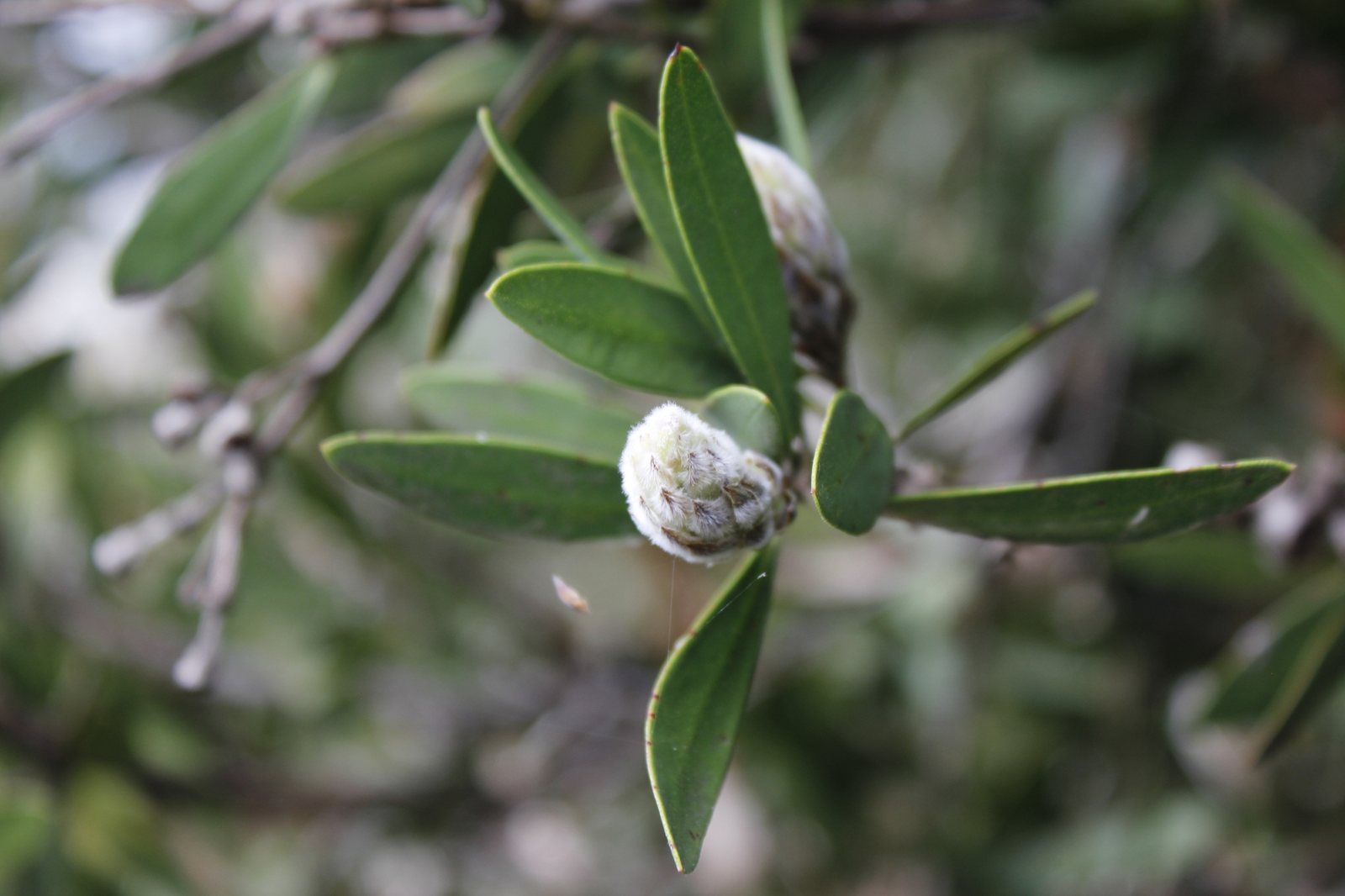
- Evergreen. Narrow, leathery, grey-green to green leaves; young growth can be softly hairy.
- Growth
- Moderate
- Care needed
- Low
The year at a glance
- Pollinators
- Drought tolerant
- Heat tolerant
- Wildlife
- Low allergen
| J | F | M | A | M | J | J | A | S | O | N | D | |
|---|---|---|---|---|---|---|---|---|---|---|---|---|
| Flowers | ||||||||||||
| Fruit | ||||||||||||
| Plant |
Northern hemisphere months. In Australia, shift them by six.
- Difficulty
- Moderate
- Toughness
- Fairly tough
Will it suit your garden?
Pick your zone, country, light and whether you have pets.
Full sun is 6 or more hours of direct sun a day, part shade 3 to 6 hours, shade under 3.
How it grows
Planting day
1.6 ft (0.5 m)
After 1 year
3 ft (0.98 m)
After 2 years
5 ft (1.5 m)
After 3 years
6 ft (1.9 m)
After 5 years
10 ft (2.9 m)
full size
About 5 years to full size.
From a typical nursery size, at an average rate for this kind of plant. A rule of thumb, not a forecast.
Good to know
- Cats and dogs
- Safe
- Native to
- Australia
- Growth rate
- Moderate
Care
Jobs through the year
- WaterApr–May, Sep–Oct, every 14 days
- For established ground-grown plants, water deeply only if dry; young plants and pots need more frequent checks.
- WaterJun–Aug, every 14 days
- Water established ground-grown plants deeply during prolonged drought; water young plants more often.
- WaterJan–Mar, Nov–Dec, every 14 days
- Check overwintering containers and water only enough to keep the root ball slightly moist.
- FeedApr–May
- Apply a light low-phosphorus feed suitable for Australian native plants.
- MulchMay
- Spread 5–8 cm of organic mulch over roots, clear of stems.
- PruneMay
- Remove frost-damaged wood once new growth reveals surviving stems.
- PruneJul–Aug
- Lightly shorten shoots behind spent brushes after flowering; avoid bare old wood.
- ProtectJan–Apr, Oct–Dec
- Not reliably hardy in zones 6–7; overwinter in a bright, cool, frost-free space.
- Water deeply during dry spells for the first two growing seasons, letting the soil begin to dry between waterings.
- Spread 2-3 in (5-8 cm) of organic mulch over the roots, keeping it clear of the stems.
- In spring, feed lightly with a low-phosphorus fertiliser suitable for Australian native plants; avoid heavy feeding.
- Choose a position sheltered from cold, drying winds, especially near the colder end of its range.
- In containers, use a free-draining mix and protect the roots from freezing; keep the compost slightly moist through winter.
Pruning. Lightly shorten flowered shoots just behind the spent brushes after flowering to encourage branching. Remove dead or damaged wood in spring, and avoid routine hard cutting into old, leafless stems.
Through the year
- Spring
- Plant after the risk of hard frost has passed; water thoroughly and mulch.
- Spring
- Remove frost-damaged tips once new growth shows which wood is alive, and apply a light feed if needed.
- Late spring
- Check young shoots for scale insects and sawfly larvae.
- Summer
- Water young plants during dry weather and lightly trim shoots after flowering.
- Late summer
- Take semi-ripe cuttings from healthy, non-flowering shoots.
- Autumn
- In colder regions, move container plants into a bright, cool, frost-protected place before hard frosts.
- Winter
- Keep sheltered container plants only slightly moist and check that outdoor pots drain freely.
In the garden
- Use as a loose evergreen screen where there is room for its naturally branching outline.
- Place behind lower Australian native shrubs and grasses for contrasting leaf shapes.
- Grow as a flowering specimen beside a sunny patio, allowing space for its mature spread.
- Include in a wildlife border with other nectar-producing shrubs for a long flowering season.
Garden styles it suits: Australian native, Wildlife garden, Pollinator garden, Low-maintenance, Mediterranean and Modern rustic.
Plant it with: Westringia, Lomandra, Kangaroo paw, Correa, Rock rose and Lavender.
Wildlife: The flowers provide nectar and pollen for bees and other insects; nectar-feeding birds visit in Australia. Mature shrubs also offer cover for small birds.
Problems to watch for
- Frost damage: young shoots may blacken after cold weather. Provide shelter and wait until spring growth begins before cutting back to healthy wood.
- Root rot in persistently wet soil: improve drainage, reduce watering and keep containers out of standing water.
- Scale insects: inspect stems and leaf undersides; prune out heavily infested shoots and use a labelled horticultural oil if necessary.
- Sawfly larvae: groups can strip leaves. Check foliage regularly and remove larvae by hand while infestations are small.
Safety
Not known to be toxic to people, cats, dogs or horses, although species-specific information is limited. No part is recognised as a serious poisoning hazard, but the leaves, flowers and woody seed capsules are not food and should not be eaten.
Easily confused with
Crimson bottlebrush (Callistemon citrinus)
Usually has bright red rather than pale yellow flowers, and its crushed leaves commonly smell of lemon. The shared use of 'lemon bottlebrush' can cause confusion.
Willow bottlebrush (Callistemon salignus)
Also bears cream to pale yellow flowers, but usually develops into a taller tree with conspicuous papery bark and often pink-flushed new leaves.
The name
Callistemon comes from Greek words meaning 'beautiful stamen', while pallidus means 'pale', referring to the light-coloured flowers.
Propagation. Sow the fine seeds on the surface of a moist, free-draining seed mix in spring, keeping them in good light without burying them. Take semi-ripe cuttings in late summer if you want plants matching the parent.
Checked against open data
- Accepted botanical name
- Melaleuca pallida Callistemon pallidus is an older name for Melaleuca pallida.
- Native range
- New South Wales, Queensland, South Australia, Tasmania and Victoria.
- Measured
- Average height 400 cm.
Sources: GBIF (CC BY 4.0) and Trefle (CC BY 4.0). The care and design notes are LandscapeGPT's own.
See it in your own yard.
Upload a photo of your yard and see it redesigned with plants that suit your climate, each checked against your zone.