Lemon-scented gum
Corymbia citriodora. Family Myrtaceae. Tree.
Also called Lemon-scented eucalyptus, Lemon gum, Eucalyptus citriodora.
A tall Australian evergreen grown for its smooth, pale trunk, airy crown and strongly lemon-scented leaves. It suits spacious gardens in warm climates, not small plots or sites beside buildings; in most of the United Kingdom and Canada it needs frost-free protection and is usually kept as a young container plant.
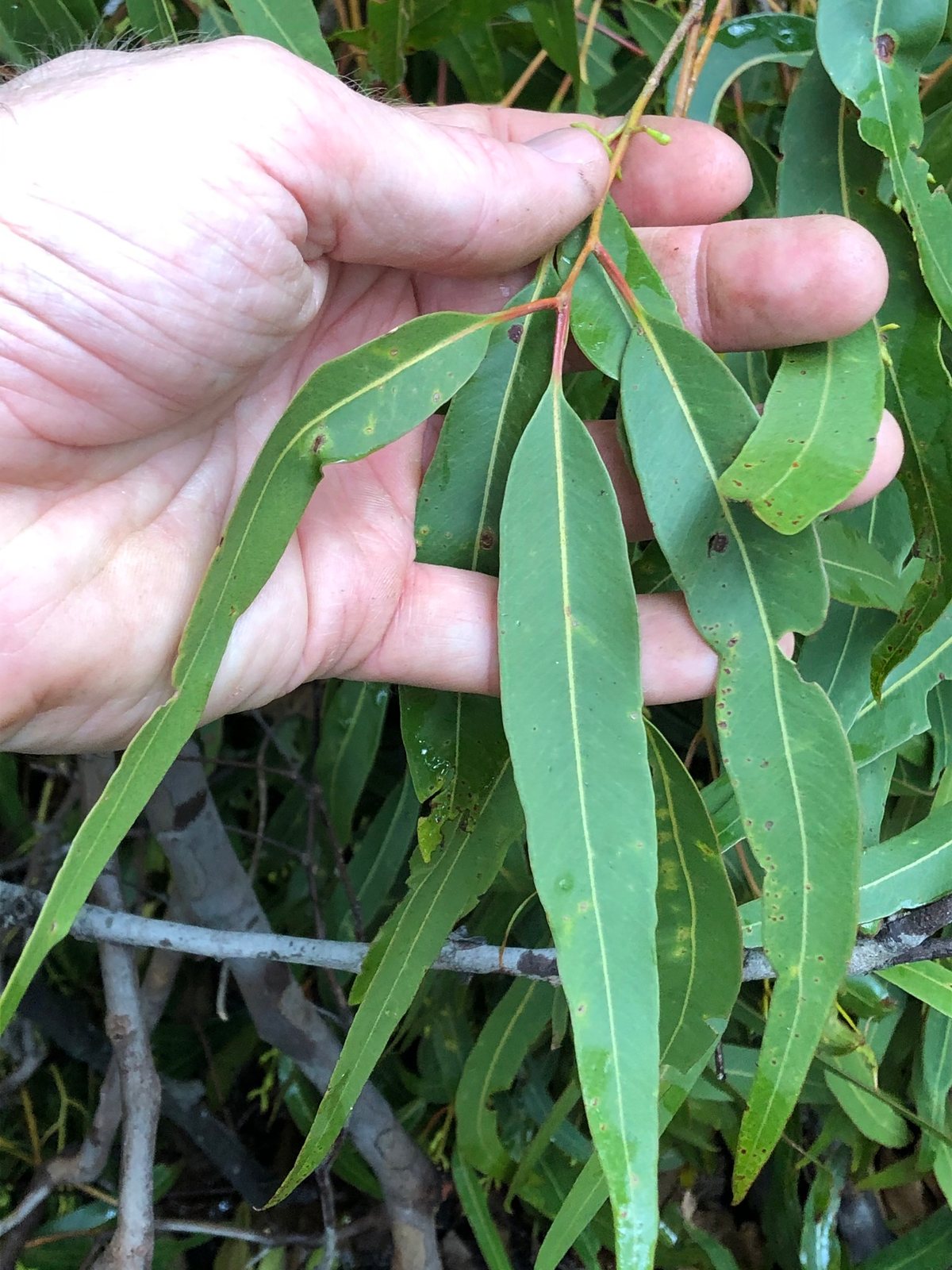
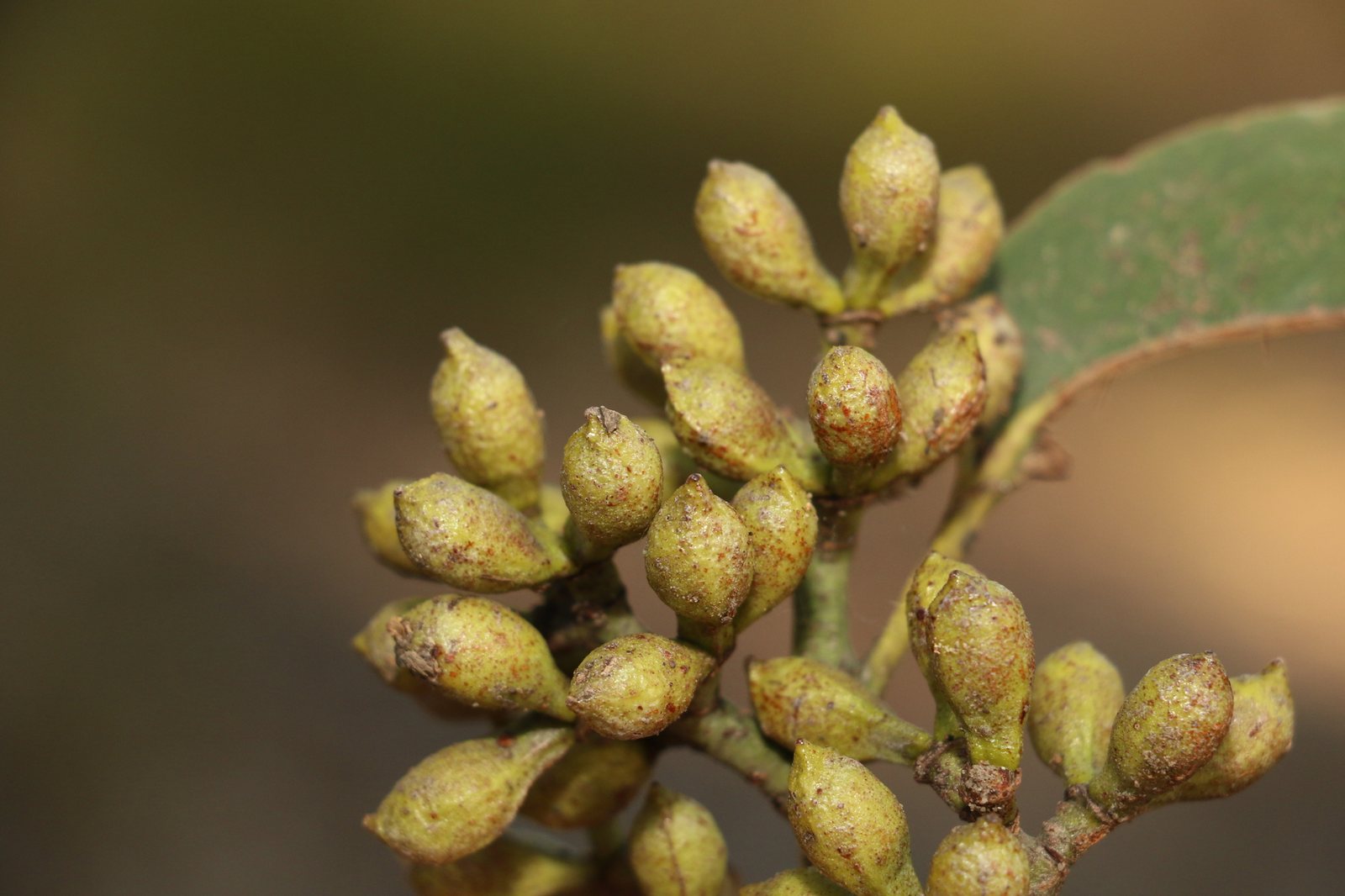
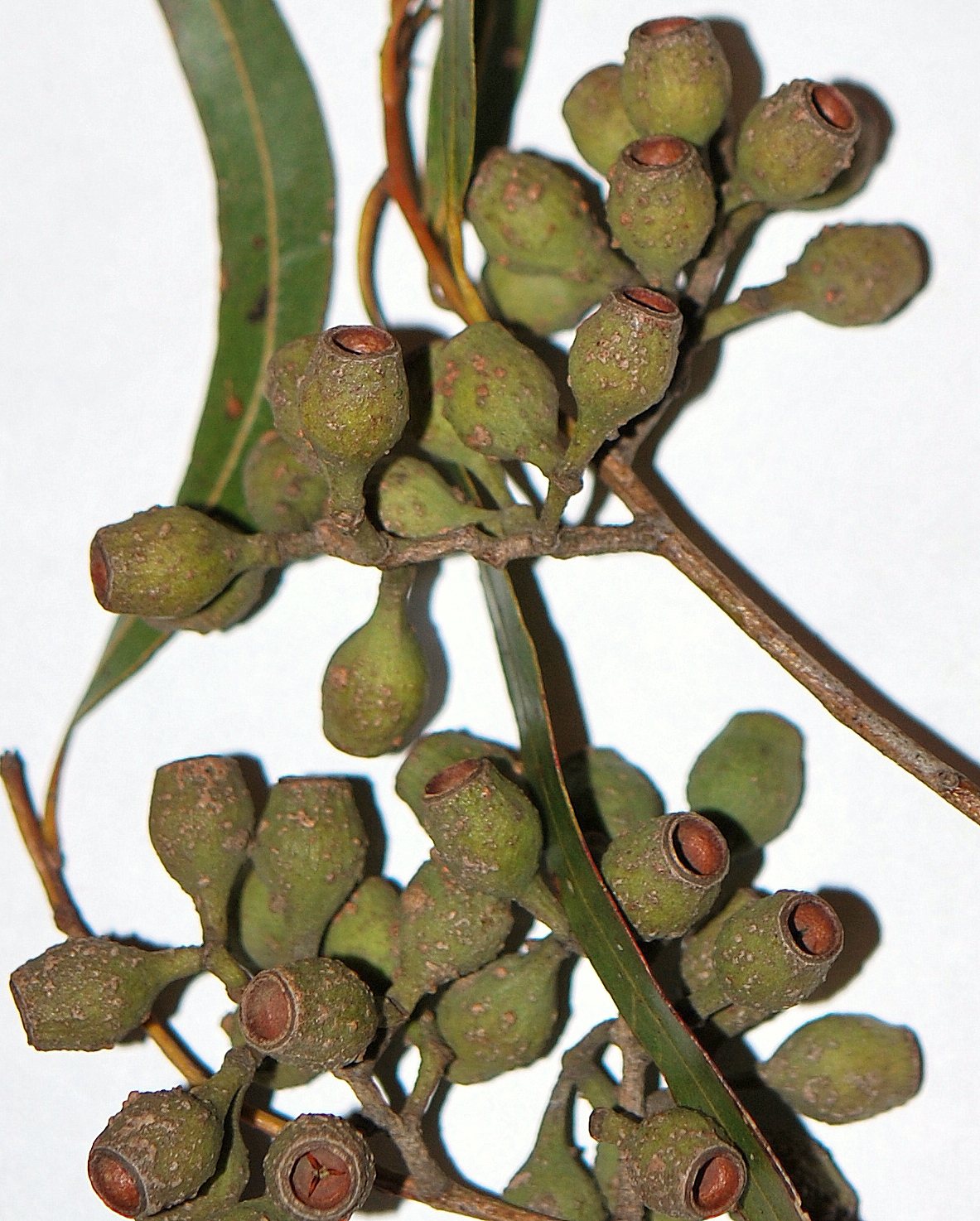
At a glance
- Sun
- Full sun; shelter young trees from cold, drying winds.
- Water
- Water regularly while establishing. Established trees tolerate drought, though prolonged dry conditions can cause leaf and branch shedding.
- Soil
- Well-drained sandy, loamy or gravelly soil; tolerates relatively poor soil but dislikes waterlogging.
- Height
- 80-130 ft (24-40 m)
- Spread
- 30-60 ft (9-18 m)
- Flowers
- Clusters of small, creamy-white flowers, mainly in winter and spring; timing varies with climate.
- Foliage
- Evergreen, narrow, glossy green adult leaves with a strong lemon scent when crushed; juvenile leaves are broader and often bristly.
- Growth
- Fast in warm conditions with adequate moisture.
- Care needed
- Medium
The year at a glance
- Pollinators
- Drought tolerant
- Heat tolerant
- Wildlife
- Fragrant
| J | F | M | A | M | J | J | A | S | O | N | D | |
|---|---|---|---|---|---|---|---|---|---|---|---|---|
| Flowers | ||||||||||||
| Fruit | ||||||||||||
| Plant |
Northern hemisphere months. In Australia, shift them by six.
- Difficulty
- Hard
- Toughness
- Needs looking after
Will it suit your garden?
Pick your zone, country, light and whether you have pets.
Full sun is 6 or more hours of direct sun a day, part shade 3 to 6 hours, shade under 3.
How it grows
Planting day
13 ft (3.8 m)
After 1 year
20 ft (6 m)
After 2 years
27 ft (8.2 m)
After 3 years
34 ft (10.3 m)
After 5 years
48 ft (14.7 m)
About 13 years to full size.
From a typical nursery size, at an average rate for this kind of plant. A rule of thumb, not a forecast.
Good to know
- Cats and dogs
- Toxic
- Native to
- Australia
- Growth rate
- Fast
Care
Jobs through the year
- WaterApr–May, Sep–Oct, every 21 days
- Deep-water established ground-grown trees only if dry; young trees and containers need more frequent checks.
- WaterJun–Aug, every 14 days
- Deep-water established ground-grown trees in prolonged drought to reduce stress and branch shedding.
- MulchMay
- Renew a broad organic mulch layer without covering the trunk base.
- FeedApr–May
- Use a modest slow-release feed only if growth is poor.
- PruneApr–May
- After frost risk, lightly train young trees; leave mature structural work to an arborist.
- ProtectJan–Apr, Oct–Dec
- Unsuitable for permanent outdoor planting in zones 6–7; overwinter containers bright and frost-free, watering sparingly.
- Plant only where the mature crown and roots have ample room, well away from buildings, drains, pools and overhead wires.
- Water deeply during dry spells for the first two growing seasons; allow the surface soil to dry between waterings.
- Apply a broad layer of organic mulch, keeping it clear of the trunk.
- Avoid heavy feeding; use a modest amount of slow-release fertiliser in spring only if growth is poor.
- Stake only if needed for stability, using flexible ties, and remove supports once the roots hold the tree firmly.
- Keep container plants in a bright, frost-free place over winter and water sparingly without letting the root ball dry completely.
Pruning. In late winter or early spring, after severe frost risk has passed, lightly train young trees to a sound framework and remove damaged or crossing shoots. Do not top a mature tree; have large limbs and structural defects assessed by a qualified arborist.
Through the year
- Spring
- Plant after frost risk has passed, or repot young container specimens before strong growth begins.
- Late spring
- Renew mulch and check that stakes and ties are not rubbing or constricting the trunk.
- Summer
- Water young trees deeply during dry weather and check containers frequently.
- Autumn
- Move container plants under bright, frost-free cover before the first frost.
- Winter
- Clear fallen bark and branches from paths and gutters; arrange an arborist inspection if major limbs show cracks or dieback.
- Late winter
- Lightly prune young trees where frost risk has passed; avoid unnecessary cuts on mature trees.
In the garden
- A specimen tree in a large lawn, with enough open space to appreciate its pale trunk.
- A tall canopy above Australian native shrubs and grasses in a spacious, sunny garden.
- A vertical accent behind low, drought-tolerant planting in warm-climate landscapes.
- A temporary container foliage plant for a sunny terrace, with frost-free winter accommodation.
Garden styles it suits: Australian native, Architectural minimal, Modern, Mediterranean, Sensory garden and Wildlife garden.
Plant it with: Lomandra, Flax lily, Kangaroo grass, Westringia and Kangaroo paw.
Wildlife: Flowers provide nectar and pollen for bees and other insects and can attract nectar-feeding birds in Australia. Mature trees provide perches and shelter.
Problems to watch for
- Frost damage: young shoots and leaves can blacken after freezing; protect young plants and wait until spring growth shows the extent of damage before pruning.
- Root decline in wet soil: avoid poorly drained sites and excessive irrigation; do not bury the root flare.
- Psyllids and scale insects: inspect distorted leaves and sticky foliage; encourage natural predators and use a labelled horticultural oil on reachable infestations if needed.
- Falling limbs and bark: keep seating and play areas away from beneath mature trees, clear debris regularly and have suspect limbs assessed professionally.
Safety
Leaves and essential oil are toxic if eaten by cats, dogs, horses or people. Concentrated eucalyptus oil is particularly dangerous and can cause serious poisoning, including neurological symptoms; keep it away from children and pets and seek urgent medical or veterinary advice after ingestion.
Where it spreads. Can self-seed beyond gardens and is regarded as an environmental weed in parts of south-western Western Australia. Avoid planting beside bushland where local authorities discourage it.
Easily confused with
Spotted gum (Corymbia maculata)
Has a more conspicuously mottled trunk, and its crushed leaves lack the strong lemon scent.
Tasmanian blue gum (Eucalyptus globulus)
Young plants have broad, blue-grey leaves in opposite pairs; the scent is medicinal rather than distinctly lemony, and mature trunks commonly retain rough bark near the base.
The name
The species name citriodora means lemon-scented, referring to the citrus smell released by the leaves.
Propagation. Usually grown from seed, surface-sown or very lightly covered in a warm, bright place. Grow seedlings in deep containers and plant out while young, before roots become congested.
Checked against open data
- Accepted botanical name
- Corymbia citriodora
- In the US and Canada
- Introduced in Hawaii, the lower 48 states, Pacific Basin and Puerto Rico.
- Native range
- New South Wales and Queensland.
- Measured
- Average height 1470 cm.
Sources: GBIF (CC BY 4.0), USDA PLANTS and Trefle (CC BY 4.0). The care and design notes are LandscapeGPT's own.
See it in your own yard.
Upload a photo of your yard and see it redesigned with plants that suit your climate, each checked against your zone.