Leonard Messel magnolia
Magnolia × loebneri 'Leonard Messel'. Family Magnoliaceae. Tree.
Also called Loebner magnolia 'Leonard Messel', Pink Loebner magnolia.
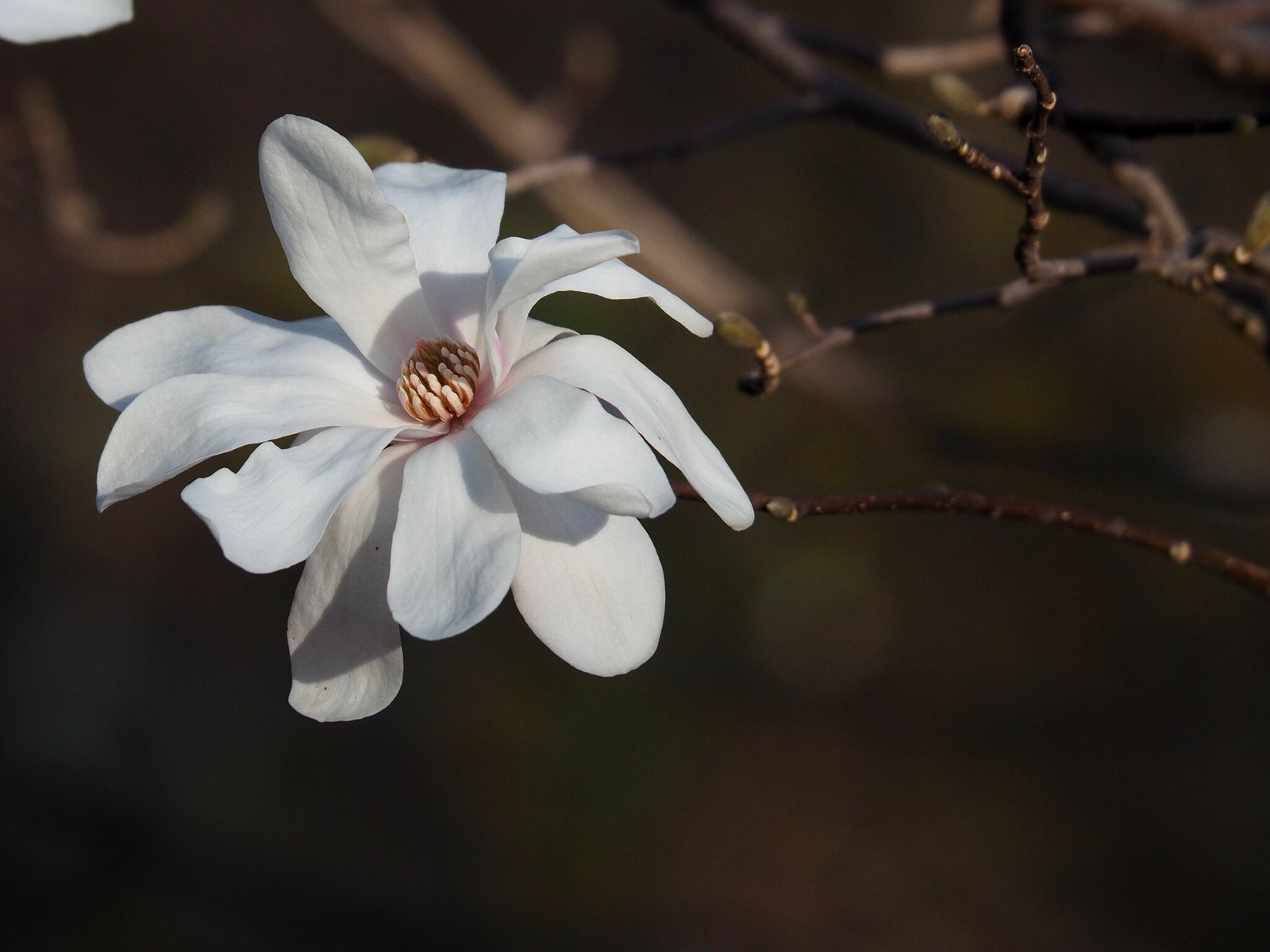
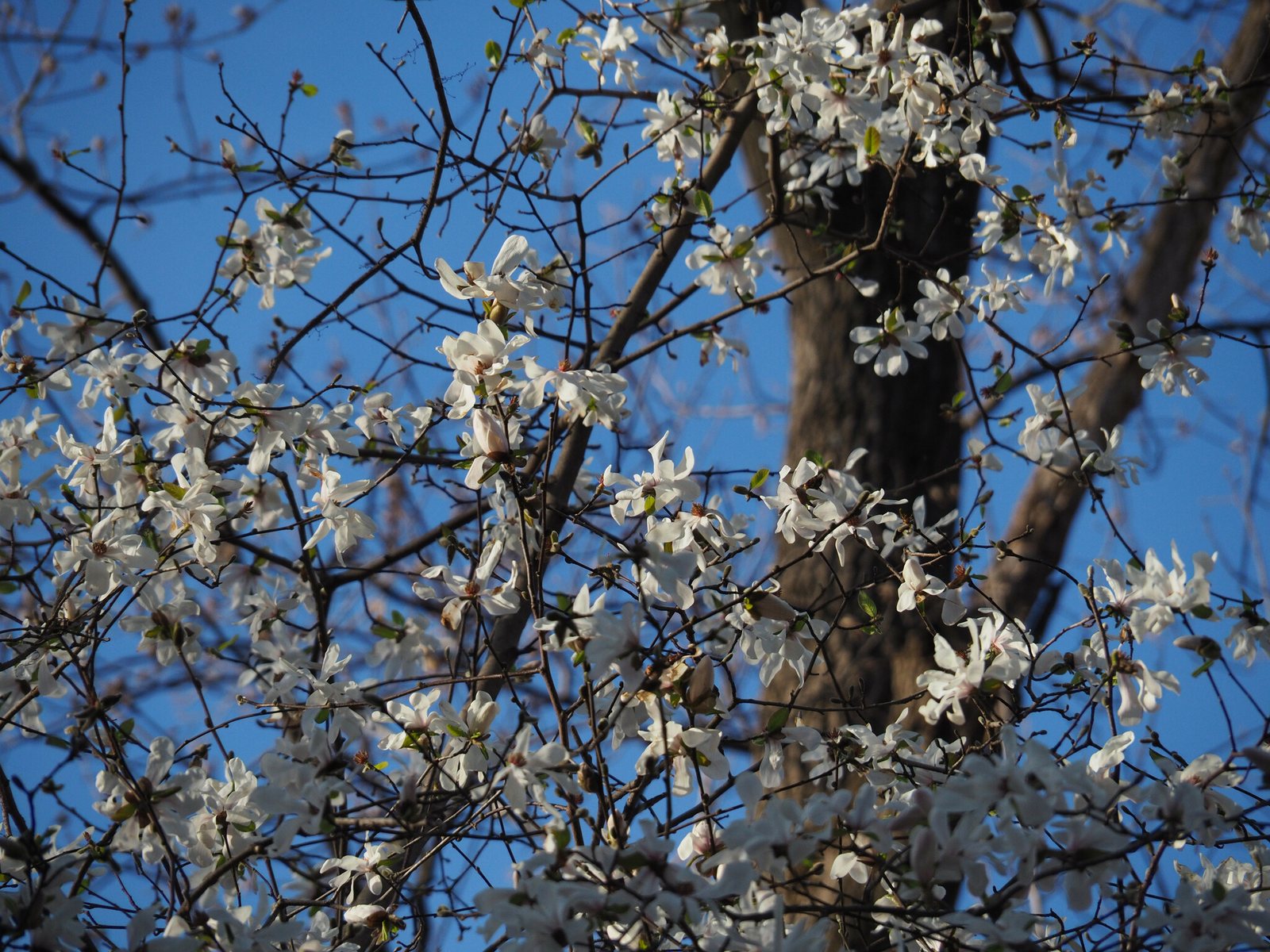
Leonard Messel magnolia is a deciduous small tree or large, branching shrub grown for its fragrant, star-shaped pink flowers on bare branches in early spring. It makes a good lawn specimen or woodland-edge tree, but needs room to spread and a site where late frosts are less likely to damage its flowers.
At a glance
- Sun
- Full sun to partial shade; flowering is usually best in sun. Give it afternoon shade in hotter climates and shelter from strong winds.
- Water
- Keep the root zone evenly moist but not waterlogged, especially during establishment. Water established trees during prolonged dry spells.
- Soil
- Moist, well-drained, humus-rich soil, preferably acidic to neutral. It tolerates some mildly alkaline soils but may develop yellow leaves on strongly alkaline ground.
- Height
- 15-25 ft (4.5-7.5 m)
- Spread
- 15-25 ft (4.5-7.5 m)
- Flowers
- Early to mid-spring, before the leaves emerge; narrow, strap-shaped petals are purplish pink outside and pale pink to nearly white inside, with a light fragrance.
- Foliage
- Oval, medium-green leaves turn yellow to yellow-brown in autumn; autumn colour is variable.
- Growth
- Slow to moderate; allow several decades for its full size.
- Care needed
- Low
The year at a glance
- Pollinators
- Heat tolerant
- Wildlife
- Low allergen
- Fragrant
| J | F | M | A | M | J | J | A | S | O | N | D | |
|---|---|---|---|---|---|---|---|---|---|---|---|---|
| Flowers | ||||||||||||
| Fruit | ||||||||||||
| Plant |
Northern hemisphere months. In Australia, shift them by six.
- Difficulty
- Easy
- Toughness
- Fairly tough
Will it suit your garden?
Pick your zone, country, light and whether you have pets.
Full sun is 6 or more hours of direct sun a day, part shade 3 to 6 hours, shade under 3.
How it grows
Planting day
7 ft (2 m)
After 1 year
7 ft (2.2 m)
After 2 years
8 ft (2.3 m)
After 3 years
8 ft (2.5 m)
After 5 years
9 ft (2.8 m)
About 26 years to full size.
From a typical nursery size, at an average rate for this kind of plant. A rule of thumb, not a forecast.
Good to know
- Cats and dogs
- Safe
- Growth rate
- Slow
Care
Jobs through the year
- WaterApr–May, Sep–Oct, every 14 days
- Water established trees deeply if soil is drying and rain is insufficient; young trees need closer monitoring.
- WaterJun–Aug, every 7 days
- Water established trees deeply during prolonged dry spells; keep young trees evenly moist for their first three summers.
- MulchFeb–Apr
- Maintain 5–8 cm of organic mulch, clear of the trunk, without digging around shallow roots.
- FeedMar–Apr
- Feed lightly only if weak growth or a soil test indicates a nutrient deficiency.
- PruneMay–Jun
- After flowering, remove damaged or crossing branches only if necessary; keep cuts small.
- ProtectMar–Apr
- Cover a small tree's opening flowers with fleece when frost is forecast; remove it during the day.
- Plant with the root flare at soil level in a sheltered position outside a frost pocket.
- Water deeply through dry periods for the first two or three growing seasons.
- Spread 2-3 in (5-8 cm) of organic mulch over the root zone, keeping it clear of the trunk.
- Avoid digging beneath the canopy; magnolias have shallow roots that are easily damaged.
- Feed in spring only if growth is weak or a soil test indicates a deficiency; avoid heavy nitrogen feeding.
Pruning. Prune only when necessary, after flowering and before late summer, removing dead, damaged or crossing branches. Keep cuts small and preserve its natural branching habit rather than clipping or hard-pruning it.
Through the year
- Autumn
- Plant while the soil is workable in mild climates; in colder regions, plan for spring planting.
- Late winter
- Check mulch depth and keep mulch away from the trunk; avoid disturbing shallow roots.
- Spring
- Plant in cold-winter regions once the ground is workable, and water thoroughly.
- Spring
- Protect a small tree's opening flowers with horticultural fleece when a late frost is forecast, removing it during the day.
- Late spring
- After flowering, remove damaged or crossing branches only if needed.
- Summer
- Water deeply during prolonged dry weather, particularly while the tree is establishing.
In the garden
- Use as a lawn specimen where its spreading outline and early flowers can be seen from the house.
- Place at a woodland edge with shade-tolerant spring bulbs and perennials beneath the outer canopy.
- Set behind a mixed shrub border to provide spring flowers and a leafy summer backdrop.
- Use in a generous courtyard with open soil around the roots and enough space for the mature canopy.
Garden styles it suits: English country, Woodland, Romantic rose garden, Japanese, Pastel border and Traditional.
Plant it with: Snowdrops, Hellebores, Daffodils, Epimediums, Japanese painted ferns and Japanese maples.
Wildlife: Flowers provide pollen for visiting insects, including beetles. The branching canopy offers shelter and potential nesting sites for birds.
Problems to watch for
- Late frost can brown opening flowers: choose a sheltered site away from frost pockets and cover small trees temporarily when frost threatens.
- Yellow leaves with green veins can indicate iron deficiency in alkaline soil: check soil pH and use chelated iron suitable for alkaline conditions if needed.
- Magnolia scale can cause sticky honeydew and black sooty mould, especially in North America: encourage natural predators and use a labelled horticultural oil at the appropriate pest stage.
- Leaf scorch or premature leaf drop can follow drought or root disturbance: water deeply, maintain mulch and keep digging and heavy traffic away from the root zone.
Safety
Not known to be toxic to cats, dogs, horses or people. No part is recognised as a significant poisoning hazard, but it is an ornamental plant rather than a food plant, and eating plant material may cause stomach upset.
Easily confused with
Star magnolia (Magnolia stellata)
Usually smaller and more shrub-like, with predominantly white flowers; pink cultivars can be difficult to distinguish without a reliable label.
Merrill magnolia (Magnolia × loebneri 'Merrill')
Has white rather than distinctly pink flowers and generally develops a larger, more upright tree form.
Saucer magnolia (Magnolia × soulangeana)
Has broader, cup- or goblet-shaped flowers rather than the narrow-petalled, star-shaped flowers of 'Leonard Messel'.
The name
The cultivar honours Leonard Messel of Nymans in Sussex, England, where it originated, while Magnolia honours the French botanist Pierre Magnol.
Propagation. Usually propagated by grafting or budding onto magnolia rootstock; softwood cuttings may also be rooted under controlled conditions. Seed does not reliably produce plants identical to 'Leonard Messel'.
Checked against open data
- Accepted botanical name
- Magnolia loebneri
Sources: GBIF (CC BY 4.0). The care and design notes are LandscapeGPT's own.
See it in your own yard.
Upload a photo of your yard and see it redesigned with plants that suit your climate, each checked against your zone.