Leopard plant 'The Rocket'
Ligularia 'The Rocket'. Family Asteraceae. Perennial.
Also called Ligularia 'The Rocket', Ligularia stenocephala 'The Rocket', Golden ray 'The Rocket'.
'The Rocket' is a tall, clump-forming perennial grown for its large, jagged-edged leaves and narrow spires of yellow summer flowers on dark stems. It brings strong vertical structure to damp, partly shaded borders, but needs dependable moisture and protection from hot afternoon sun.
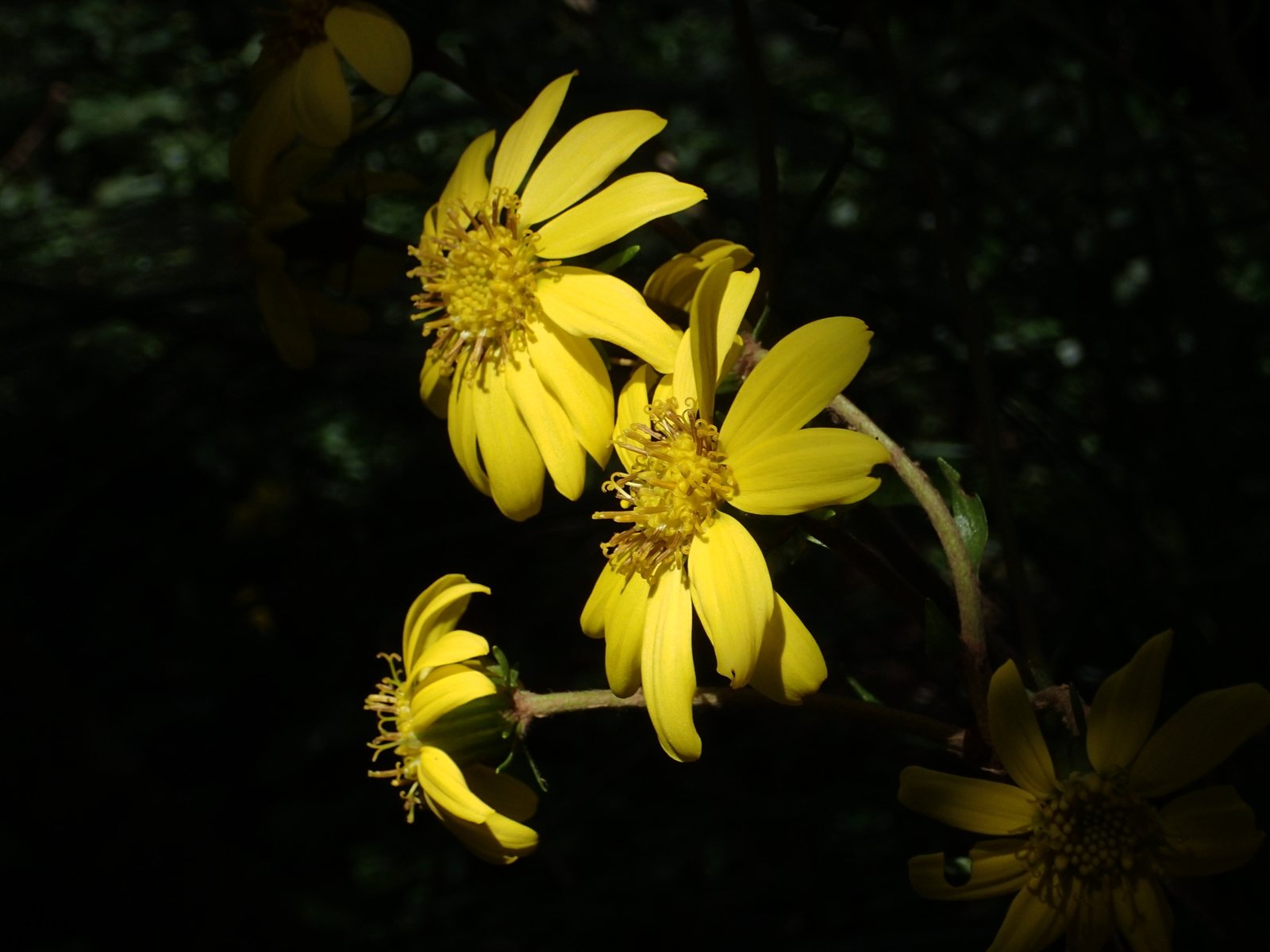
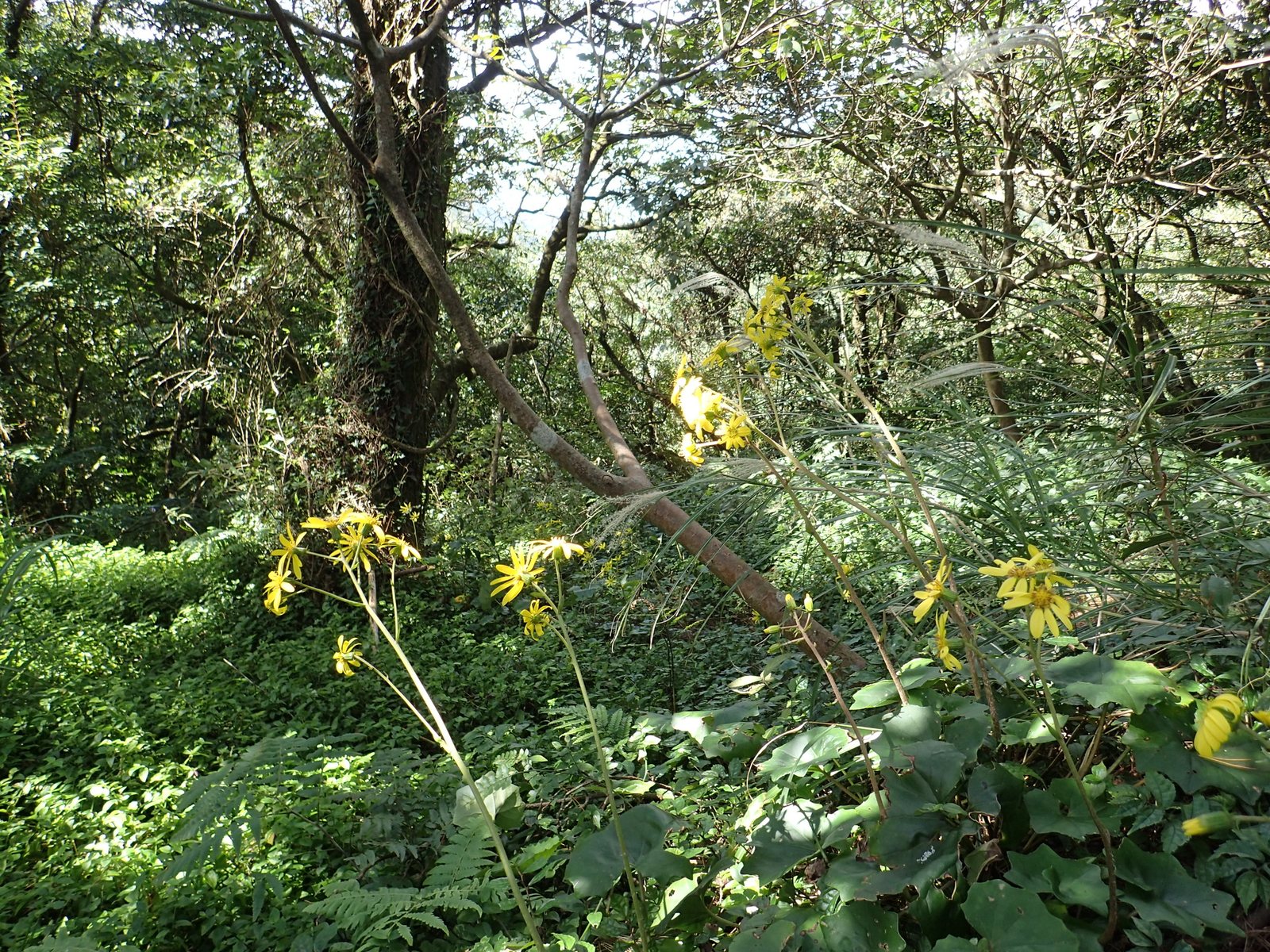
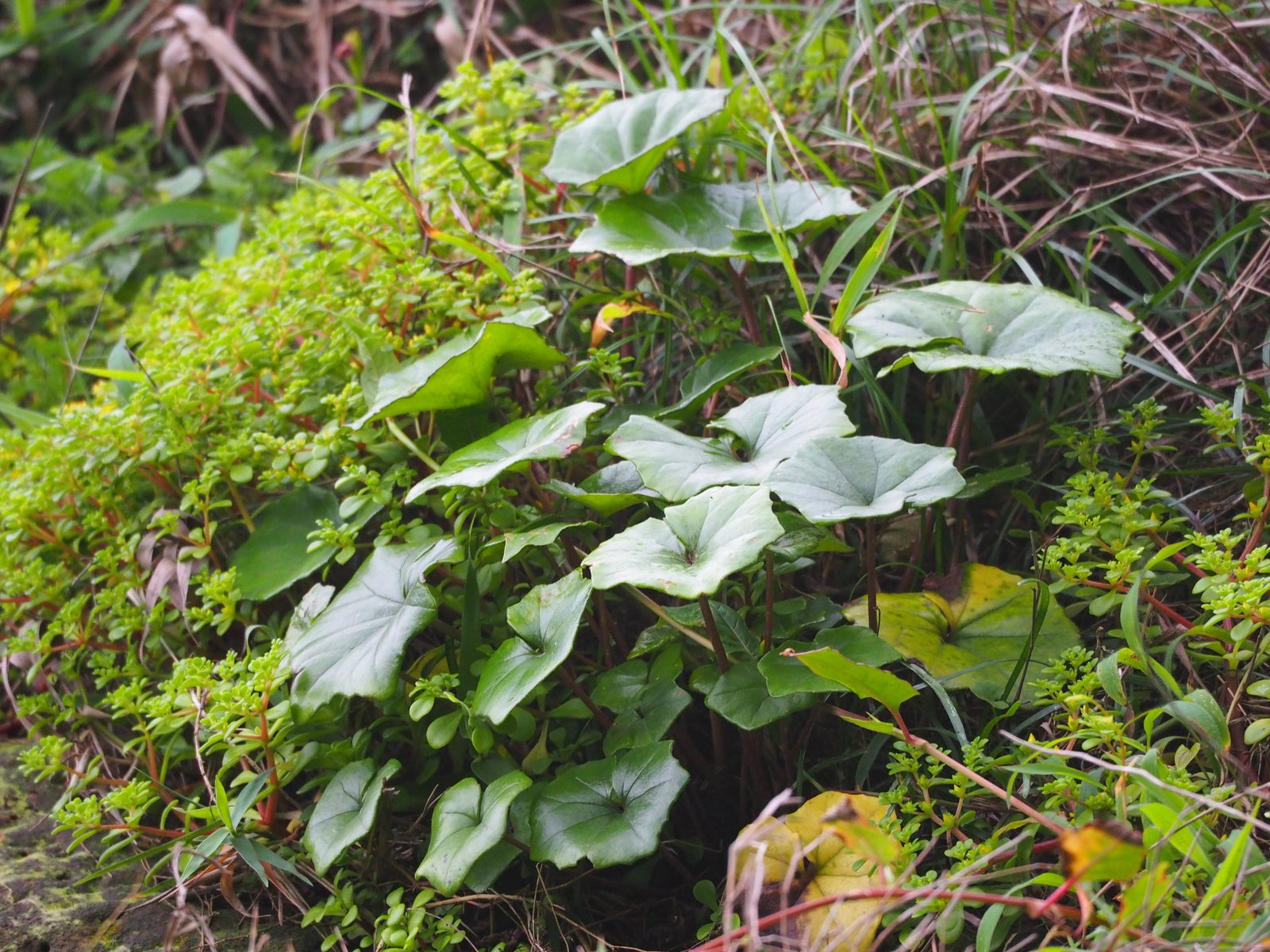
At a glance
- Sun
- Partial shade, preferably morning sun and afternoon shade. Full sun is possible in cool climates if the soil stays consistently moist.
- Water
- High; keep the root zone consistently moist. Water deeply during dry spells, and avoid sites that regularly dry out.
- Soil
- Rich, moisture-retentive soil with plenty of organic matter; tolerates heavy soil and damp ground. Avoid dry, shallow soil and prolonged submersion of the crown.
- Height
- 4-6 ft (1.2-1.8 m), including flower stems
- Spread
- 2-3 ft (0.6-0.9 m)
- Flowers
- Early to midsummer, sometimes continuing into late summer; small, bright yellow flowers packed along tall, narrow spires.
- Foliage
- Large, green, heart-shaped to triangular leaves with sharply toothed margins, forming a broad basal mound.
- Growth
- Moderate; forms a substantial clump over several growing seasons.
- Care needed
- Medium
The year at a glance
- Pollinators
- Cold hardy
- Wildlife
| J | F | M | A | M | J | J | A | S | O | N | D | |
|---|---|---|---|---|---|---|---|---|---|---|---|---|
| Flowers | ||||||||||||
| Fruit | ||||||||||||
| Plant |
Northern hemisphere months. In Australia, shift them by six.
- Difficulty
- Moderate
- Toughness
- Needs looking after
Will it suit your garden?
Pick your zone, country, light and whether you have pets.
Full sun is 6 or more hours of direct sun a day, part shade 3 to 6 hours, shade under 3.
How it grows
Planting day
1 ft (0.3 m)
After 1 year
2.3 ft (0.7 m)
After 2 years
4 ft (1.1 m)
After 3 years
5 ft (1.5 m)
full size
About 3 years to full size.
From a typical nursery size, at an average rate for this kind of plant. A rule of thumb, not a forecast.
Good to know
- Cats and dogs
- Toxic
- Growth rate
- Moderate
Care
Jobs through the year
- WaterApr–May, Sep, every 7 days
- Keep established plants consistently moist when rain is insufficient; new clumps need closer checks.
- WaterJun–Aug, every 3 days
- Check moisture and water deeply as soil starts drying; afternoon droop alone may not mean dry soil.
- PruneFeb–Mar
- Remove remaining dead stems and collapsed foliage before new growth.
- MulchMar–Apr
- Apply 5–8 cm of compost or leaf mould around the roots, keeping the crown clear.
- DivideMar–Apr
- Divide crowded or declining clumps in early spring and water divisions thoroughly.
- ProtectMar–May
- Protect emerging leaves from slugs using hand-picking or labelled iron phosphate bait.
- ProtectMay–Jun
- Support flower stems before they lengthen if the site is exposed to wind.
- DeadheadAug–Sep
- Cut finished flower stems to the base unless retaining seedheads.
- ProtectJun–Aug
- Provide afternoon shade and shelter from drying winds.
- Water deeply whenever the soil begins to dry; give extra attention during the first growing season.
- Apply a 2-3 in (5-8 cm) layer of compost or leaf mould each spring, keeping it clear of the crown.
- Choose a sheltered position away from drying winds and strong afternoon sun.
- Stake flower stems early if the site is exposed; established plants usually support themselves in shelter.
- Divide crowded or declining clumps in early spring, watering divisions well until established.
Pruning. Cut spent flower stems down to the base after flowering unless you want to retain the seedheads. Remove dead leaves and stems in late autumn or before new growth starts in early spring.
Through the year
- Early spring
- Remove remaining dead growth and divide established clumps if needed.
- Spring
- Plant into moist, compost-enriched soil and mulch around the root zone.
- Late spring
- Check emerging leaves for slugs and snails; install discreet supports in exposed positions.
- Summer
- Water deeply during dry weather and check soil moisture if leaves wilt.
- Late summer
- Remove finished flower stems if you do not want seedheads or seedlings.
- Late autumn
- Cut down collapsed foliage, or leave standing stems until early spring where they remain attractive.
In the garden
- Place toward the back of a damp border, where the yellow flower spires rise above lower foliage.
- Plant beside a pond or stream on moist banks, keeping the crown above standing water.
- Combine with hostas and ferns for contrasting leaf shapes in partial shade.
- Repeat small groups through a large woodland-edge planting to create vertical summer accents.
Garden styles it suits: Woodland, Bog garden, English country, Cottage garden, Architectural minimal and Pacific Northwest woodland.
Plant it with: Hostas, Astilbes, Rodgersias, Japanese painted ferns, Siberian irises and Japanese primroses.
Wildlife: The flowers attract bees and other pollinating insects. Dense foliage provides shelter for small garden animals, but also offers hiding places for slugs and snails.
Problems to watch for
- Slugs and snails can badly damage young leaves; check at dusk, remove pests and use iron phosphate bait according to the label if needed.
- Leaves may droop in hot afternoon weather even in moist soil; check moisture before watering, and provide afternoon shade if wilting is frequent.
- Dry soil causes scorched edges, stunted growth and poor flowering; water deeply and maintain an organic mulch.
- Strong winds can tear leaves and bend flower stems; choose a sheltered position or support stems before flowering.
Safety
The toxicity of 'The Rocket' to people, cats, dogs and horses is not well established. Some Ligularia species contain potentially liver-damaging pyrrolizidine alkaloids, so do not treat any part as edible or allow pets or livestock to browse it; seek medical or veterinary advice after ingestion.
Easily confused with
Przewalski's ligularia (Ligularia przewalskii)
It also has narrow yellow flower spires, but its leaves are deeply divided into pointed lobes rather than broadly heart-shaped.
Bigleaf ligularia (Ligularia dentata)
Usually has rounded or kidney-shaped leaves and open clusters of larger, daisy-like yellow or orange flowers rather than narrow upright spires.
Japanese leopard plant (Farfugium japonicum)
Has glossy, rounded leaves, sometimes spotted or variegated, and loose clusters of yellow daisies; it is less cold-hardy and often evergreen in mild climates.
The name
Ligularia comes from the Latin for a small strap, referring to the strap-shaped ray florets, while 'The Rocket' describes its tall, upward-pointing flower spires.
Propagation. Divide established clumps in early spring, retaining healthy roots and growing buds on each section. Division preserves the cultivar; seedlings may differ from the parent.
Checked against open data
- Accepted botanical name
- Ligularia
Sources: GBIF (CC BY 4.0). The care and design notes are LandscapeGPT's own.
See it in your own yard.
Upload a photo of your yard and see it redesigned with plants that suit your climate, each checked against your zone.