Leopard's bane
Doronicum orientale. Family Asteraceae. Perennial.
Also called Caucasian leopard's bane, Doronicum caucasicum.
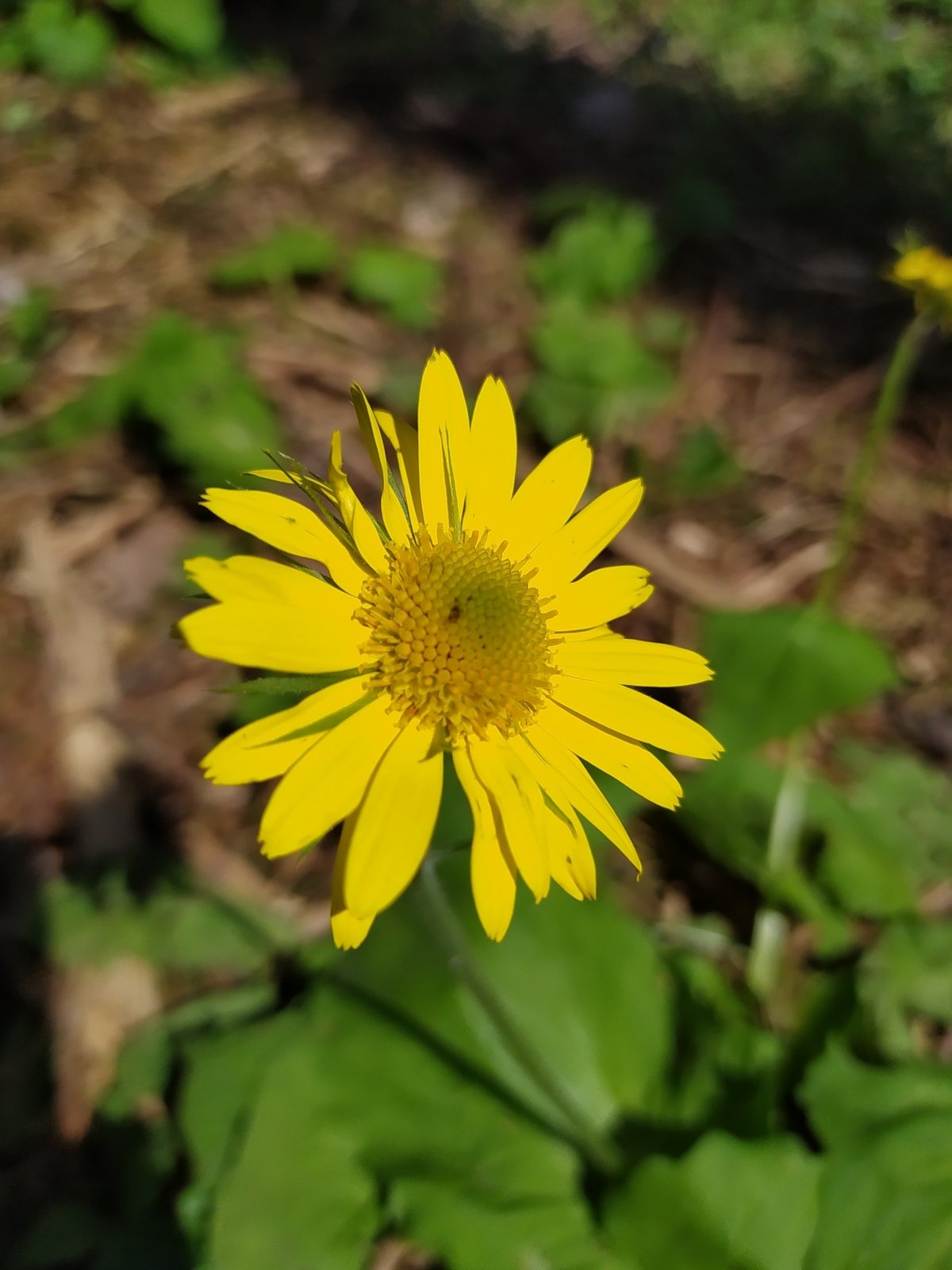
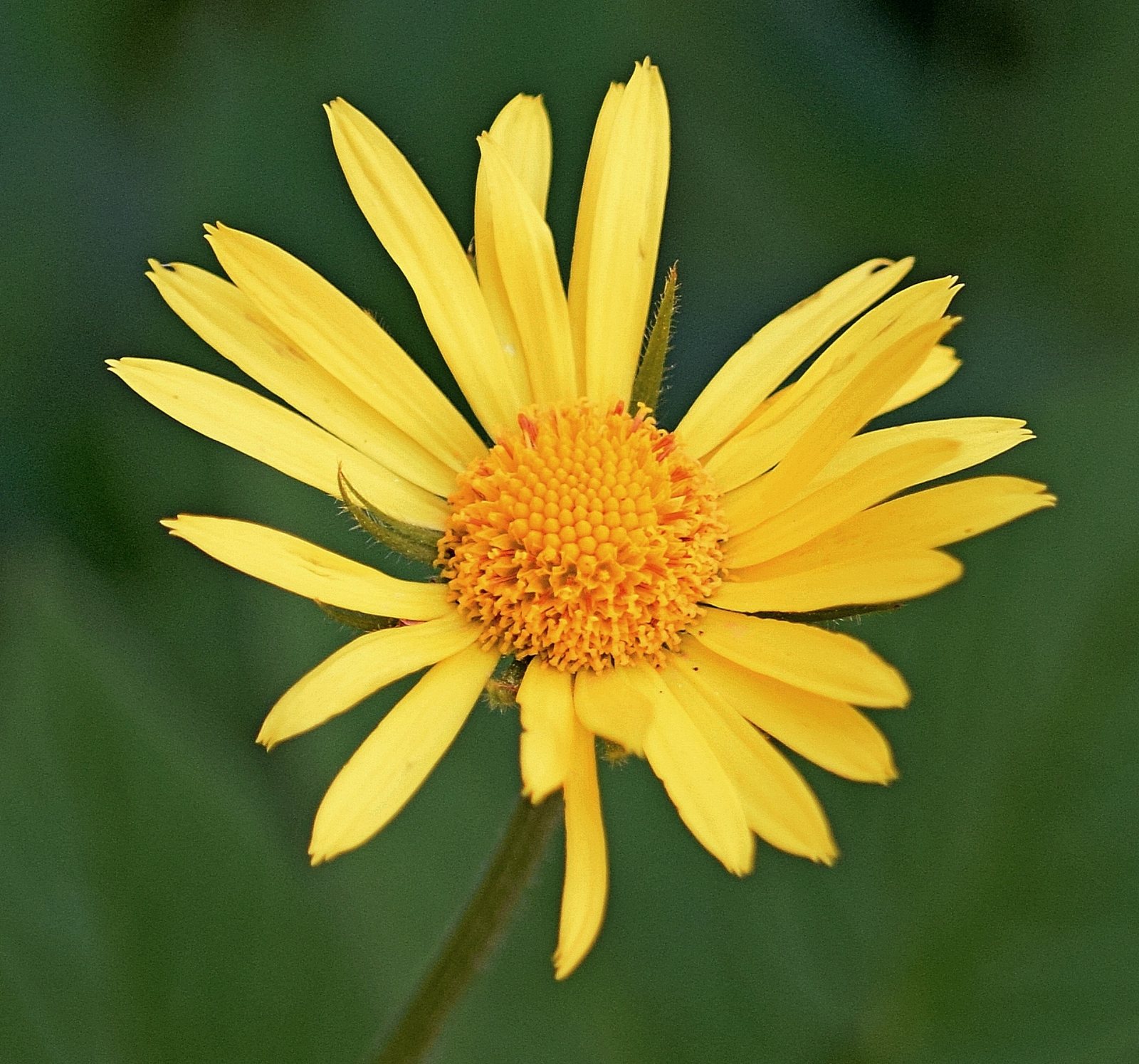
Leopard's bane is a clump-forming perennial grown for its bright yellow, daisy-like flowers in spring. It brings early colour to lightly shaded borders, then often dies back during summer, especially in hot or dry conditions.
At a glance
- Sun
- Partial shade is ideal, particularly afternoon shade in warmer areas. Full sun suits cooler climates if the soil stays moist.
- Water
- Keep evenly moist during spring growth and flowering, without waterlogging. Avoid letting newly planted clumps dry out.
- Soil
- Humus-rich, moisture-retentive but well-drained soil; tolerates mildly acidic, neutral or mildly alkaline conditions.
- Height
- 1-2 ft (0.3-0.6 m)
- Spread
- 1-2 ft (0.3-0.6 m)
- Flowers
- Bright yellow daisies with yellow centres in mid- to late spring; sometimes continuing into early summer in cool climates.
- Foliage
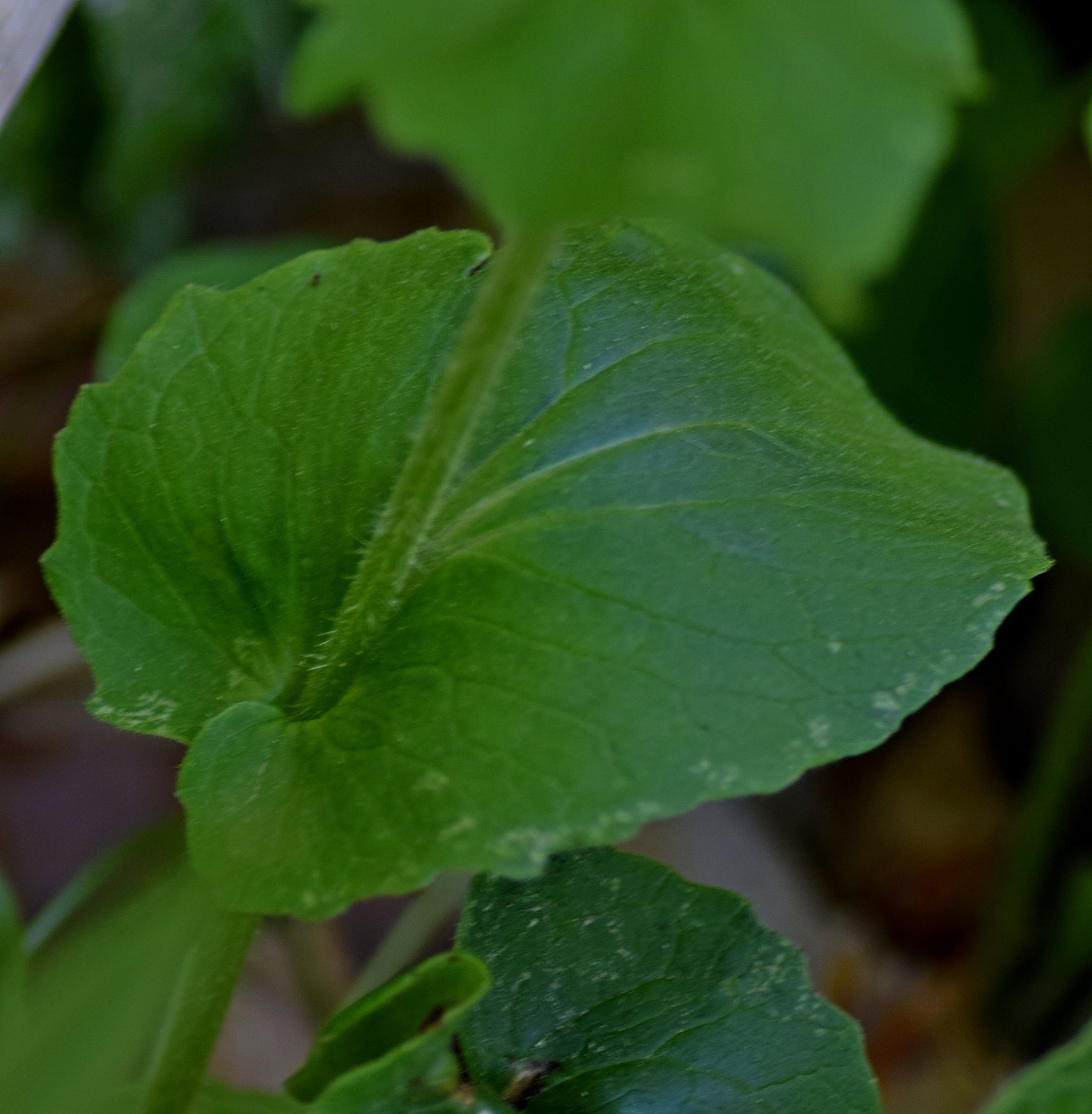
- Soft green, toothed, heart-shaped basal leaves, with smaller leaves along the flowering stems. Foliage may disappear in summer heat.
- Growth
- Moderate
- Care needed
- Low
The year at a glance
- Pollinators
- Deer resistant
- Cold hardy
- Low allergen
| J | F | M | A | M | J | J | A | S | O | N | D | |
|---|---|---|---|---|---|---|---|---|---|---|---|---|
| Flowers | ||||||||||||
| Plant |
Northern hemisphere months. In Australia, shift them by six.
- Difficulty
- Easy
- Toughness
- Fairly tough
Will it suit your garden?
Pick your zone, country, light and whether you have pets.
Full sun is 6 or more hours of direct sun a day, part shade 3 to 6 hours, shade under 3.
How it grows
Planting day
1 ft (0.3 m)
After 1 year
1.1 ft (0.35 m)
After 2 years
1.3 ft (0.4 m)
After 3 years
1.5 ft (0.45 m)
full size
About 3 years to full size.
From a typical nursery size, at an average rate for this kind of plant. A rule of thumb, not a forecast.
Good to know
- Cats and dogs
- Mildly toxic: may upset a stomach
- Growth rate
- Moderate
Care
Jobs through the year
- WaterMar–Jun, every 7 days
- Water established clumps during dry weather to keep spring growth moist; water new plants more often.
- WaterJul–Aug, every 14 days
- Water during prolonged drought if foliage remains green; dormant crowns need little water.
- WaterSep–Oct, every 14 days
- Water established clumps only if soil is dry; keep autumn plantings evenly moist.
- MulchMar
- Apply a thin compost mulch without covering the crown.
- DeadheadMay–Jun
- Cut spent flower stems back to the basal leaves.
- PruneJun–Aug
- Remove foliage only once yellow or dead, and mark dormant crowns.
- DivideMar, Sep
- Divide crowded clumps every three or four years in cool, moist conditions.
- ProtectMar–Apr
- Check young leaves for slugs and snails and control them if damage develops.
- Water during dry spring weather so the root zone stays moist.
- Spread a thin layer of compost around the clump in early spring.
- Mulch to conserve moisture, keeping mulch clear of the crown.
- Divide crowded clumps every three or four years in early spring or early autumn.
- Mark the position if the foliage dies back so you do not disturb the dormant crown.
Pruning. Cut spent flower stems back to the basal leaves after flowering. Remove yellowed or collapsed foliage once it has died back; leave healthy green leaves in place.
Through the year
- Early spring
- Plant or divide clumps while conditions are cool and the soil is workable.
- Early spring
- Apply compost and refresh mulch without covering the crown.
- Spring
- Water during dry spells and check emerging leaves for slug and snail damage.
- Late spring
- Remove faded flower stems after the main display.
- Summer
- Remove dead foliage if the plant becomes dormant, and mark its position.
- Early autumn
- Plant or divide established clumps where soil remains warm and moist.
In the garden
- Plant in groups at the front of a lightly shaded border for an early yellow display.
- Combine with blue forget-me-nots, lungwort or grape hyacinths for spring colour contrast.
- Use beneath deciduous trees where spring light reaches the ground and roots are not excessively dry.
- Place beside hostas or ferns whose later foliage can cover the gap left by summer dormancy.
Garden styles it suits: Cottage garden, English country, Woodland, Traditional, Romantic rose garden and Pollinator garden.
Plant it with: Forget-me-nots, Lungwort, Grape hyacinths, Hostas, Hardy geraniums and Lady fern.
Wildlife: The open spring flowers provide pollen and nectar for bees and other visiting insects.
Problems to watch for
- Slugs and snails can chew young leaves; inspect at dusk, remove them by hand and use an approved iron-based bait if needed.
- Powdery mildew may coat leaves in dry, crowded conditions; improve airflow and water the soil rather than the foliage.
- Root or crown rot can develop in waterlogged soil; improve drainage and avoid burying the crown.
- Heat and drought can cause early summer dormancy; provide afternoon shade and spring moisture rather than assuming the plant has died.
Safety
Reported as harmful if eaten by people, with digestive upset possible; do not eat any part. Reliable species-specific toxicity information for cats, dogs and horses is limited, so neither safety nor severity is well established. Keep animals from eating it and seek veterinary advice after ingestion.
Easily confused with
Plantain-leaved leopard's bane (Doronicum plantagineum)
Usually taller, with more oval or plantain-shaped basal leaves rather than the distinctly heart-shaped basal leaves of Doronicum orientale.
Arnica (Arnica montana)
Has opposite pairs of stem leaves and mostly untoothed basal leaves; leopard's bane has alternate stem leaves and toothed, heart-shaped basal leaves.
Black-eyed Susan (Rudbeckia hirta)
Usually flowers in summer rather than spring, with a dark, raised central cone and rough, hairy leaves.
The name
The species name orientale means 'eastern', referring to its eastern geographical origin.
Propagation. Divide established clumps in early spring or early autumn and replant promptly. The species can also be raised from seed, but seedlings from named cultivars may not resemble the parent.
Checked against open data
- Accepted botanical name
- Doronicum orientale
Sources: GBIF (CC BY 4.0). The care and design notes are LandscapeGPT's own.
See it in your own yard.
Upload a photo of your yard and see it redesigned with plants that suit your climate, each checked against your zone.