Lily of the Nile 'Peter Pan'
Agapanthus 'Peter Pan'. Family Amaryllidaceae. Perennial.
Also called African lily 'Peter Pan', Dwarf agapanthus 'Peter Pan'.
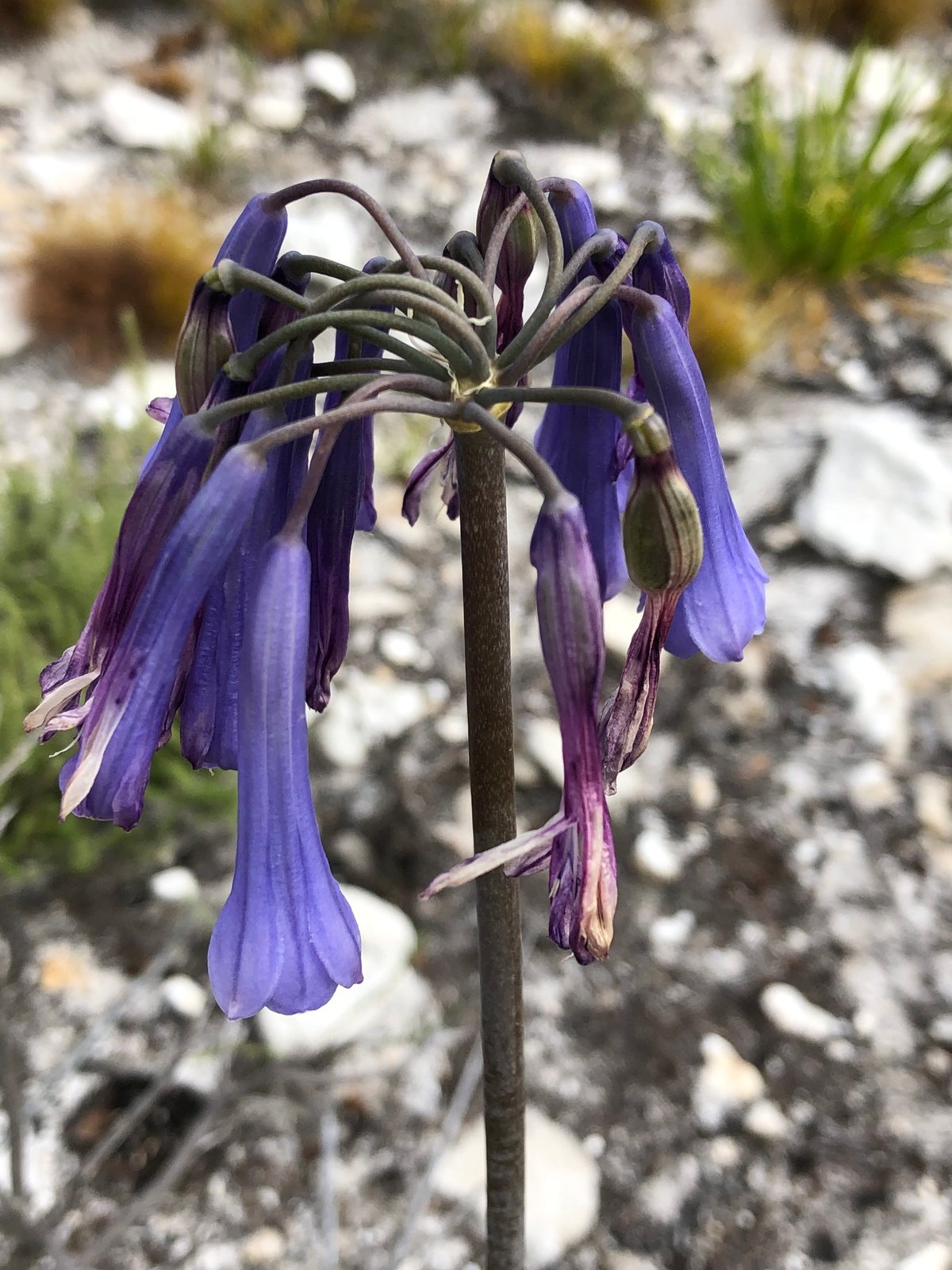
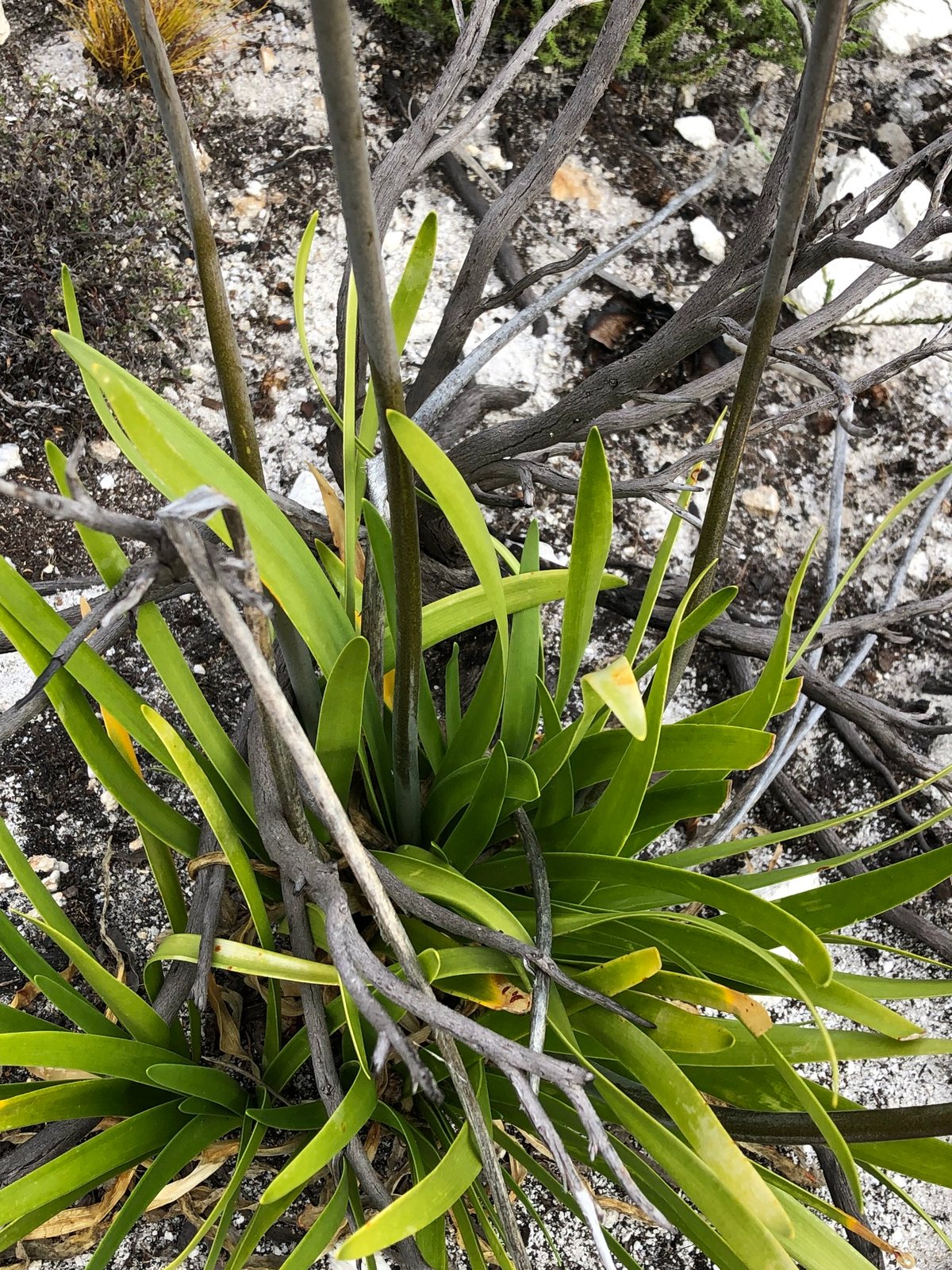
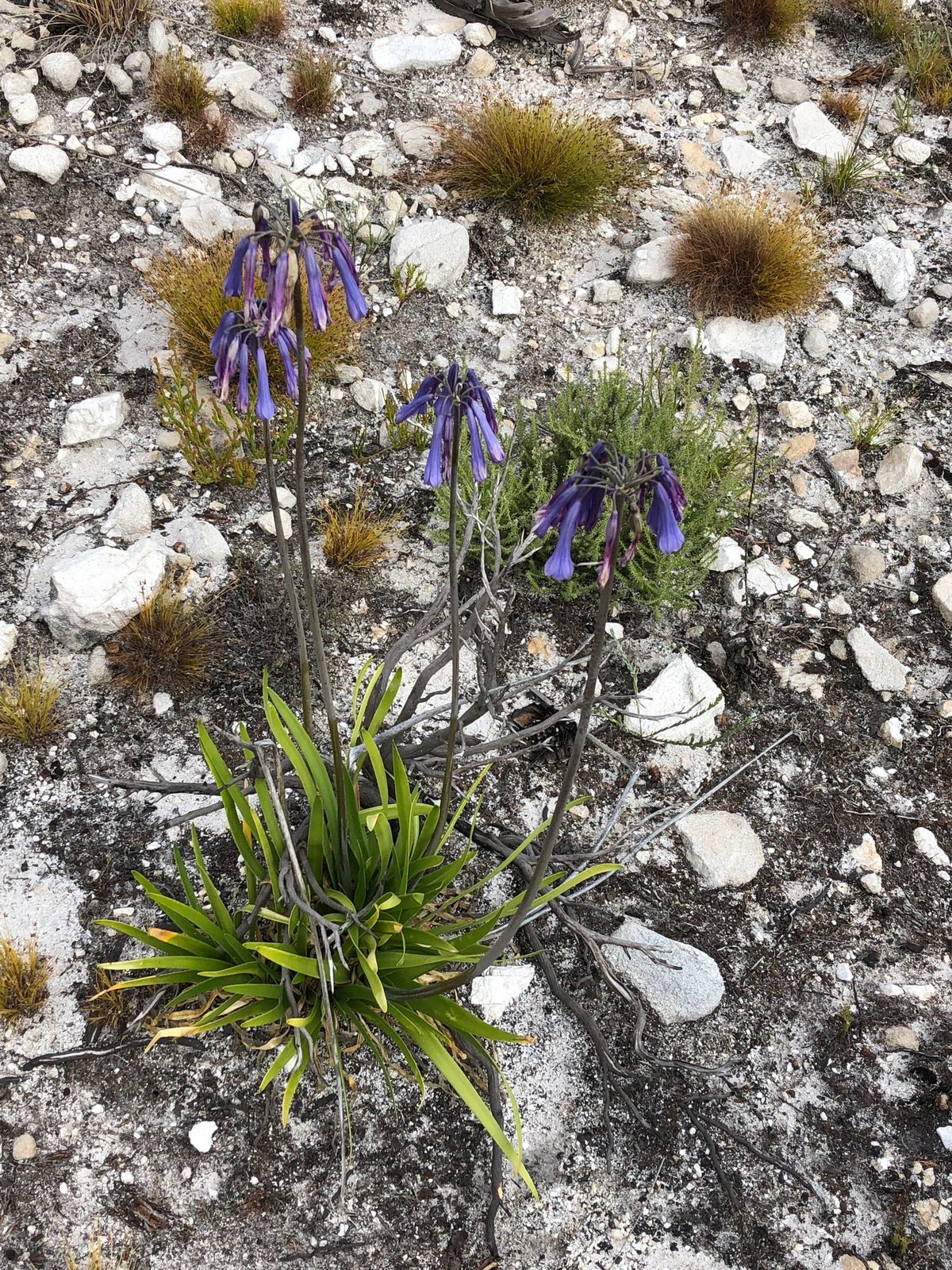
'Peter Pan' is a compact, clump-forming agapanthus with strap-shaped leaves and rounded clusters of pale blue flowers on upright stems. Gardeners grow it for summer colour in sunny borders and containers; in cold climates, keep it in a pot that can overwinter somewhere bright and frost-free.
At a glance
- Sun
- Full sun; light afternoon shade is helpful in very hot climates, but too much shade reduces flowering.
- Water
- Water regularly during establishment and flowering, allowing the surface soil to dry between waterings. Established plants tolerate short dry spells; keep much drier in winter.
- Soil
- Well-drained soil with moderate fertility. Avoid waterlogged ground, especially in winter; use a free-draining potting mix in containers.
- Height
- 1-2 ft (0.3-0.6 m), including flower stems
- Spread
- 1-2 ft (0.3-0.6 m)
- Flowers
- Pale blue, trumpet-shaped flowers in rounded clusters in summer, sometimes continuing into early autumn in warm climates.
- Foliage
- Arching, narrow, green, strap-shaped leaves forming a low mound. Usually evergreen in mild climates, but frost can damage or kill the leaves.
- Growth
- Moderate
- Care needed
- Low
The year at a glance
- Pollinators
- Deer resistant
- Drought tolerant
- Heat tolerant
- Low allergen
| J | F | M | A | M | J | J | A | S | O | N | D | |
|---|---|---|---|---|---|---|---|---|---|---|---|---|
| Flowers | ||||||||||||
| Plant |
Northern hemisphere months. In Australia, shift them by six.
- Difficulty
- Moderate
- Toughness
- Fairly tough
Will it suit your garden?
Pick your zone, country, light and whether you have pets.
Full sun is 6 or more hours of direct sun a day, part shade 3 to 6 hours, shade under 3.
How it grows
Planting day
1 ft (0.3 m)
After 1 year
1.1 ft (0.35 m)
After 2 years
1.3 ft (0.4 m)
After 3 years
1.5 ft (0.45 m)
full size
About 3 years to full size.
From a typical nursery size, at an average rate for this kind of plant. A rule of thumb, not a forecast.
Good to know
- Cats and dogs
- Toxic
- Invasive in
- Australia
- Growth rate
- Moderate
Care
Jobs through the year
- WaterMay, Sep, every 14 days
- For established outdoor clumps, water if dry; new plants and pots need more frequent checks.
- WaterJun–Aug, every 7 days
- Water established clumps deeply in dry weather, letting the surface dry between soakings.
- FeedApr–May
- Apply a light balanced feed as growth resumes; avoid excess nitrogen.
- PruneApr–May
- Remove dead or frost-damaged leaves, retaining healthy evergreen foliage.
- DeadheadJul–Sep
- Cut faded flower stems to the base before seed capsules mature.
- DivideMay
- Divide only severely congested clumps after hard frosts; frequent division delays flowering.
- ProtectOct–Nov
- Not reliably hardy in zones 6–7; grow in movable pots and overwinter bright and frost-free.
- WaterJan–Apr, Oct–Dec, every 28 days
- For frost-free overwintered pots only, check compost and water sparingly if nearly dry.
- Water deeply during establishment and dry summer weather; never leave containers standing in water.
- Feed lightly in spring with a balanced fertiliser, avoiding heavy nitrogen applications.
- In colder areas, mulch around the clump in late autumn without burying the crown.
- Move pots into a bright, frost-free shelter before hard frosts and water sparingly through winter.
- Divide only when clumps become congested or pots are badly overcrowded; frequent division can delay flowering.
Pruning. Cut spent flower stems down to the base after flowering, before seed develops where escape is a concern. Remove damaged or dead leaves in spring, but leave healthy evergreen foliage intact.
Through the year
- Spring
- Remove frost-damaged leaves and give a light feed as growth resumes.
- Spring
- Plant or divide once hard frosts have passed and the soil is warming.
- Early summer
- Water during dry spells, paying particular attention to containers.
- Summer
- Remove faded flower stems before seed capsules mature.
- Autumn
- Reduce watering as growth slows and check that pots drain freely.
- Late autumn
- Protect outdoor clumps in colder areas and move containers under frost-free cover.
In the garden
- Repeat small clumps along a sunny path for a neat edging with summer flower accents.
- Use in courtyard containers where the blue flowers rise above a compact mound of leaves.
- Combine with lavender and low ornamental grasses in a well-drained Mediterranean-style border.
- Plant in small groups near a terrace, with white-flowered perennials to strengthen the cool colour scheme.
Garden styles it suits: Modern Mediterranean, Coastal, Modern courtyard, Small-space, Blues and silvers and Mediterranean.
Plant it with: Lavender, Catmint, Salvia, Society garlic, Blue fescue and Gaura.
Wildlife: The flowers attract bees and other nectar-feeding insects. The dense foliage can shelter slugs and snails.
Problems to watch for
- Few flowers: improve sun exposure, avoid nitrogen-heavy feeding and divide severely overcrowded clumps.
- Yellowing leaves and rotting roots: improve drainage and reduce watering, particularly in cool weather.
- Slugs and snails damaging young leaves: inspect after dark, remove them and use barriers or locally approved controls if needed.
- Frost-damaged foliage or crowns: provide winter protection and overwinter pots frost-free in colder climates.
Safety
Agapanthus is toxic to people, cats, dogs and horses if eaten. All parts should be kept out of reach, particularly the fleshy roots and rhizomes; ingestion can cause mouth irritation, vomiting and diarrhoea. Sap can irritate skin, so wear gloves when dividing.
Where it spreads. Some evergreen agapanthus, especially Agapanthus praecox, escape gardens and are environmental weeds in New Zealand and parts of Australia, including coastal New South Wales and Victoria. Do not assume 'Peter Pan' is sterile; remove seed heads and check local guidance before planting near natural areas.
Easily confused with
Full-sized evergreen agapanthus (Agapanthus praecox)
Usually has longer, broader leaves and much taller flower stems. Several dwarf cultivars look very similar to 'Peter Pan', so a reliable label is needed for cultivar identification.
Society garlic (Tulbaghia violacea)
Has finer leaves that smell of garlic when crushed, with smaller, looser clusters of lilac-pink flowers.
Blue African lily (Agapanthus 'Blue Peter')
Despite the similar name, 'Blue Peter' is a taller cultivar with deeper blue flowers rather than the compact growth and paler flowers of 'Peter Pan'.
The name
Agapanthus comes from Greek words meaning 'love' and 'flower'; the common name lily of the Nile is misleading because these plants originate in southern Africa, not the Nile region.
Propagation. Divide established clumps in spring, keeping several healthy shoots and roots on each division. Division preserves the cultivar; seed-grown plants may differ from 'Peter Pan'.
Checked against open data
- Accepted botanical name
- Agapanthus
Sources: GBIF (CC BY 4.0). The care and design notes are LandscapeGPT's own.
See it in your own yard.
Upload a photo of your yard and see it redesigned with plants that suit your climate, each checked against your zone.