Lime Tuff lomandra
Lomandra longifolia 'Lime Tuff'. Family Asparagaceae. Perennial.
Also called Lime Tuff mat rush, Lomandra 'Lime Tuff'.
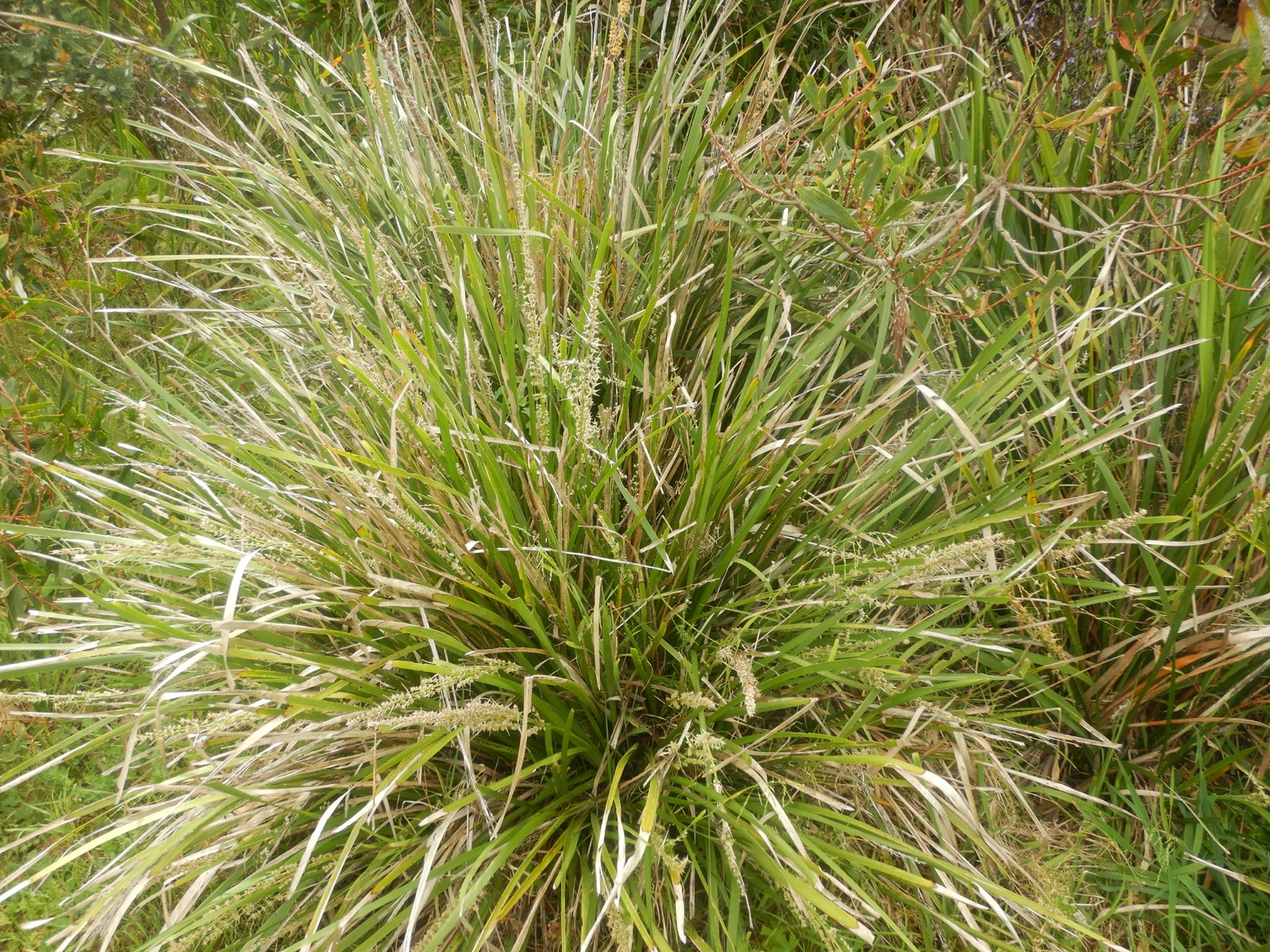
Lime Tuff is a compact, evergreen Australian perennial with narrow, lime-green leaves that form a rounded, grass-like clump. Gardeners use it for year-round edging, mass planting and containers because it tolerates heat, coastal exposure and dry spells once established. Often sold as Lomandra longifolia 'Lime Tuff', it is also described as a hybrid lomandra.
At a glance
- Sun
- Full sun to partial shade; growth is usually denser in good light.
- Water
- Water regularly while establishing, then during prolonged dry spells. Container plants need more frequent watering.
- Soil
- Well-drained sandy, loamy or clay soil; tolerates a range of soil pH but dislikes persistently waterlogged ground.
- Height
- 1.5-2 ft (0.45-0.6 m)
- Spread
- 2-3 ft (0.6-0.9 m)
- Flowers
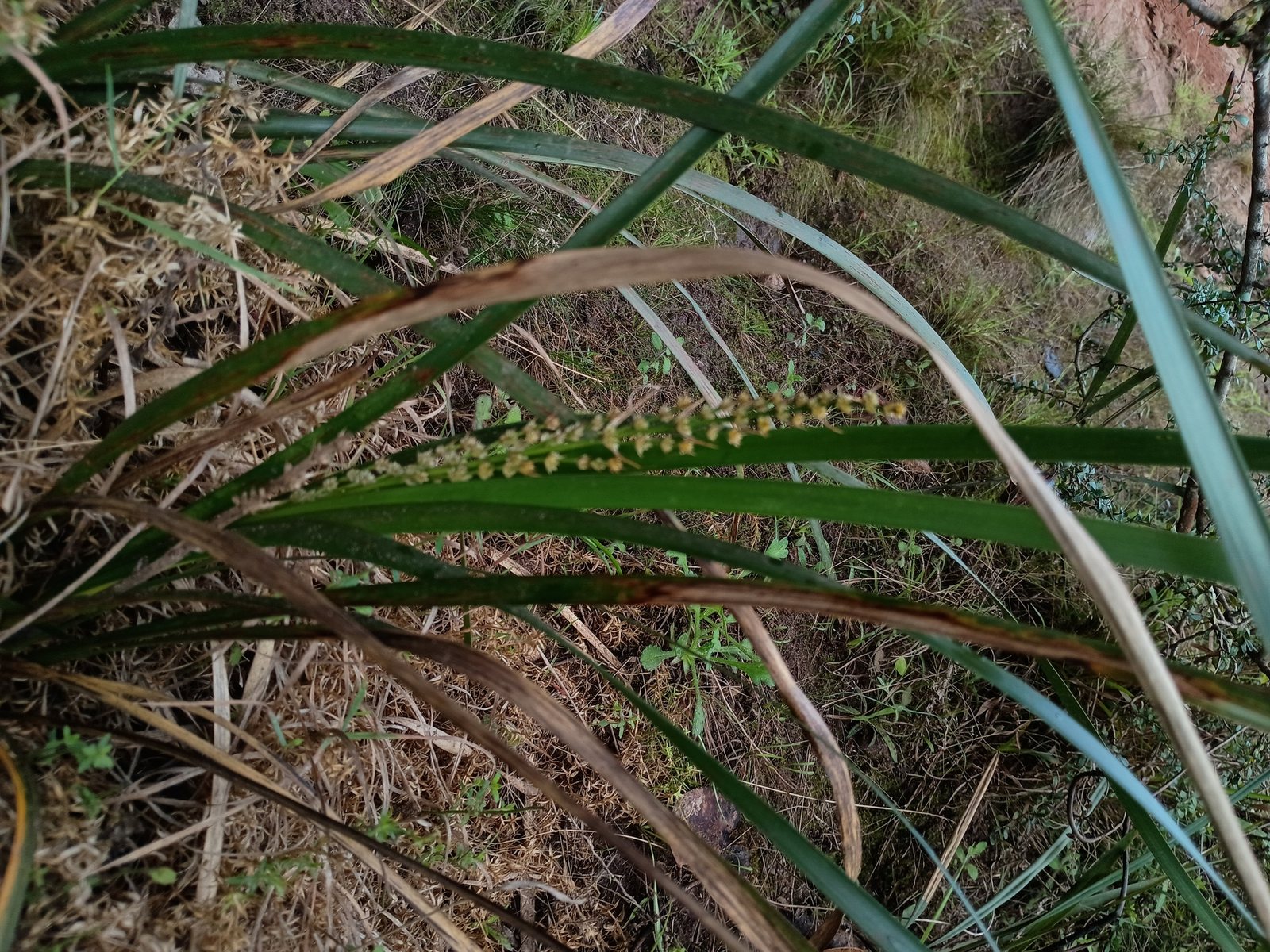
- Small cream to pale yellow flowers, often partly hidden among the leaves, in spring and summer.
- Foliage
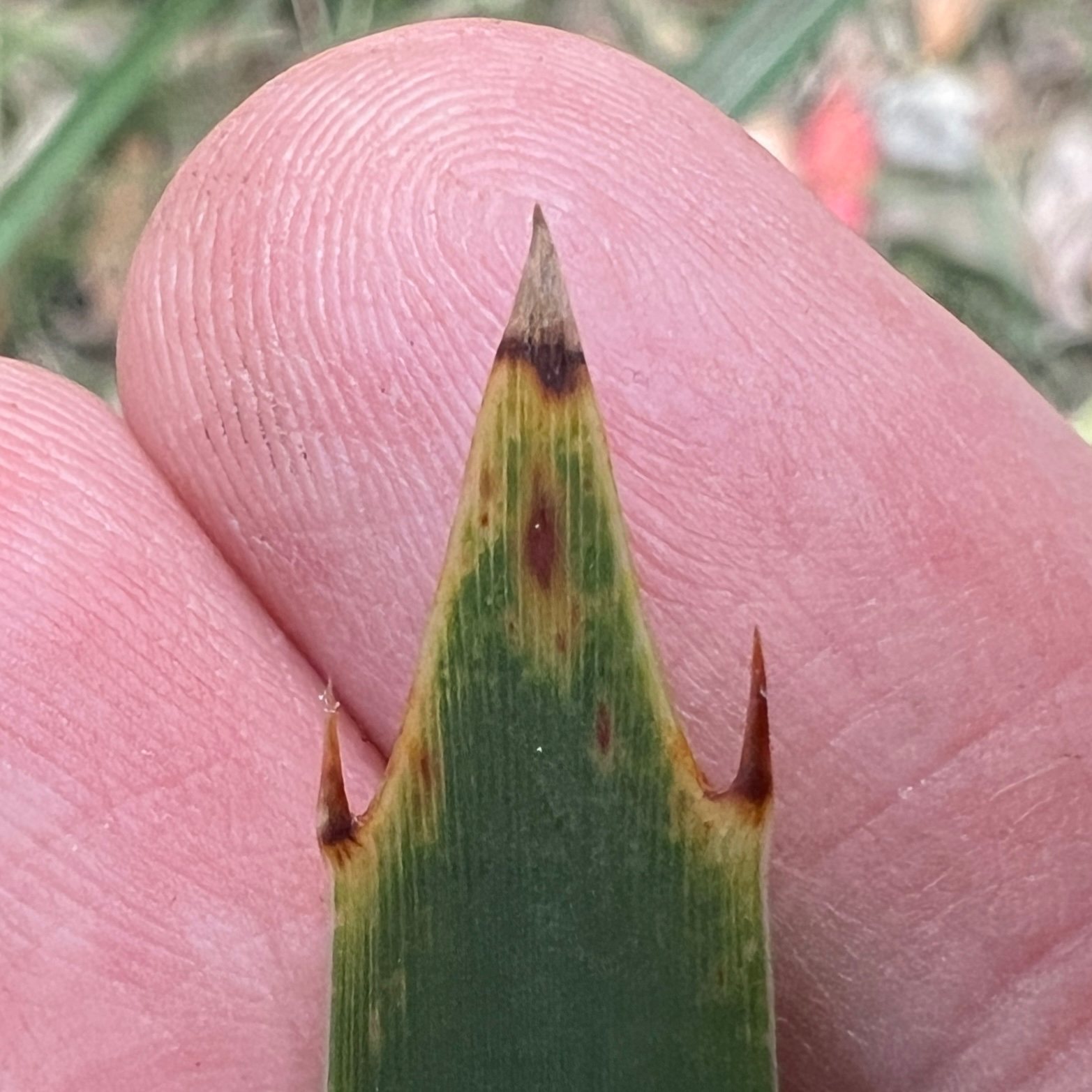
- Fine, arching, strap-shaped leaves, bright lime green to yellow-green; forms a dense evergreen mound.
- Growth
- Moderate
- Care needed
- Low
The year at a glance
- Pollinators
- Drought tolerant
- Heat tolerant
- Wildlife
| J | F | M | A | M | J | J | A | S | O | N | D | |
|---|---|---|---|---|---|---|---|---|---|---|---|---|
| Plant |
Northern hemisphere months. In Australia, shift them by six.
- Difficulty
- Moderate
- Toughness
- Fairly tough
Will it suit your garden?
Pick your zone, country, light and whether you have pets.
Full sun is 6 or more hours of direct sun a day, part shade 3 to 6 hours, shade under 3.
How it grows
Planting day
1 ft (0.3 m)
After 1 year
1.2 ft (0.37 m)
After 2 years
1.5 ft (0.45 m)
After 3 years
1.7 ft (0.53 m)
full size
About 3 years to full size.
From a typical nursery size, at an average rate for this kind of plant. A rule of thumb, not a forecast.
Good to know
- Cats and dogs
- Mildly toxic: may upset a stomach
- Native to
- Australia
- Growth rate
- Moderate
Care
Jobs through the year
- WaterApr–May, Sep–Oct, every 21 days
- Water established ground plants only if dry; young plants and containers need more frequent checks.
- WaterJun–Aug, every 14 days
- Water established ground plants deeply during prolonged dry spells; water new plants more often.
- PruneApr–May
- Remove dead leaves after severe frosts; cut very untidy clumps to 15 cm only as growth resumes.
- FeedMay
- Apply a light slow-release feed only if growth is weak.
- MulchMay
- Refresh mulch around the clump, leaving the crown exposed.
- DivideMay
- Divide only overcrowded mature clumps and keep divisions watered until established.
- ProtectJan–Mar, Nov–Dec
- In zones 6–7, overwinter containers under bright frost-free cover; avoid winter-wet soil everywhere.
- Plant with the crown level with the soil surface, leaving room for the clump to widen.
- Water deeply through the first growing season, allowing the surface soil to dry between waterings.
- Apply a light dressing of slow-release fertiliser in spring if growth is weak; avoid heavy feeding.
- Spread mulch around the plant but keep it clear of the crown.
- Use a pot with drainage holes and protect container roots from prolonged freezing.
Pruning. Pull out or cut away dead leaves in late winter or early spring. If an established clump becomes badly untidy, cut it back to about 6 in (15 cm) above the ground as warm-season growth begins; annual shearing is unnecessary.
Through the year
- Spring
- Plant in prepared, well-drained soil once severe frost has passed.
- Spring
- Remove dead foliage and give a light feed if needed.
- Summer
- Water new plants deeply during dry weather; check pots more frequently.
- Early autumn
- Plant in mild climates while the soil is warm, allowing time for roots to establish before winter.
- Late autumn
- Check drainage and move pots under shelter where winters are wet or frosty.
- Winter
- Leave healthy foliage intact and avoid watering already wet soil.
In the garden
- Repeat along paths and driveways for a soft, consistent evergreen edge.
- Mass on sunny banks with coastal rosemary and other drought-tolerant shrubs.
- Use in simple containers where the arching lime-green foliage softens paving and walls.
- Plant beside dark-leaved shrubs or broad-leaved perennials for colour and texture contrast.
Garden styles it suits: Modern, Contemporary minimal, Australian native, Coastal, Low-maintenance and Dry gravel garden.
Plant it with: Coastal rosemary, Rosemary, Kangaroo paw, Agapanthus and Blue fescue.
Wildlife: Flowers can attract small insects, and dense clumps provide shelter for ground-dwelling invertebrates.
Problems to watch for
- Root or crown rot in waterlogged soil: improve drainage, keep mulch away from the crown and reduce watering.
- Brown or collapsed foliage after hard frost: leave damaged growth until severe frosts have passed, then trim it away; use a sheltered position in colder gardens.
- Brown leaf tips during establishment or in pots: check the root ball for dryness and water thoroughly rather than giving frequent small splashes.
Safety
Not known to be toxic to people, cats, dogs or horses. Cultivar-specific safety information is limited; it is an ornamental plant rather than a food plant, and chewing the tough leaves may cause irritation or digestive upset.
Easily confused with
Spiny-headed mat rush (Lomandra longifolia)
Typical species plants are usually larger and coarser, with broader, darker leaves and more conspicuous flower clusters than Lime Tuff.
Lilyturf (Liriope muscari)
Lilyturf has broader, usually darker leaves and upright spikes of purple or white flowers, sometimes followed by dark berries.
New Zealand flax (Phormium tenax)
New Zealand flax has much broader, stiffer, sword-shaped leaves arranged in distinct fans and usually grows substantially larger.
The name
The species name longifolia comes from Latin words meaning 'long-leaved'.
Propagation. Division of established clumps in spring preserves the cultivar's characteristics. Seed will not reliably produce identical plants; check applicable plant breeders' rights or patent restrictions before propagating.
Checked against open data
- Accepted botanical name
- Lomandra longifolia
- Native range
- New South Wales, Queensland, South Australia, Tasmania and Victoria.
- Measured
- Average height 80 cm.
Sources: GBIF (CC BY 4.0) and Trefle (CC BY 4.0). The care and design notes are LandscapeGPT's own.
See it in your own yard.
Upload a photo of your yard and see it redesigned with plants that suit your climate, each checked against your zone.