Lisianthus
Eustoma grandiflorum. Family Gentianaceae. Annual.
Also called Prairie gentian, Texas bluebell, Eustoma russellianum.
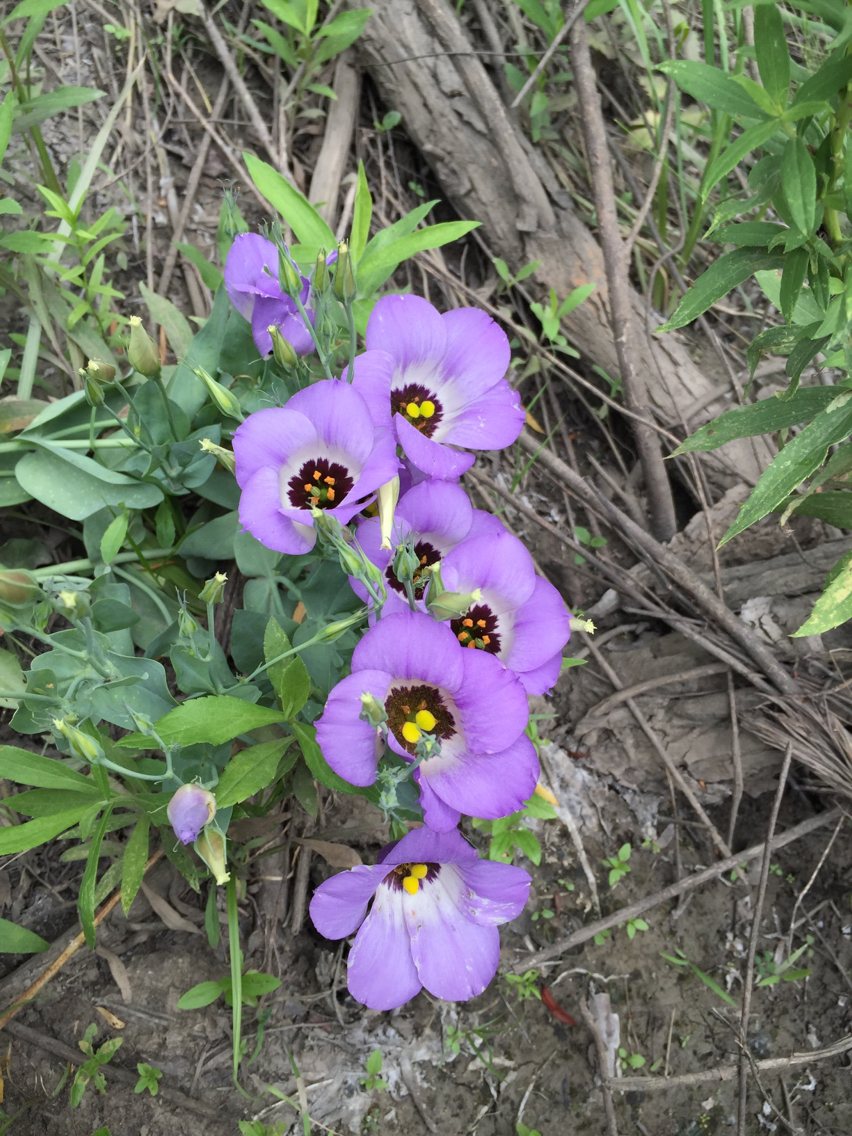
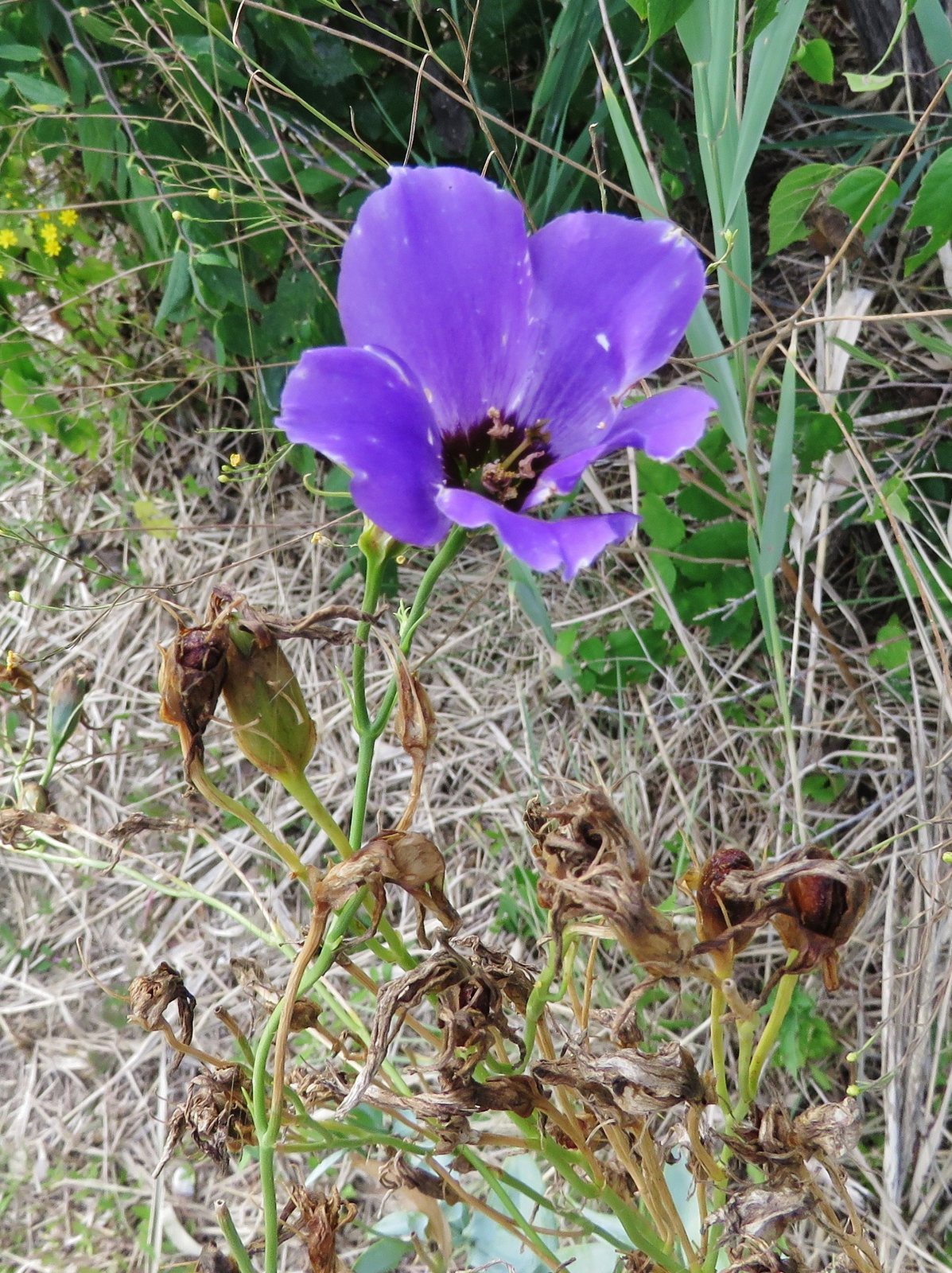
Lisianthus is a frost-tender, short-lived perennial grown as an annual for its rose-like flowers and long-lasting cut stems. Its blue-green foliage and white, pink, purple or bicoloured blooms suit borders and containers, but it needs a long growing season and careful watering.
At a glance
- Sun
- Full sun; light afternoon shade helps in very hot climates.
- Water
- Keep the root zone evenly moist but never waterlogged. Water at soil level and let the surface begin to dry between waterings.
- Soil
- Fertile, well-drained soil, preferably neutral to slightly alkaline. Avoid heavy, wet ground and strongly acidic soil.
- Height
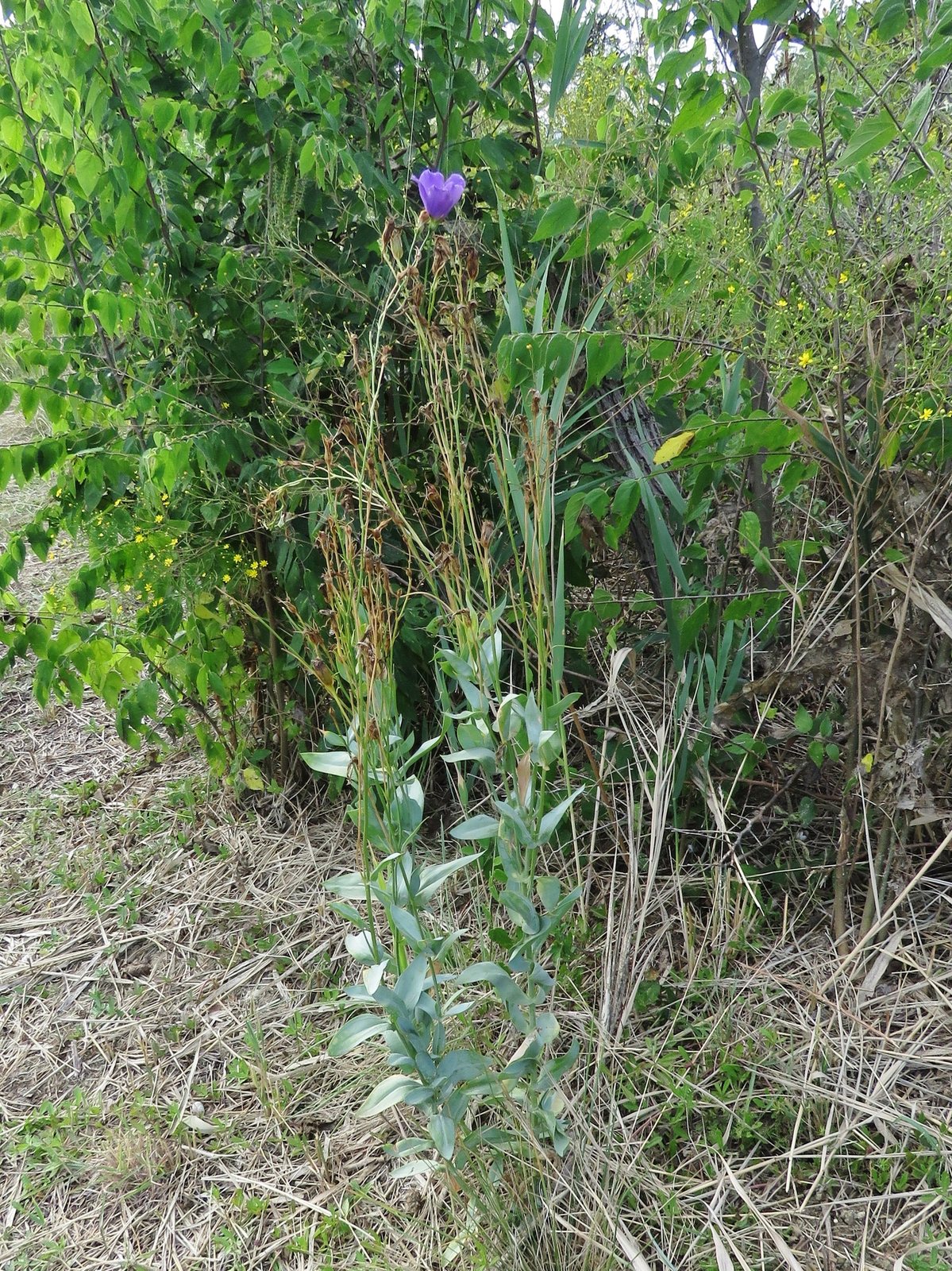
- 1-3 ft (0.3-0.9 m), depending on cultivar
- Spread
- 0.5-1 ft (0.15-0.3 m)
- Flowers
- Summer to early autumn; white, cream, pink, lavender, purple and bicolours, with single or double flowers.
- Foliage
- Smooth, oval, blue-green leaves in opposite pairs on upright stems.
- Growth
- Slow from seed; established young plants grow steadily in warm weather.
- Care needed
- Medium
The year at a glance
- Pollinators
- Low allergen
| J | F | M | A | M | J | J | A | S | O | N | D | |
|---|---|---|---|---|---|---|---|---|---|---|---|---|
| Flowers | ||||||||||||
| Plant |
Northern hemisphere months. In Australia, shift them by six.
- Difficulty
- Moderate
- Toughness
- Needs looking after
Will it suit your garden?
Pick your zone, country, light and whether you have pets.
Full sun is 6 or more hours of direct sun a day, part shade 3 to 6 hours, shade under 3.
How it grows
Planting day
0.5 ft (0.15 m)
After 1 year
2 ft (0.6 m)
full size
Full size in one season.
From a typical nursery size, at an average rate for this kind of plant. A rule of thumb, not a forecast.
Good to know
- Cats and dogs
- Safe
- Native to
- the US
- Growth rate
- Slow
Care
Jobs through the year
- WaterMay–Jun, every 7 days
- For established plants in the ground, water as the surface dries; new transplants need closer checks.
- WaterJul–Aug, every 4 days
- Keep established plants evenly moist in dry weather, watering soil rather than flowers.
- WaterSep–Oct, every 7 days
- Water if the surface begins to dry, reducing watering in cool or rainy weather.
- FeedMay–Jun
- Work mature compost into the bed before planting; avoid excessive feeding.
- MulchMay–Jun
- Apply a thin mulch after planting, keeping it clear of stems.
- ProtectMay–Jun
- Plant after frost risk passes and install stakes or netting for tall cultivars.
- DeadheadJul–Oct, every 7 days
- Cut faded flowers back to healthy leaves or a side shoot.
- PruneOct–Nov
- Remove plants after frost or flowering ends; discard any rotting material.
- Plant sturdy young plants outside after frost risk has passed and the soil has warmed; disturb their roots as little as possible.
- Water deeply at soil level, keeping moisture consistent without leaving the roots wet.
- Work compost into the bed before planting; feed container plants with a balanced liquid fertiliser at the label rate.
- Support tall cultivars with discreet stakes or flower netting before the stems become top-heavy.
- Keep mulch thin and clear of the stems to reduce crown rot.
Pruning. Remove faded flowers by cutting back to a healthy pair of leaves or a side shoot. When cutting stems for a vase, leave several leaf pairs near the base to support possible further flowering.
Through the year
- Late winter
- If growing from seed, surface-sow indoors under lights about 16-20 weeks before your expected last frost; seedlings develop slowly.
- Spring
- Prepare a sunny, well-drained bed and buy young plants if you do not have suitable seed-starting conditions.
- Late spring
- Harden off young plants and plant out after frost risk has passed, spacing them roughly 6-12 in (15-30 cm) apart.
- Early summer
- Install supports for tall cultivars and check soil moisture regularly.
- Summer
- Cut flowers or remove faded blooms, water at soil level and feed container plants as directed.
- Autumn
- Remove plants after frost or once flowering finishes; discard any plants showing rot rather than composting them.
In the garden
- Plant in small groups near the front or middle of a sunny border for soft colour and upright flower stems.
- Combine with airy grasses and fine-textured annuals to contrast with the rounded flowers.
- Use compact cultivars in well-drained patio containers where their flowers can be seen closely.
- Grow tall cultivars in a dedicated cutting bed with netting to keep stems straight.
- Choose white-flowered forms for pale evening planting schemes.
Garden styles it suits: Cottage garden, Romantic rose garden, English country, Pastel border, White garden and Modern courtyard.
Plant it with: Snapdragons, Cosmos, Salvia, Verbena, Zinnias and Dwarf fountain grass.
Wildlife: Open, single flowers can provide pollen and nectar for visiting insects. Densely double cultivars offer less accessible food.
Problems to watch for
- Root and crown rot: improve drainage, avoid overwatering and keep the crown clear of mulch; remove badly affected plants.
- Grey mould on flowers and stems: space plants for airflow, avoid wetting the flowers and promptly remove mouldy material.
- Thrips: watch for scarred petals and distorted buds; remove badly damaged flowers and use a locally approved treatment if necessary.
- Seedlings remaining as low rosettes: excessive heat during early growth can delay flowering; raise seedlings in bright, moderate conditions or buy healthy young plants.
Safety
Lisianthus is not known to be toxic to people, cats, dogs or horses; no plant part is recognised as seriously poisonous. It is not an edible plant, and eating plant material may still cause stomach upset.
Easily confused with
Rose (Rosa spp.)
Double lisianthus flowers resemble roses, but lisianthus has soft, thornless stems and simple, opposite blue-green leaves rather than woody stems and compound, usually toothed leaves.
Canterbury bells (Campanula medium)
Single lisianthus flowers can look bell-shaped, but Canterbury bells have more distinctly tubular bells arranged along a leafy flowering stem and greener, toothed leaves.
The name
Eustoma comes from Greek words meaning 'beautiful mouth', referring to the flower opening, while grandiflorum means 'large-flowered'.
Propagation. Usually grown from seed, although buying young plants is much easier. Surface-sow the tiny seeds because they need light, keep them moist at about 68-75°F (20-24°C), and allow roughly 5-6 months from sowing to flowering; timing varies with cultivar and conditions. Seed from hybrids may not resemble the parent.
Checked against open data
- Accepted botanical name
- Eustoma russellianum Eustoma grandiflorum is an older name for Eustoma russellianum.
- In the US and Canada
- Native in the lower 48 states.
- Native range
- Arkansas, Colorado, Kansas, Louisiana, Mexico Northeast, Montana, Nebraska, New Mexico, Oklahoma, South Dakota, Texas and Wyoming.
Sources: GBIF (CC BY 4.0), USDA PLANTS and Trefle (CC BY 4.0). The care and design notes are LandscapeGPT's own.
See it in your own yard.
Upload a photo of your yard and see it redesigned with plants that suit your climate, each checked against your zone.