Little Goldstar black-eyed Susan
Rudbeckia fulgida 'Little Goldstar'. Family Asteraceae. Perennial.
Also called Rudbeckia fulgida 'Little Goldstar', Little Goldstar coneflower.
Little Goldstar is a compact, clump-forming perennial with golden-yellow daisies and dark brown centres. It brings a long run of late-season colour to small borders and containers without the height of many other black-eyed Susans.
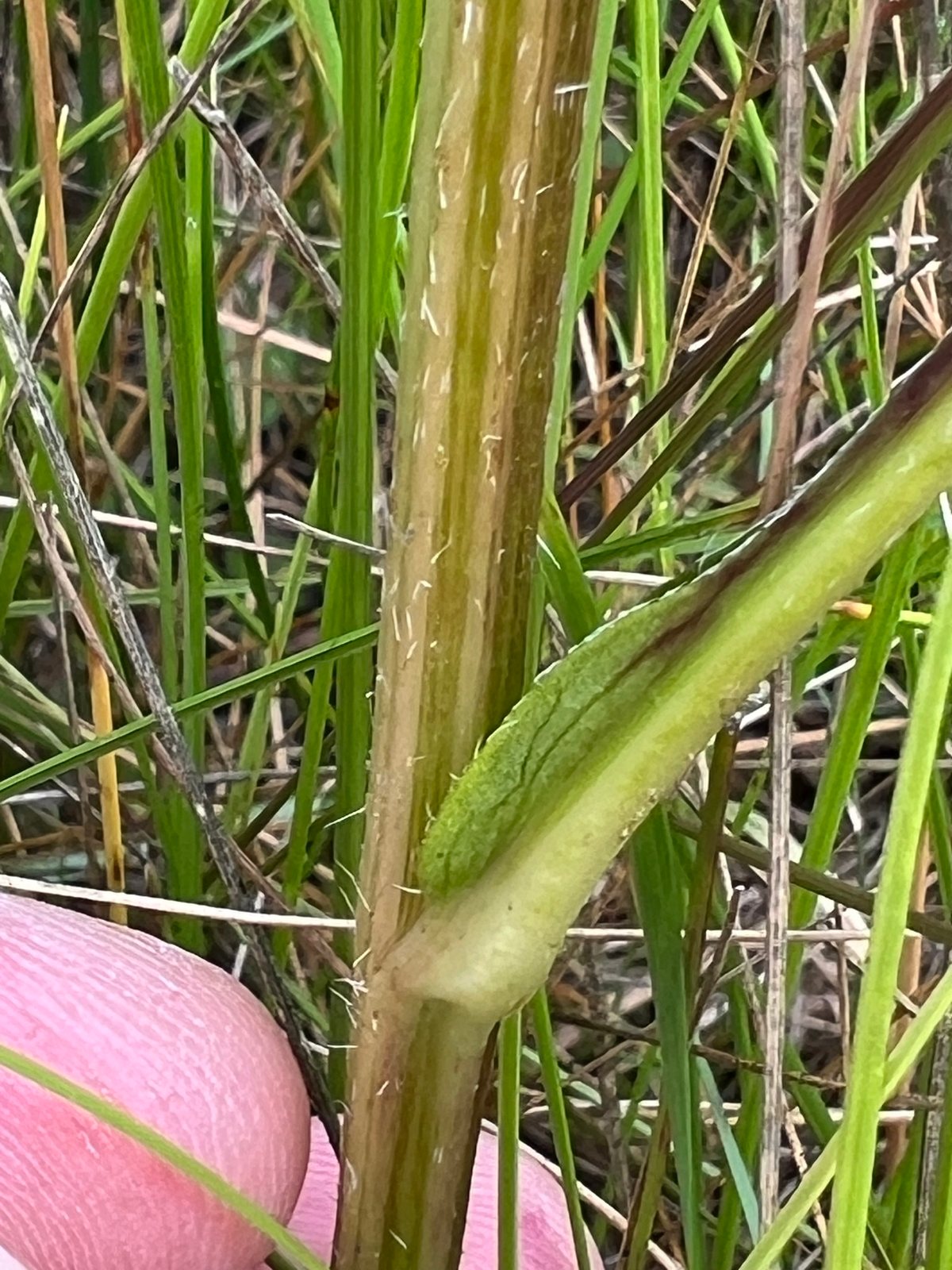
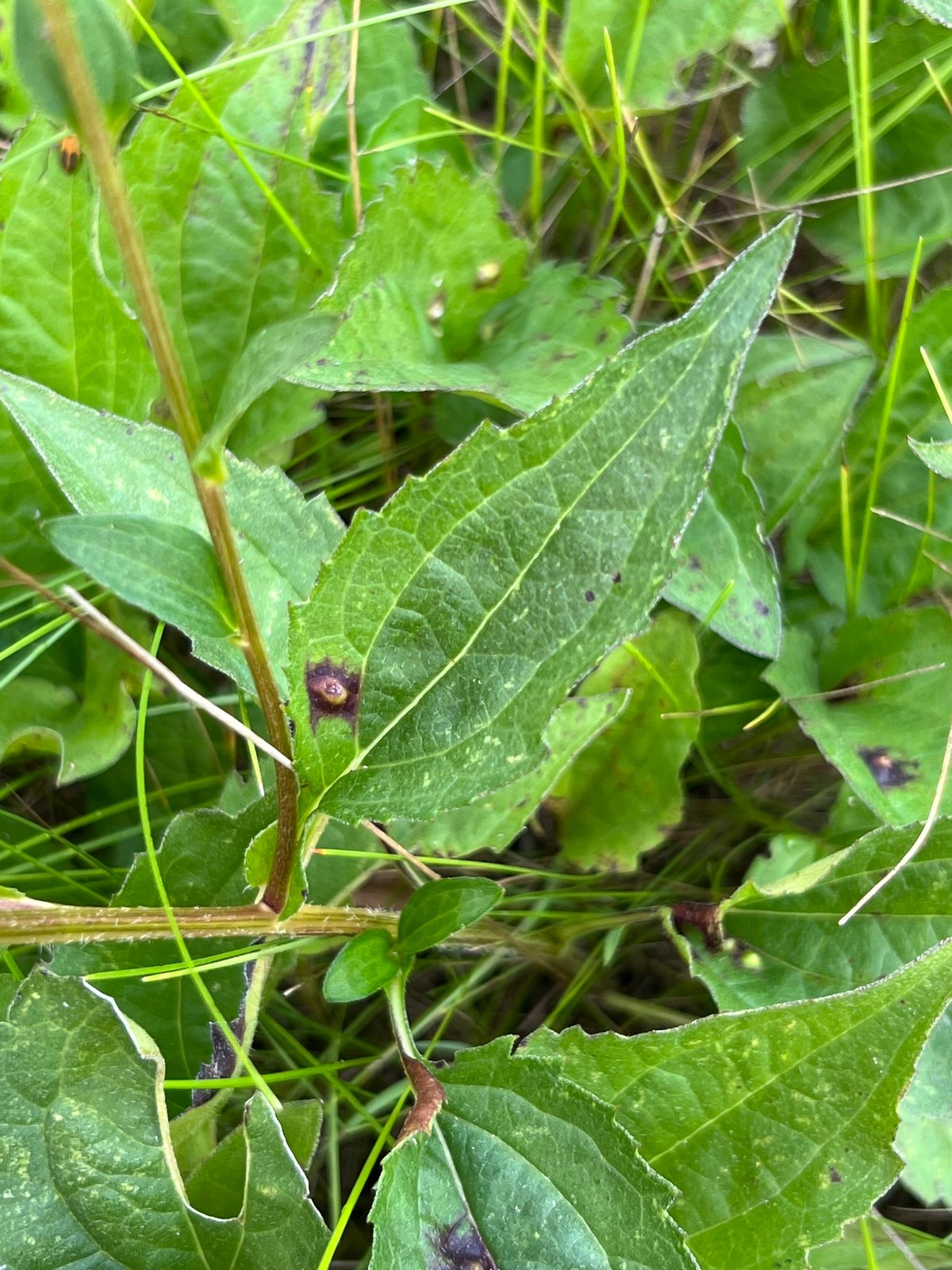
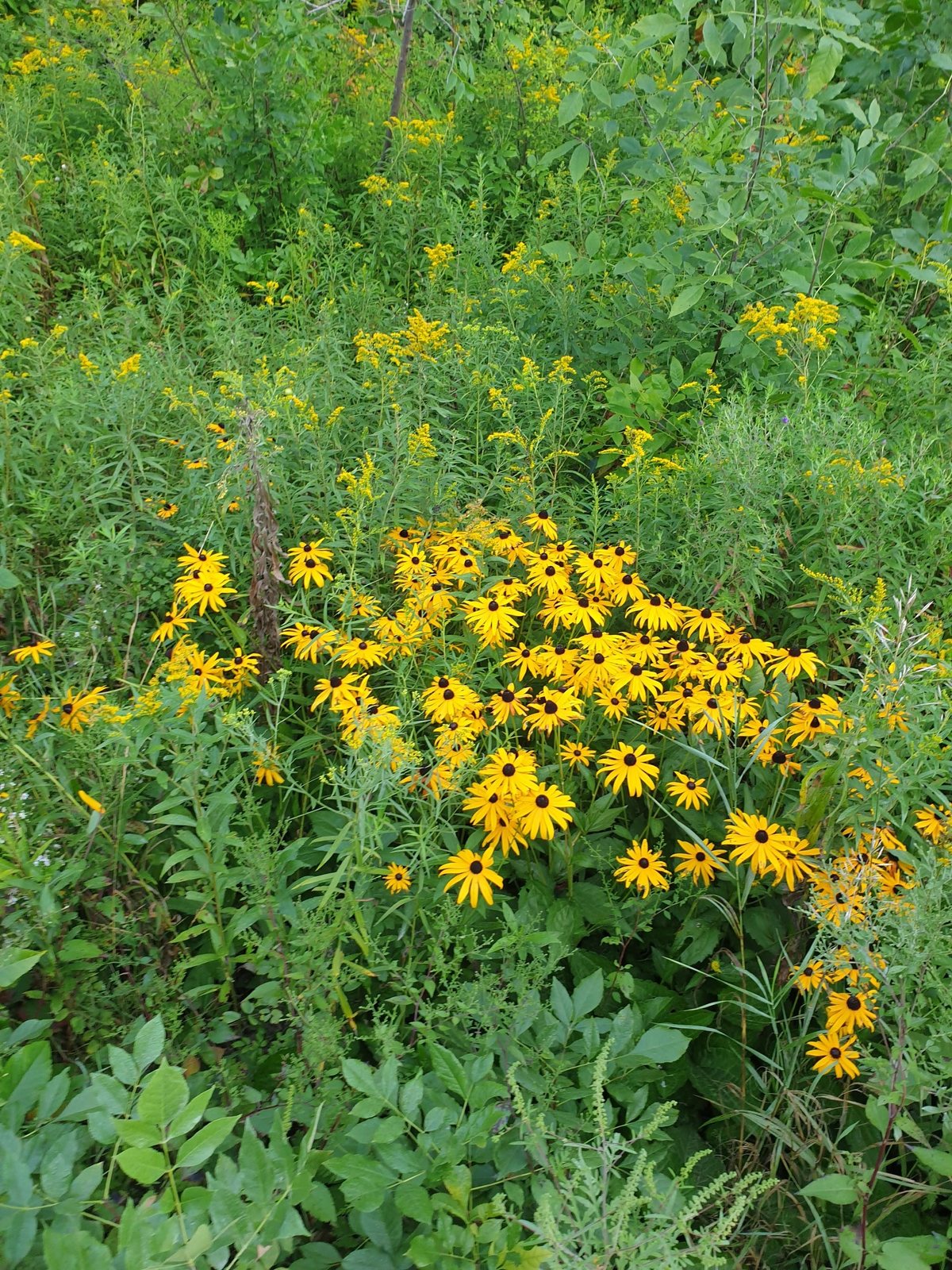
At a glance
- Sun
- Full sun is best; tolerates light partial shade but may flower less.
- Water
- Keep evenly moist while establishing. Once established, water during prolonged dry spells; flowering is best when the soil does not dry out completely.
- Soil
- Moderately fertile, moisture-retentive but well-drained soil. Tolerates clay if it is not waterlogged, and a broad range of soil pH.
- Height
- 1-1.5 ft (0.3-0.45 m)
- Spread
- 1-1.5 ft (0.3-0.45 m)
- Flowers
- Summer into autumn; golden-yellow petals around raised, dark brown centres.
- Foliage
- Dark green, rough-textured, oval to lance-shaped leaves form a low mound; foliage dies back in winter.
- Growth
- Moderate; forms a fuller clump over two to three growing seasons.
- Care needed
- Low
The year at a glance
- Pollinators
- Deer resistant
- Cold hardy
- Heat tolerant
- Wildlife
- Low allergen
| J | F | M | A | M | J | J | A | S | O | N | D | |
|---|---|---|---|---|---|---|---|---|---|---|---|---|
| Flowers | ||||||||||||
| Fruit | ||||||||||||
| Plant |
Northern hemisphere months. In Australia, shift them by six.
- Difficulty
- Easy
- Toughness
- Fairly tough
Will it suit your garden?
Pick your zone, country, light and whether you have pets.
Full sun is 6 or more hours of direct sun a day, part shade 3 to 6 hours, shade under 3.
How it grows
Planting day
1 ft (0.3 m)
After 1 year
1.1 ft (0.32 m)
After 2 years
1.1 ft (0.35 m)
After 3 years
1.2 ft (0.38 m)
full size
About 3 years to full size.
From a typical nursery size, at an average rate for this kind of plant. A rule of thumb, not a forecast.
Good to know
- Cats and dogs
- Safe
- Native to
- the US and Canada
- Growth rate
- Moderate
Care
Jobs through the year
- WaterApr–May, Sep–Oct, every 14 days
- Check established clumps and soak if dry; water first-year plants more often to maintain even moisture.
- WaterJun–Aug, every 7 days
- Water established clumps deeply in dry weather, skipping when rain keeps the root zone moist.
- MulchApr–May
- Apply a thin compost dressing and moisture-conserving mulch, leaving the crown clear.
- DivideMar–Apr
- Divide crowded clumps every three to four years if flowering declines, where propagation rights permit.
- PruneFeb–Mar
- Cut dead stems near ground level before fresh shoots emerge.
- DeadheadJul–Sep
- Remove faded flower stems for tidiness, leaving the final seed heads for birds.
- ProtectMar–May
- Protect emerging shoots by hand-picking slugs or using labelled iron-phosphate bait.
- Water deeply during the first growing season, allowing the surface soil to dry slightly between waterings.
- Apply a thin layer of compost in spring; avoid heavy feeding, which encourages leafy growth.
- Mulch around the clump to conserve moisture, keeping mulch away from the crown.
- Water at soil level and leave space between plants to reduce leaf disease.
- Divide crowded clumps in spring every three to four years if flowering declines, subject to any applicable plant-protection restrictions.
Pruning. Remove faded flower stems during summer if you want a tidier display, or leave the last seedheads for birds and winter structure. Cut dead stems back close to the ground in late winter or early spring before new growth develops.
Through the year
- Late winter
- Cut down old stems before fresh shoots emerge, unless they were removed in autumn.
- Spring
- Plant into workable, well-drained soil and water thoroughly; divide overcrowded established clumps where propagation rights allow.
- Late spring
- Apply compost and mulch, keeping the crown clear, and check young shoots for slug damage.
- Summer
- Water during extended dry weather and remove faded flowers if desired.
- Autumn
- Leave some seedheads for birds and avoid cutting healthy stems down solely for tidiness.
In the garden
- Plant along the front of sunny borders for a low band of late-season yellow.
- Repeat small groups among ornamental grasses and purple-flowered perennials for a compact prairie-style planting.
- Use beside paths where its short stems keep flowers at the edge without blocking views.
- Grow in roomy containers with drainage holes, checking moisture more often than in the ground.
Garden styles it suits: Cottage garden, New perennial (prairie), Pollinator garden, Low-maintenance, Small-space and Autumn colour.
Plant it with: Purple coneflower, Meadow sage, Catmint, Autumn stonecrop, Prairie dropseed and Hardy asters.
Wildlife: The open flowers provide pollen and nectar for bees, butterflies and other insects. Finches and other seed-eating birds may visit seedheads left standing into winter.
Problems to watch for
- Leaf spots: remove badly affected foliage and fallen leaves, water at soil level, and improve spacing and airflow.
- Powdery mildew: avoid drought stress and overcrowding; remove heavily affected leaves.
- Slugs and snails: protect emerging spring shoots with hand-picking, traps or an appropriately labelled iron-phosphate bait.
- Crown or root rot: avoid waterlogged sites and keep mulch off the crown; lift affected plants and improve drainage.
Safety
Not known to be toxic to people, cats, dogs or horses. No part is intended as food; eating plant material may cause stomach upset, and handling the rough foliage can irritate sensitive skin.
Easily confused with
Goldsturm black-eyed Susan (Rudbeckia fulgida var. sullivantii 'Goldsturm')
Very similar yellow flowers with dark centres, but usually grows about 2-3 ft (0.6-0.9 m) tall rather than forming Little Goldstar's low mound.
Black-eyed Susan (Rudbeckia hirta)
Usually has more conspicuously bristly stems and leaves and is often annual or short-lived; flower size and colour vary widely among cultivars.
Brown-eyed Susan (Rudbeckia triloba)
A much taller, more openly branched plant with many smaller flowers; some lower leaves have three lobes.
The name
Rudbeckia honours the Swedish botanists Olof Rudbeck the elder and younger, while black-eyed Susan refers to the flower's dark central cone.
Propagation. Seed does not reliably reproduce this cultivar's compact habit. Division in spring produces matching plants, but this is a protected cultivar in some markets; check applicable propagation rights before multiplying it.
Checked against open data
- Accepted botanical name
- Rudbeckia fulgida
- In the US and Canada
- Native in the lower 48 states. Introduced in Canada.
- Native range
- Alabama, Arkansas, Connecticut, Delaware, Florida, Georgia, Illinois, Indiana, Kentucky, Maryland, Masachusettes and Michigan.
Sources: GBIF (CC BY 4.0), USDA PLANTS and Trefle (CC BY 4.0). The care and design notes are LandscapeGPT's own.
See it in your own yard.
Upload a photo of your yard and see it redesigned with plants that suit your climate, each checked against your zone.