Little Spire Russian sage
Salvia yangii 'Little Spire'. Family Lamiaceae. Perennial.
Also called Perovskia atriplicifolia 'Little Spire', Salvia yangii 'Little Spire'.
Little Spire is a compact, woody-based perennial with aromatic grey-green leaves and airy spikes of lavender-blue flowers. It brings long-lasting summer colour to sunny, dry borders and stays smaller and more upright than typical Russian sage.
At a glance
- Sun
- Full sun; shade reduces flowering and encourages floppy growth.
- Water
- Water regularly during establishment, allowing the soil to dry between waterings. Established plants need little extra water except during prolonged drought.
- Soil
- Well-drained sandy, gravelly or loamy soil; tolerates poor soil and a broad pH range. Avoid waterlogged ground, especially in winter.
- Height
- 2-3 ft (0.6-0.9 m)
- Spread
- 1.5-2.5 ft (0.45-0.75 m)
- Flowers
- Lavender-blue flowers from midsummer into autumn, with timing and duration depending on climate.
- Foliage
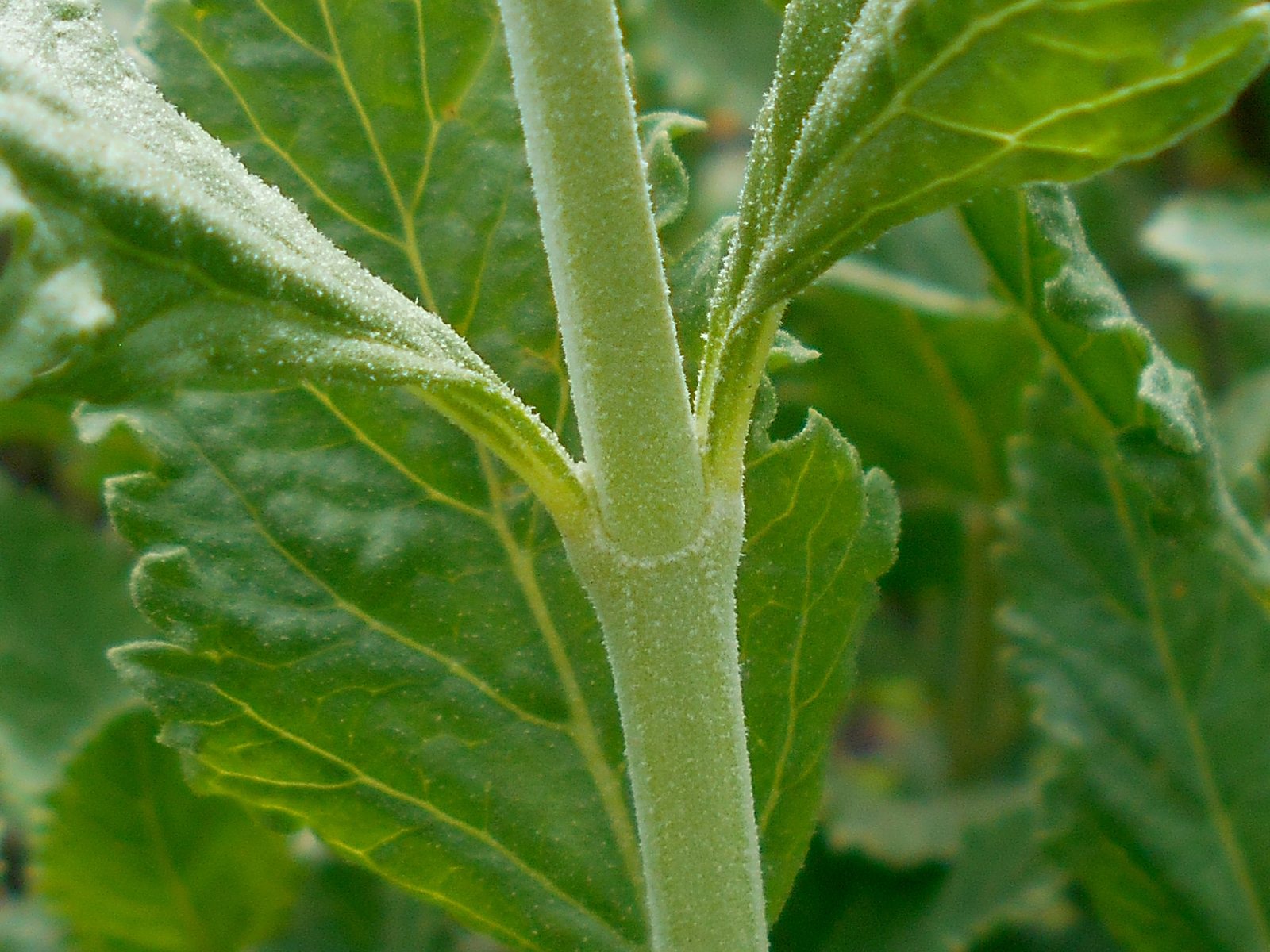
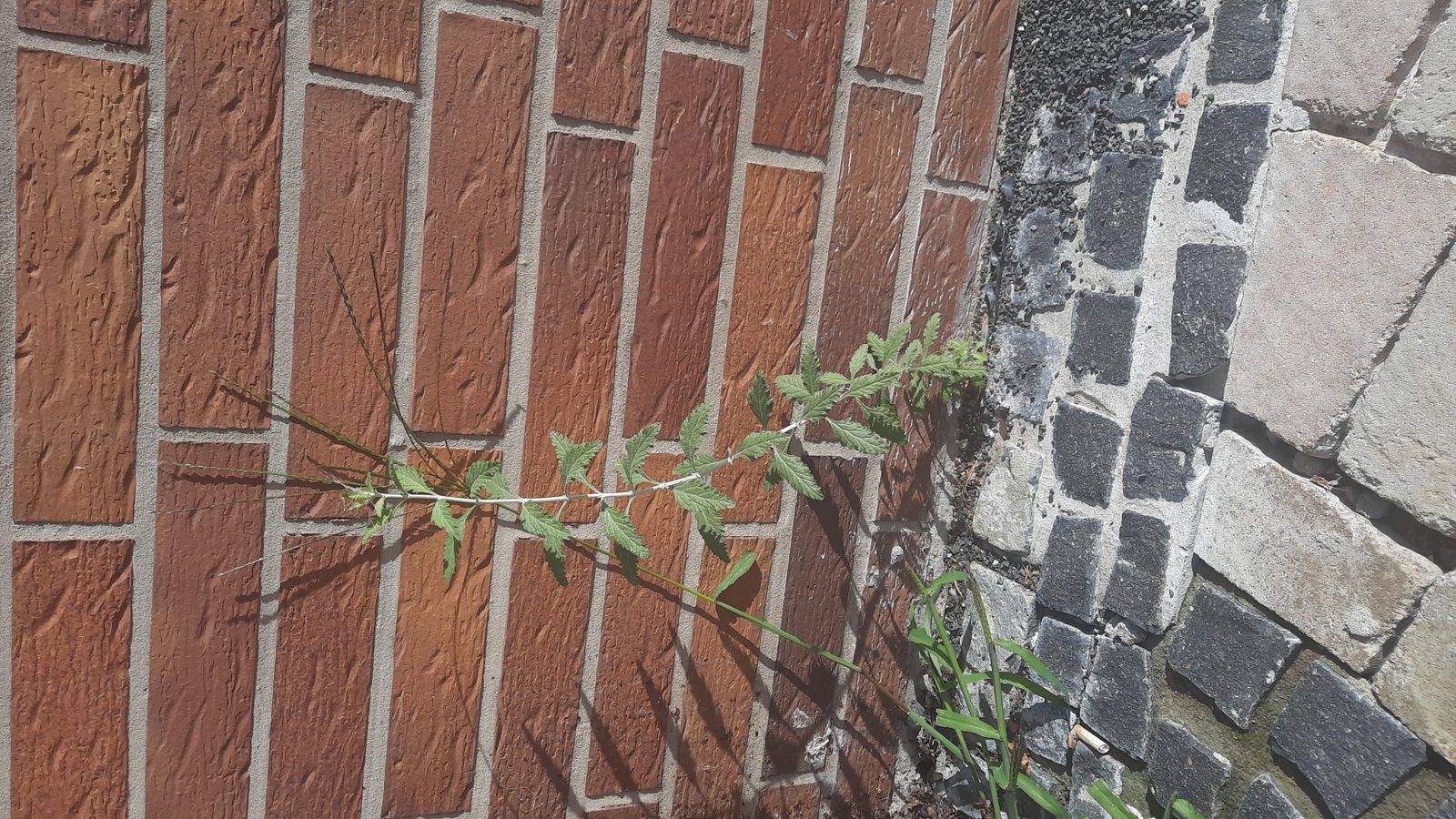
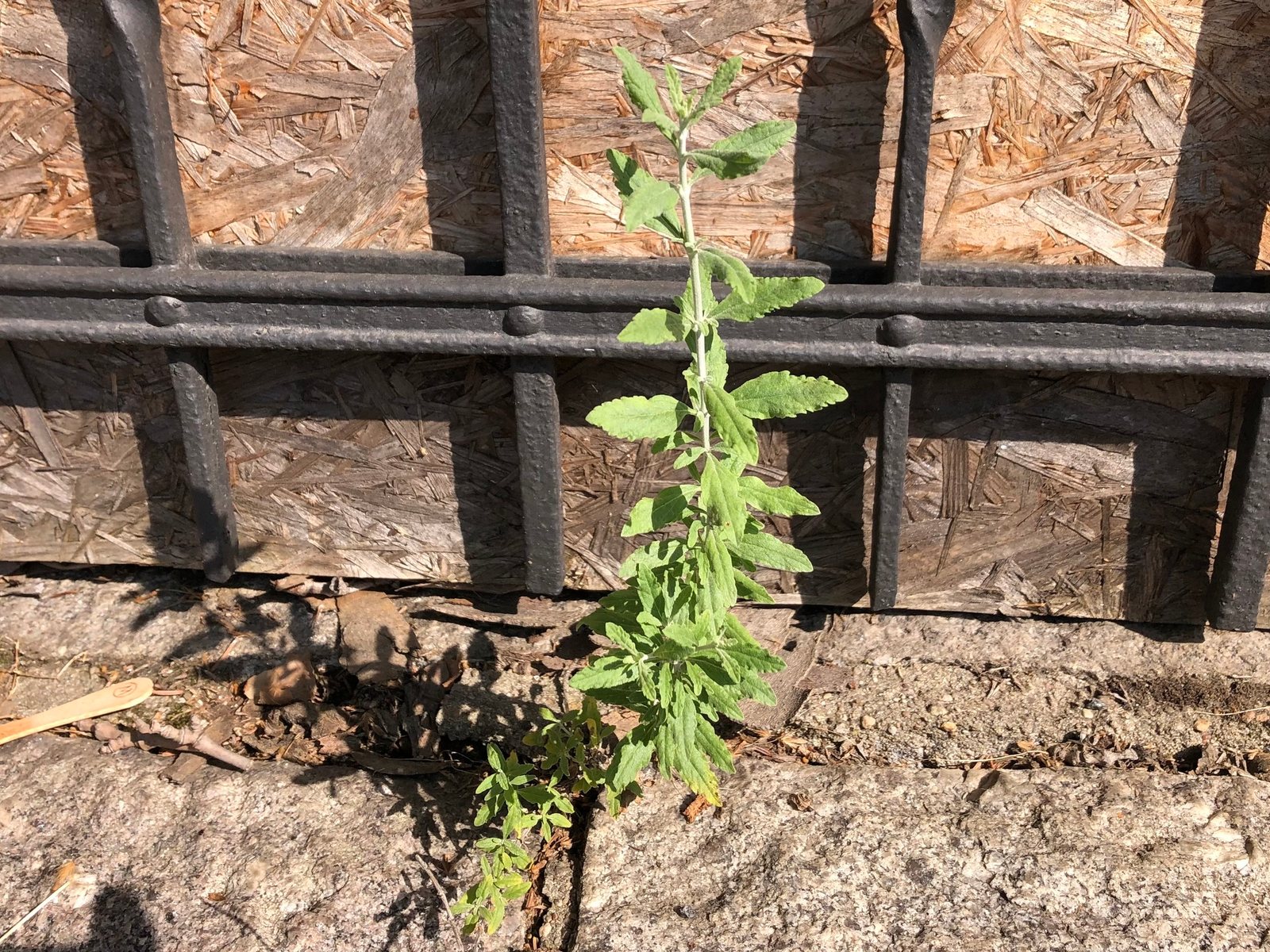
- Small, narrow, lobed grey-green leaves with a strong herbal scent when rubbed; pale, upright stems.
- Growth
- Moderate; usually fills out within two to three growing seasons.
- Care needed
- Low
The year at a glance
- Pollinators
- Deer resistant
- Drought tolerant
- Heat tolerant
- Low allergen
- Fragrant
| J | F | M | A | M | J | J | A | S | O | N | D | |
|---|---|---|---|---|---|---|---|---|---|---|---|---|
| Flowers | ||||||||||||
| Plant |
Northern hemisphere months. In Australia, shift them by six.
- Difficulty
- Easy
- Toughness
- Very tough
Will it suit your garden?
Pick your zone, country, light and whether you have pets.
Full sun is 6 or more hours of direct sun a day, part shade 3 to 6 hours, shade under 3.
How it grows
Planting day
1 ft (0.3 m)
After 1 year
1.5 ft (0.45 m)
After 2 years
2 ft (0.6 m)
After 3 years
2.5 ft (0.75 m)
full size
About 3 years to full size.
From a typical nursery size, at an average rate for this kind of plant. A rule of thumb, not a forecast.
Good to know
- Cats and dogs
- Safe
- Growth rate
- Moderate
Care
Jobs through the year
- WaterApr–May, Sep, every 21 days
- Water established plants only in prolonged drought; water new plants more often, allowing soil to dry between.
- WaterJun–Aug, every 14 days
- Water established plants deeply only if drought persists; avoid routinely wet soil.
- PruneMar–Apr
- After severe frost, cut old stems to 15–30 cm above low live buds and remove dead stems.
- MulchApr–May
- Use a thin gravel mulch and keep damp organic material away from the crown.
- ProtectOct–Nov
- Clear wet debris from the base, ensure drainage, and leave stems standing until spring.
- Water deeply through the first growing season, but let the soil dry between waterings.
- Avoid routine feeding; rich soil and excess nitrogen encourage weak, floppy stems.
- Use gravel mulch around the base and keep damp organic mulch away from the crown.
- Leave enough space for air to circulate and neighbouring plants not to shade the base.
- Improve drainage or plant on a raised mound if the ground stays wet in winter.
Pruning. In early spring, once severe frost has passed and buds begin to swell, cut last year's stems back to about 6-12 in (15-30 cm), retaining low live buds. Remove dead stems at the base and avoid hard autumn pruning in cold or wet climates.
Through the year
- Early spring
- Check for swelling buds, cut back old stems and remove winter-killed growth.
- Spring
- Plant in full sun once the soil is workable; water thoroughly and keep the crown at soil level.
- Late spring
- Check drainage and replace mulch with a thin layer of gravel if the base remains damp.
- Summer
- Water new plants during dry spells; water established plants only if drought is prolonged.
- Late spring to summer
- Take non-flowering cuttings if you want more plants with the same compact habit.
- Autumn
- Leave the stems standing for winter structure and postpone hard pruning until spring.
In the garden
- Plant in repeated groups through gravel gardens for a soft blue haze above silver foliage.
- Combine with ornamental grasses and coneflowers in sunny perennial borders for contrasting flower shapes and late-season interest.
- Use beside a sunny path, set back far enough that mature stems do not obstruct walking.
- Pair with lavender and compact stonecrops in dry borders where their shared need for drainage simplifies watering.
Garden styles it suits: Dry gravel garden, Mediterranean, New perennial (prairie), Pollinator garden, Low-maintenance and Desert / xeriscape.
Plant it with: Lavender, Purple coneflower, Yarrow, Feather reed grass, Autumn stonecrop and Lamb's ears.
Wildlife: Flowers attract bees and other pollinating insects. Aromatic foliage is usually avoided by deer and rabbits, although browsing can still occur.
Problems to watch for
- Root or crown rot in wet soil: improve drainage, keep mulch away from the crown and relocate plants out of winter-wet ground.
- Floppy stems or sparse flowers: provide full sun, stop nitrogen feeding and avoid excessive watering.
- Winter dieback: wait for spring buds before deciding which stems are dead, then cut back to living growth.
- Unwanted suckers: remove shoots outside the intended clump, cutting them away with their connecting roots.
Safety
Not known to be toxic to cats, dogs, horses or people, although species-specific safety information is limited. It is an ornamental plant, not a culinary sage; do not use its leaves or flowers as food.
Easily confused with
Lavender (Lavandula angustifolia)
Lavender has mostly unlobed leaves and denser flower heads on largely leafless stalks; Russian sage has branching, airy flower sprays and lobed leaves.
Catmint (Nepeta × faassenii)
Catmint usually forms a lower, spreading mound with broader, scalloped leaves rather than the upright, pale-stemmed framework of Russian sage.
Woodland sage (Salvia nemorosa)
Woodland sage has broader, greener, wrinkled leaves and dense flower spikes, rather than silver-grey foliage and loose, branching sprays.
The name
The cultivar name 'Little Spire' refers to its compact habit and upright flower spikes.
Propagation. Take softwood cuttings in late spring or semi-ripe cuttings in summer from healthy, non-flowering shoots. Seedlings will not reliably retain the compact habit of 'Little Spire'.
Checked against open data
- Accepted botanical name
- Salvia yangii
- Native range
- Afghanistan, Pakistan, Tibet, West Himalaya and Xinjiang.
Sources: GBIF (CC BY 4.0) and Trefle (CC BY 4.0). The care and design notes are LandscapeGPT's own.
See it in your own yard.
Upload a photo of your yard and see it redesigned with plants that suit your climate, each checked against your zone.