Lombardy poplar
Populus nigra 'Italica'. Family Salicaceae. Tree.
Also called Italian poplar.
A fast-growing deciduous tree with a very narrow, upright crown, grown for tall screens, avenues and strong vertical accents. It needs a large site: spreading roots, suckers, brittle branches and susceptibility to canker make it a poor choice beside homes, drains or paving.
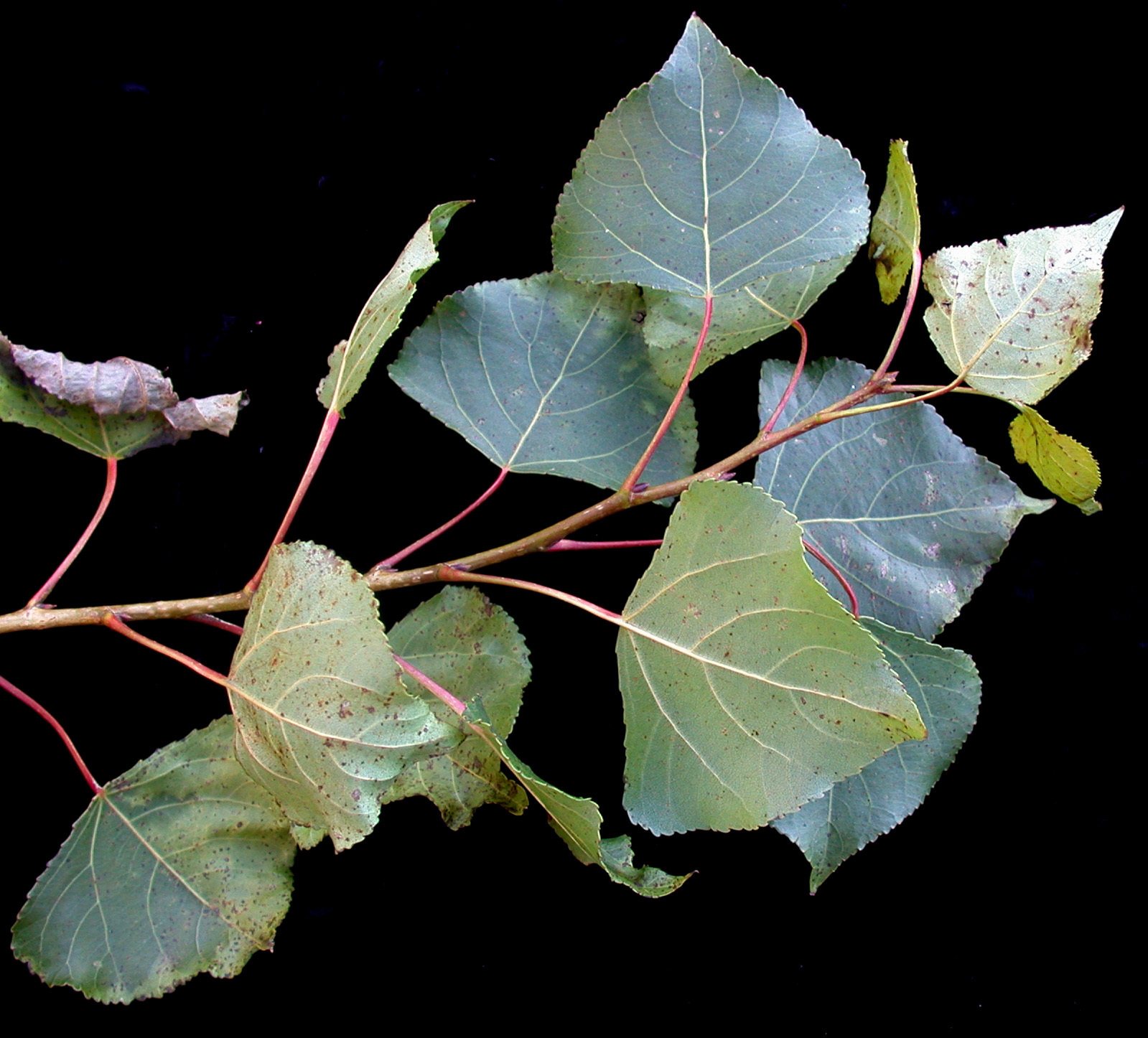
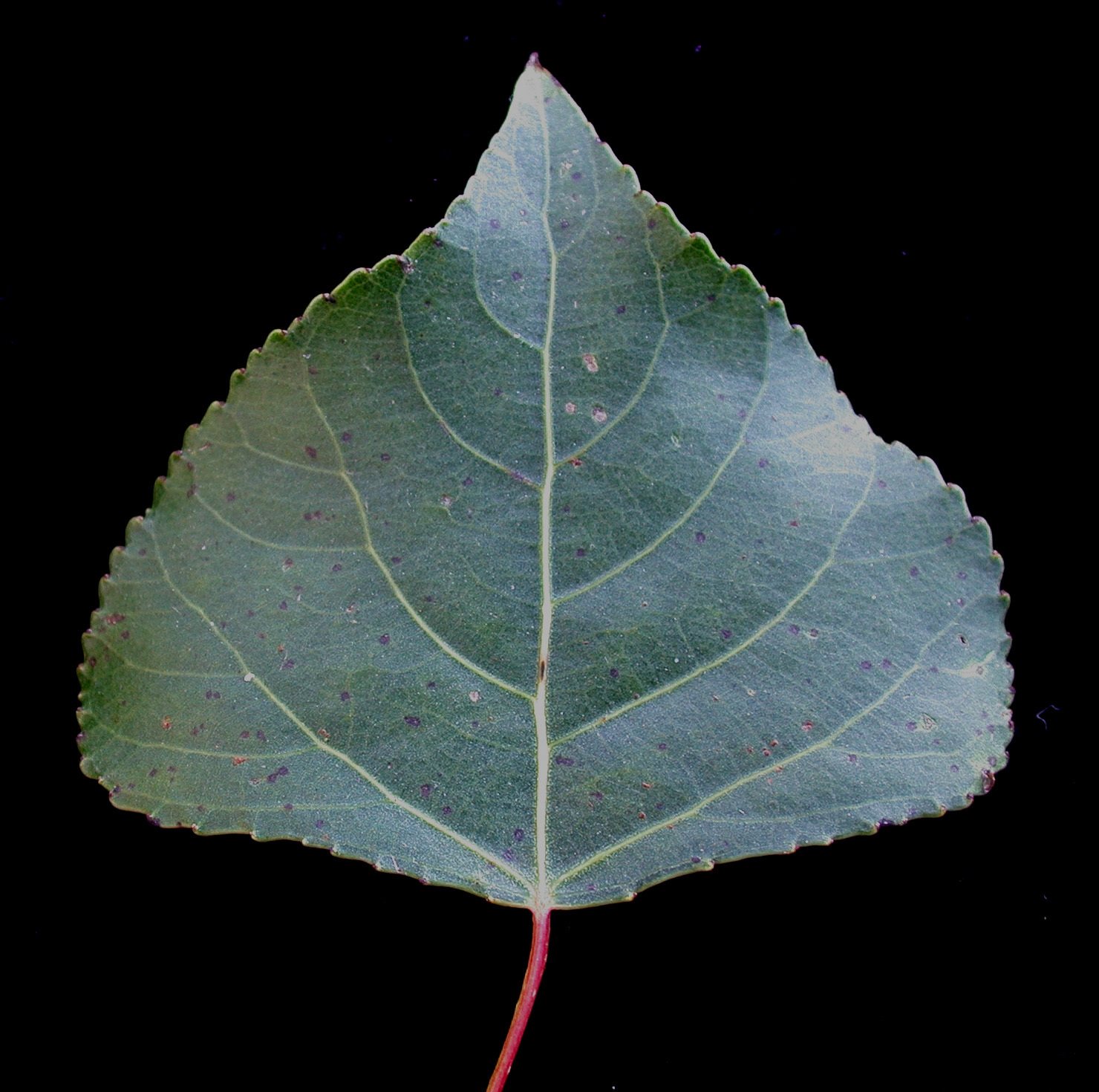
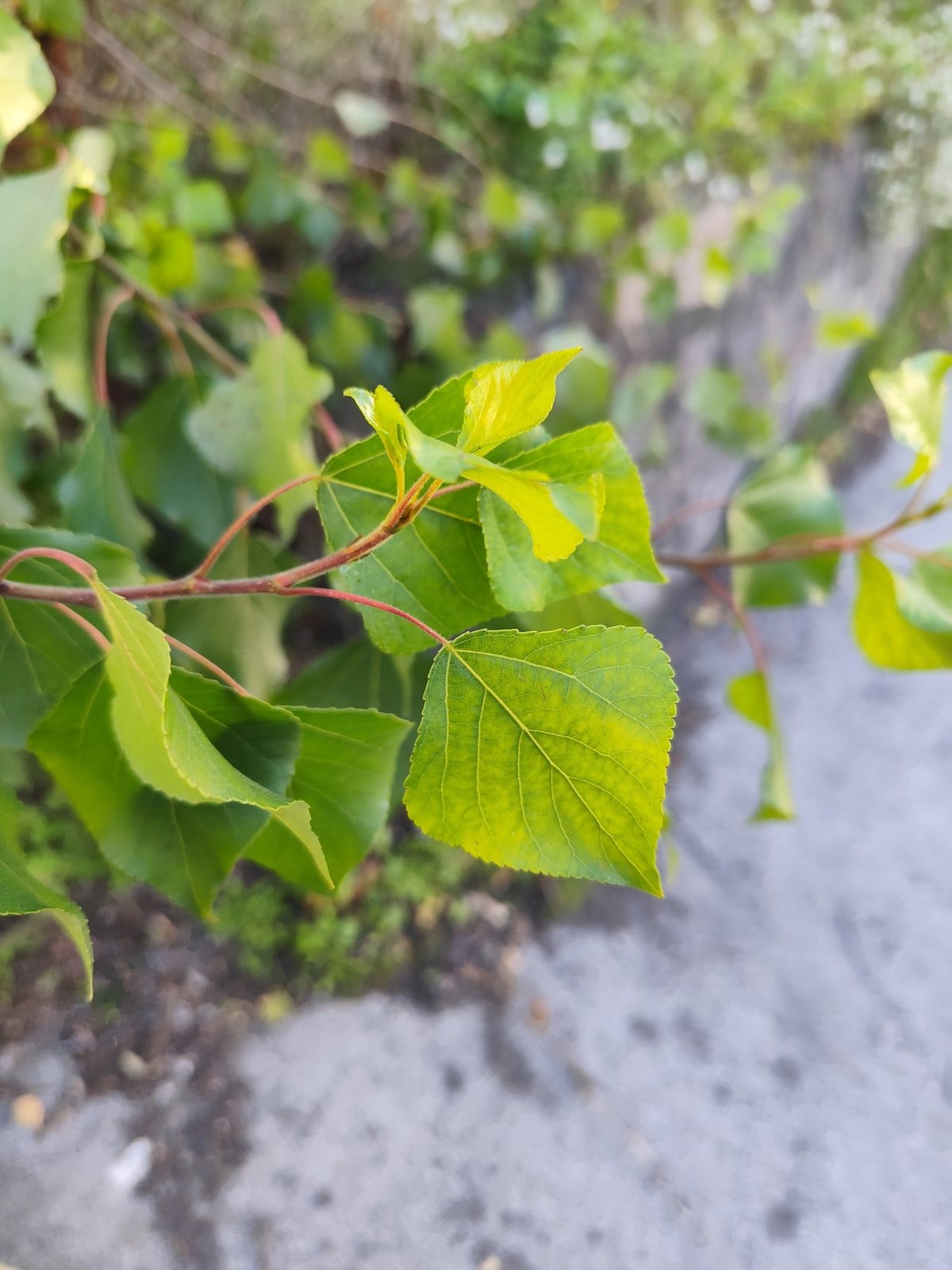
At a glance
- Sun
- Full sun.
- Water
- Moderate to high; prefers consistently moist ground. Water deeply during establishment and prolonged dry spells.
- Soil
- Deep, moist but well-drained soil; tolerates clay and a broad pH range. Performs poorly in shallow, drought-prone ground.
- Height
- 40-60 ft (12-18 m), sometimes taller
- Spread
- 10-15 ft (3-4.5 m); roots and suckers extend much farther
- Flowers
- Red male catkins in early spring before the leaves; usually inconspicuous from a distance.
- Foliage
- Glossy green, triangular to diamond-shaped leaves on upright branches; turns yellow in autumn.
- Growth
- Fast, often 3-6 ft (0.9-1.8 m) a year when young in suitable conditions.
- Care needed
- High
The year at a glance
- Cold hardy
- Heat tolerant
- Wildlife
| J | F | M | A | M | J | J | A | S | O | N | D | |
|---|---|---|---|---|---|---|---|---|---|---|---|---|
| Flowers | ||||||||||||
| Plant |
Northern hemisphere months. In Australia, shift them by six.
- Difficulty
- Hard
- Toughness
- Needs looking after
Will it suit your garden?
Pick your zone, country, light and whether you have pets.
Full sun is 6 or more hours of direct sun a day, part shade 3 to 6 hours, shade under 3.
How it grows
Planting day
7 ft (2 m)
After 1 year
10 ft (3 m)
After 2 years
13 ft (4 m)
After 3 years
16 ft (5 m)
After 5 years
23 ft (7 m)
About 13 years to full size.
From a typical nursery size, at an average rate for this kind of plant. A rule of thumb, not a forecast.
Good to know
- Cats and dogs
- Mildly toxic: may upset a stomach
- Native to
- the UK
- In the garden
- Spreads vigorously: plan to contain it.
- Growth rate
- Fast
Care
Jobs through the year
- WaterApr–May, Sep–Oct, every 14 days
- Soak established trees during dry spells; water more frequently through the first two growing seasons.
- WaterJun–Aug, every 7 days
- Water established trees deeply if rainfall is insufficient, keeping the root area moist but not waterlogged.
- MulchApr–May
- Maintain 5–8 cm of organic mulch over the root area, leaving the trunk clear.
- PruneFeb
- Retain one leader and remove small dead or crossing branches; never top and use an arborist for large limbs.
- PruneMay–Sep, every 30 days
- Remove emerging root suckers promptly without damaging major roots.
- ProtectMay–Sep, every 30 days
- Inspect for cankers, cracks and branch dieback; have significant defects assessed by an arborist.
- ProtectOct–Nov
- Collect heavily diseased leaves and check that stakes and ties are not rubbing.
- Plant well away from buildings, paving, drains and underground services; the narrow crown does not mean a small root system.
- Water deeply through the first two growing seasons, keeping the root area moist without leaving it permanently waterlogged.
- Apply 2-3 in (5-8 cm) of organic mulch over the root area, keeping it clear of the trunk.
- Avoid routine feeding; use a soil test before adding fertiliser.
- Remove root suckers promptly and inspect regularly for dead branches, cracks and cankers.
- Stake only if the root ball is unstable, and remove supports once the tree is firmly rooted.
Pruning. Prune in late winter while dormant, retaining one main leader and removing dead, damaged or crossing branches with small, clean cuts. Do not top the tree; use a qualified arborist for large limbs or work at height.
Through the year
- Late winter
- Inspect the crown and trunk, and carry out necessary structural pruning before growth begins.
- Spring
- Plant while dormant or just before bud break where the soil is workable; water thoroughly.
- Late spring
- Renew mulch and remove emerging root suckers.
- Summer
- Water young trees during dry weather and check for leaf rust, cankers and branch dieback.
- Autumn
- Clear heavily diseased fallen leaves and check that stakes or ties are not rubbing the bark.
- Late autumn
- Plant dormant trees in mild regions; avoid planting into frozen or saturated soil.
In the garden
- Plant in a formal avenue on a large property to create a strong perspective.
- Use a widely spaced row as a tall seasonal screen where roots and suckers can be managed.
- Place at the edge of open lawns or fields as a narrow vertical contrast to broad-canopied trees.
- Use in large Italian-style or estate gardens to frame distant views without forming a broad canopy.
Garden styles it suits: Formal, Italian / Tuscan, Grand estate, Architectural minimal, Traditional and Tuscan villa.
Plant it with: Yarrow, Catmint, Russian sage, Switchgrass and Feather reed grass.
Wildlife: Leaves support various moth caterpillars and other insects, and mature trees provide bird perches and nesting cover. The usual male clone produces pollen but no seed or cottony seed fluff.
Problems to watch for
- Canker and branch dieback: remove affected branches where practical, avoid drought stress and bark wounds, and have extensive trunk damage assessed by an arborist; replacement is often necessary.
- Leaf rust and leaf spots: collect badly affected fallen leaves and avoid wetting foliage; severe repeated defoliation can weaken the tree.
- Aphids and honeydew: tolerate light infestations and encourage natural predators; wash accessible colonies from young trees with water.
- Root suckers and root conflicts: remove suckers repeatedly and keep trees away from drains and paving; seek professional advice before cutting major roots.
Safety
Not generally known to be toxic to cats, dogs, horses or people through ordinary garden contact. Bark, buds and leaves contain salicylate compounds, so do not use them as animal feed or home remedies; substantial ingestion warrants medical or veterinary advice.
Where it spreads. Can spread aggressively by root suckers where planted in the United States, Canada, the United Kingdom and temperate Australia, particularly in moist ground. Suckers may extend beyond the crown and persist after felling; the usual male clone does not spread by seed.
Easily confused with
Black poplar (Populus nigra)
The ordinary species usually develops a broad, spreading crown rather than the tightly columnar outline of 'Italica'.
Swedish columnar aspen (Populus tremula 'Erecta')
Also narrow and upright, but its leaves are rounder, with coarse, rounded teeth, rather than the more triangular leaves of Lombardy poplar.
Pyramidal European hornbeam (Carpinus betulus 'Fastigiata')
Has strongly ribbed, oval leaves with sharply toothed edges and a crown that broadens considerably with age.
The name
Populus is the Latin name for poplar, nigra means black, and 'Italica' and Lombardy refer to the cultivar's Italian origin.
Propagation. Take hardwood cuttings from healthy dormant shoots in winter, or separate rooted suckers while dormant. Vegetative propagation preserves the cultivar; avoid taking material from trees showing canker or dieback.
Checked against open data
- Accepted botanical name
- Populus nigra
- In the US and Canada
- Introduced in Canada and the lower 48 states.
- Native range
- Albania, Algeria, Altay, Austria, Baltic States, Belgium, Bulgaria, Central European Rus, Corse, Czechoslovakia, East Aegean Is. and East European Russia.
- Measured
- Soil pH 5 to 8.5. Average height 2100 cm.
Sources: GBIF (CC BY 4.0), USDA PLANTS and Trefle (CC BY 4.0). The care and design notes are LandscapeGPT's own.
See it in your own yard.
Upload a photo of your yard and see it redesigned with plants that suit your climate, each checked against your zone.