Lovage
Levisticum officinale. Family Apiaceae. Perennial.
Also called Garden lovage.
Lovage is a tall, winter-dormant culinary herb with a strong celery flavour in its leaves, stems and seeds. Grow it for kitchen use and for its bold foliage and summer flower heads, allowing room for a substantial clump.
At a glance
- Sun
- Full sun to partial shade; afternoon shade helps in hot-summer areas.
- Water
- Keep the root zone evenly moist, particularly during spring growth and dry summer weather; avoid waterlogged soil.
- Soil
- Deep, fertile, moisture-retentive but well-drained soil; tolerates clay if drainage is adequate.
- Height
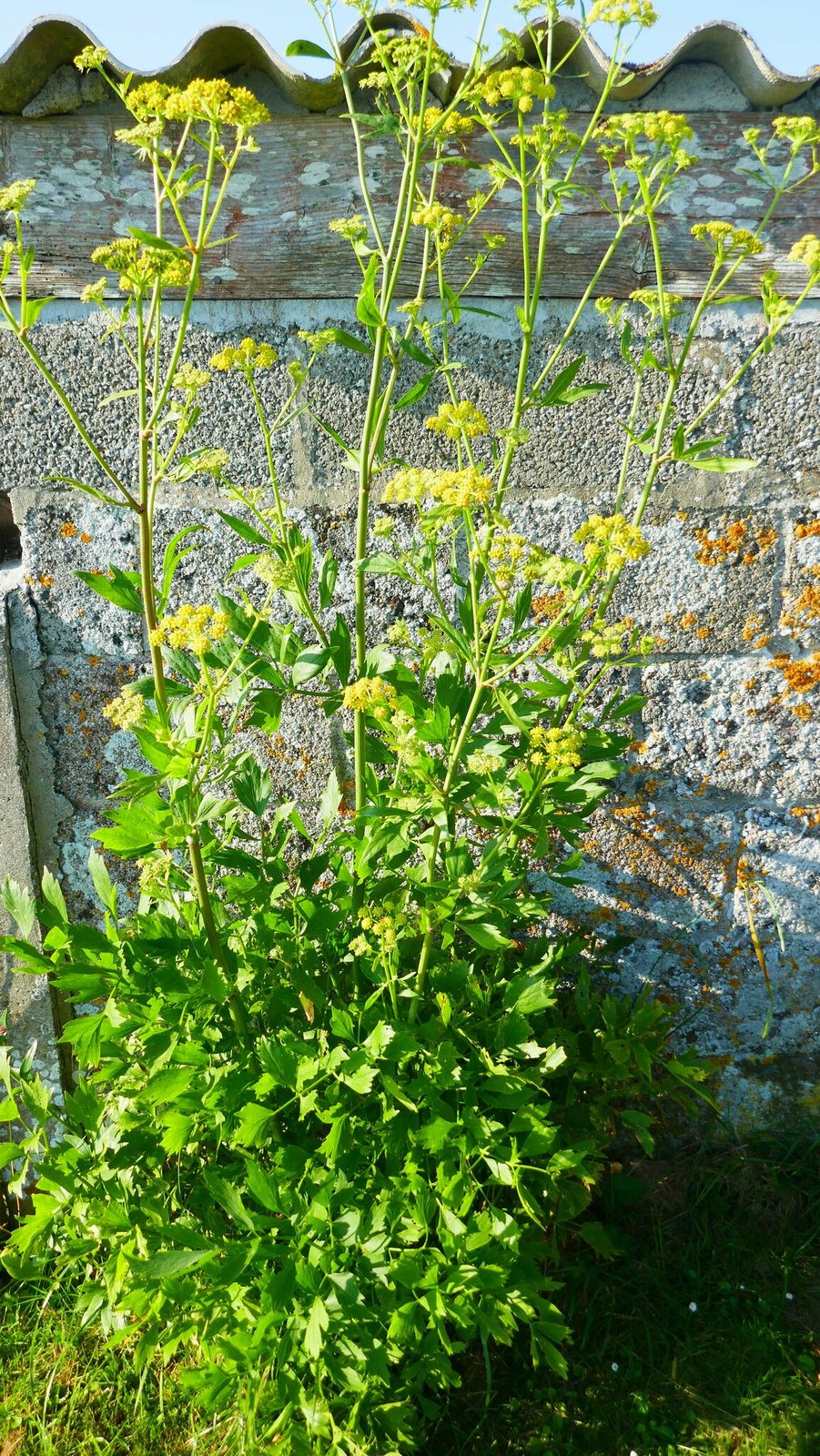
- 4-7 ft (1.2-2.1 m) when flowering
- Spread
- 2-3 ft (0.6-0.9 m)
- Flowers
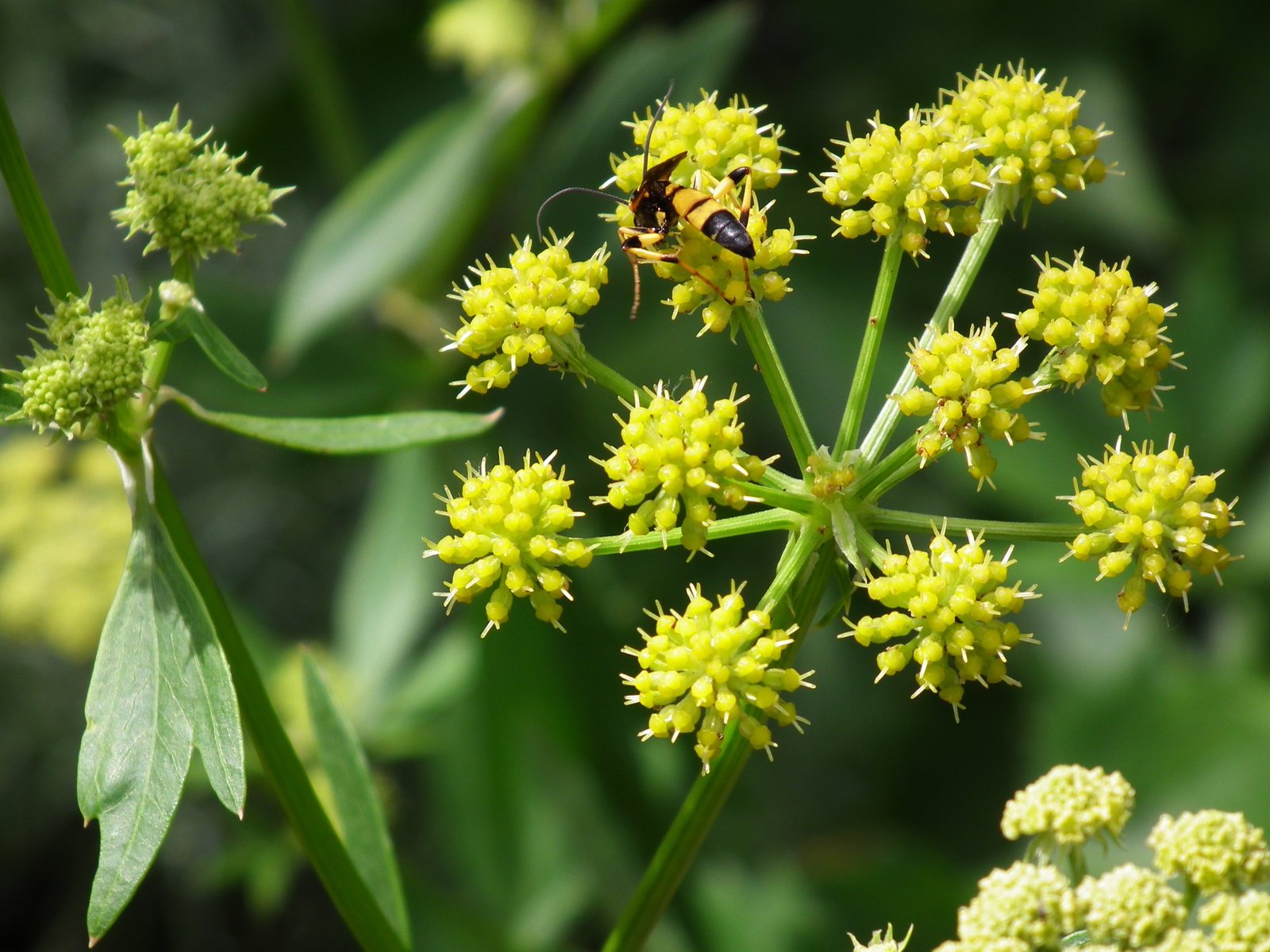
- Small yellow-green flowers in broad, branching umbels in early to midsummer.
- Foliage
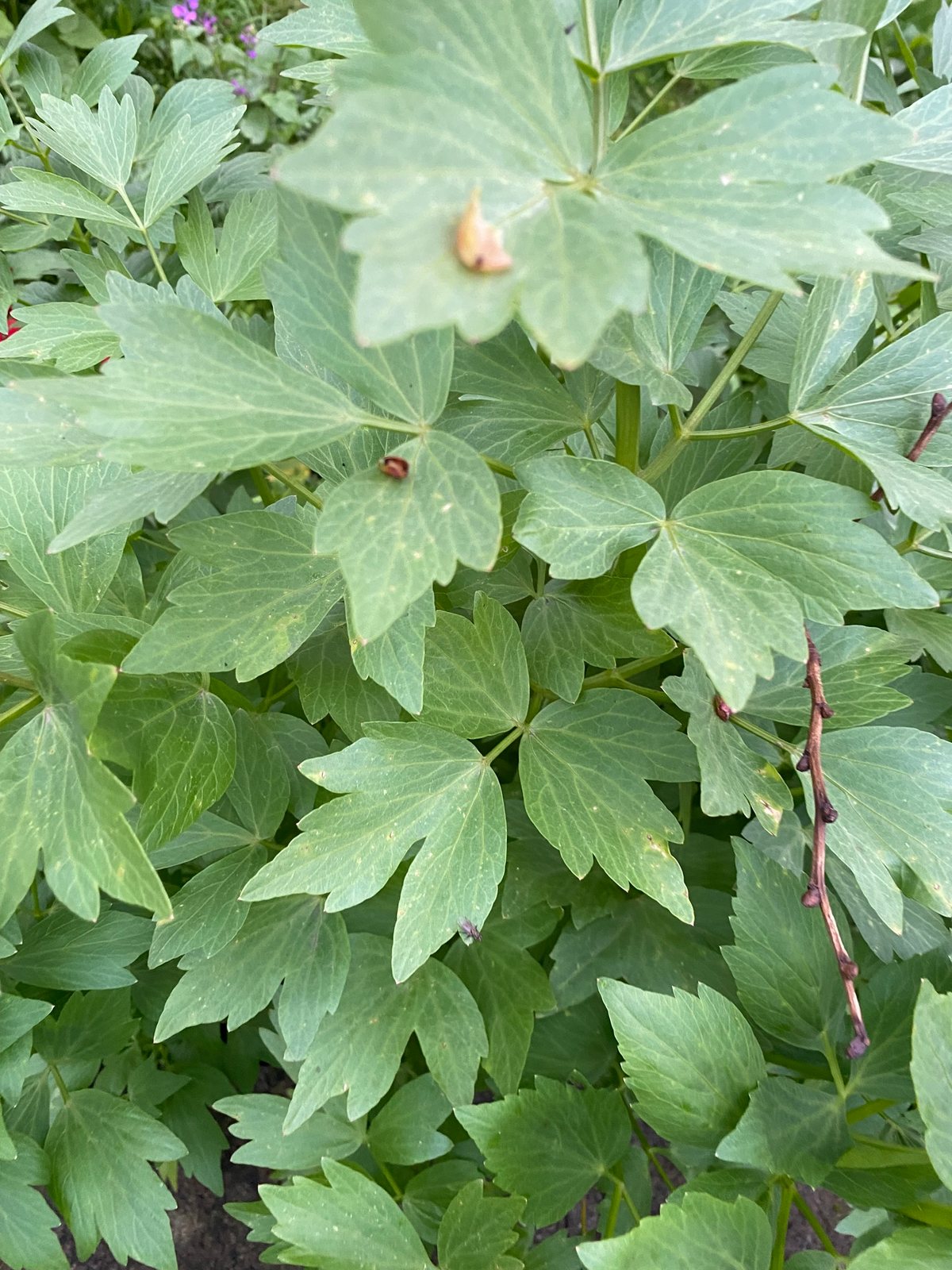
- Large, divided, glossy green leaves with broad, toothed leaflets and a strong celery scent; dies back in winter.
- Growth
- Fast during spring and early summer; forms a substantial clump within two or three years.
- Care needed
- Low
The year at a glance
- Pollinators
- Cold hardy
- Low allergen
- Fragrant
- Edible
| J | F | M | A | M | J | J | A | S | O | N | D | |
|---|---|---|---|---|---|---|---|---|---|---|---|---|
| Flowers | ||||||||||||
| Fruit | ||||||||||||
| Plant |
Northern hemisphere months. In Australia, shift them by six.
- Difficulty
- Easy
- Toughness
- Very tough
Will it suit your garden?
Pick your zone, country, light and whether you have pets.
Full sun is 6 or more hours of direct sun a day, part shade 3 to 6 hours, shade under 3.
How it grows
Planting day
1 ft (0.3 m)
After 1 year
3 ft (0.99 m)
After 2 years
5 ft (1.7 m)
full size
About 2 years to full size.
From a typical nursery size, at an average rate for this kind of plant. A rule of thumb, not a forecast.
Good to know
- Cats and dogs
- Toxic
- Growth rate
- Fast
Care
Jobs through the year
- WaterApr–May, Sep, every 14 days
- Deep-water established clumps when rainfall is insufficient; young plants need more frequent checks.
- WaterJun–Aug, every 7 days
- Water established clumps deeply during dry weather to maintain evenly moist, not saturated, soil.
- FeedMar
- Top-dress with compost; rich soil usually needs no additional feeding.
- MulchMay
- Mulch moist soil to conserve water, keeping emerging shoots clear.
- DivideMar–Apr
- Divide congested clumps as growth starts, usually every three to five years.
- PruneJun–Jul
- Remove emerging flower stalks for tender leaf production, or retain some for insects and seeds.
- HarvestApr–Sep, every 7 days
- Pick young outer leaves as needed, leaving plenty of foliage to sustain the clump.
- HarvestAug–Sep
- Cut seed heads when seeds turn brown and finish drying them in a paper bag.
- PruneNov
- Cut dead stems to ground level, or leave sound stems for wildlife until early spring.
- Water deeply during dry spells rather than letting the soil repeatedly dry out.
- Apply compost around the crown in early spring; rich soil usually needs no additional feeding.
- Mulch to conserve moisture, keeping mulch clear of emerging shoots.
- Stake flowering stems early if the site is exposed to strong winds.
- Divide crowded clumps in early spring, usually every three to five years.
Pruning. Remove flower stems as they appear if tender leaves are your priority, or leave some for insects and seed. Cut dead stems to ground level in late autumn or before new growth starts in spring.
Harvest
Pick young, fully opened leaves from spring onward, taking outer stems and leaving plenty of foliage to sustain the plant; older leaves become tougher and stronger-flavoured. Collect seed heads when the seeds turn brown, then dry them in a paper bag before rubbing out the seeds.
Through the year
- Early spring
- Clear dead stems, divide established clumps if needed, and apply compost.
- Spring
- Plant young plants and begin light harvesting once they are growing strongly.
- Late spring
- Mulch moist soil and stake tall stems in exposed positions.
- Summer
- Water during dry weather; remove flower stems for leaf production or retain some for pollinators.
- Late summer
- Collect brown, ripe seeds before they fall, or remove seed heads to limit self-sowing.
- Late autumn
- Cut back dead growth, or leave sound stems until early spring for winter shelter.
In the garden
- Place at the back of a herb bed, where its height will not shade smaller herbs.
- Use as a vertical accent in a kitchen garden alongside chives, parsley and leafy vegetables.
- Plant among cottage-garden perennials for bold foliage and airy summer flower heads.
- Include in a mixed edible border, with access for frequent leaf picking.
Garden styles it suits: Cottage garden, Potager (kitchen garden), Edible landscape, Homestead, Herb parterre and Pollinator garden.
Plant it with: Chives, Parsley, Sorrel, Calendula, Bee balm and Rhubarb.
Wildlife: The open flower heads provide accessible nectar and pollen for hoverflies, small bees, wasps and other insects.
Problems to watch for
- Leaf miners leave pale tunnels in leaves: remove affected leaves and dispose of them before larvae finish developing.
- Aphids cluster on tender shoots: wash them off with water and allow ladybirds and other predators to feed.
- Slugs and snails damage emerging shoots: inspect at dusk and use barriers or locally approved iron-phosphate bait if needed.
- Dry soil and summer heat cause yellowing or early dormancy: water deeply, mulch and provide afternoon shade in hot locations.
Safety
Leaves, stems and seeds are edible for people in normal culinary amounts. Sap can cause skin irritation or a sunlight-sensitive rash in susceptible people. Lovage is considered toxic to cats, dogs and horses because of its volatile oils, which can have diuretic effects; prevent grazing and seek veterinary advice after a substantial ingestion. Concentrated essential oil is not equivalent to the culinary herb and should not be swallowed.
Easily confused with
Celery (Apium graveolens)
Celery has a similar scent and divided leaves, but cultivated celery usually forms a lower rosette with thick, closely packed leaf stalks. Established lovage develops a much taller, branching flowering plant.
Alexanders (Smyrnium olusatrum)
Alexanders also has broad leaflets and yellow-green umbels, but its leaves are usually divided into three main groups and its ripe fruits are conspicuously black.
Poison hemlock (Conium maculatum)
Poison hemlock has finely divided, fernlike leaves, white flowers and usually purple-blotched stems; lovage has broad, toothed leaflets and yellow-green flowers.
The name
Lovage derives through French from the Latin name levisticum, traditionally linked to Liguria in northwestern Italy, while officinale indicates its historical use in medicine.
Propagation. Divide established clumps in early spring, retaining strong buds and roots on each division. Sow fresh seed in autumn or spring; germination can be slow and uneven, and stored seed loses viability.
Checked against open data
- Accepted botanical name
- Levisticum officinale
- In the US and Canada
- Introduced in Canada and the lower 48 states.
- Native range
- Afghanistan and Iran.
- Measured
- Soil pH 6.5 to 7. Average height 135 cm.
Sources: GBIF (CC BY 4.0), USDA PLANTS and Trefle (CC BY 4.0). The care and design notes are LandscapeGPT's own.
See it in your own yard.
Upload a photo of your yard and see it redesigned with plants that suit your climate, each checked against your zone.