Lungwort 'Blue Ensign'
Pulmonaria 'Blue Ensign'. Family Boraginaceae. Perennial.
Also called Pulmonaria 'Blue Ensign'.
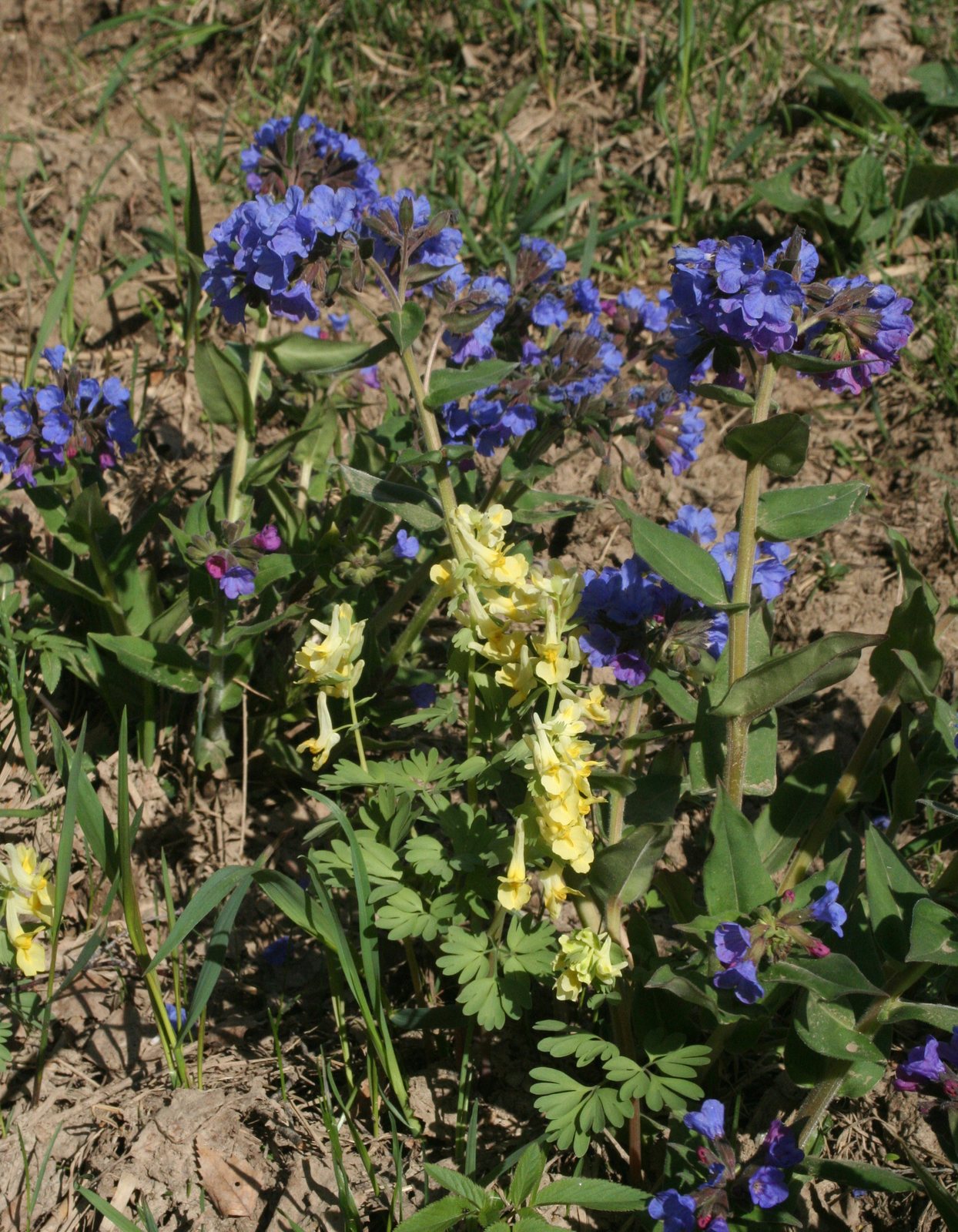
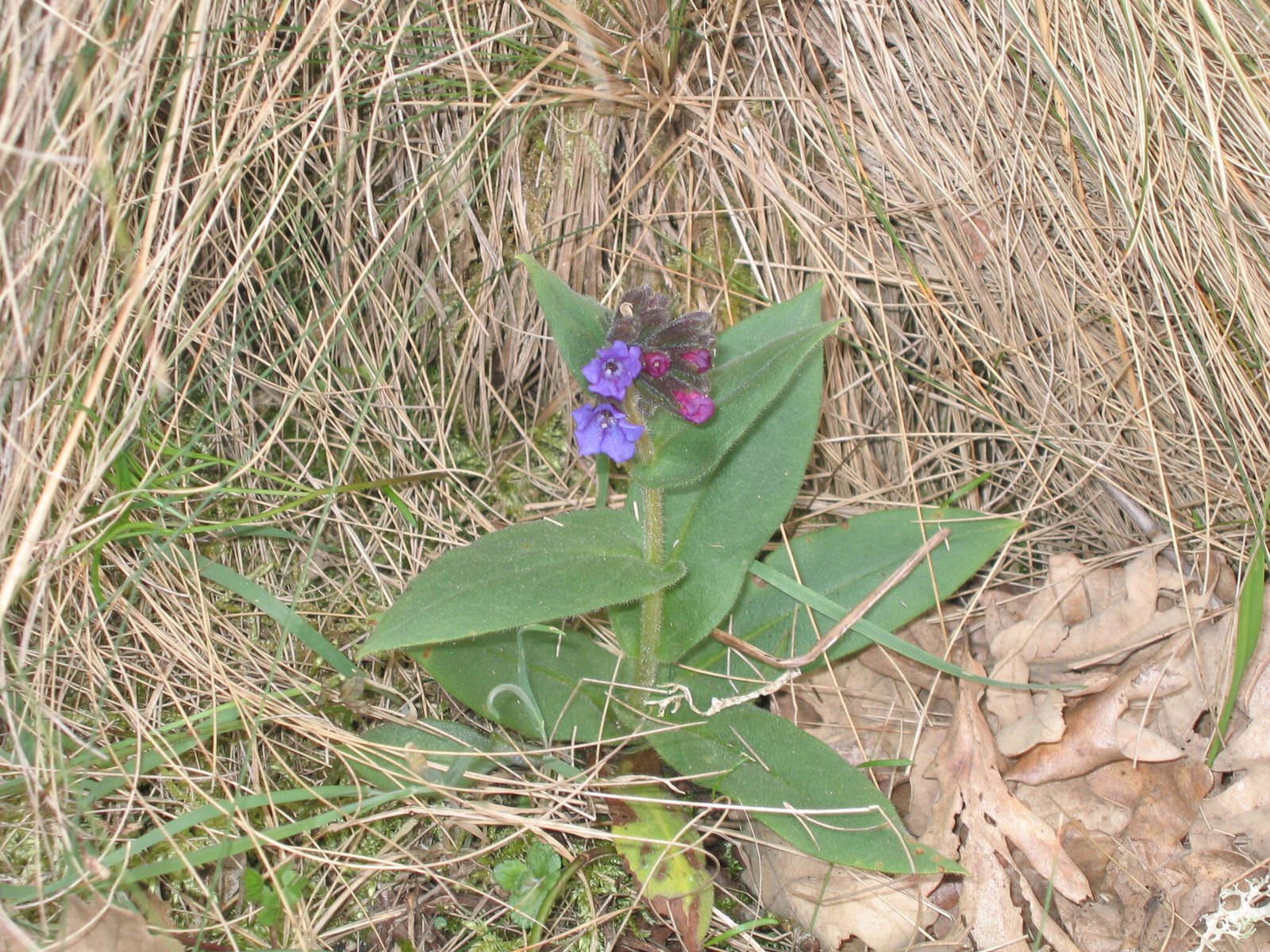
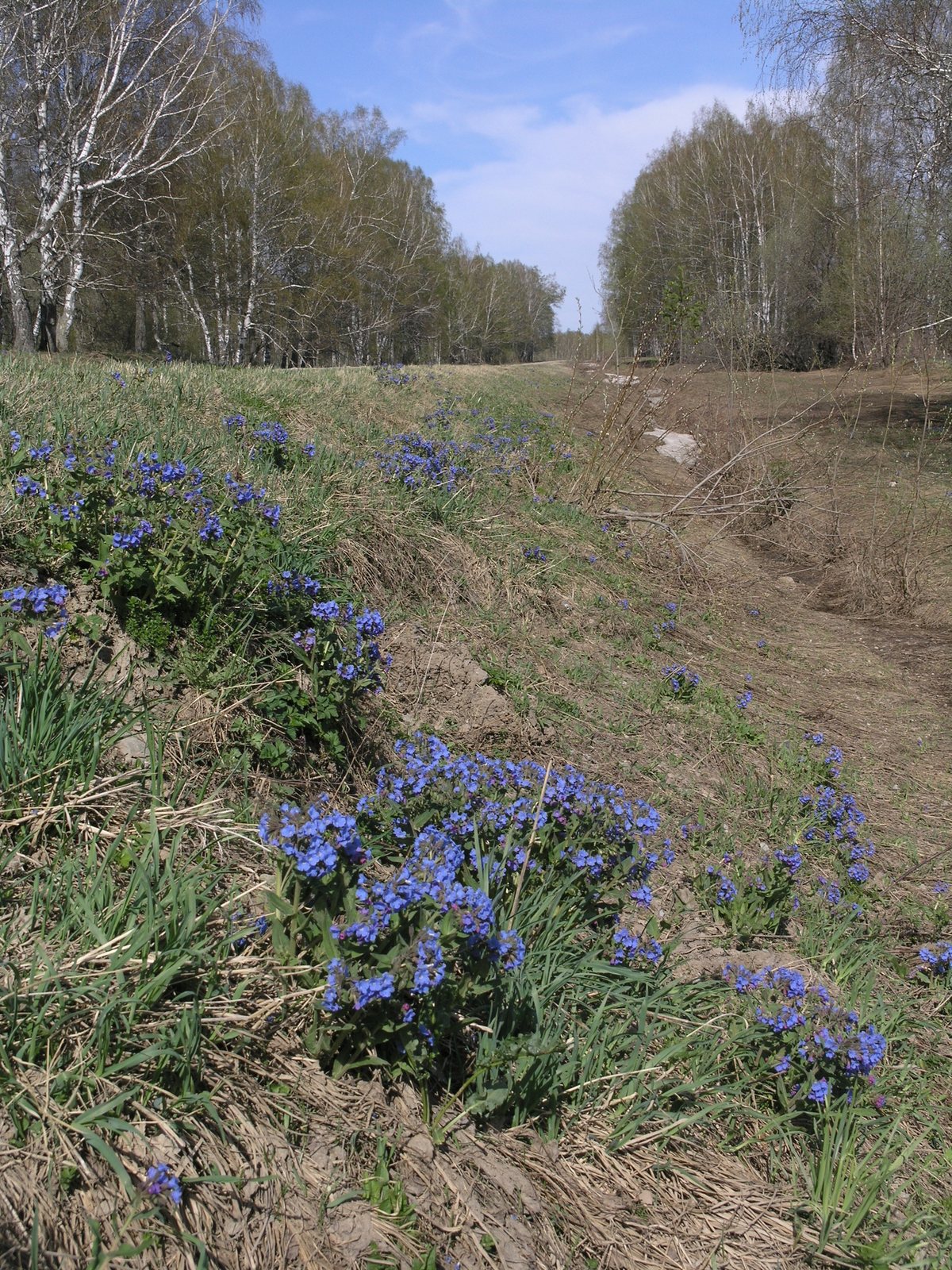
'Blue Ensign' is a clump-forming woodland perennial grown for its rich blue spring flowers and plain, dark green leaves. It brings early colour to shaded borders and beneath deciduous shrubs, provided the soil stays moist without becoming waterlogged.
At a glance
- Sun
- Partial shade or light, dappled shade; morning sun is suitable where the soil stays moist. Avoid hot afternoon sun.
- Water
- Keep evenly moist, especially during establishment and dry spring weather. Established plants tolerate brief dry spells but may lose foliage during summer drought.
- Soil
- Humus-rich, moisture-retentive but well-drained soil; tolerates acidic, neutral and alkaline conditions.
- Height
- 0.75-1 ft (0.23-0.3 m)
- Spread
- 1-1.5 ft (0.3-0.45 m)
- Flowers
- Early to mid-spring, sometimes starting in late winter in mild climates; clusters of rich blue, funnel-shaped flowers.
- Foliage
- Broad, softly bristly, dark green leaves without the silver spotting found on many lungworts. Usually deciduous, though some foliage may persist through mild winters.
- Growth
- Moderate; gradually forms a broad clump.
- Care needed
- Low
The year at a glance
- Pollinators
- Deer resistant
- Cold hardy
- Low allergen
| J | F | M | A | M | J | J | A | S | O | N | D | |
|---|---|---|---|---|---|---|---|---|---|---|---|---|
| Flowers | ||||||||||||
| Plant |
Northern hemisphere months. In Australia, shift them by six.
- Difficulty
- Easy
- Toughness
- Fairly tough
Will it suit your garden?
Pick your zone, country, light and whether you have pets.
Full sun is 6 or more hours of direct sun a day, part shade 3 to 6 hours, shade under 3.
How it grows
Planting day
0.9 ft (0.27 m)
full size
About 3 years to full size.
From a typical nursery size, at an average rate for this kind of plant. A rule of thumb, not a forecast.
Good to know
- Cats and dogs
- Safe
- Growth rate
- Moderate
Care
Jobs through the year
- WaterMar–May, Sep–Oct, every 7 days
- During dry weather, water established clumps at soil level to keep roots moist; water new plants more often.
- WaterJun–Aug, every 5 days
- In dry weather, water deeply to prevent prolonged drying; avoid saturating the crown.
- MulchMar
- Apply a thin compost or leaf-mould dressing, keeping the crown clear.
- PruneFeb
- Remove dead leaves carefully without damaging emerging flower stems.
- DeadheadMay
- Remove spent flower stems at their bases.
- PruneMay–Jun
- Remove damaged or mildewed leaves; cut back shabby foliage and water to encourage regrowth.
- DivideMay, Sep
- Divide crowded or declining clumps after flowering or in early autumn and water well.
- Water at soil level during dry spells; do not leave the crown sitting in saturated soil.
- Apply a thin layer of garden compost or leaf mould in spring, keeping it clear of the crown.
- Avoid heavy feeding; an annual compost dressing is usually enough.
- Divide crowded or declining clumps after flowering or in early autumn, and water the divisions well.
- In hot climates, choose the coolest shaded position available; prolonged summer heat can cause dormancy.
Pruning. After flowering, remove spent flower stems and cut away damaged or mildewed leaves at their bases. If most foliage is shabby, cut it back after flowering and water well to encourage fresh growth.
Through the year
- Late winter
- Remove dead leaves carefully without damaging emerging flower stems.
- Early spring
- Top-dress with compost or leaf mould and check soil moisture as growth starts.
- Late spring
- Remove spent flower stems and tired foliage; divide established clumps if needed.
- Summer
- Water during dry spells and watch for powdery mildew or leaf scorch.
- Early autumn
- Plant or divide while the soil is moist, allowing roots to establish before winter.
In the garden
- Plant in small groups at the front of a shaded border for a low ribbon of blue spring flowers.
- Use beneath deciduous shrubs, where spring light reaches the flowers before the canopy closes.
- Combine with hellebores and spring bulbs for a long early-season display.
- Edge a woodland path with its dark foliage, contrasting it with ferns and silver-leaved shade plants.
Garden styles it suits: Woodland, Cottage garden, English country, Blues and silvers, Pollinator garden and Secret garden.
Plant it with: Hellebores, Snowdrops, Daffodils, Hostas, Hardy ferns and Siberian bugloss.
Wildlife: The early flowers provide nectar and pollen for bees, particularly bumblebees.
Problems to watch for
- Powdery mildew: white coating develops on leaves, especially when roots are dry. Improve airflow, water during drought and remove badly affected foliage.
- Slugs and snails: young leaves may be holed or stripped. Check after dark, remove pests and use wildlife-conscious slug controls where necessary.
- Leaf scorch or summer dieback: hot sun and dry soil brown the leaves. Provide afternoon shade and more consistent moisture; living crowns may regrow when conditions improve.
- Crown rot: persistently wet soil can kill the clump. Improve drainage and avoid burying the crown under soil or mulch.
Safety
Not generally listed as toxic to people, cats, dogs or horses, but specific safety information for this cultivar is limited. It is not an edible plant; avoid eating any part or using it as a home remedy. The bristly foliage may irritate sensitive skin.
Easily confused with
Common lungwort (Pulmonaria officinalis)
Usually has conspicuously pale-spotted leaves and flowers that change from pink to blue; 'Blue Ensign' has plain dark green leaves and notably rich blue flowers.
Siberian bugloss (Brunnera macrophylla)
Has heart-shaped leaves and small, flat, five-petalled blue flowers on airy branching stems; lungwort has more elongated leaves and funnel-shaped flowers.
The name
Pulmonaria comes from the Latin pulmo, meaning lung, reflecting the historical belief that the lung-like markings on some species' leaves indicated a treatment for lung ailments.
Propagation. Divide healthy clumps after flowering or in early autumn, retaining roots and growing points on each division. Seedlings, if produced, will not reliably retain the cultivar's characteristics.
Checked against open data
- Accepted botanical name
- Pulmonaria
Sources: GBIF (CC BY 4.0). The care and design notes are LandscapeGPT's own.
See it in your own yard.
Upload a photo of your yard and see it redesigned with plants that suit your climate, each checked against your zone.