Male fern
Dryopteris filix-mas. Family Dryopteridaceae. Fern.
Male fern is a hardy, clump-forming fern with upright, arching fronds that make a broad, leafy shuttlecock. Grow it for structure in shady borders and woodland gardens, where established plants tolerate some dry shade.
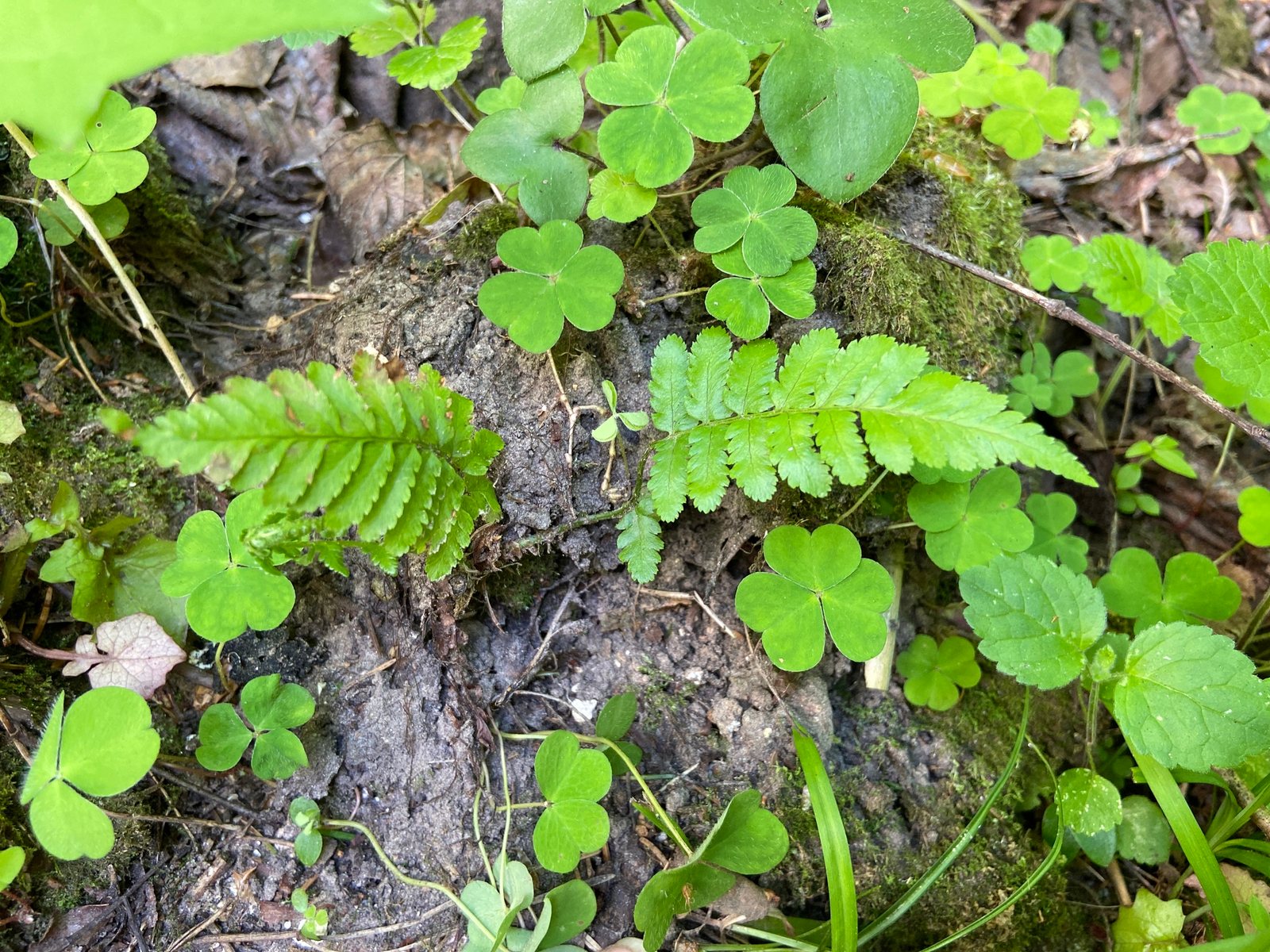
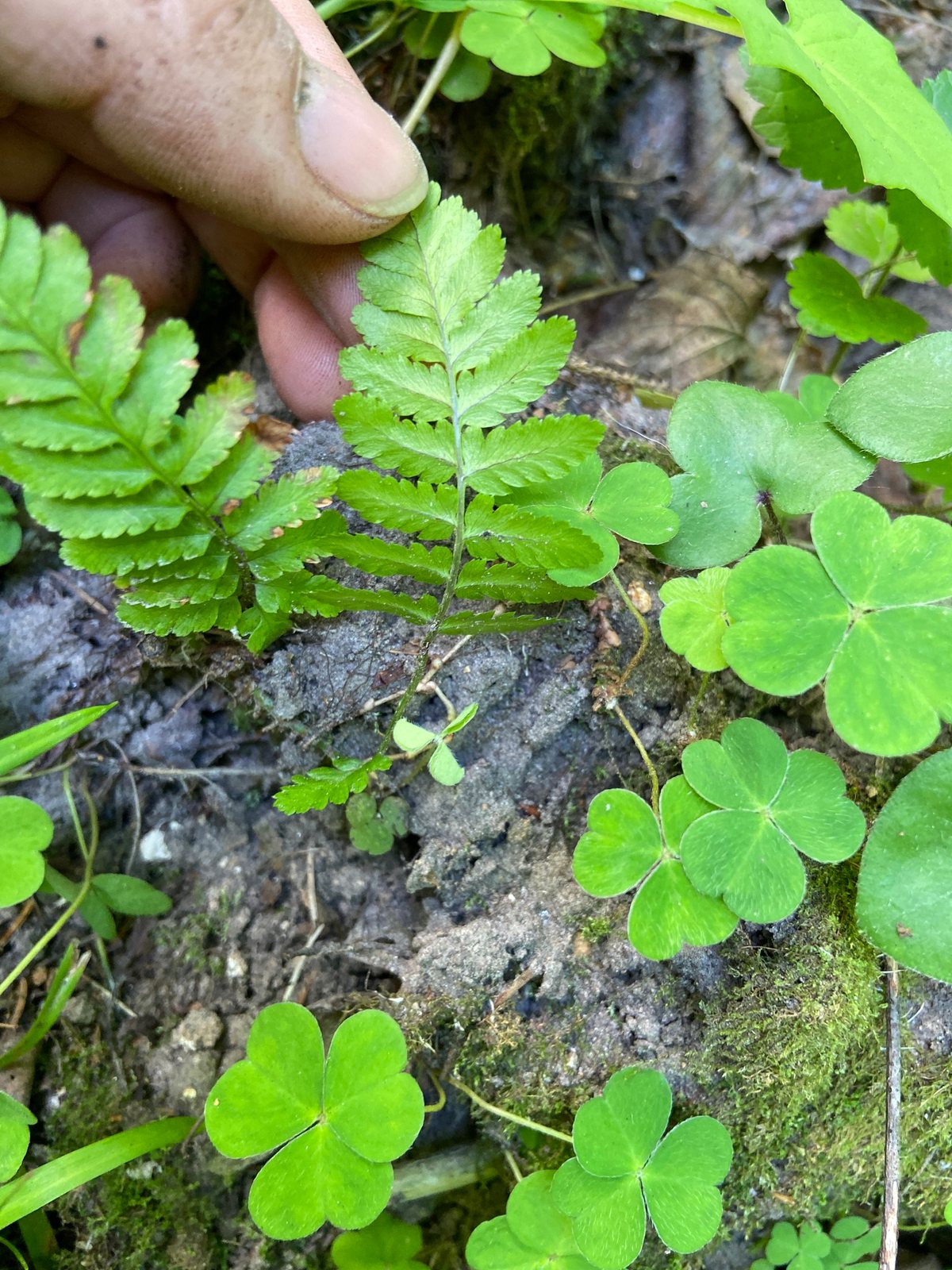
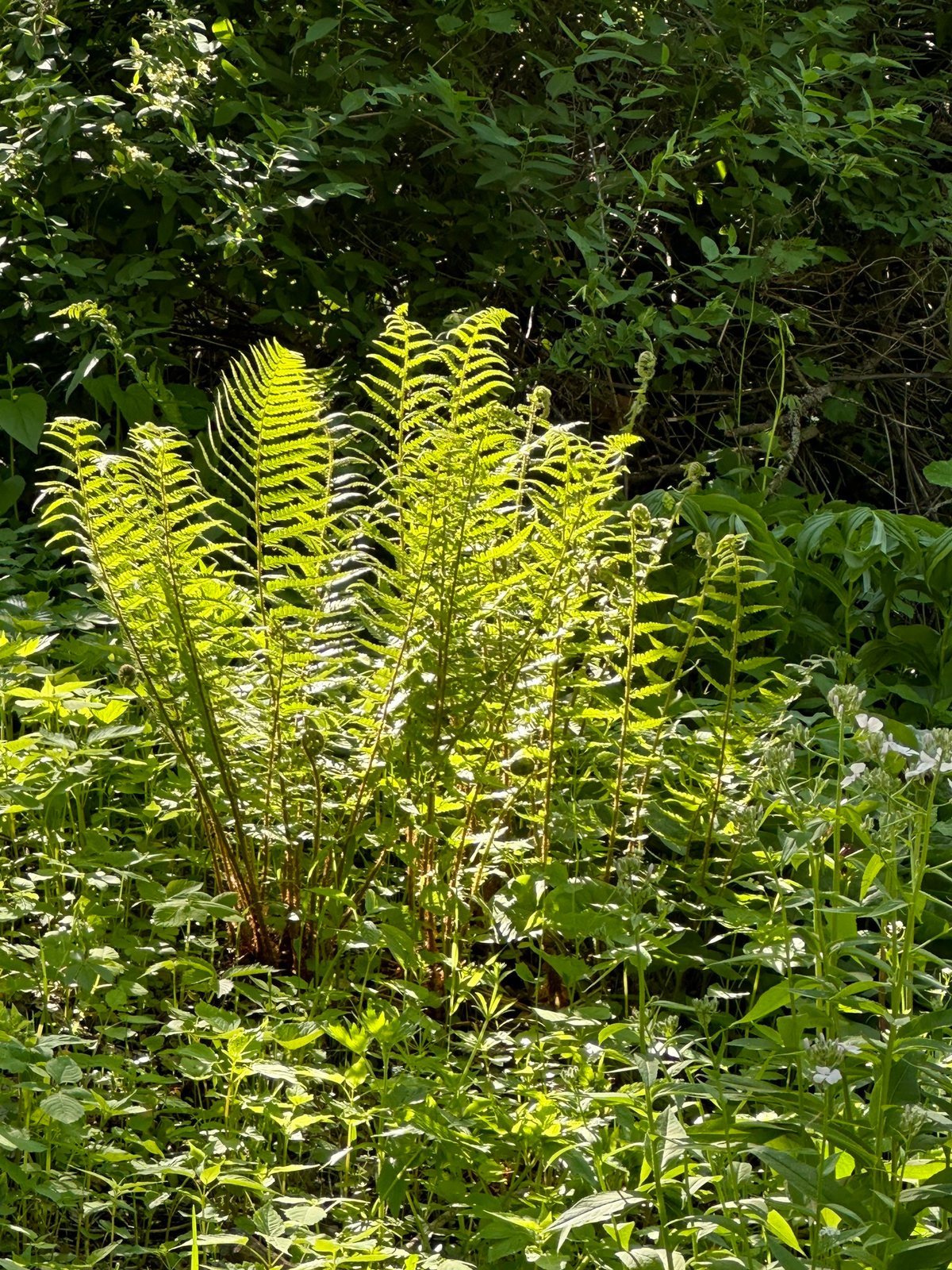
At a glance
- Sun
- Partial to full shade; tolerates some sun where soil stays moist and summers are cool.
- Water
- Keep evenly moist while establishing. Established plants tolerate short dry spells, but prolonged drought can brown the fronds.
- Soil
- Humus-rich, moisture-retentive but well-drained soil; tolerates clay and a wide range of soil pH.
- Height
- 2-4 ft (0.6-1.2 m)
- Spread
- 2-3 ft (0.6-0.9 m)
- Foliage
- Large, mid- to dark-green, divided fronds with scaly stalks. Rounded spore clusters develop beneath mature fronds. Usually deciduous, though some fronds may persist through mild winters.
- Growth
- Moderate
- Care needed
- Low
The year at a glance
- Deer resistant
- Cold hardy
- Wildlife
| J | F | M | A | M | J | J | A | S | O | N | D | |
|---|---|---|---|---|---|---|---|---|---|---|---|---|
| Plant |
Northern hemisphere months. In Australia, shift them by six.
- Difficulty
- Easy
- Toughness
- Very tough
Will it suit your garden?
Pick your zone, country, light and whether you have pets.
Full sun is 6 or more hours of direct sun a day, part shade 3 to 6 hours, shade under 3.
How it grows
Planting day
1 ft (0.3 m)
After 1 year
1.6 ft (0.5 m)
After 2 years
2.3 ft (0.7 m)
After 3 years
3 ft (0.9 m)
full size
About 3 years to full size.
From a typical nursery size, at an average rate for this kind of plant. A rule of thumb, not a forecast.
Good to know
- Cats and dogs
- Toxic
- Native to
- the US, Canada and the UK
- Invasive in
- Australia
- Growth rate
- Moderate
Care
Jobs through the year
- WaterApr–May, Sep–Oct, every 14 days
- Water established plants only if soil is drying; keep new plants evenly moist.
- WaterJun–Aug, every 7 days
- Water established clumps deeply during prolonged dry weather; young plants need closer checks.
- PruneFeb–Mar
- Cut dead fronds near the crown before new curled fronds emerge.
- MulchMar–Apr
- Apply leaf mould or compost around the clump, leaving the crown uncovered.
- DivideMar–Apr
- Divide crowded clumps, keeping several growing points on each division.
- Plant with the crown at soil level, not buried.
- Water regularly during the first growing season and during prolonged dry weather.
- Mulch annually with leaf mould or compost, keeping the crown uncovered.
- Avoid routine fertiliser; an annual compost mulch is usually enough.
- Divide crowded clumps in spring, retaining several growing points on each division.
Pruning. In late winter or early spring, cut dead and battered fronds close to the crown before new growth unfurls. Avoid cutting emerging curled fronds.
Through the year
- Late winter
- Remove dead fronds before new growth starts.
- Spring
- Plant or divide clumps and water them in thoroughly.
- Spring
- Apply leaf mould or compost around the clump without covering the crown.
- Summer
- Check soil during dry spells and water deeply if it is drying out.
- Autumn
- Leave healthy fronds standing and allow fallen leaves to form a loose mulch around the plant.
In the garden
- Repeat clumps beneath deciduous trees to give a woodland border a consistent leafy structure.
- Pair with hostas and large-leaved brunneras for contrasting foliage shapes.
- Use beside shaded paths or steps, allowing room for the arching fronds.
- Plant behind spring bulbs to fill the space as their leaves die back.
Garden styles it suits: Woodland, English country, Low-maintenance, Green on green, Secret garden and Pacific Northwest woodland.
Plant it with: Hosta, Siberian bugloss, Solomon's seal, Hellebore, Snowdrop and Epimedium.
Wildlife: The fronds and accumulated leaf litter provide shelter for small invertebrates. It has no flowers and supplies no nectar or pollen.
Problems to watch for
- Brown, scorched fronds: protect from strong afternoon sun and drying winds, and water during prolonged drought.
- Crown rot in waterlogged soil: improve drainage and keep soil and mulch away from the crown.
- Slugs and snails damaging emerging fronds: inspect new growth and remove pests by hand; use labelled iron-phosphate bait if needed.
Safety
Treat as poisonous to people, cats, dogs and horses if eaten. The rhizome is particularly toxic, and other parts should not be eaten either; poisoning can be serious. Do not eat the fiddleheads or use the plant as a home remedy.
Where it spreads. Naturalised and locally invasive in damp forests in Victoria, Australia, where spores can establish beyond gardens. Check local weed guidance before planting near bushland.
Easily confused with
Lady fern (Athyrium filix-femina)
Usually has finer, more delicate foliage. Its spore clusters are elongated or curved rather than the rounded clusters of male fern.
Scaly male fern (Dryopteris affinis)
Usually has denser golden-brown scales and more persistent, leathery fronds. Look for a dark patch where each main leaflet joins the central frond stalk.
The name
Filix-mas means 'male fern' in Latin, reflecting an old comparison of its robust fronds with the more delicate lady fern, not a difference in the plants' sex.
Propagation. Divide established clumps in spring as growth begins. It can also be raised from spores sown on a clean, moist growing medium, but this is slow and requires careful humidity control.
Checked against open data
- Accepted botanical name
- Dryopteris filix-mas
- In the US and Canada
- Native in Canada, Greenland, the lower 48 states and St. Pierre and Miquelon.
- Native range
- Afghanistan, Albania, Alberta, Algeria, Altay, Arizona, Austria, Baleares, Baltic States, Belarus, Belgium and British Columbia.
- Measured
- Soil pH 5.5 to 6.5. Average height 75 cm.
Sources: GBIF (CC BY 4.0), USDA PLANTS and Trefle (CC BY 4.0). The care and design notes are LandscapeGPT's own.
See it in your own yard.
Upload a photo of your yard and see it redesigned with plants that suit your climate, each checked against your zone.