Mandarin
Citrus reticulata. Family Rutaceae. Tree.
Also called Mandarin orange, Tangerine.
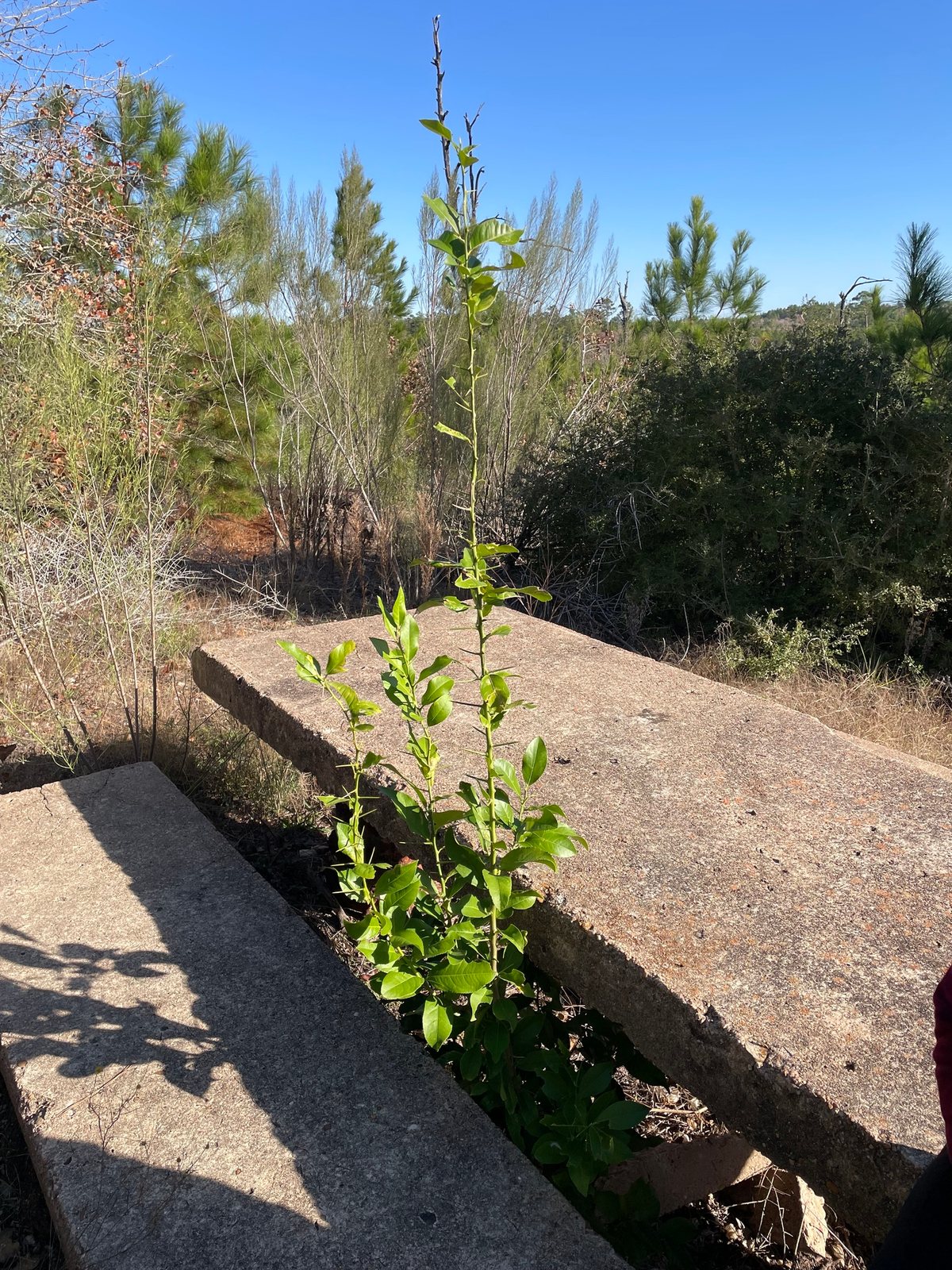
Mandarin is a small evergreen citrus tree grown for fragrant white flowers and sweet, easy-peeling fruit. It fruits best in warm summers with mild winters; in most of the United Kingdom and Canada, grow it in a container and overwinter it in a bright, frost-free place. Cold tolerance, mature size and harvest season vary considerably with cultivar and rootstock.
At a glance
- Sun
- Full sun, ideally at least 6-8 hours daily, with shelter from cold winds.
- Water
- Water deeply, then let the upper soil begin to dry before watering again. Container plants need more frequent checks, especially in hot or windy weather; reduce watering during cool winter conditions.
- Soil
- Well-drained loam or citrus potting mix, ideally slightly acidic. Avoid waterlogged ground, deep planting and persistently wet compost.
- Height
- 10-20 ft (3-6 m); usually smaller on dwarfing rootstocks or in containers
- Spread
- 10-15 ft (3-4.5 m); usually smaller in containers
- Flowers
- Usually spring: small, fragrant white flowers, sometimes followed by scattered flowers later in the year.
- Foliage
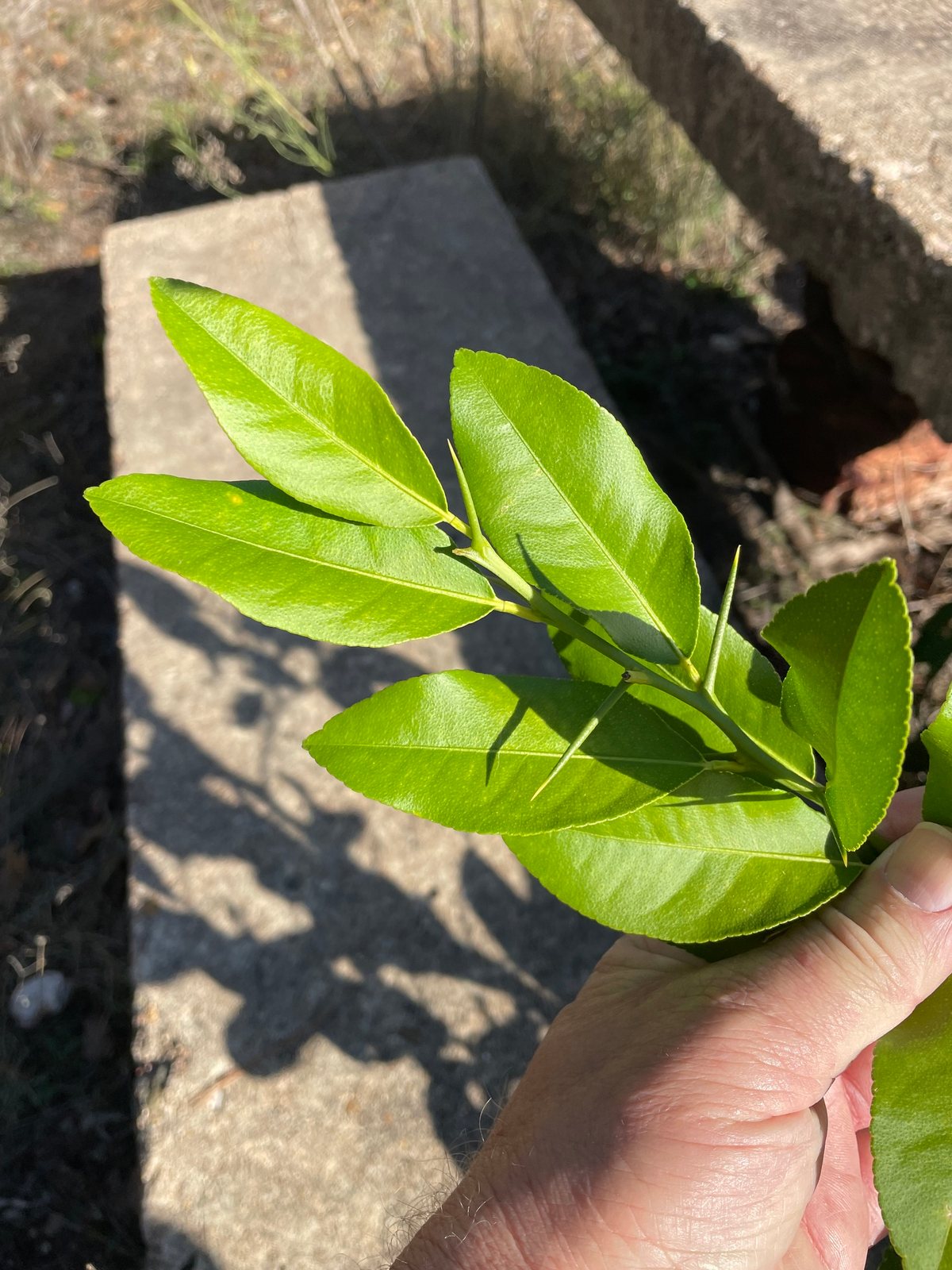
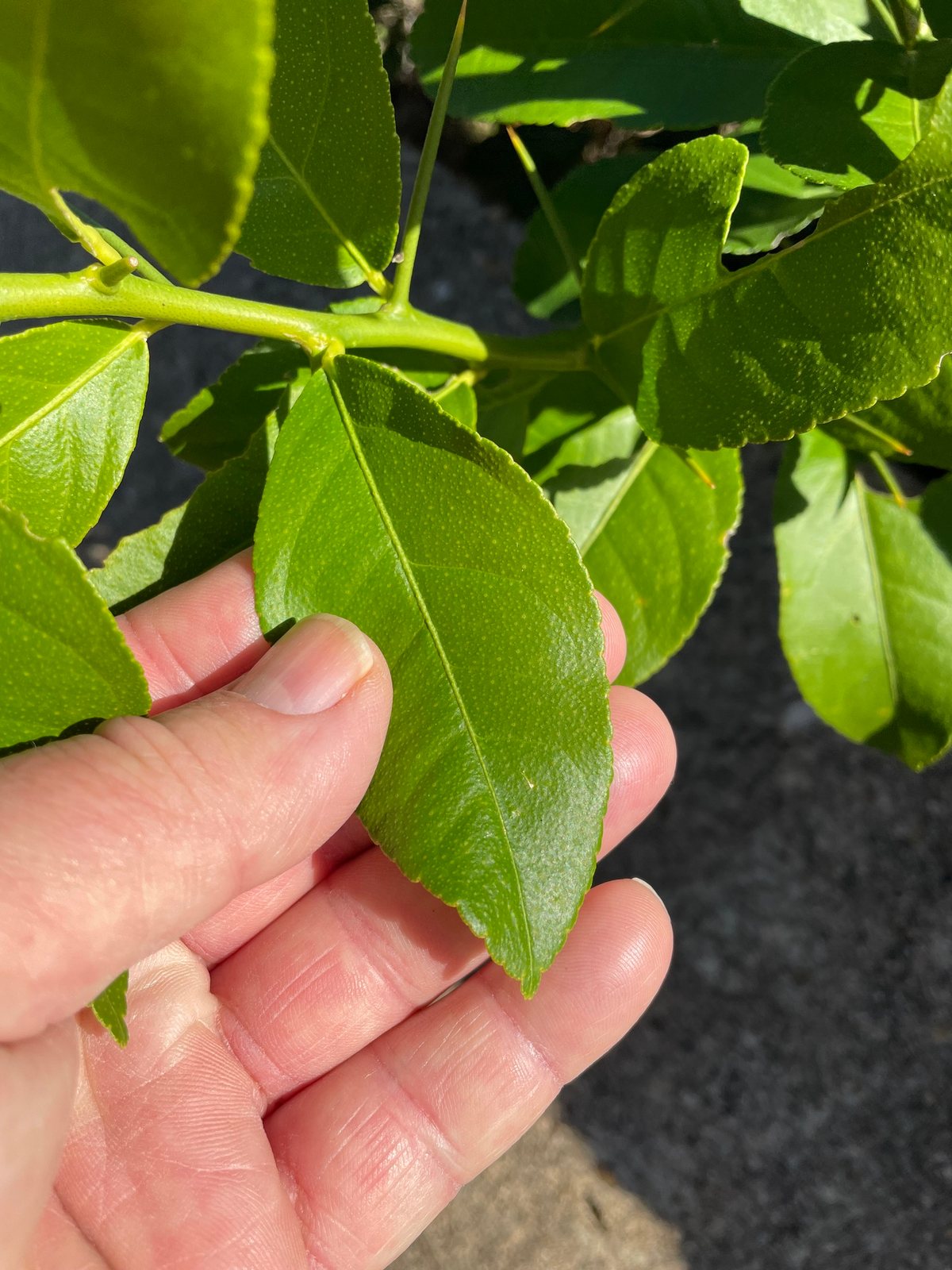
- Evergreen. Glossy, dark green, oval to lance-shaped leaves with narrow or scarcely winged leaf stalks.
- Growth
- Moderate in warm conditions; slow in cool climates.
- Care needed
- Medium
The year at a glance
- Pollinators
- Heat tolerant
- Low allergen
- Fragrant
- Edible
| J | F | M | A | M | J | J | A | S | O | N | D | |
|---|---|---|---|---|---|---|---|---|---|---|---|---|
| Flowers | ||||||||||||
| Fruit | ||||||||||||
| Plant |
Northern hemisphere months. In Australia, shift them by six.
- Difficulty
- Moderate
- Toughness
- Fairly tough
Will it suit your garden?
Pick your zone, country, light and whether you have pets.
Full sun is 6 or more hours of direct sun a day, part shade 3 to 6 hours, shade under 3.
How it grows
Planting day
7 ft (2 m)
After 1 year
7 ft (2.1 m)
After 2 years
7 ft (2.2 m)
After 3 years
8 ft (2.3 m)
After 5 years
8 ft (2.5 m)
About 26 years to full size.
From a typical nursery size, at an average rate for this kind of plant. A rule of thumb, not a forecast.
Good to know
- Cats and dogs
- Toxic
- Growth rate
- Slow
Care
Jobs through the year
- WaterJun–Aug, every 7 days
- Water established roots deeply if the upper soil is drying; check pots and young trees more often.
- WaterApr–May, Sep–Oct, every 14 days
- Water when the upper soil dries; sheltered containers may need more frequent watering.
- WaterJan–Mar, Nov–Dec, every 21 days
- Check sheltered pots and water sparingly when needed; never let the root ball dry completely.
- FeedApr–Aug, every 14 days
- Use citrus feed with trace elements at its labelled rate and interval during active growth.
- PruneApr–May
- After harvest, remove dead or crossing wood and shoots below the graft; avoid heavy cuts.
- MulchMay
- Mulch the root zone, leaving the trunk and graft union clear.
- ProtectJan–Apr, Oct–Dec
- In zone 6–7, keep in a movable pot and overwinter in bright, frost-free shelter.
- ProtectMay–Jun
- Move outside after frost risk passes and gradually acclimatise to direct sun.
- HarvestJan–Mar, Oct–Dec, every 7 days
- Taste a sample for sweetness, then clip ripe fruit with a short stalk attached.
- Plant with the root flare at soil level and keep the graft union above the soil.
- Water the root zone thoroughly without leaving the soil saturated; empty container saucers after watering.
- Apply a citrus fertiliser containing trace elements during active growth, following the label; do not feed a dormant, cold-stressed tree.
- Mulch the root area, leaving a clear gap around the trunk.
- Protect young trees from frost; move containers into bright, frost-free shelter before freezing weather.
- Remove shoots growing from below the graft union.
Pruning. Prune lightly after harvest, once serious frost risk has passed, removing dead, damaged and crossing branches. Avoid heavy pruning, which removes fruiting wood and can expose the trunk and branches to sunburn.
Harvest
Pick mandarins mainly from autumn to early spring—roughly October–March in the US, UK and Canada, and April–September in Australia, depending on variety; UK and most Canadian gardens need protected or indoor overwintering. Harvest full-sized fruit that yields slightly and tastes sweet, since skin colour alone is unreliable and mandarins do not sweeten after picking; clip the stalk rather than pulling.
Through the year
- Late winter
- Check sheltered container plants for scale insects and keep watering modest without allowing the root ball to dry completely.
- Spring
- Begin feeding as growth starts; repot container plants if roots have filled the pot.
- Late spring
- Move overwintered plants outdoors after frost risk has passed, gradually increasing their exposure to direct sun.
- Summer
- Check soil moisture frequently and inspect new shoots for citrus leafminer and sap-feeding insects.
- Autumn
- Prepare frost protection and move container plants under cover before freezing nights.
- Autumn to spring
- Harvest according to cultivar and local season; taste a fruit to judge sweetness because rind colour alone does not reliably show ripeness.
In the garden
- Use as a small specimen tree beside a sunny terrace, where flowers and fruit can be enjoyed close up.
- Grow a dwarf-rootstock tree in a large, well-drained container for a courtyard or patio.
- Include in a home orchard or edible border, leaving access around the canopy for harvesting.
- Pair with low herbs outside the main watering basin to keep the trunk clear and avoid root competition.
Garden styles it suits: Mediterranean, Modern courtyard, Potager (kitchen garden), Backyard orchard, Edible landscape and Sensory garden.
Plant it with: Chives, Thyme, Nasturtiums and Sweet alyssum.
Wildlife: Flowers provide nectar and pollen for bees and other insects. Fallen fruit may attract rodents, so collect it promptly.
Problems to watch for
- Scale insects and mealybugs: inspect stems and leaf undersides; remove small infestations by hand or use a labelled horticultural oil, avoiding hot weather and following application restrictions.
- Citrus leafminer: winding trails distort young leaves; avoid excessive nitrogen and unnecessary pruning that encourages repeated soft growth. Established trees usually tolerate modest damage.
- Root rot: yellowing and decline can follow waterlogging; improve drainage, keep the trunk base dry and never leave pots standing in water.
- Citrus greening disease, also called huanglongbing: uneven blotchy yellowing, misshapen fruit and persistent decline need professional diagnosis. There is no cure; contact your local plant-health authority and do not move suspect plants or propagation material.
Safety
Ripe fruit flesh is edible and is not known to be toxic to people. Leaves, peel and concentrated citrus oils can be toxic to cats and dogs, causing digestive upset or skin irritation; concentrated oils pose a greater risk. Toxicity to horses is not well established, so keep prunings and citrus oils away from them.
Easily confused with
Sweet orange (Citrus × sinensis)
Usually has larger, rounder fruit with a more tightly attached rind; mandarin fruit is often flattened and easier to peel.
Satsuma (Citrus unshiu)
A closely related mandarin commonly sold separately, usually with very loose skin and few or no seeds. Fruit and foliage overlap enough that a reliable cultivar label is the best guide.
Clementine (Citrus × clementina)
A mandarin hybrid with small, sweet fruit, often seedless when grown without compatible pollinisers. Appearance overlaps with mandarins, so identification usually depends on the plant's label.
The name
The botanical epithet reticulata means netted, referring to the net-like fibrous tissue beneath the fruit's rind.
Propagation. Usually propagated by budding or grafting onto a suitable citrus rootstock. Seed-grown trees take several years to fruit and may differ from the parent; use certified disease-free plants and observe local citrus movement restrictions.
Checked against open data
- Accepted botanical name
- Citrus reticulata
- In the US and Canada
- Introduced in the lower 48 states, Pacific Basin and Puerto Rico.
- Native range
- China Southeast.
- Measured
- Average height 600 cm.
Sources: GBIF (CC BY 4.0), USDA PLANTS and Trefle (CC BY 4.0). The care and design notes are LandscapeGPT's own.
See it in your own yard.
Upload a photo of your yard and see it redesigned with plants that suit your climate, each checked against your zone.