Maris Piper potato
Solanum tuberosum 'Maris Piper'. Family Solanaceae. Annual.
Also called Maris Piper.
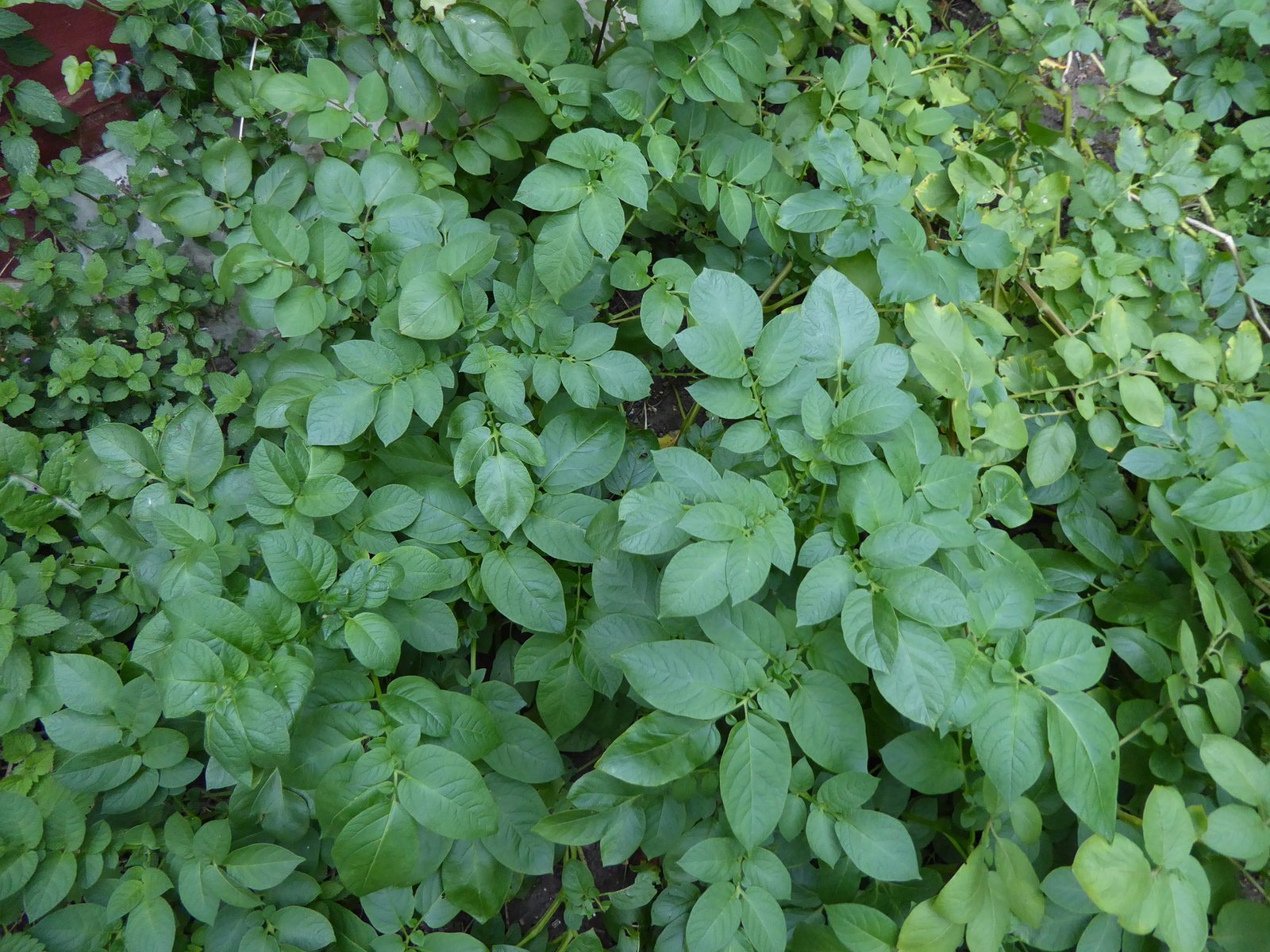
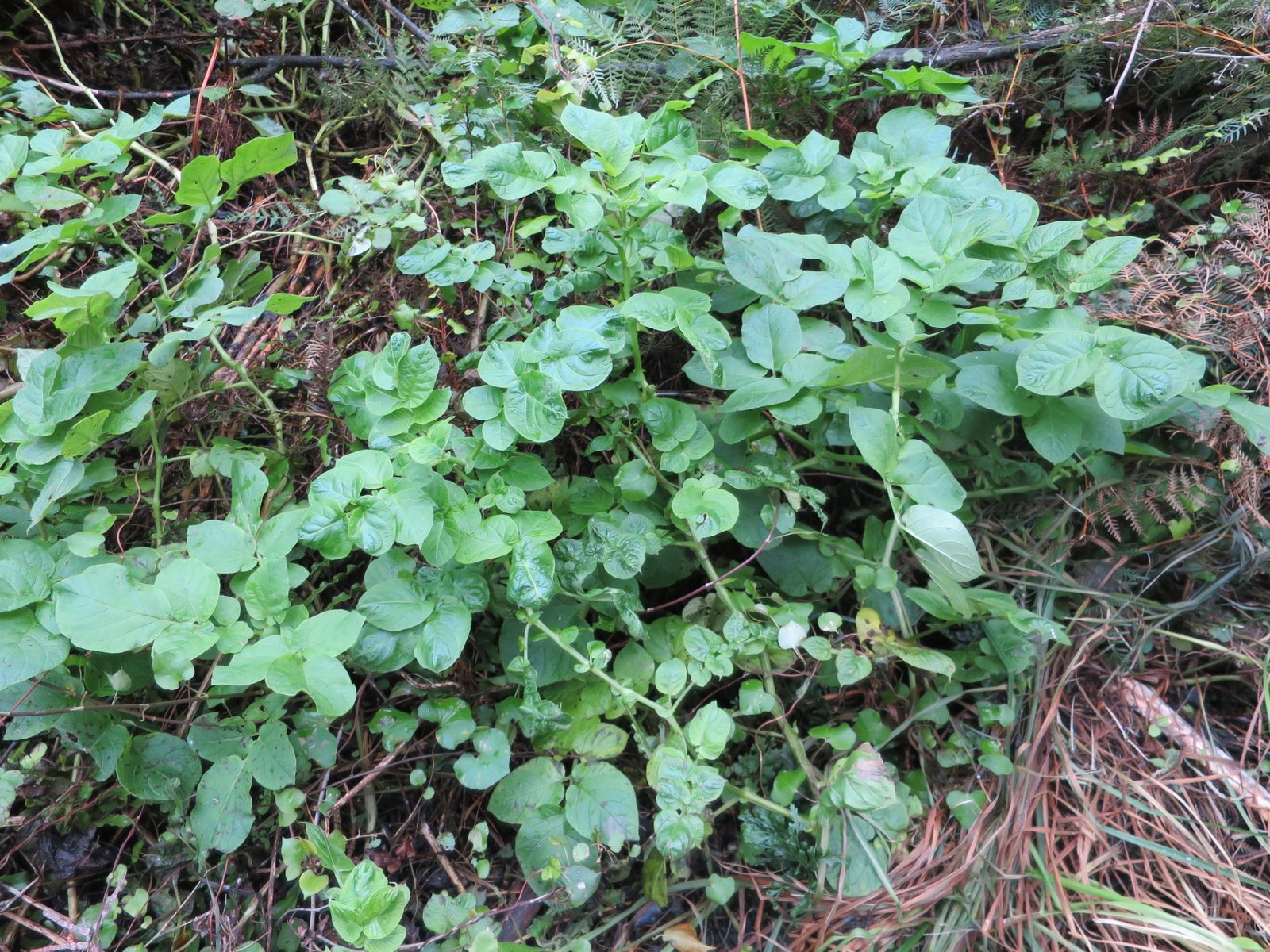
Maris Piper is a maincrop potato grown as an annual for its oval, cream-skinned tubers with white, floury flesh. It is especially useful for roasting, chips and mash, and needs a long, frost-free growing season to produce a full crop.
At a glance
- Sun
- Full sun, ideally at least 6 hours daily.
- Water
- Keep soil evenly moist, especially during flowering and tuber development; avoid waterlogging.
- Soil
- Loose, fertile, well-drained soil, preferably slightly acidic at pH 5.0-6.0. Avoid recently limed ground, which encourages common scab.
- Height
- 2-3 ft (0.6-0.9 m)
- Spread
- 1.5-2 ft (0.45-0.6 m)
- Flowers
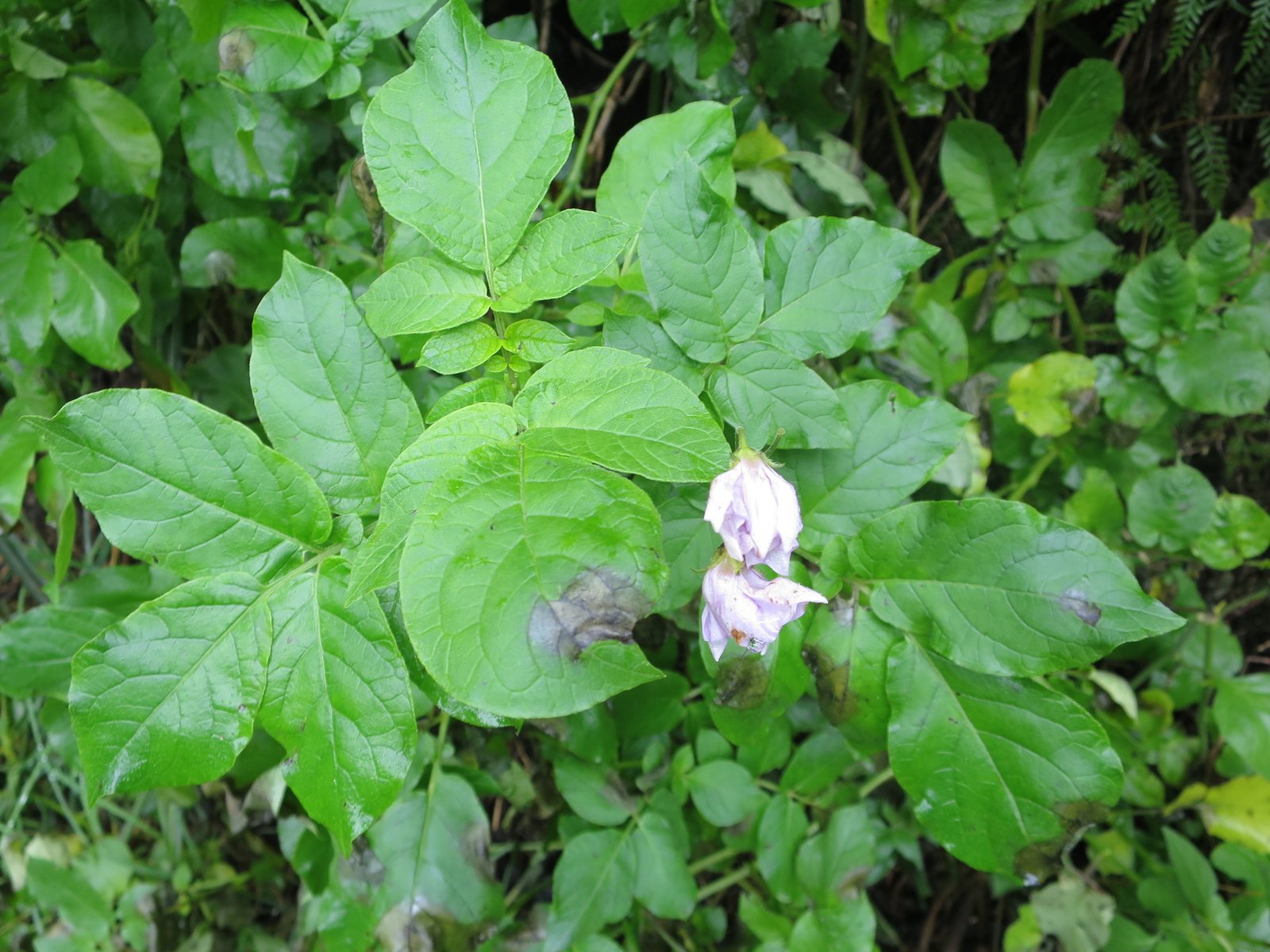
- Pale violet flowers in summer; flowering varies and is not a reliable guide to harvest readiness.
- Foliage
- Green, divided leaves on upright to sprawling stems; foliage yellows and dies back as the crop matures.
- Growth
- Fast during the growing season.
- Care needed
- Medium
The year at a glance
- Pollinators
- Low allergen
- Edible
| J | F | M | A | M | J | J | A | S | O | N | D | |
|---|---|---|---|---|---|---|---|---|---|---|---|---|
| Flowers | ||||||||||||
| Fruit | ||||||||||||
| Plant |
Northern hemisphere months. In Australia, shift them by six.
- Difficulty
- Moderate
- Toughness
- Needs looking after
Will it suit your garden?
Pick your zone, country, light and whether you have pets.
Full sun is 6 or more hours of direct sun a day, part shade 3 to 6 hours, shade under 3.
How it grows
Planting day
0.5 ft (0.15 m)
After 1 year
2.5 ft (0.75 m)
full size
Full size in one season.
From a typical nursery size, at an average rate for this kind of plant. A rule of thumb, not a forecast.
Good to know
- Cats and dogs
- Toxic
- Growth rate
- Fast
Care
Jobs through the year
- WaterApr–May, every 7 days
- Water established rows when rainfall is insufficient; keep soil moist but not waterlogged.
- WaterJun–Aug, every 5 days
- Check moisture and water deeply if needed during tuber swelling; reduce watering as foliage yellows.
- FeedMar–Apr
- Before planting, incorporate mature compost and a balanced vegetable fertilizer at label rates.
- MulchApr–Jun, every 14 days
- Earth up growing stems with loose soil, keeping all developing tubers covered to prevent greening.
- ProtectApr–May
- Cover emerging shoots with fleece or loose soil whenever frost is forecast.
- PruneAug–Oct
- Cut naturally yellowed tops to ground level; remove blighted foliage immediately whenever it appears.
- HarvestAug–Oct
- Lift 18–22 weeks after planting when skins resist rubbing; store sound tubers cool, dark and frost-free.
- Plant certified seed potatoes about 4-6 in (10-15 cm) deep and 12-15 in (30-38 cm) apart, with 30 in (75 cm) between rows.
- Earth up around growing stems in stages, keeping developing tubers covered to prevent greening.
- Water deeply during dry spells, particularly while tubers are swelling; containers need frequent checks.
- Work mature compost into the bed before planting and use a balanced vegetable fertiliser according to its label; avoid excessive nitrogen.
- Protect emerging shoots from frost with fleece or loose soil.
- Rotate potatoes and other nightshade crops, allowing at least three years before returning potatoes to the same bed.
Pruning. Routine pruning is unnecessary. Once the foliage naturally yellows, cut it off at ground level; remove blight-infected foliage promptly and keep it out of home compost.
Harvest
Lift mature tubers roughly 18-22 weeks after planting, usually in late summer or autumn, once the foliage has died back and the skins resist rubbing off. If soil conditions are dry and healthy, leave tubers in the ground for about two weeks after removing the tops to help skins set, then lift carefully with a fork and store sound, dry potatoes somewhere cool, dark and frost-free.
Through the year
- Late winter
- Obtain certified seed potatoes; optionally sprout them in a cool, bright, frost-free place.
- Spring
- Plant when soil is workable and warming; time emergence to avoid hard frosts.
- Late spring
- Earth up shoots and protect tender growth during cold nights.
- Summer
- Water during dry weather, keep tubers covered and check foliage for blight and insect damage.
- Late summer to autumn
- Allow the crop to mature, remove dying tops and lift once skins have set.
- Autumn
- Remove missed tubers and crop debris; check stored potatoes regularly and discard rotten ones.
In the garden
- Plant in orderly rows in a kitchen garden, leaving room for earthing up and harvesting.
- Use a dedicated raised bed for a productive seasonal block of green foliage.
- Grow in large, deep containers on a sunny patio where garden soil is unsuitable.
- Include in a potager with low edging plants outside the earthing-up area.
Garden styles it suits: Potager (kitchen garden), Cottage garden, Farmhouse, Homestead, Edible landscape and Traditional.
Plant it with: Dwarf French beans, Cabbage, Kale, Lettuce and Sweet alyssum.
Wildlife: Flowers may attract pollen-collecting bees. Leaves and tubers feed various insects and slugs; this is primarily a food crop rather than a wildlife planting.
Problems to watch for
- Late blight: dark, spreading leaf lesions and collapsing stems develop in damp weather. Remove affected foliage promptly, avoid wetting leaves and discard infected tubers.
- Common scab: corky patches develop on tuber skins. Avoid liming before planting and maintain steady moisture during early tuber development.
- Slugs: holes and tunnels spoil tubers. Reduce damp hiding places, lift mature crops promptly and use locally approved slug controls if needed.
- Colorado potato beetle, especially in North America: adults and larvae strip leaves. Check leaf undersides for orange egg clusters, hand-pick beetles and larvae, and use locally approved controls for serious infestations.
Safety
Leaves, stems, sprouts and berries contain toxic glycoalkaloids and can poison people, cats, dogs and horses. Green, damaged or bitter tubers may also contain unsafe levels; significant ingestion can cause digestive and neurological illness. Do not eat berries, sprouts or green or bitter potatoes, and keep them away from children and animals; cooking does not reliably destroy these toxins. Sound, non-green tubers are the edible crop.
Easily confused with
Tomato (Solanum lycopersicum)
Tomatoes usually have yellow flowers and form their edible crop above ground. Potato berries can resemble small green tomatoes but are poisonous; potatoes produce their edible tubers underground.
Black nightshade (Solanum nigrum)
Black nightshade has simple leaves rather than the potato's divided leaves, small white flowers and berries that usually ripen black. Do not identify edible plants by berries alone.
The name
The 'Maris' part of the cultivar name refers to the Plant Breeding Institute's former site at Maris Lane in Cambridge, England.
Propagation. Grow from certified seed tubers to preserve the cultivar and reduce disease risk. Small tubers can be planted whole; seedlings grown from berries will not reliably come true to Maris Piper. Seed-potato availability and import restrictions vary by country.
Checked against open data
- Accepted botanical name
- Solanum tuberosum
- In the US and Canada
- Introduced in Hawaii, the lower 48 states and Puerto Rico.
- Native range
- Argentina Northwest, Argentina South, Bolivia, Chile Central, Chile North, Chile South, Colombia, Ecuador, Peru and Venezuela.
- Measured
- Soil pH 7.5 to 8. Average height 37 cm.
Sources: GBIF (CC BY 4.0), USDA PLANTS and Trefle (CC BY 4.0). The care and design notes are LandscapeGPT's own.
See it in your own yard.
Upload a photo of your yard and see it redesigned with plants that suit your climate, each checked against your zone.