Mary Nell holly
Ilex 'Mary Nell'. Family Aquifoliaceae. Shrub.
Also called Ilex 'Mary Nell'.
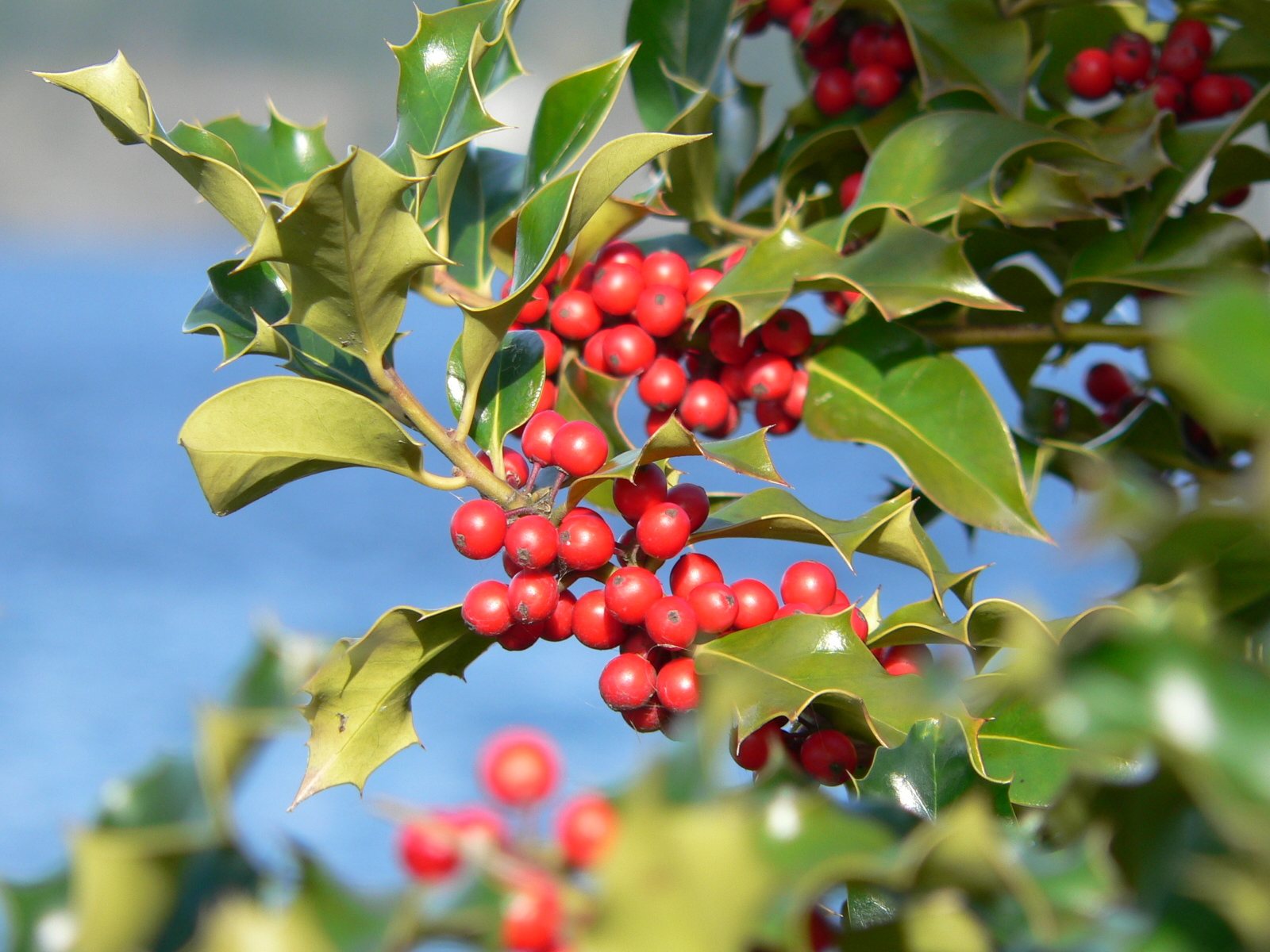
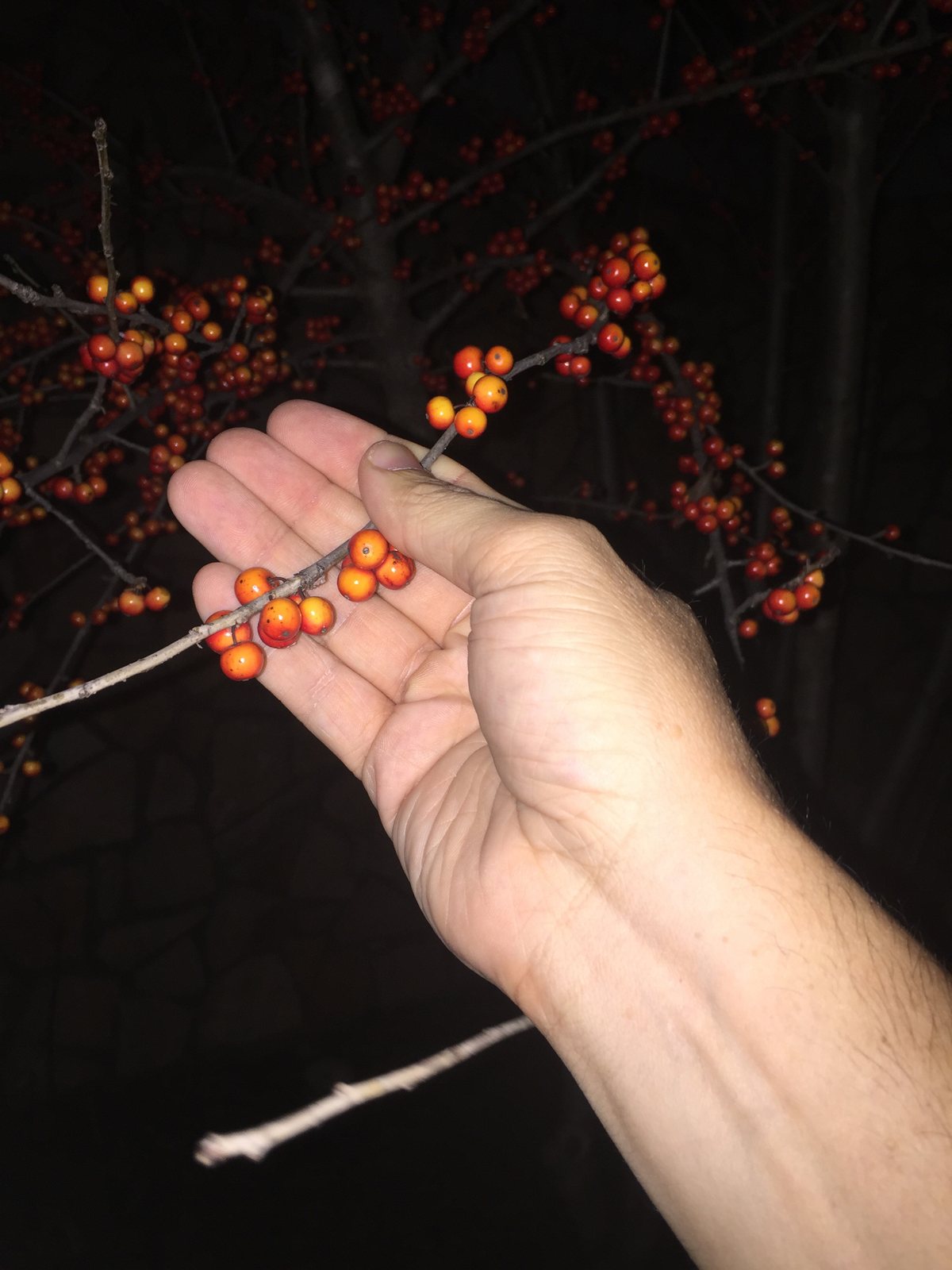
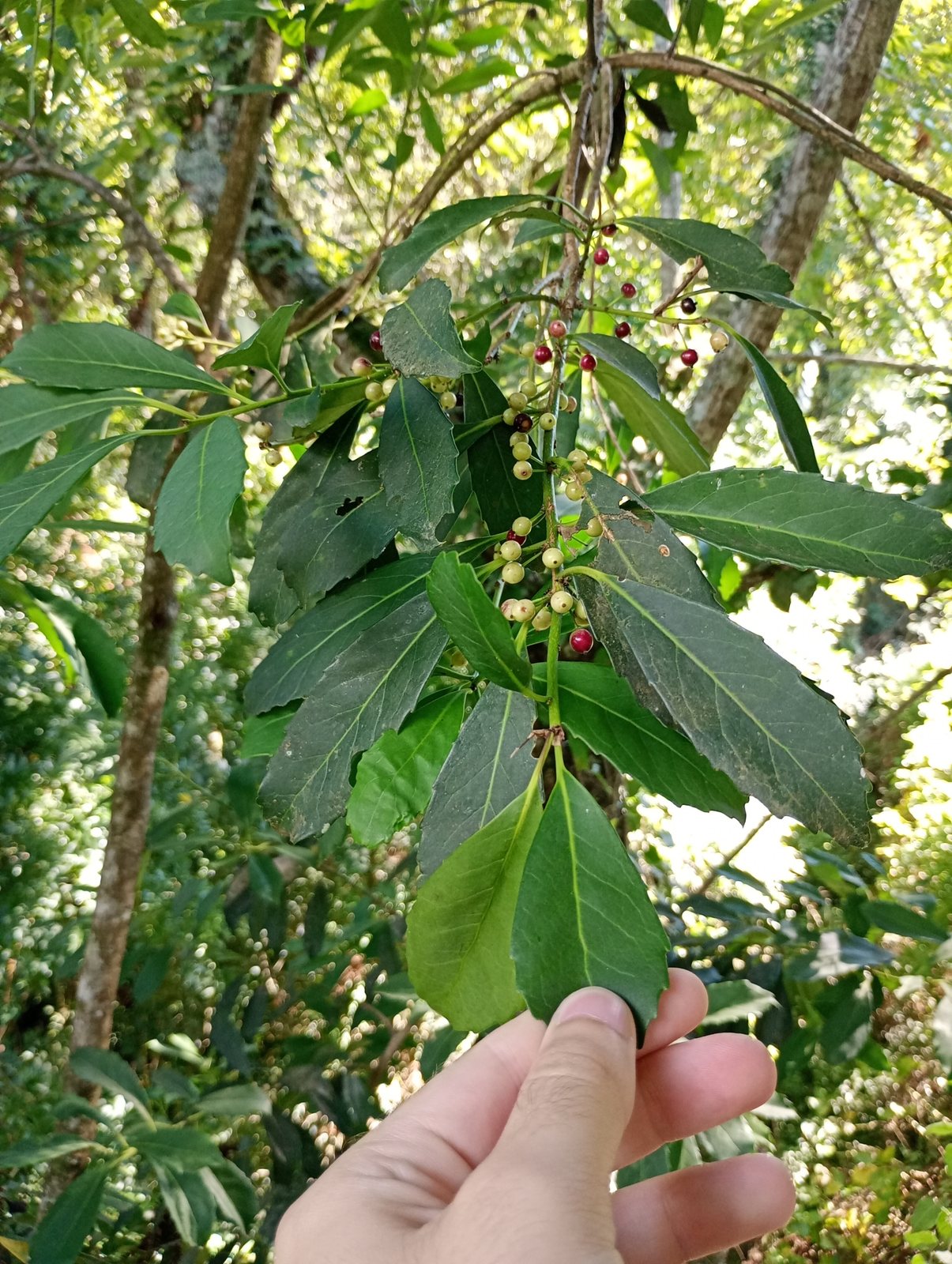
Mary Nell holly is a large evergreen shrub with a dense, broadly pyramidal shape, glossy spiny leaves and red berries that can last into winter. Grow it as a substantial screen or specimen, allowing room for its mature width. It is a female cultivar and needs a compatible male holly flowering nearby for reliable berry production.
At a glance
- Sun
- Full sun to partial shade; growth is denser and berry production usually better in sun.
- Water
- Moderate; keep the root zone evenly moist while establishing, then water during prolonged dry spells.
- Soil
- Moist but well-drained, acidic soil enriched with organic matter; avoid waterlogged ground and strongly alkaline soil.
- Height
- 15-25 ft (4.6-7.6 m)
- Spread
- 10-15 ft (3-4.6 m)
- Flowers
- Small, creamy-white flowers in spring; inconspicuous among the leaves.
- Foliage
- Large, glossy, dark green leaves with numerous sharp marginal spines; dense evergreen cover.
- Growth
- Moderate.
- Care needed
- Low
The year at a glance
- Pollinators
- Heat tolerant
- Wildlife
- Low allergen
| J | F | M | A | M | J | J | A | S | O | N | D | |
|---|---|---|---|---|---|---|---|---|---|---|---|---|
| Flowers | ||||||||||||
| Fruit | ||||||||||||
| Plant |
Northern hemisphere months. In Australia, shift them by six.
- Difficulty
- Easy
- Toughness
- Very tough
Will it suit your garden?
Pick your zone, country, light and whether you have pets.
Full sun is 6 or more hours of direct sun a day, part shade 3 to 6 hours, shade under 3.
How it grows
Planting day
2.4 ft (0.73 m)
After 1 year
6 ft (1.8 m)
After 2 years
9 ft (2.9 m)
After 3 years
13 ft (4 m)
After 5 years
20 ft (6.1 m)
full size
About 5 years to full size.
From a typical nursery size, at an average rate for this kind of plant. A rule of thumb, not a forecast.
Good to know
- Cats and dogs
- Toxic
- Growth rate
- Moderate
Care
Jobs through the year
- WaterMar–May, Sep–Nov, every 14 days
- Deep-water established shrubs only when soil is drying; water young shrubs more often for their first two years.
- WaterJun–Aug, every 14 days
- Water established shrubs deeply during prolonged dry spells; keep young plants evenly moist.
- FeedMar–Apr
- Feed lightly only if growth is weak or a soil test indicates a need.
- PruneFeb–Mar
- Remove dead, crossing or misplaced branches; shorten selectively rather than shearing.
- MulchMar–Apr
- Maintain 5-8 cm of organic mulch without covering stem bases.
- ProtectJan–Feb, Dec
- Gently lift heavy, loose snow from branches before they bend or split.
- Water deeply during the first two growing seasons whenever the root zone begins to dry.
- Apply 2-3 in (5-8 cm) of organic mulch, keeping it away from the stems.
- Feed lightly in spring only if growth is weak or a soil test indicates a need.
- Provide a compatible male holly with overlapping spring bloom if you want berries; another female plant will not pollinate it.
- Allow for its mature width rather than relying on frequent shearing to keep it small.
Pruning. Prune in late winter or early spring before new growth, removing dead, crossing or misplaced branches and shortening shoots selectively. Avoid repeated shearing if you want berries, since it removes flowering and fruiting growth.
Through the year
- Late winter
- Remove dead or damaged branches and make any necessary shaping cuts.
- Spring
- Plant when the soil is workable, water thoroughly and mulch the root zone.
- Spring
- Check that a compatible male holly flowers at the same time if berry production is important.
- Summer
- Water young plants deeply during dry weather and check leaves for scale insects.
- Autumn
- Check soil moisture before winter and replenish mulch without piling it against stems.
- Winter
- Enjoy the berries and leave fruit for birds; gently lift heavy snow from branches if needed.
In the garden
- Plant as a tall evergreen boundary screen, leaving enough space for the shrubs to develop their natural width.
- Use a single specimen as a dark green backdrop to hydrangeas and flowering perennials.
- Repeat along a broad drive or property edge for a consistent pyramidal outline.
- Combine with witch hazels, dogwoods and early bulbs for a winter-interest planting.
Garden styles it suits: Traditional, Southern, Formal, Grand estate, Woodland and Winter interest.
Plant it with: Oakleaf hydrangea, Camellia, Witch hazel, Japanese pieris, Hellebore and Daffodil.
Wildlife: Flowers attract bees and other pollinating insects. Birds eat the berries, often later in winter, and the dense branches provide shelter and nesting cover.
Problems to watch for
- Yellow leaves with green veins: alkaline soil can make iron unavailable; test the soil and address pH rather than repeatedly adding general fertiliser.
- Scale insects and sooty mould: inspect stems and leaf undersides; use a labelled horticultural oil at the appropriate stage and avoid spraying during excessive heat.
- Root rot or dieback in wet ground: improve drainage and reduce watering; badly affected plants may need replacing in a better-drained position.
- Few or no berries: check for a compatible male holly flowering nearby, increase sunlight where practical and avoid pruning away flowering growth.
Safety
Treat the berries and leaves as toxic to people, cats, dogs and horses. Eating them can cause vomiting, diarrhoea and abdominal discomfort; berries are the main ingestion risk. Keep children and pets from eating fallen fruit, and seek medical or veterinary advice after ingestion.
Easily confused with
Nellie R. Stevens holly (Ilex 'Nellie R. Stevens')
Has similarly glossy leaves and a pyramidal habit, but its leaves usually have fewer, more widely spaced marginal spines than Mary Nell.
Burford holly (Ilex cornuta 'Burfordii')
Its broad, glossy leaves usually have a single prominent spine at the tip, rather than the many marginal spines of Mary Nell.
Propagation
Propagation. Root semi-ripe cuttings in summer, usually with rooting hormone and controlled humidity. Seed does not reproduce the named cultivar and may take a long time to germinate.
Checked against open data
- Accepted botanical name
- Ilex
Sources: GBIF (CC BY 4.0). The care and design notes are LandscapeGPT's own.
See it in your own yard.
Upload a photo of your yard and see it redesigned with plants that suit your climate, each checked against your zone.