Mexican orange blossom 'Aztec Pearl'
Choisya × dewitteana 'Aztec Pearl'. Family Rutaceae. Shrub.
Also called Choisya 'Aztec Pearl', Mexican orange 'Aztec Pearl'.
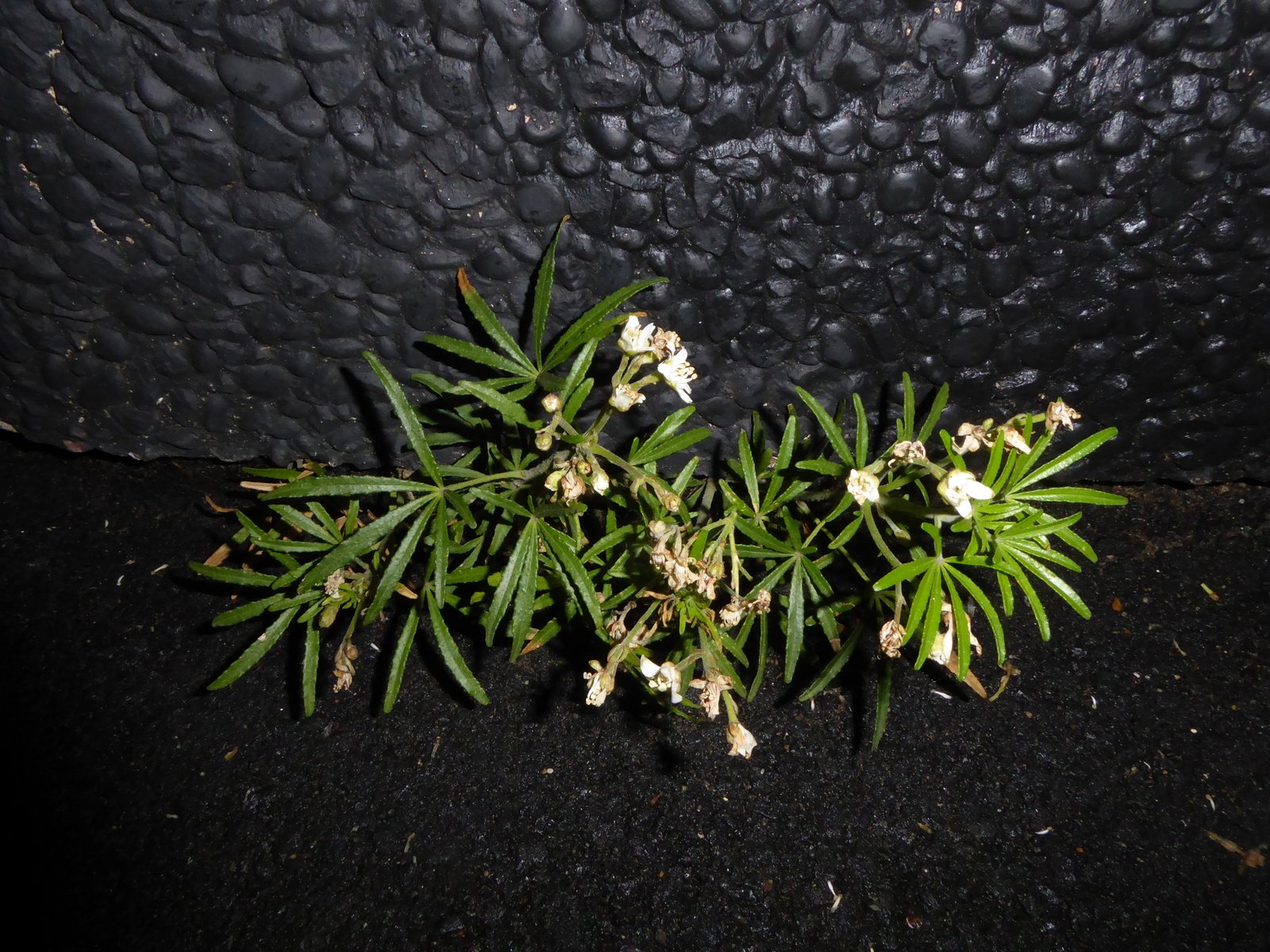
'Aztec Pearl' is a rounded evergreen shrub grown for its narrow, aromatic leaves and fragrant white flowers. It flowers mainly in spring, sometimes repeating in late summer or autumn, and makes a useful specimen or informal hedge in a sheltered garden.
At a glance
- Sun
- Full sun to partial shade; give afternoon shade in hot climates and shelter from cold, drying winds.
- Water
- Water regularly while establishing. Once rooted, it tolerates short dry spells, but water deeply during prolonged drought.
- Soil
- Well-drained soil, preferably moderately fertile; tolerates acid, neutral and alkaline conditions. Avoid waterlogged ground.
- Height
- 5-8 ft (1.5-2.5 m)
- Spread
- 5-8 ft (1.5-2.5 m)
- Flowers
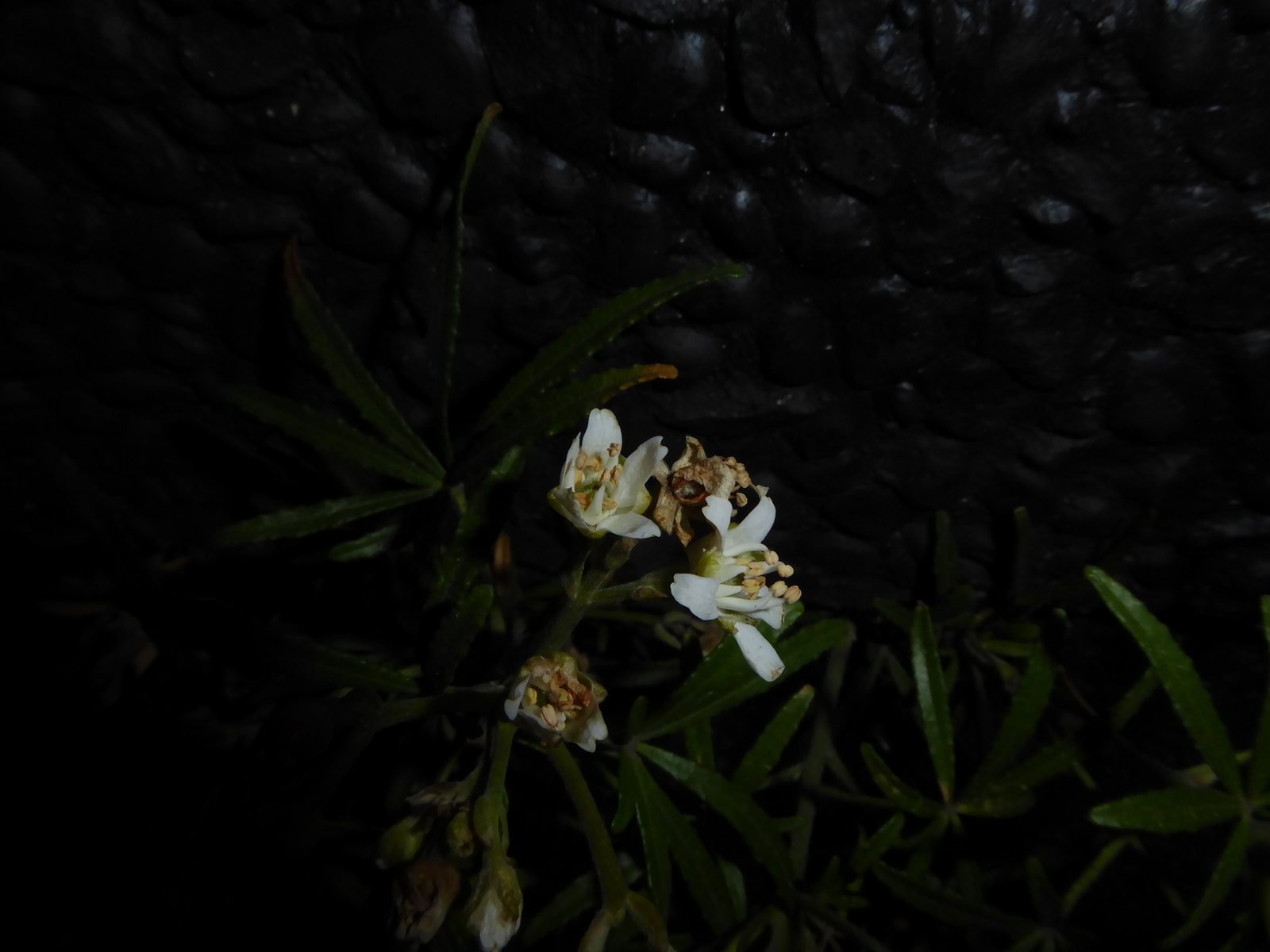
- Pink-tinged buds open to fragrant white flowers in mid- to late spring; a lighter repeat flowering may follow in late summer or autumn.
- Foliage
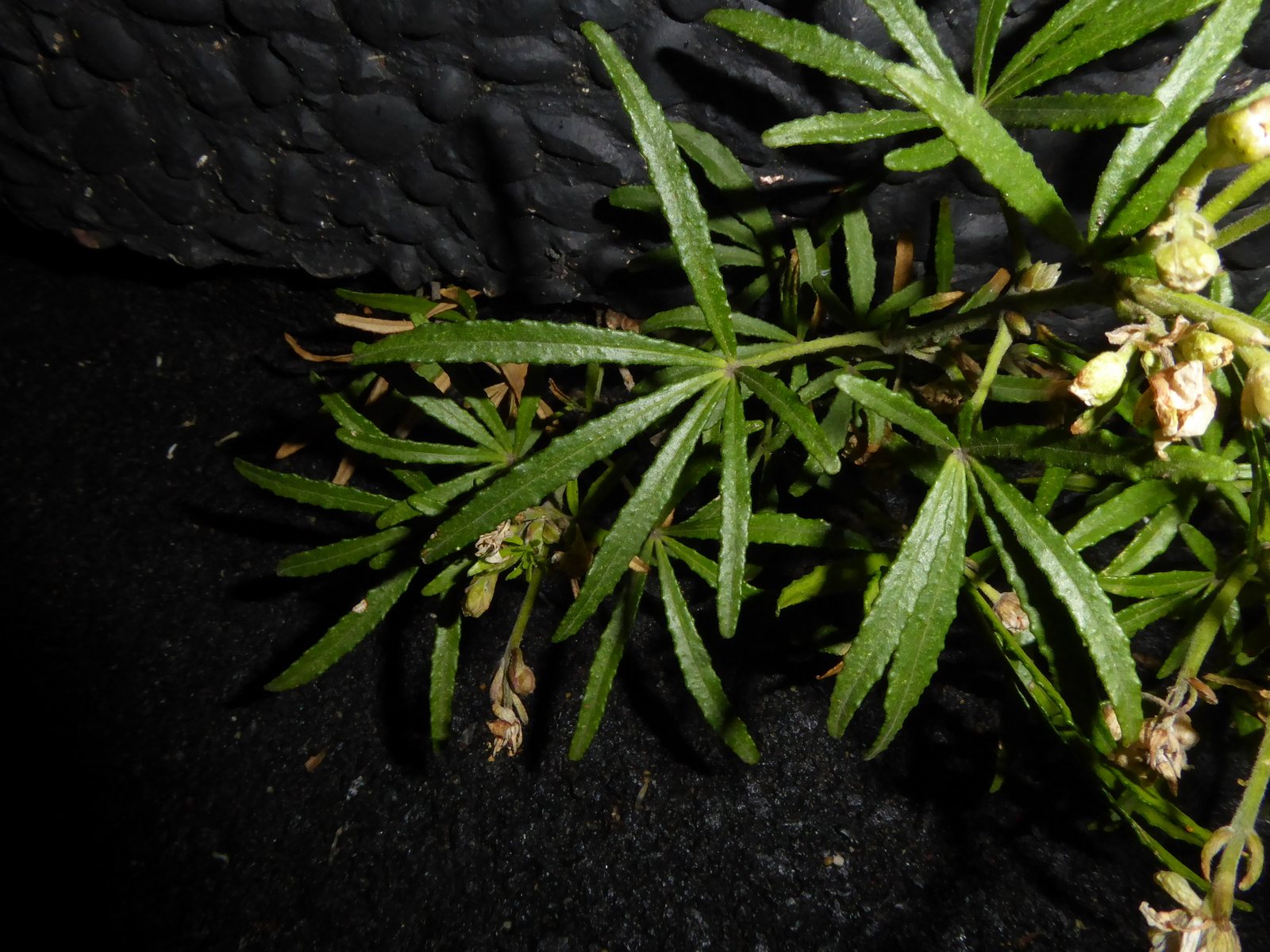
- Glossy evergreen leaves divided into three to five narrow leaflets; foliage has a strong citrus-like scent when crushed.
- Growth
- Moderate
- Care needed
- Low
The year at a glance
- Pollinators
- Deer resistant
- Drought tolerant
- Heat tolerant
- Wildlife
- Low allergen
- Fragrant
| J | F | M | A | M | J | J | A | S | O | N | D | |
|---|---|---|---|---|---|---|---|---|---|---|---|---|
| Flowers | ||||||||||||
| Plant |
Northern hemisphere months. In Australia, shift them by six.
- Difficulty
- Easy
- Toughness
- Fairly tough
Will it suit your garden?
Pick your zone, country, light and whether you have pets.
Full sun is 6 or more hours of direct sun a day, part shade 3 to 6 hours, shade under 3.
How it grows
Planting day
1.6 ft (0.5 m)
After 1 year
2.6 ft (0.8 m)
After 2 years
4 ft (1.1 m)
After 3 years
5 ft (1.4 m)
After 5 years
7 ft (2 m)
full size
About 5 years to full size.
From a typical nursery size, at an average rate for this kind of plant. A rule of thumb, not a forecast.
Good to know
- Cats and dogs
- Safe
- Growth rate
- Moderate
Care
Jobs through the year
- WaterApr–May, Sep–Oct, every 14 days
- Water established shrubs only when soil is dry and rainfall insufficient; water young plants more frequently.
- WaterJun–Aug, every 10 days
- Water established shrubs deeply during prolonged dry spells; young plants need closer attention.
- MulchApr
- Apply 5–8 cm of organic mulch, keeping it clear of the stems.
- FeedApr
- Feed lightly with a balanced fertilizer only if growth is weak or soil is poor.
- PruneApr
- Once new growth appears, remove frost-damaged shoots back to healthy wood.
- PruneMay–Jun
- Lightly trim after the main spring flowering to maintain a rounded shape.
- ProtectJan–Mar, Nov–Dec
- Shelter from cold winds and fleece young plants during severe frost; in zone 6 use frost-free container shelter.
- Plant in spring in colder areas; autumn planting suits mild climates.
- Water deeply during the first growing season, allowing the surface soil to dry slightly between waterings.
- Apply a 2-3 in (5-8 cm) mulch in spring, keeping it clear of the stems.
- Feed lightly in spring only if growth is weak or the soil is poor.
- Protect young plants from severe frost and cold winds, especially near the colder end of their range.
Pruning. Trim lightly just after the main spring flowering to maintain a rounded shape or informal hedge. Remove frost-damaged shoots in spring once healthy new growth shows where to cut.
Through the year
- Early spring
- Check for winter damage; wait for new growth before removing frost-killed shoots.
- Spring
- Plant in colder districts and mulch established shrubs, keeping mulch away from the stems.
- Late spring
- After the main flowers fade, lightly trim any shoots that spoil the shape.
- Summer
- Water new plants during dry weather and established plants during prolonged drought.
- Late summer
- Take semi-ripe cuttings from healthy, non-flowering shoots.
- Autumn
- Plant in mild districts while the soil is warm; avoid pruning that encourages tender new growth.
- Winter
- Protect young or exposed plants during severe freezes and check that the root zone drains freely.
In the garden
- Plant beside a path or seating area where the spring flower scent can be enjoyed.
- Use as an informal evergreen hedge or a rounded backdrop to lower flowering plants.
- Combine with lavender and shrubby salvias in a sunny, well-drained border.
- Use the fine-textured foliage to contrast with broad-leaved shrubs in a sheltered courtyard.
- Include in a white-flowered border for spring flowers and year-round structure.
Garden styles it suits: English country, Modern courtyard, Mediterranean, Sensory garden, White garden and Low-maintenance.
Plant it with: Lavender, Rosemary, Hardy geraniums, Shrubby salvias, Hebes and Pittosporum.
Wildlife: The flowers provide nectar and pollen for bees and other visiting insects; dense evergreen growth offers shelter for small birds.
Problems to watch for
- Root rot in wet soil: improve drainage or move the shrub to a raised position; do not keep the root zone constantly saturated.
- Frost scorch and wind damage: choose a sheltered site, protect young plants during severe cold, and remove damaged growth after spring regrowth begins.
- Spider mites in hot, dry conditions: look for fine stippling and webbing, rinse foliage thoroughly, and prevent severe drought stress.
- Slugs and snails on soft new growth: inspect young plants after dark, remove pests and use iron-based slug bait according to its label if needed.
Safety
Not known to be toxic to people, cats, dogs or horses. No particular part is recognised as poisonous, but it is an ornamental shrub, not an edible plant; discourage pets and children from eating it.
Easily confused with
Mexican orange blossom (Choisya ternata)
Usually has three much broader, oval leaflets; 'Aztec Pearl' has narrower, more pointed leaflets and a finer-textured appearance.
Mock orange (Philadelphus coronarius)
Has simple, toothed leaves and loses them in winter; its white flowers usually have four petals, whereas 'Aztec Pearl' typically has five.
The name
Choisya honours the Swiss botanist Jacques Denis Choisy, while Mexican orange blossom refers to the plant's Mexican ancestry and orange-blossom-like flower scent.
Propagation. Take semi-ripe cuttings in late summer and root them in a free-draining medium under cover. Cuttings preserve the cultivar; seedlings, if produced, will not reliably resemble 'Aztec Pearl'.
Checked against open data
- Accepted botanical name
- Choisya dewitteana
Sources: GBIF (CC BY 4.0). The care and design notes are LandscapeGPT's own.
See it in your own yard.
Upload a photo of your yard and see it redesigned with plants that suit your climate, each checked against your zone.