Mexican oregano
Lippia graveolens. Family Verbenaceae. Shrub.
Also called Orégano mexicano, Scented lippia.
Mexican oregano is a heat-loving woody shrub grown for aromatic leaves used fresh or dried in Mexican cooking. Unrelated to Mediterranean oregano, it has a strong oregano-like flavour with citrus notes and small flowers that attract pollinators. In cold climates, grow it in a container and overwinter it indoors.
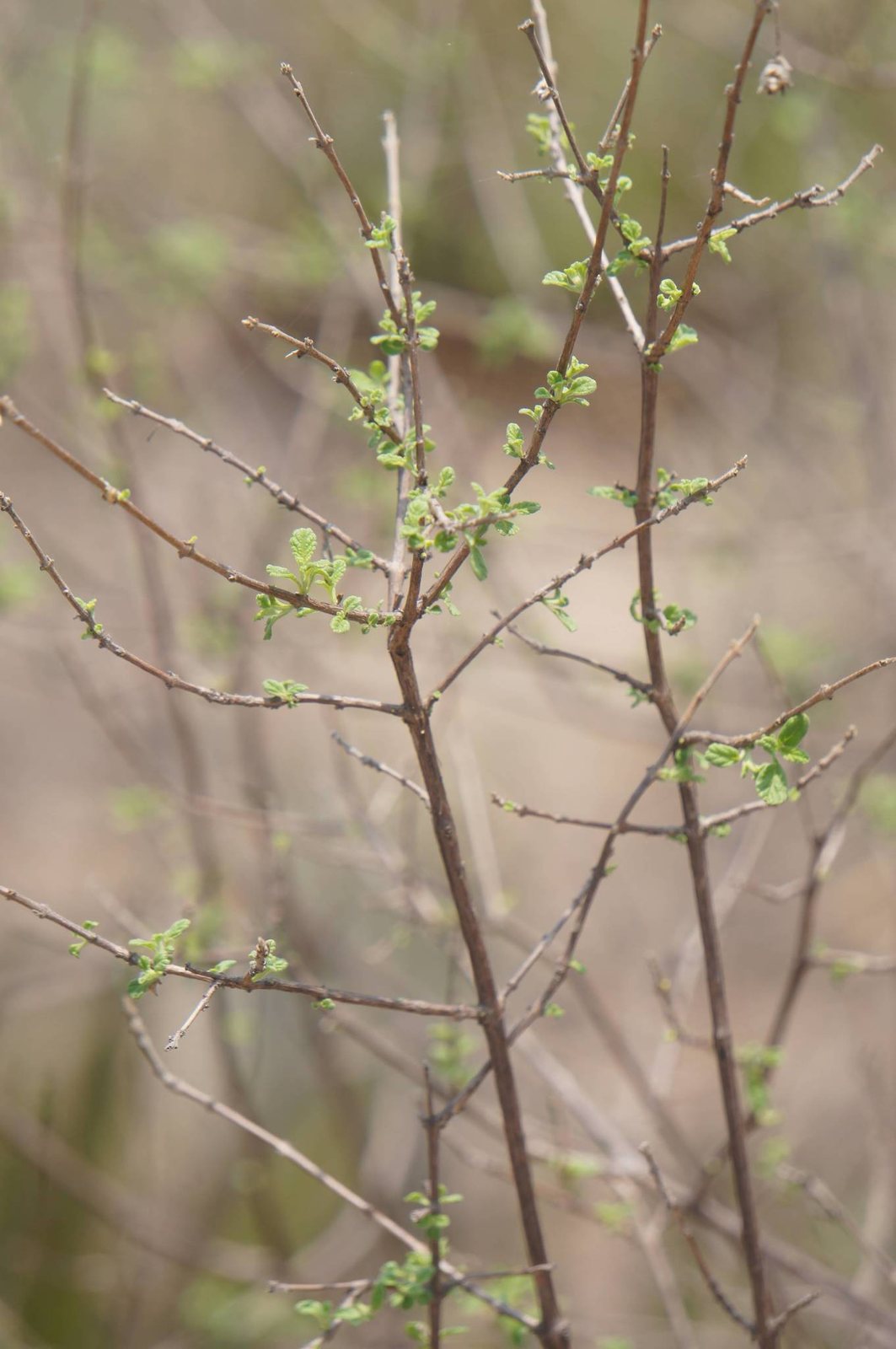
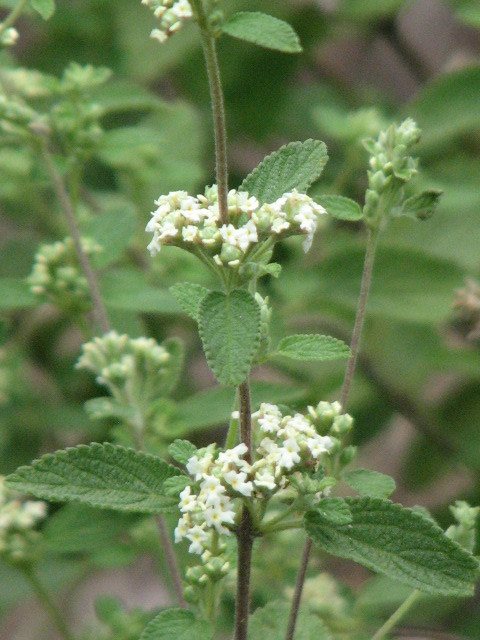
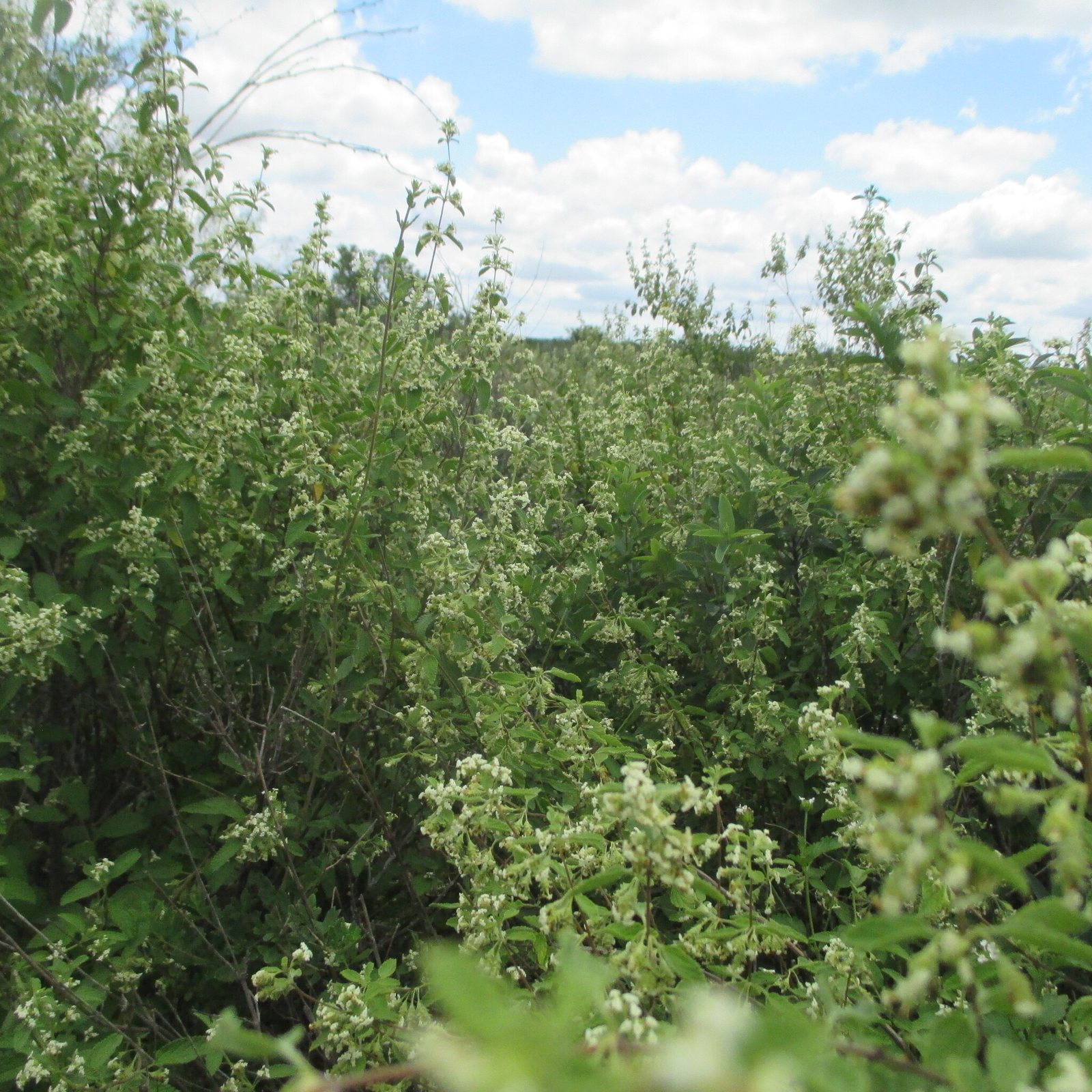
At a glance
- Sun
- Full sun; tolerates light afternoon shade in very hot climates.
- Water
- Low once established in the ground; water containers when the upper soil has dried.
- Soil
- Well-drained sandy, gravelly or loamy soil; tolerates moderately alkaline conditions but not persistent waterlogging.
- Height
- 3-6 ft (0.9-1.8 m)
- Spread
- 3-5 ft (0.9-1.5 m)
- Flowers
- Small white to cream flowers in clusters, mainly from summer into autumn; flowering can continue longer in frost-free climates.
- Foliage
- Evergreen. Small, opposite, oval leaves with toothed edges, a slightly rough texture and a strong scent when rubbed.
- Growth
- Moderate to fast in warm weather.
- Care needed
- Low
The year at a glance
- Pollinators
- Deer resistant
- Drought tolerant
- Heat tolerant
- Low allergen
- Fragrant
- Edible
| J | F | M | A | M | J | J | A | S | O | N | D | |
|---|---|---|---|---|---|---|---|---|---|---|---|---|
| Flowers | ||||||||||||
| Fruit | ||||||||||||
| Plant |
Northern hemisphere months. In Australia, shift them by six.
- Difficulty
- Moderate
- Toughness
- Fairly tough
Will it suit your garden?
Pick your zone, country, light and whether you have pets.
Full sun is 6 or more hours of direct sun a day, part shade 3 to 6 hours, shade under 3.
How it grows
Planting day
1.6 ft (0.5 m)
After 1 year
2.3 ft (0.71 m)
After 2 years
3 ft (0.93 m)
After 3 years
4 ft (1.1 m)
After 5 years
4 ft (1.4 m)
full size
About 4 years to full size.
From a typical nursery size, at an average rate for this kind of plant. A rule of thumb, not a forecast.
Good to know
- Cats and dogs
- Safe
- Growth rate
- Fast
Care
Jobs through the year
- WaterMay, Sep, every 14 days
- Established ground plants need water only in drought; check containers more often and water when upper soil dries.
- WaterJun–Aug, every 7 days
- Check soil and water only when dry; young plants and summer containers may need water sooner.
- WaterJan–Apr, Oct–Dec, every 21 days
- For frost-free overwintered containers, water sparingly only when the upper mix has dried.
- FeedApr–May
- Feed container plants lightly as growth resumes; established ground plants rarely need feeding.
- PruneMay
- When new growth is visible, remove dead stems and shorten leggy shoots to leafy growth.
- PruneJun–Jul, every 28 days
- Pinch growing tips lightly to encourage branching, or combine this with harvesting.
- HarvestJun–Sep, every 14 days
- Snip leafy shoots once growth is strong, leaving ample foliage; dry surplus in airy shade.
- ProtectSep–Oct
- Not winter-hardy here: move containers into a bright, frost-free place before the first frost.
- ProtectMay–Jun
- Return containers outdoors after frost danger, gradually acclimatising them to direct sun.
- Plant outdoors after frost danger has passed, in a warm position with freely draining soil.
- Water deeply during establishment, then let the soil dry between waterings.
- Use a container with drainage holes and a free-draining potting mix where winters are cold or wet.
- Feed container plants lightly in spring; established plants in the ground usually need little fertiliser.
- Keep mulch away from the woody base and protect from frost; leaves may fall during cold or drought.
- Overwinter containers in a bright, frost-free place and water sparingly.
Pruning. In spring, once frost danger has passed and new growth is visible, remove dead stems and shorten leggy shoots to leafy growth. Pinch or lightly trim growing tips through summer to encourage branching.
Harvest
Pick healthy leaves or snip leafy shoot tips once the plant is well established and producing strong new growth. Harvest through the warm growing season, leaving plenty of foliage to support regrowth. For storage, dry small bunches in an airy, shaded place until the leaves crumble, then store them whole in an airtight jar.
Through the year
- Spring
- Remove dead growth once new shoots reveal which stems have survived winter.
- Late spring
- Plant out or move containers outdoors after frost danger has passed, acclimatising indoor plants gradually to direct sun.
- Early summer
- Pinch growing tips to build a bushy framework and begin light harvesting.
- Summer
- Harvest leafy shoots for drying and water containers when the upper soil dries.
- Early autumn
- Take semi-ripe cuttings while stems are still actively growing.
- Late autumn
- Move containers under cover before frost and reduce watering as growth slows.
In the garden
- Plant beside rosemary and sage in a sunny culinary herb bed with sharp drainage.
- Use as an informal aromatic shrub in a warm courtyard, allowing room for its loose branching habit.
- Grow in a large container near an outdoor cooking area for convenient leaf picking.
- Include in a dry-climate edible border, where its small pale flowers provide a softer contrast to bold foliage.
Garden styles it suits: Mexican hacienda, Mediterranean, Desert / xeriscape, Edible landscape, Sensory garden and Potager (kitchen garden).
Plant it with: Rosemary, Common sage, Thyme, Lavender, Yarrow and Blanket flower.
Wildlife: The small flowers attract bees, butterflies and other nectar-feeding insects.
Problems to watch for
- Root rot in wet soil: improve drainage, avoid standing water and let container mix partly dry before watering again.
- Frost damage: grow in a movable container outside mild-winter regions; wait for spring growth before removing damaged stems.
- Spider mites in hot, dry indoor conditions: inspect leaf undersides, rinse foliage thoroughly and use insecticidal soap if needed, following the label.
- Whiteflies under cover: inspect new plants, remove heavily infested shoots and treat with a product labelled for edible herbs.
Safety
The leaves are used as a culinary herb and are not known to be toxic to people in normal food quantities. Reliable species-specific toxicity information for cats, dogs and horses is limited, so do not assume it is safe as animal feed. Concentrated essential oil is not equivalent to culinary leaves and should be kept away from children and pets.
Easily confused with
Mediterranean oregano (Origanum vulgare)
A low, spreading herbaceous perennial with pink or purple flowers, rather than a taller woody shrub with small white flower clusters.
Mexican bush oregano (Poliomintha longiflora)
Also sold as Mexican oregano, but it has narrow leaves and conspicuous elongated pink to lavender tubular flowers.
Cuban oregano (Coleus amboinicus)
Has thick, fleshy, softly hairy leaves and succulent stems, unlike the thinner leaves and woody stems of Lippia graveolens.
The name
Lippia honours the naturalist Augustin Lippi, while graveolens means strongly scented, referring to the aromatic foliage.
Propagation. Take softwood cuttings in late spring or semi-ripe cuttings in summer to early autumn, rooting them in a moist, free-draining medium with warmth and bright indirect light. Seed can also be used, but germination may be uneven.
Checked against open data
- Accepted botanical name
- Lippia origanoides Lippia graveolens is an older name for Lippia origanoides.
- Native range
- Argentina Northeast, Argentina Northwest, Belize, Bolivia, Brazil North, Brazil Northeast, Brazil South, Brazil Southeast, Brazil West-Central, Colombia, Costa Rica and El Salvador.
- Measured
- Average height 230 cm.
Sources: GBIF (CC BY 4.0) and Trefle (CC BY 4.0). The care and design notes are LandscapeGPT's own.
See it in your own yard.
Upload a photo of your yard and see it redesigned with plants that suit your climate, each checked against your zone.